Moon Gardens: Night-Blooming Plants for Evening Glow
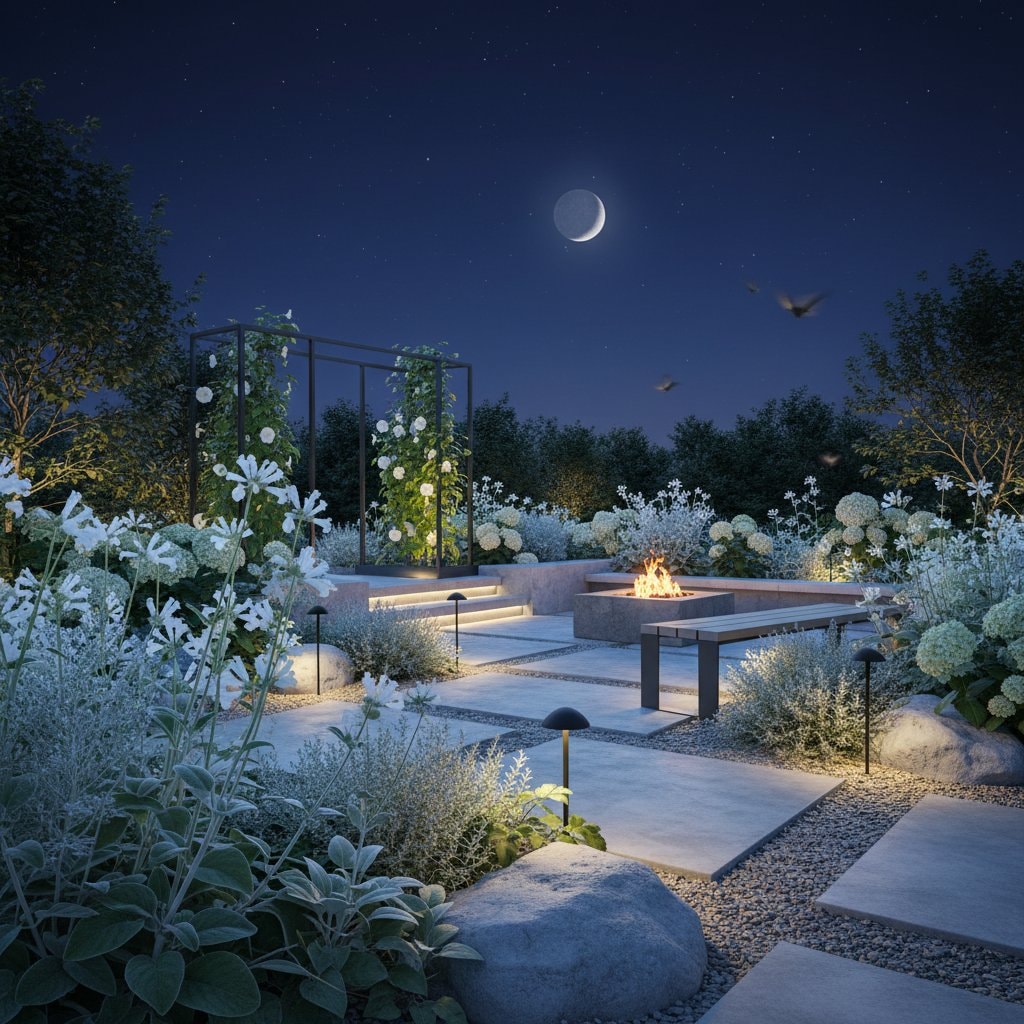
Step into your yard after sunset and imagine it alive with subtle light and fragrance. Daytime gardens often lose their appeal in the dark, but a moon garden revives the space with pale blooms and reflective foliage. This design approach creates a serene outdoor retreat that thrives under moonlight, offering contrast to the day's vibrancy.
A moon garden extends beyond simple planting. It establishes a restful atmosphere through luminous elements and evening scents. Plan carefully to ensure the space invites relaxation and quiet observation.
Assess Moonlight Patterns in Your Yard
Begin by evaluating your yard at night. Walk the area with a lantern to identify where moonlight naturally illuminates paths, beds, or structures. Note spots that remain shadowed, as these influence plant placement for maximum effect.
Consider your movement through the space after dark. Position key plants near entry points or seating areas to guide safe navigation. A single cluster of light-colored blooms can serve as a beacon, drawing attention without overwhelming the scene.
Select Colors That Enhance Visibility
Moonlight alters perceptions of color, making whites, silvers, pale pinks, and soft blues appear radiant. Incorporate plants with silvery or textured leaves to amplify reflection. Integrate these into existing beds by interplanting with darker foliage for visual depth.
In low-light areas, supplement with subtle artificial sources like solar-powered path lights. These mimic lunar glow without harshness, ensuring the garden remains inviting even on overcast nights.
Design Layout for Evening Serenity
Envision the mood you seek for nighttime use, such as quiet contemplation or gentle strolls. Base the layout on this intent to avoid overcrowding and promote tranquility. Sketch a simple plan to map plant positions and features.
Identify Ideal Placement
Locate the garden near preferred evening spots, like a patio for dining or a secluded bench for reading. Select areas with partial shade during the day to suit many night-blooming species. Frequent access encourages regular enjoyment and maintenance.
Incorporate Varied Textures
Balance smooth flower petals with feathery grasses and glossy versus fuzzy leaves. These surfaces catch light uniquely, creating multidimensional effects under the moon. Opt for organic shapes, such as meandering paths or rounded beds, to foster a natural flow.
Arrange taller plants at the back to frame shorter ones, ensuring moonlight filters evenly. Test the design by viewing from seating positions to confirm balanced visibility.
Select Plants for Nighttime Appeal
Choose species that bloom or reflect light after dusk to build the garden's core. Night-blooming flowers provide fragrance and motion as they unfurl, while foliage ensures year-round interest. Prioritize varieties suited to your climate and soil type for reliable performance.
Recommended Night-Blooming Flowers
-
Moonflower (Ipomoea alba)
Train these vining plants on a 6-foot trellis for dramatic effect. Plant seeds directly in warm soil after the last frost, spacing 12 inches apart. Expect 4- to 6-inch white blooms that last one night each. -
Evening Primrose (Oenothera biennis)
Sow seeds in full sun for self-seeding perennials. Space plants 18 inches apart to allow for 2-foot height. The 1-inch yellow flowers open sequentially, providing weeks of evening color. -
Night Phlox (Zaluzianskya capensis)
Grow in pots or borders with well-drained soil, pinching tips for bushier growth. Position near seating to capture the vanilla-honey scent. Blooms appear in summer, lasting until frost. -
Tuberose (Polianthes tuberosa)
Plant bulbs 2 inches deep in fertile soil, 6 inches apart. Stake tall stems to support 18-inch spikes of waxy white flowers. Harvest blooms for indoor vases to extend enjoyment. -
Four O’Clocks (Mirabilis jalapa)
Direct-sow tubers in spring for mixed-color displays. Space 12 inches apart in borders. Tubers return annually, offering trumpet-shaped flowers from midsummer onward.
Foliage for Light Reflection
-
Lamb’s Ear (Stachys byzantina)
Plant in masses along edges for soft, 6-inch mounds. Divide clumps every three years to maintain vigor. The woolly leaves deter deer while enhancing glow. -
Dusty Miller (Jacobaea maritima)
Use as edging or fillers, spacing 12 inches apart. Trim to encourage branching in partial shade. Silver foliage contrasts vividly with bold flowers. -
Hosta ‘Patriot’ or ‘Fire and Ice’
Select these for shaded beds, dividing every four years. Water consistently to prevent leaf scorch. Variegated edges provide subtle highlights in low light. -
Silver Artemisia
Plant in drifts for 2-foot silvery mounds. Prune lightly in spring to shape. The aromatic leaves complement floral scents without competing.
Prepare Soil and Add Comfort Features
Test soil pH, aiming for 6.0 to 7.0, and amend with compost to boost fertility. Till to 12 inches deep, removing weeds to prevent competition. This preparation supports robust growth and sustained blooming.
Enhance User Experience
Install a weatherproof bench or Adirondack chair in a central spot. Lay permeable gravel paths 3 feet wide for easy access. Include a shallow birdbath or fountain to reflect moonlight and attract wildlife.
For illumination, space solar lights 5 feet apart along paths. Opt for warm white LEDs at 3000K to blend with natural tones. These elements transform the garden into a functional evening haven.
Maintain Plants for Ongoing Vitality
Establish a watering schedule based on soil moisture, delivering 1 inch weekly during dry spells. Deadhead faded flowers promptly to stimulate reblooming. Mulch with 2 inches of organic material to retain moisture and suppress weeds.
Boost Fragrance and Health
Apply a balanced, slow-release fertilizer in early spring, following package rates for your garden size. Inspect foliage weekly for aphids or slugs, dislodging them with a strong water spray. Clean up debris to minimize disease risk.
Monitor for heat stress in summer by shading young plants with cloth during peak afternoons. These practices ensure consistent performance through the season.
Attract Nocturnal Wildlife
Pale flowers and scents naturally draw moths, bats, and beetles, adding dynamic interest. Plant native species to support local ecosystems. Observe these visitors to gauge the garden's success.
Avoid broad-spectrum insecticides, opting for targeted organic controls if needed. Leave leaf litter or seed heads for overwintering habitats. Such measures foster biodiversity and subtle nighttime activity.
Integrate Shadows for Depth
Position light-reflecting plants amid darker backdrops to heighten contrast. Limit artificial light to accents, preserving natural gradients. This balance prevents a washed-out appearance.
Use existing trees to cast dappled patterns, pruning lower branches for better moonlight penetration. Shadows create intrigue, encouraging closer exploration of textures and scents.
Adapt Through Seasons
Refresh annuals like moonflowers each spring, while perennials such as hostas provide structure. In fall, add cool-season options like kale with silvery veins. Winter interest comes from evergreen accents and bark textures.
Prune in late winter to remove dead growth, fertilizing lightly for new shoots. Track bloom cycles in a journal to refine selections yearly. Seasonal shifts keep the garden engaging year-round.
Experience the Full Reward
As the garden establishes, dedicate evenings to immersion. Sit motionless to witness petals unfolding and scents intensifying. This practice deepens appreciation for subtle changes.
The space evolves into a personal sanctuary, extending usable outdoor time. Regular tending yields discoveries, from new pollinator patterns to enhanced fragrances. Embrace this living canvas for sustained tranquility.
Refine and Expand Over Time
Document successes, such as which plants thrive in your microclimate. Experiment with additions like night-scented stock for variety. Adjust based on observations to optimize glow and aroma.
This iterative process builds a resilient, personalized retreat. Evenings reveal the garden's nuances, reinforcing its value as a nighttime asset.