Moon Gardens Set to Shine in 2026 with Glow Plants
Moon gardens emphasize aesthetics visible after sunset. In contrast to daytime gardens that depend on intense sunlight, these designs thrive in subdued evening illumination. Pale flowers, silver-hued foliage, and aromatic blossoms produce a naturally radiant environment. The introduction of glow plant varieties for home gardeners elevates their popularity. Individuals who appreciate outdoor relaxation in the evening may find a moon garden enhances their landscape effectively.
What Makes a Moon Garden Different
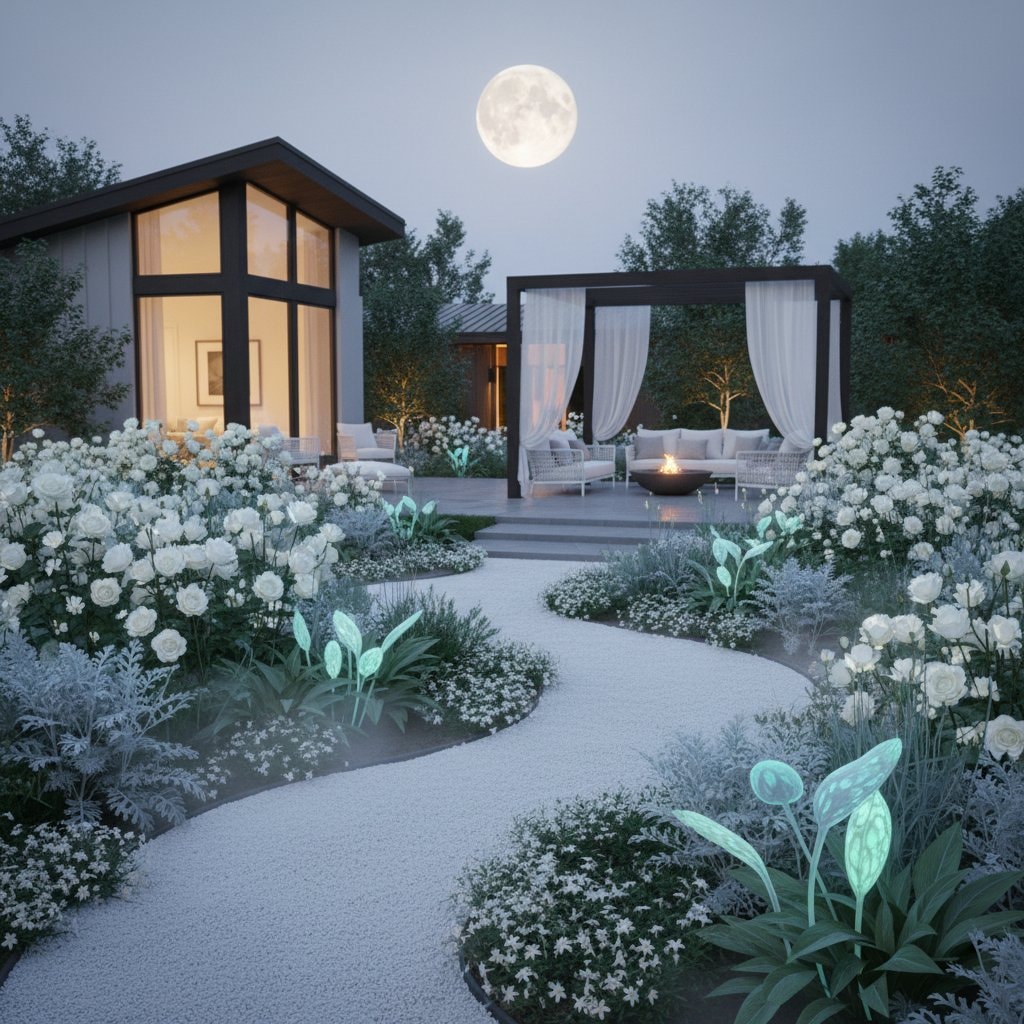
Moon gardens prioritize plants that reflect or generate light. White petals, silver leaves, and light variegated patterns capture the subtle glow from the moon, landscape lighting, or ambient sources. This arrangement yields a serene, ethereal atmosphere. Such gardens frequently incorporate night-blooming species that unfurl after twilight, contributing fragrance and subtle motion while other vegetation remains dormant.
The primary objective involves crafting an engaging nighttime vista. Employ straightforward design principles to achieve this:
- Color: Select whites, creams, silvers, and soft blues, as these hues remain prominent in dim conditions.
- Texture: Combine glossy, smooth leaves with those that possess fuzzy or velvety surfaces to generate visual contrast.
- Lighting: Incorporate unobtrusive solar-powered or low-voltage fixtures to accentuate focal plants.
- Placement: Position the garden where it remains observable from a patio, deck, or interior window for convenient evening appreciation.
Glow Plants: The New Frontier
Glow plants represent an innovative advancement that transforms moon garden aesthetics. Breeders develop these varieties to produce a gentle, inherent luminescence. The emission remains faint, insufficient for pathway illumination, yet discernible enough to impart a shimmering quality to blooms and foliage. Researchers and cultivators refine these plants to ensure vitality, safety, and durability in residential settings.
Anticipate glow versions of familiar selections such as petunias, impatiens, and certain herbs. The luminescence derives from inherent biological mechanisms, free from artificial coatings or additives. Consequently, the glow reappears nightly without additional intervention.
Upon market availability, these plants will appear in starter containers at costs comparable to high-end annuals. Integrate them with conventional white or silver specimens for depth. Visualize white jasmine ascending a trellis, complemented by softly luminous impatiens below, yielding a subdued yet compelling display.
Planning a Moon Garden Layout
Select a site that receives partial shade by day and offers clear nighttime visibility. Proximity to a seating area proves ideal. Construct the garden within raised beds, alongside pathways, or in oversized pots.
Organize the design in tiers:
- Tall background plants: Incorporate shrubs or climbers like white clematis, moonflower vine, or silver-leaved artemisia for height.
- Mid-height plants: Introduce white hydrangeas, dusty miller, or light hostas for intermediate structure.
- Low-growing accents: Utilize glow plants, white impatiens, or lamb’s ear to provide ground-level texture.
- Fragrant touches: Plant night-blooming jasmine or nicotiana to disperse evening scents across the area.
Maintain pathways with uncomplicated, pale materials that reflect light, such as crushed limestone or light gravel. Steer clear of dark mulch, which absorbs illumination and diminishes the overall radiance.
Costs and Maintenance
Expenses for a moon garden vary by scale and components. A modest planting with assorted annuals and perennials may require fifty to one hundred dollars initially. Elements like stone borders, lighting, or ornamental pots elevate the investment. Newly launched glow plants will command premium pricing at debut, though costs will stabilize with broader distribution.
Care remains straightforward. These plants thrive in well-drained soil with consistent moisture. Remove faded flowers to encourage continuous blooming. For installed lighting, inspect solar components or bulbs periodically. Manage glow plants akin to standard annuals: apply fertilizer sparingly, prune as necessary, and refresh plantings seasonally.
Why Moon Gardens Appeal to Homeowners
Moon gardens provide a unique attribute absent in diurnal landscapes. They encourage evening outdoor engagement. The interplay of muted colors, scents, and diffused light fosters tranquility. Homeowners often situate these gardens adjacent to patios or windows for indoor viewing. They suit shaded areas unsuitable for vibrant daytime flora.
Flexibility defines these designs. Adapt them to compact balconies or expansive yard borders. They demand neither substantial funds nor expert horticultural knowledge. A selection of thoughtfully placed pale plants suffices to evoke moonlight enchantment.
Seasonal Choices and Bloom Timing
Sustain illumination throughout the year by blending species with staggered flowering periods. Spring selections encompass white tulips, daffodils, and bleeding hearts. Midsummer features phlox, nicotiana, and hydrangeas for vitality. Autumn options include white chrysanthemums and asters to extend the glow.
Regard glow plants as annuals initially. They flourish in warm weather under full to partial sunlight. Pair them with perennials to preserve garden framework across seasons.
Lighting Tips for Extra Effect
Although glow plants generate their own radiance, supplementary sources amplify the ambiance. Employ solar stakes, lanterns, or string lights fitted with warm white bulbs. Direct beams downward or laterally to prevent harshness. Focus on layered illumination rather than isolated bright areas.
For a purely organic appearance, opt for reflective elements over electrical devices. Pale stone paths, white benches, or ceramic containers capture moonlight effectively, enhancing brightness without power reliance.
Watching Your Garden Shine
Establishing a moon garden centers on savoring serene interludes. Picture settling outdoors with tea, attuned to ambient sounds, as plant luminescence intensifies with encroaching dusk. Gradually refine the arrangement, incorporate additional glow types, or explore aromatic and tactile variations to perfect the space.
With expanding access to glow plants, moon gardens promise heightened allure. Blending classic white blooms with these luminous innovations ensures a vibrant nocturnal retreat amid a quiet world.