Modular Living Walls: Key Installation Trends for 2025
Watching a plain wall transform into a vibrant green feature delivers profound satisfaction. During one installation in a client's kitchen, a stark white surface evolved into a dense foliage display that altered the room's atmosphere entirely. The air became noticeably cleaner, and the area gained a vital, breathing quality. This shift highlights the core appeal of modular living walls: they integrate nature directly into constructed spaces, offering tranquility and modernity.
Homeowners increasingly recognize how environments affect wellness, fueling demand for indoor greenery. Modular living walls respond with versatile, effective, and striking systems. These elements serve as more than decorative accents; they function as active ecosystems that enhance air quality, absorb noise, and cultivate a restorative bond with the natural world.
What Are Modular Living Walls?
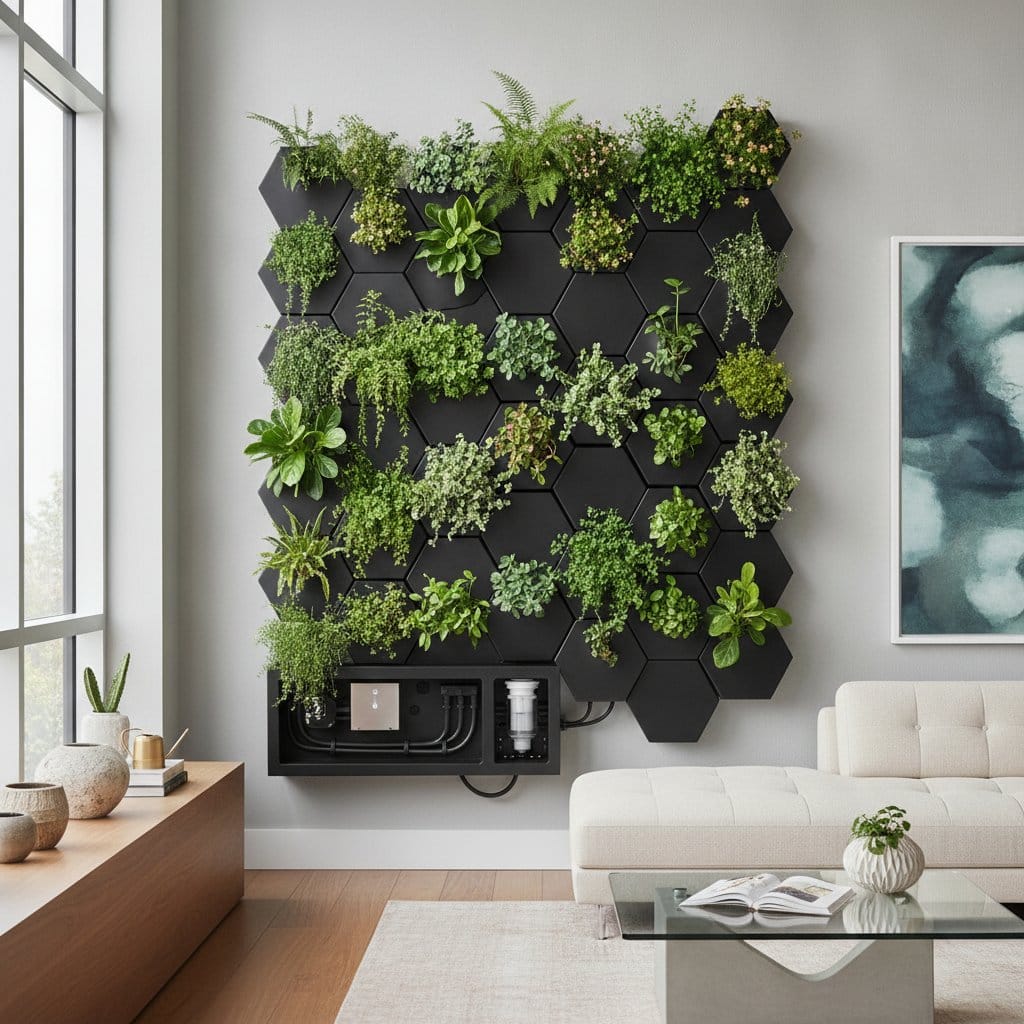
A modular living wall consists of separate panels or modules that secure plants in vertical arrangements. Materials such as plastic, metal, or recycled composites form these modules. Each includes its own substrate for growth, irrigation mechanism, and drainage setup, enabling expansion or modification as required. In contrast to traditional green walls that demand bespoke structures, modular versions prove more straightforward and flexible.
The modular design excels in its straightforwardness. Individuals may commence with a single panel positioned by a light source and scale up over time. This format permits simple plant substitutions, configuration alterations, or full relocations during space reconfigurations. Such adaptability appeals to those who value design exploration while seeking a refined, expert outcome.
Factors Driving Their Popularity
Multiple elements position modular living walls as focal points in contemporary interior and exterior schemes.
-
Simplified Setup Process
Pre-fabricated kits or assembled units allow for quick mounting and integration with little interference. These systems adapt to compact areas, ideal for urban dwellings, terraces, or workplace partitions. -
Eco-Friendly Attributes
Green walls moderate internal climates through inherent insulation. They capture carbon dioxide and generate oxygen. Contemporary models incorporate reclaimed materials in modules alongside efficient irrigation that recycles water with minimal energy use. -
Adaptable Aesthetic Options
The modular structure supports creations in diverse forms and sizes. Vertical gardens may adopt precise, geometric patterns or fluid, natural contours. Some select edible herbs for practical use, while others emphasize foliage variety for engaging visuals. -
Health and Serenity Benefits
Greenery promotes relaxation. Research indicates that plants lower anxiety levels and sharpen concentration. A living wall delivers this serenity directly into living areas, such as lounges, culinary spaces, or workspaces.
Indoor Innovations Shaping 2025
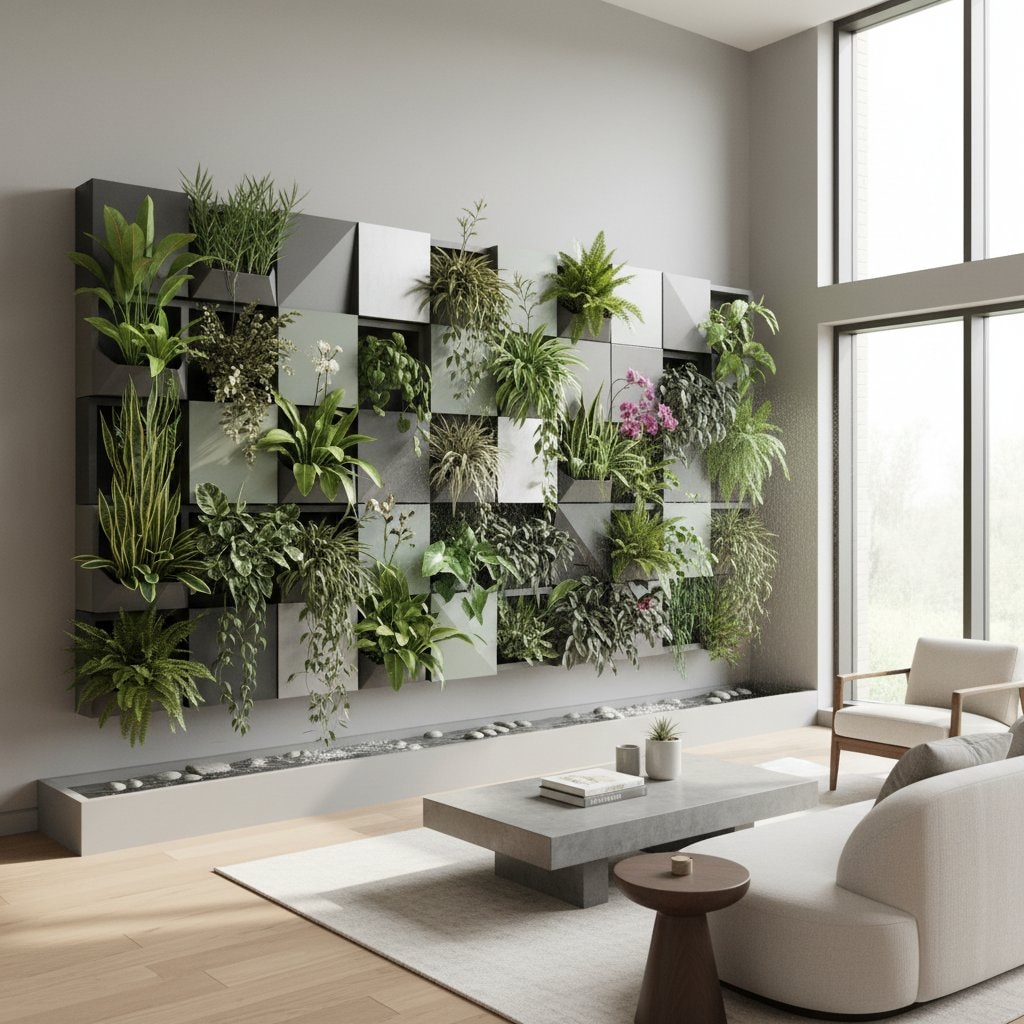
Indoor modular living walls have progressed beyond experimental phases. They now operate as organic artworks that cleanse air and mitigate echoes. Emerging patterns emphasize seamless incorporation over mere ornamentation.
Biophilic Integration in Daily Environments
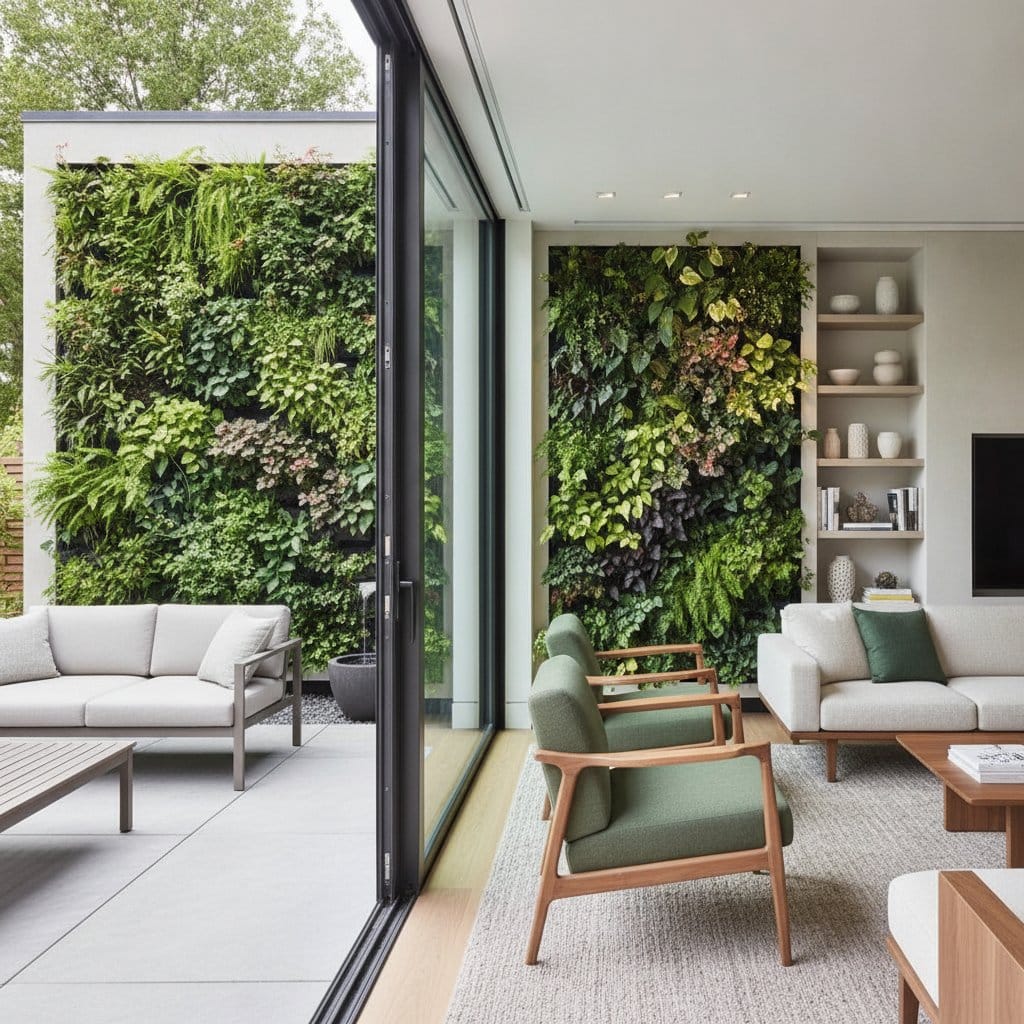
Residents pursue stronger ties to nature amid routine activities. Modular living walls emerge in unconventional spots like restrooms and corridors, where moisture and height accommodate specific flora. These setups dissolve boundaries between built forms and natural elements, ensuring fluid harmony across residences.
Automated Watering Technologies
Advancements introduce intelligent hydration and fertilization mechanisms. Sensors in these modules track soil dampness, providing steady nourishment. Such features minimize upkeep demands, broadening appeal to novice plant caretakers. The technology manages essential tasks discreetly, allowing focus on the visual rewards.
Organic Textures and Subdued Palettes
Professionals favor plant selections that highlight tactile qualities over vivid hues. Layers of rich evergreens, metallic foliage, and draping tendrils produce a serene, naturalistic effect. Preserved moss elements regain favor, particularly in hybrid designs combining fresh and enduring plants for reduced effort.
Versatile Functional Roles
These walls fulfill multiple roles. In expansive layouts, they divide areas naturally. Culinary zones benefit from herb-filled versions for fresh harvesting. Compact setups also serve as acoustic panels, reducing reverberations in sparse designs.
Outdoor Applications of the Trend
Exterior modular living walls revitalize decks, entrances, and perimeter edges. They provide a gentle, evolving substitute for conventional barriers or shrub lines, infusing vertical planes with vitality.
Site-Specific Plant Selections
Exterior installations thrive with flora adapted to regional climates. Resilient ferns, drought-tolerant succulents, and indigenous varieties flourish in modular frameworks when selected appropriately. These walls shift seasonally, instilling cycles of vitality and refreshment. Owners often appreciate observing gradual developments, from tender sprouts to mature displays.
Robust Construction Elements
Current systems employ resilient components to withstand weather fluctuations and humidity. Options include coated metals, fortified polymers, and eco-conscious alloys that prolong durability. DIY enthusiasts find value in tool-simple assembly kits.
Illumination for Enhancement and Vitality
Strategic outdoor lighting elevates living walls into nocturnal highlights. Energy-efficient LEDs accentuate contours and depths, while supplemental growth lamps support shaded sections. Thoughtful illumination balances visual allure with optimal plant health.
Selecting Plants for Modular Systems
Choosing suitable plants ranks among the most rewarding aspects of modular wall creation. Align selections with site conditions and desired care intensity.
Indoor Recommendations:
- Trailing options like pothos, philodendron, and ferns for durability and graceful shapes
- Air-cleaning varieties such as peace lilies and spider plants
- Culinary herbs including basil, mint, and thyme for kitchen applications
Outdoor Suggestions:
- Low-water succulents like sedum or echeveria in arid zones
- Shade-loving ferns and ivy in damp or dim areas
- Local bloomers to aid pollinators
Blend species for depth. Pair vertical growers with cascading types to ease transitions. Consistent motifs in hue or form maintain unity and avoid disorder.
Upkeep Essentials
Smart features notwithstanding, living walls require regular oversight. Monitor hydration, prune excesses, and swap declining plants to sustain vigor. The modular setup simplifies tasks, as individual panels detach without impacting the assembly.
Many owners plan seasonal updates, viewing the wall as an evolving canvas. Weekly sessions offer meditative opportunities to nurture growth and reinforce natural affinity.
Integrating Walls into Daily Life
After placement, a modular living wall reshapes spatial dynamics. It captivates attention, tempers rigid lines, and introduces subtle motion through light-filtered leaves. Gradually, it embodies the residence's character, mirroring the dedication of its curator.
To start, opt for modest scales. Test with limited panels, observe plant responses, and build incrementally. Consider interactions with illumination, furnishings, and routines. Uniform elements foster harmony. Beyond structure, these walls nurture enduring ties to vitality, evolving from projects into wellsprings of ease and inspiration.