Gravel Gardens: Mediterranean Magic on a Tight Budget
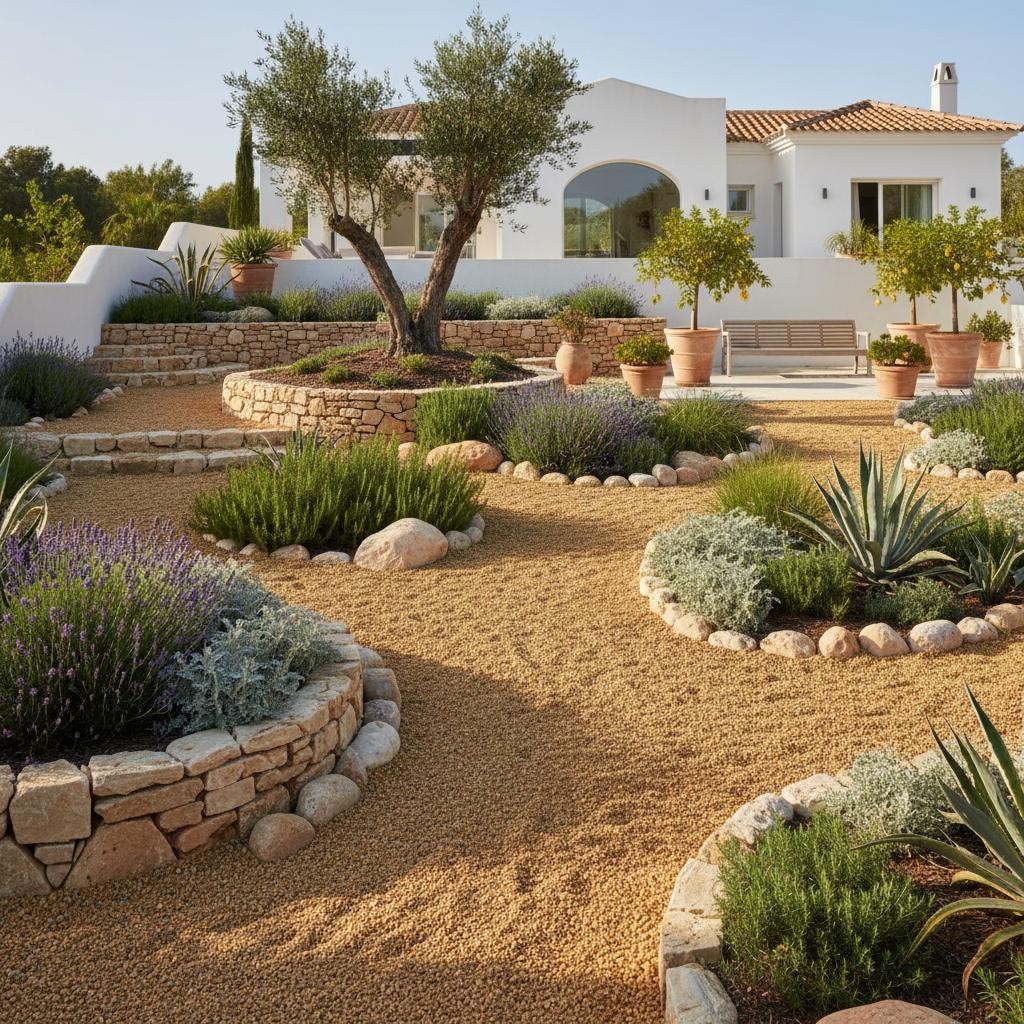
Sun-drenched Mediterranean courtyards evoke images of silvery foliage, textured stone, and gently swaying grasses. A gravel garden captures this essence in your own backyard without requiring a substantial budget or extensive maintenance. These designs incorporate straightforward materials, drought-tolerant plants, and strategic planning to minimize costs and water consumption. Through careful preparation, you can establish a warm, inviting, and enduring outdoor space.
This guide details the elements that contribute to a successful gravel garden, offers planning strategies tailored to your property, and identifies opportunities to allocate resources effectively. Thoughtful decisions enable the development of a Mediterranean-inspired landscape that flourishes with minimal intervention.
Benefits for Homeowners
A gravel garden provides multiple advantages, particularly for those seeking aesthetic appeal with reduced ongoing care.
Lower maintenance: Gravel inhibits weed growth and reduces evaporation rates, which decreases watering frequency. Routine tasks such as mowing, edging, and fertilizing become unnecessary.
Water savings: Plants suited to Mediterranean conditions thrive in arid soils, allowing for diminished irrigation needs or elimination of supplemental watering after establishment.
Budget-friendly materials: Gravel typically costs less than alternatives like paving stones or poured concrete. Many individuals construct pathways, patios, or borders using fundamental tools and self-guided efforts.
Durability: Unlike concrete, which cracks, or pavers, which shift, gravel withstands environmental stresses. Its excellent drainage properties adapt to diverse climates.
Natural style: This approach complements relaxed outdoor lifestyles. Experiment with varied textures, colors, and forms without the constraint of rigid symmetry.
Choosing and Using the Right Gravel
Gravel varieties differ in appearance and performance. Selecting the appropriate type ensures a comfortable walking surface and supports plant vitality.
Size: Opt for gravel measuring one-eighth to one-quarter inch for pathways and patios. Larger aggregates create instability underfoot, whereas excessively fine particles compact excessively and impede drainage.
Shape: Angular gravel interlocks more effectively than rounded varieties, promoting stability. Suitable choices include crushed granite, limestone, or pea gravel.
Color: Light-colored gravel reflects sunlight and illuminates dim areas. Tones such as tan, gold, or muted gray enhance the Mediterranean aesthetic.
Depth: Apply gravel in layers of two to three inches. Insufficient depth permits weed penetration, while excessive thickness hinders root access to underlying soil.
For optimal outcomes, install permeable landscape fabric beneath the gravel to deter weeds and facilitate water percolation. Steer clear of plastic sheeting, as it retains moisture and damages root systems.
To prepare the site, excavate the area to a depth of four to six inches, removing debris and leveling the base. Compact the soil lightly before adding the fabric and gravel. This foundation prevents settling and maintains an even surface over time.
Selecting Mediterranean Plants That Thrive in Gravel
Appropriate plant selections establish the garden's character and viability. Prioritize species that favor full sun, endure dry conditions, and require minimal nutrients.
Herbs and Aromatic Foliage
- Lavender
- Rosemary
- Thyme
- Sage
- Oregano
These specimens emit pleasant scents when touched or heated by sunlight. They draw pollinators and maintain tidy forms through occasional pruning.
Succulents and Groundcovers
- Sedum
- Ice plant
- Rockrose
- Santolina
- Lamb’s ear
Such plants propagate gradually, concealing exposed areas and introducing diversity via their foliage textures.
Ornamental Grasses and Perennials
- Blue fescue
- Fountain grass
- Gaura
- Coreopsis
- Yarrow
These additions provide vertical interest and dynamic motion. Their seed heads capture sunlight and undulate with wind currents, tempering the gravel's uniformity.
Shrubs and Accent Plants
- Olive or dwarf olive
- Lavender cotton
- Cistus
- Dwarf agave
- Boxwood (for clipped structure)
Combining evergreens with bloomers ensures consistent visual appeal across seasons.
During installation, prepare planting holes marginally wider than the root balls. Refill with a blend of local soil and coarse sand or grit to enhance drainage. Irrigate deeply in the initial weeks to promote root development, then permit soil to dry between subsequent applications. Established plants generally require only periodic trimming for shape and health.
Consider spacing: Position taller shrubs and grasses at the rear or center, with groundcovers and herbs filling foreground areas. This arrangement fosters a layered, naturalistic composition that maximizes sunlight exposure and airflow.
Maintenance Made Simple
Establishing a gravel garden leads to straightforward ongoing care. Targeted activities preserve its neatness and vigor.
-
Weed control: Extract weeds manually upon emergence. Their removal proves simpler in gravel settings compared to compacted earth.
-
Watering: In the first season, apply water every few days until roots establish firmly. Thereafter, supplement only during extended droughts.
-
Pruning: Shape herbs and perennials post-bloom to promote bushiness and fresh growth.
-
Raking: Periodically redistribute gravel to smooth footprints or indentations.
-
Refreshing: Replenish with a modest layer of gravel every few years to restore vibrancy.
In regions with harsh winters, these plants endure with basic safeguards. The gravel layer insulates roots and averts waterlogging around plant bases.
Monitor for pests, though Mediterranean selections resist common issues due to their resilience. If necessary, apply organic treatments sparingly to maintain ecological balance.
Common Mistakes to Avoid
While gravel gardens prove resilient, certain errors can lead to complications.
Incorrect gravel depth or type: Applying too little gravel invites weeds, and mismatched sizes cause uneven surfaces. Measure and test samples before purchasing to confirm suitability.
Overwatering plants: These drought-adapted species suffer from excess moisture, leading to root rot. Adhere to establishment-phase guidelines and observe plant responses.
Neglecting site preparation: Skipping soil compaction or weed barrier installation results in shifting gravel and persistent intruders. Invest time upfront for long-term stability.
Poor plant placement: Positioning shade-loving varieties in full sun or overcrowding limits growth. Research light and space requirements to match your site's conditions.
Ignoring seasonal adjustments: Failing to mulch or protect in extreme weather stresses plants. Assess local climate patterns and adapt accordingly.
By anticipating these pitfalls, you ensure a robust, low-effort garden.
Embracing the Enduring Appeal of Your Gravel Garden
Your completed gravel garden serves as a serene extension of your home, blending functionality with evocative style. It withstands daily use while demanding little in return, allowing more time for enjoyment amid its fragrant herbs and rustling grasses. As seasons unfold, observe how the interplay of light on gravel and foliage creates evolving vistas. This sustainable design not only conserves resources but also fosters a deeper connection to nature's understated elegance.