The Rise of Low-Water Gravel Gardens in Mediterranean Style
Homeowners often face challenges with water shortages and high-maintenance lawns. Patchy grass and thirsty flowerbeds demand constant attention in dry climates. A Mediterranean-inspired gravel garden provides a practical alternative that delivers visual appeal and sustainability.
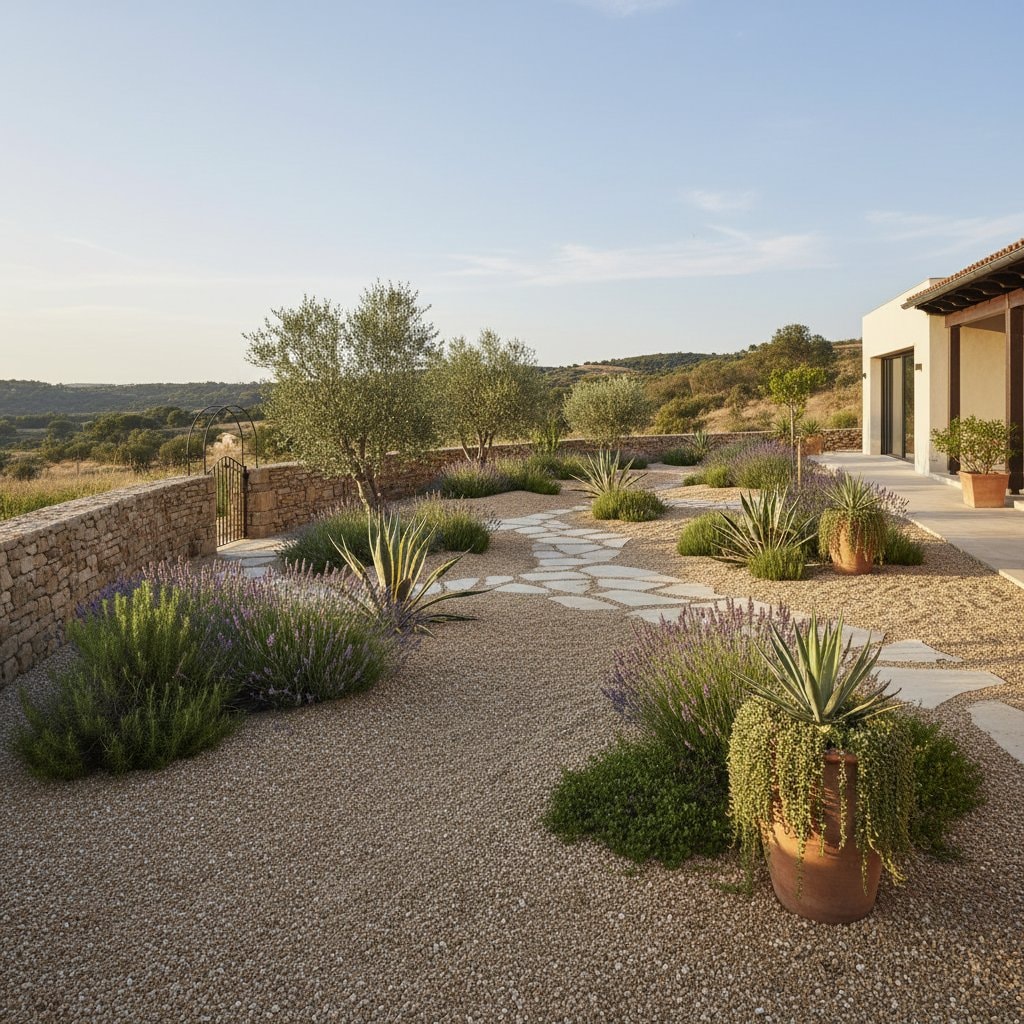
This design features stones, hardy plants, and minimal irrigation to create a serene landscape. It draws from coastal regions where vegetation adapts to sun and sparse rain. The result is an outdoor area that requires little upkeep while evoking natural elegance.
Core Elements of a Mediterranean Gravel Garden
Mediterranean gravel gardens emphasize endurance and restraint. They replace turf with gravel layers and drought-resistant plants suited to lean conditions. The focus remains on achieving a sense of abundance through texture rather than volume.
Select plants with these characteristics: tolerance for dry soil, full sun exposure, and minimal fertility needs. Lavender provides fragrant purple blooms and silvery leaves. Rosemary offers evergreen structure and culinary value. Sage, thyme, and ornamental grasses add variety in height and form. Gravel serves multiple roles: it improves drainage, suppresses weeds, and enhances the overall aesthetic with its neutral tones.
Step 1: Evaluate Your Site and Prepare the Soil
Start by observing your yard's conditions. Track sunlight patterns over a full day to identify full-sun areas ideal for these plants. Note slopes, low spots, and drainage issues that could affect plant health.
Test soil texture and drainage. Heavy clay holds water too long, so amend it by incorporating 2 to 4 inches of coarse sand or pea gravel. This creates a well-drained base similar to the rocky Mediterranean terrain. Aim for a pH between 6.0 and 7.5, which most of these plants prefer.
Draw a simple site plan. Outline pathways, plant clusters, and gravel expanses. Allocate space for features like seating or focal points to ensure the design fits your lifestyle.
Step 2: Design for Texture, Color, and Balance
Layer elements to build visual interest. Use low groundcovers like creeping thyme or sedum along edges for a soft border. Position mid-sized perennials such as catmint or salvia in central beds for color pops. Add vertical elements with yucca or cordyline for height and definition.
Opt for a subdued color scheme. Pair cool blues and lavenders with warm gravel hues like buff or gray. Incorporate silvery foliage from artemisia or santolina to reflect light and reduce heat stress on plants.
Select gravel wisely. Light-colored decomposed granite brightens small spaces and stays cool. Darker lava rock provides contrast in larger areas. Test samples in your yard to see how they harmonize with existing structures.
Step 3: Install the Garden Components
Clear the area thoroughly. Remove grass, weeds, and debris to a depth of 4 to 6 inches. Install landscape fabric or a permeable geotextile to block weeds without impeding water flow.
Build in layers for stability. Spread 2 inches of larger aggregate as a base for drainage, followed by 2 to 3 inches of finer gravel on top. Rake evenly for a uniform surface.
Plant with care. Dig holes twice the width of root balls but no deeper. Space plants 18 to 24 inches apart to allow air circulation. Water newly planted specimens thoroughly once, then taper off to encourage deep root growth.
Step 4: Maintain for Long-Term Success
Routine care keeps the garden thriving with minimal effort. Remove debris weekly to prevent weed seeds from germinating. Prune flowering herbs by one-third after bloom to promote bushiness and prevent legginess.
Replenish gravel annually in high-traffic areas to maintain depth and appearance. Divide overcrowded perennials every three years to refresh vigor. Introduce compatible additions like agave or helianthemum to fill gaps without disrupting the theme.
Adapt to local weather. In frost-prone zones, mulch sensitive plants with extra gravel or use cloches for winter protection. During rare heavy rains, ensure channels direct excess water away from plant roots.
Sustainability and Serenity in Gravel Designs
Gravel gardens conserve resources effectively. They cut water usage by up to 80 percent compared to traditional lawns. Native or adapted plants support pollinators and biodiversity without synthetic inputs.
The design fosters tranquility. Gentle sounds from gravel paths and aromatic herbs create an inviting atmosphere. This setup aligns with effortless living, turning your yard into a restorative haven.
Nurturing Growth Season by Season
Observe changes as the garden establishes. Plants may take one to two seasons to fully root and expand. Adjust spacing or add mulch if bare spots appear.
Seasonal tasks build resilience. In spring, fertilize lightly with a balanced, slow-release product. Summer calls for occasional deep watering during extreme heat. Fall cleanup prepares for dormancy.
This approach yields enduring beauty. Your gravel garden evolves into a cohesive, low-demand feature that enhances property value and personal well-being.