Turn Property Lines into Edible, Productive Hedges
Homeowners often view yard edges as mere dividers, such as fences or overgrown shrubs that offer little appeal. These spaces represent untapped potential for creating functional beauty. With thoughtful design, property lines transform into edible hedges that provide visual interest, privacy, and a steady supply of fresh ingredients.
Edible landscaping integrates productivity into ornamental features. This method maximizes yard utility while fostering a sense of abundance. Readers gain practical strategies to reimagine boundaries as assets that support both garden health and daily meals.
Envision Opportunities Along the Edges
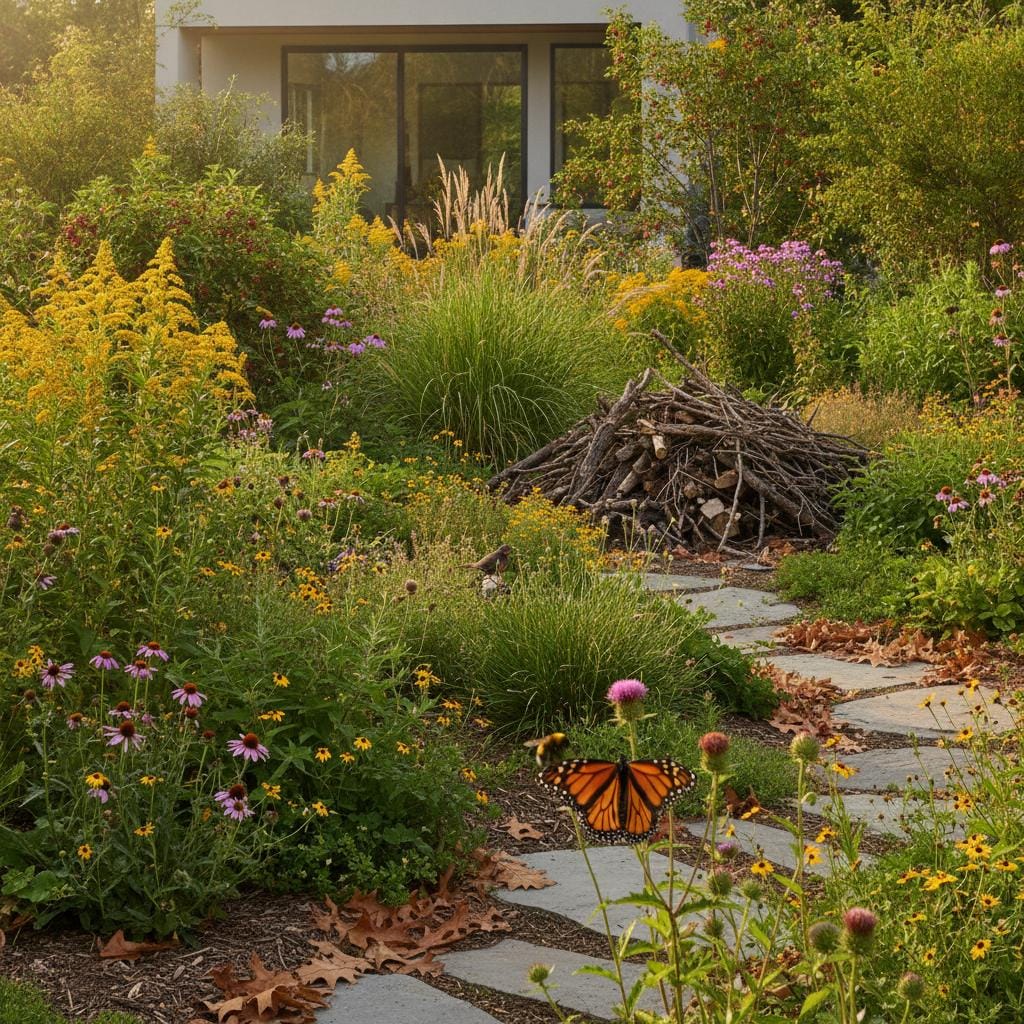
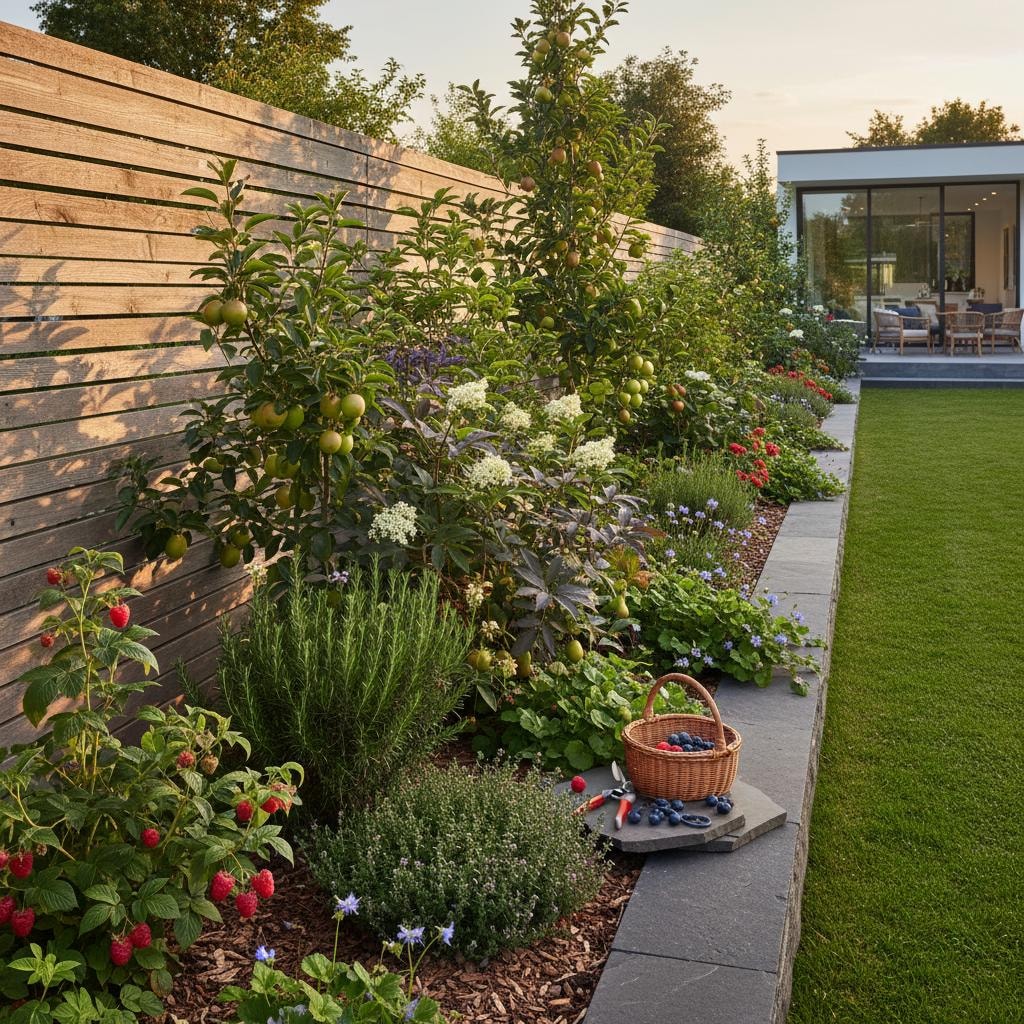
Consider property lines as prime locations for layered plantings that combine form and function. Replace stark fences with fruit-bearing shrubs, aromatic herbs, and compact trees that deliver seasonal rewards. Such hedges create natural screens, draw in pollinators like bees and butterflies, and yield edibles in unexpected places.
This design philosophy emphasizes harmony between aesthetics and utility. It encourages the use of vertical space to define areas without dominating the landscape. The result is a yard that feels integrated and inviting, where every border contributes to overall vitality.
Evaluate Site Conditions Thoroughly
Start by inspecting the perimeter on multiple occasions, noting sunlight patterns from morning to evening. Observe drainage after rainfall to identify low spots that retain water. Measure distances to nearby structures, patios, or walkways to ensure adequate clearance for plant growth.
Key questions guide this assessment:
- What is the daily sunlight exposure, full sun or partial shade?
- How does the soil texture feel, sandy and quick-draining or heavy clay?
- Does the hedge require height for screening, or focus on low-maintenance edibles?
Matching plants to these factors prevents common pitfalls like poor establishment or stunted yields. For instance, full-sun borders suit sun-loving fruits, whereas shaded areas favor shade-tolerant greens and herbs. This site-specific approach ensures long-term success with reduced effort.
Select Plants for Structure and Yield
Effective edible hedges feature plants that form dense barriers while producing reliable harvests. Opt for a combination of evergreen and deciduous species to maintain year-round interest. Diversity in heights, textures, and bloom times enhances appeal and supports ecosystem balance.
Recommended selections include:
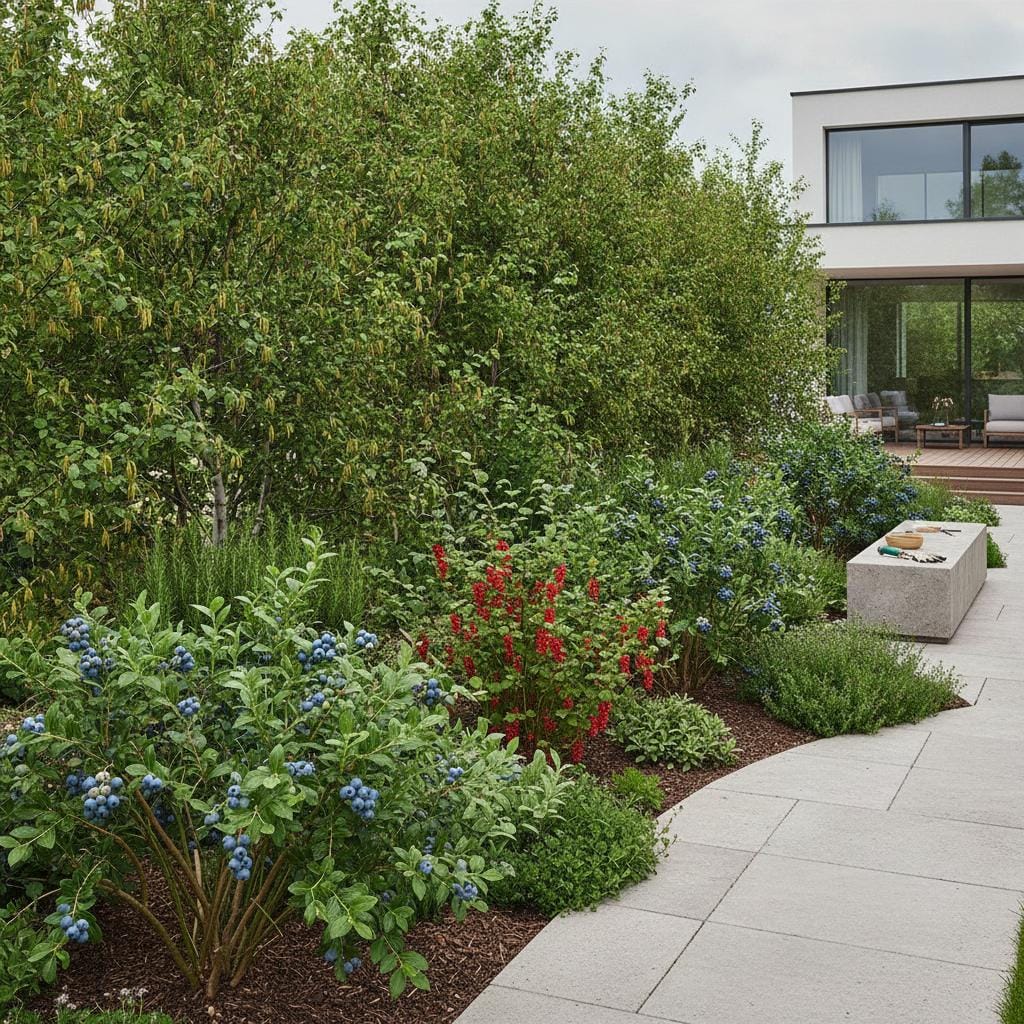
- Blueberries: Compact bushes with glossy leaves and antioxidant-packed berries ripening in summer; space 4 to 6 feet apart for air circulation.
- Raspberries: Vigorous canes that spread quickly, offering tart-sweet fruit; train on supports to contain growth and ease picking.
- Currants and gooseberries: Thorny options for natural deterrence, with juicy berries ideal for jams; they tolerate partial shade well.
- Rosemary and lavender: Evergreen perennials that add scent and pollinator appeal; harvest leaves or flowers for culinary use.
- Hazelnuts or serviceberries: Taller anchors providing nuts or berries; their multi-stemmed form adds architectural interest.
Incorporate natives where possible to boost resilience against pests and diseases. This mix not only diversifies harvests but also attracts wildlife that aids pollination and pest control. Plan for mature sizes to avoid overcrowding, ensuring each plant contributes without competition.
Plant and Establish the Hedge Foundation
Sketch the layout on paper or use string lines to visualize spacing before excavation. Dig holes twice as wide as root balls, incorporating aged compost to enrich native soil. Position plants at the same depth they grew in containers, then firm soil around roots to eliminate air pockets.
Water newly planted hedges thoroughly, aiming for 1 inch per week during the first season. Apply 2 to 3 inches of organic mulch, such as shredded bark, around bases while keeping it away from stems. Monitor for wilting and adjust irrigation to promote deep root development.
Establishment takes 1 to 2 years, during which prioritize root health over top growth. Avoid heavy pruning initially; instead, focus on consistent moisture and weed suppression. Strong foundations lead to hedges that withstand weather fluctuations and produce abundantly.
Maintain Growth for Sustained Productivity
Regular care keeps edible hedges vigorous without overwhelming demands. Prune annually in late winter or early spring, removing one-third of older canes on brambles to stimulate fresh shoots. Thin crowded areas to enhance light penetration and reduce disease risk.
Apply compost or balanced organic fertilizer in early spring, working it lightly into the topsoil. Test soil pH periodically, as many fruits prefer slightly acidic conditions around 5.5 to 6.5. Address issues promptly: yellow leaves may signal iron deficiency, treatable with chelated supplements.
Harvest frequently to encourage continuous production; for berries, pick when fully colored but firm. This routine not only yields ingredients but also shapes the hedge's form. Over seasons, these practices build a resilient border that requires minimal intervention.
Harvest and Integrate into Daily Life
As the hedge matures, it becomes a seamless part of yard routines. Stroll the perimeter to gather ripe fruits or snip herbs, integrating them into salads, desserts, or teas. The sensory experience, from berry tang to herb aromas, deepens connection to the space.
This living feature extends beyond produce; it softens property edges with natural texture and color shifts. Pollinators and birds enhance biodiversity, benefiting nearby plantings. Homeowners discover joy in a landscape that sustains itself while providing tangible rewards.
Adapt and Renew Over Time
Edible hedges evolve with age, requiring adaptive management to stay productive. Replace underperformers with hardier varieties suited to observed conditions. Divide perennials like herbs every 3 to 4 years to refresh vigor and expand coverage.
Seasonal tasks, such as fall cleanup and winter protection with burlap wraps for tender plants, preserve structure. Document changes in a garden journal to refine future care. This ongoing dialogue with the landscape turns property lines into enduring sources of nourishment and inspiration.