Meadow Lawns: Rewild Your Yard's Future in 2026
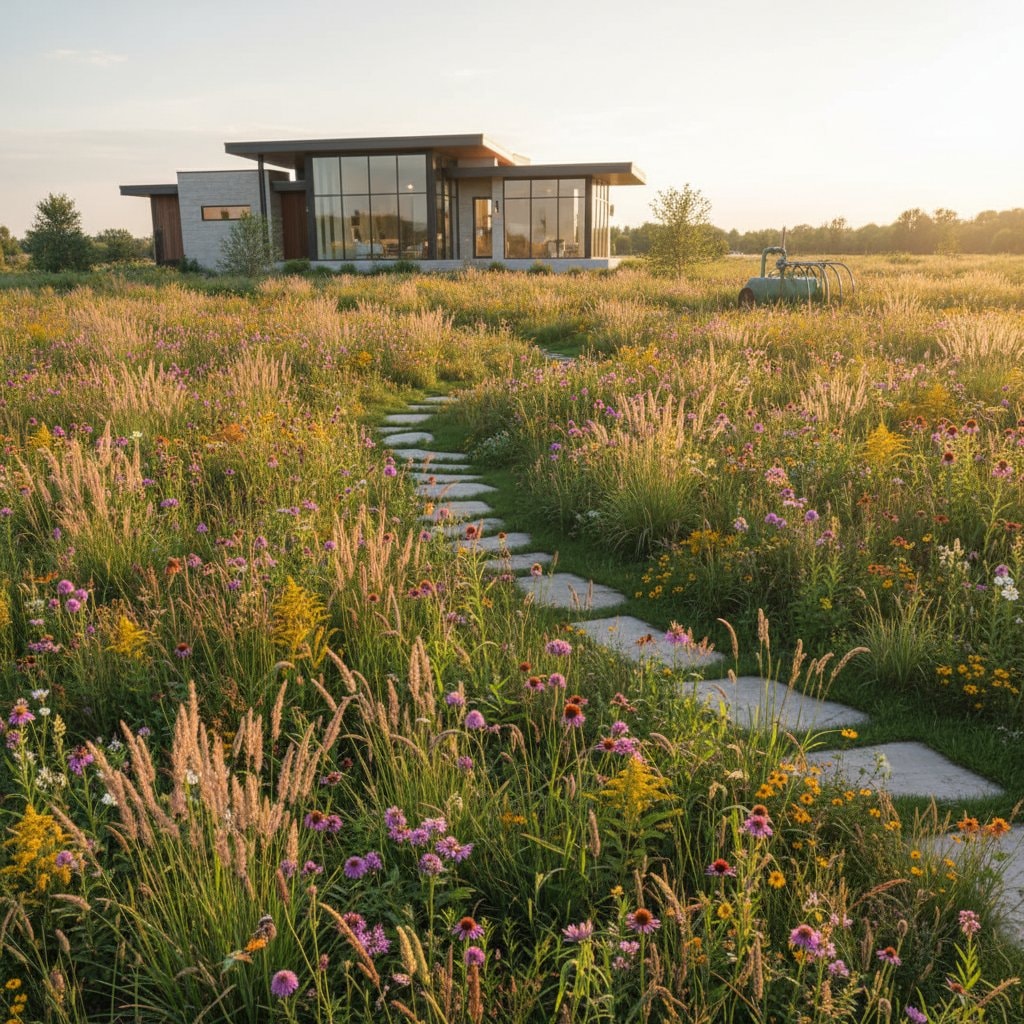
Many homeowners view their lawns as demanding tasks that yield minimal rewards. Constant mowing, watering, and fertilizing drain time and energy without fostering true enjoyment. Consider an alternative: a meadow lawn that buzzes with pollinators and sways with native grasses, offering both beauty and ecological value.
A meadow lawn involves collaboration with natural processes rather than opposition to them. This approach transforms outdoor spaces into supportive habitats for wildlife while reclaiming personal time. Through deliberate planning and minimal intervention, homeowners achieve a landscape that enhances biodiversity and provides ongoing satisfaction.
Planning Your Meadow Lawn
Successful meadow lawns require thoughtful preparation. Treat the project as a phased evolution of your existing yard, focusing initially on a manageable section like a sunlit border or underutilized corner. This strategy allows experimentation with local conditions before broader implementation.
Select Appropriate Native Plants
Native species form the foundation of resilient meadow lawns, as they align with regional climate, soil, and precipitation patterns. Incorporate sturdy grasses such as little bluestem or switchgrass to provide structure and stability. Complement these with pollinator-friendly wildflowers including purple coneflower, black-eyed Susan, and common milkweed for seasonal color and insect attraction.
Opt for regionally tailored seed mixes that blend quick-establishing annuals with enduring perennials. Such combinations ensure continuous visual interest through varied heights, foliage textures, and bloom periods. For instance, early-spring bloomers like lupine pair well with late-summer stars such as goldenrod, maintaining vibrancy from April through October.
Prepare the Site with Care
Converting established turf demands removal of competing grass without aggressive interventions. Employ the smothering method by layering cardboard topped with two inches of organic mulch for six to eight weeks, effectively blocking light and suppressing growth. Alternatively, solarize the area under clear plastic sheeting during peak summer heat to kill sod naturally over four to six weeks.
For manual removal, slice under the sod with a sharp spade and lift sections in manageable rolls, then compost them if free of weeds. After clearing, loosen the top two inches of soil with a rake to create a firm seedbed. Scatter seeds evenly and press them lightly into the surface, as most wildflower varieties germinate best with exposure to light rather than deep coverage.
Maintaining Your Meadow Through the Seasons
Meadow lawns evolve as dynamic ecosystems, adapting to environmental cues and maturing annually. Embrace this fluidity by aligning care routines with natural cycles, which minimizes effort while maximizing health.
Implement Seasonal Care Practices
-
Spring Cleanup: Inspect for winter debris and gently remove thatch layers exceeding one inch to promote air circulation and sunlight penetration for emerging seedlings.
-
Summer Observation: Monitor for drought stress and provide supplemental water only during prolonged dry spells, targeting one inch per week. Trim pathways or edges with a string trimmer to preserve accessibility without disrupting the core planting.
-
Fall Renewal: Retain seed heads through November to support bird foraging and natural reseeding. In late fall, mow the meadow to a height of four to six inches once plants enter dormancy, returning clippings to enrich the soil.
-
Winter Protection: Avoid disturbance during colder months, allowing standing vegetation to shield soil from erosion and offer overwintering sites for beneficial insects like ground beetles.
These practices foster self-sufficiency, with established meadows requiring less than two hours of attention per month after the first year.
Integrating Beauty and Ecological Benefits
Meadow lawns deliver aesthetic appeal alongside substantial environmental advantages. Unlike conventional turf, which demands frequent irrigation and synthetic inputs, native meadows rely on ambient rainfall and inherent soil fertility. The extensive root systems of prairie grasses, often extending three feet deep, stabilize soil, mitigate runoff, and enhance water retention during heavy rains.
Homeowners report a profound sense of tranquility from observing meadow dynamics, such as dew-kissed blooms or foraging butterflies. This shift reframes yard care from obligation to mindful engagement, fostering a deeper appreciation for local ecology.
Design Elements for Practical Appeal
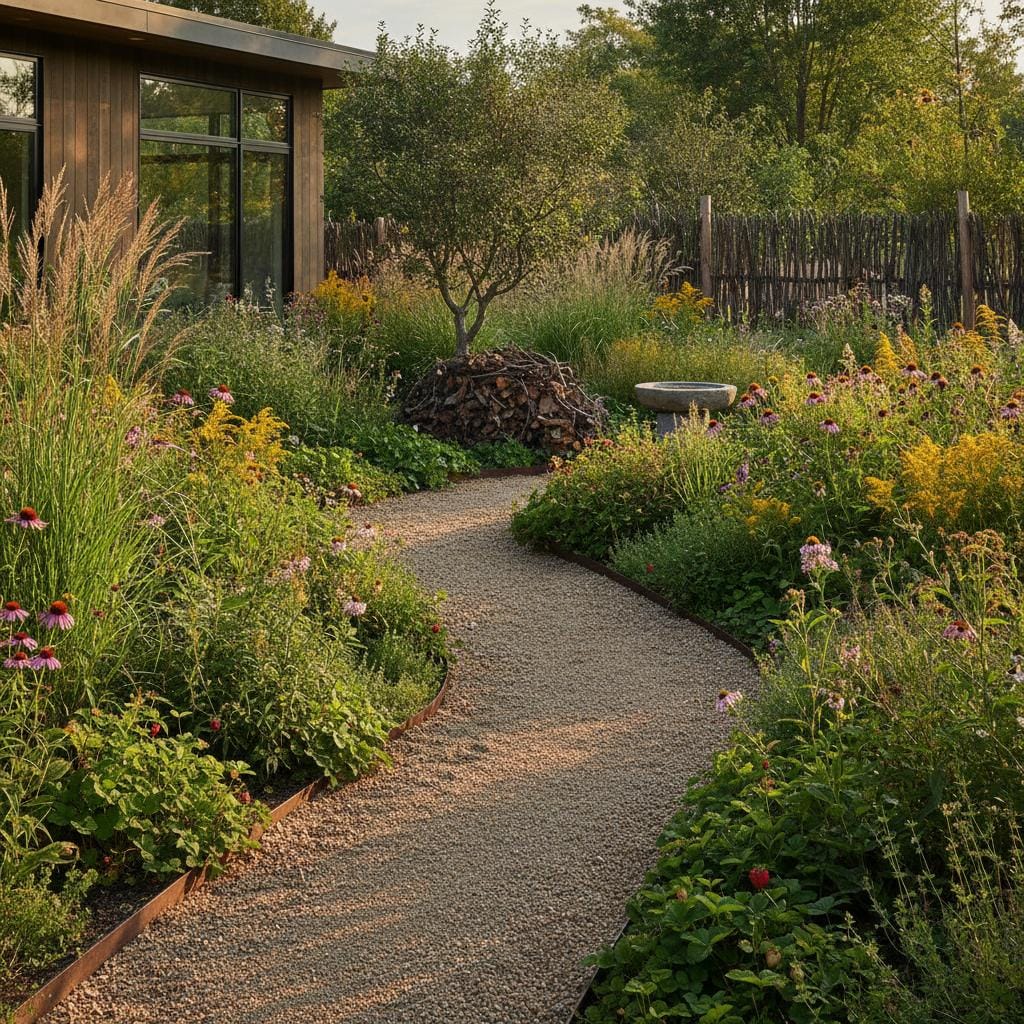
Tailor the meadow to daily use by incorporating defined features like mowed gravel paths two feet wide for strolling or circular clearings for seating. These elements maintain order amid abundance, preventing the space from appearing unkempt.
Use repeating motifs for cohesion, such as grouping echinacea in drifts of five to seven plants amid swaying grasses. Install subtle borders with native shrubs like serviceberry or low stone walls to frame the meadow, blending wildness with cultivated refinement. Adjust scale based on yard size; smaller lots benefit from contained pockets, while larger areas support expansive sweeps.
Nurturing Long-Term Growth
Meadows gain complexity over time, with each year revealing fuller coverage and greater diversity. Initial seeding may yield sparse results, but by year three, robust root networks suppress invasives and stabilize the community.
Address imbalances proactively: divide aggressive spreaders like bee balm in spring to prevent dominance, or introduce underperformers via spot-seeding in fall. Document changes with simple notes or photos to refine future adjustments. This iterative process builds expertise and resilience against challenges like pests or variable weather.
As the meadow matures, neighbors often express interest, sparking community conversations about sustainable landscaping. Your example demonstrates how modest changes yield lasting environmental and personal rewards.
Sustaining the Meadow's Vitality
Commit to annual evaluations to ensure the meadow remains vibrant and balanced. Test soil pH every two years, aiming for 6.0 to 7.0, and amend with compost if nutrients decline. Introduce companion plants periodically to bolster pollinator support, such as adding asters for late-season nectar.
Celebrate milestones like the first monarch sighting on milkweed, reinforcing the value of this living investment. Through consistent, light-touch stewardship, your meadow evolves into a thriving extension of the natural world, enriching both your property and the broader ecosystem.