Meadow Lawns: Effortless Rewilding for Your 2026 Yard
Many homeowners view their lawns as sources of endless labor rather than sources of joy. Tasks such as mowing, watering, and fertilizing consume time and resources. A meadow lawn offers an alternative that introduces vibrant, natural elements while minimizing these demands.
This approach creates a deliberate ecosystem rather than allowing neglect. Native grasses and wildflowers form the core, supporting local wildlife and adapting to regional conditions. With initial preparation, such a landscape requires far less intervention and delivers ongoing rewards.
Assess Your Yard for Optimal Placement
Start by evaluating your outdoor space thoroughly. Track sunlight patterns over a full day to identify full-sun areas, partial shade spots, and deep shadows. Note drainage issues, such as low-lying puddles after rain or dry patches that crack in summer heat.
Consider your preferences for the final design. Envision swaying ornamental grasses like switchgrass for height and movement, or vibrant perennials such as purple coneflower for bold color. These choices influence the overall aesthetic and functionality of the space.
Survey nearby natural areas or neighbors' yards for inspiration. Select plants that thrive locally, including species like Indian grass or wild bergamot. Native options demand less irrigation, resist common pests, and integrate seamlessly with the surrounding environment.
Prepare the Ground and Select Seeds
Determine the scope of your project, from a modest border along a walkway to a full-yard conversion. Begin small if uncertainty exists, allowing gradual expansion as confidence grows.
Clear the existing grass by cutting it to a height of two inches or using a sod cutter for thicker turf. Cover the area with a black plastic tarp for solarization during the warm months, or apply layers of cardboard topped with mulch for sheet mulching. These methods suppress growth without introducing chemicals.
Amend the soil by tilling lightly to a depth of four to six inches and removing large rocks or roots. Test soil pH if possible; most meadow mixes prefer a neutral range of 6.0 to 7.0. Select a pre-mixed seed blend suited to your light conditions, incorporating 60 percent grasses and 40 percent wildflowers for balance.
Recommended varieties include little bluestem for texture, black-eyed Susan for summer blooms, and bee balm for pollinator appeal. Broadcast seeds at a rate of one pound per 1,000 square feet, then rake gently to cover them with a thin layer of soil. Water immediately and maintain even moisture for the first two weeks.
Support Establishment in the First Year
Patience proves essential during the initial growth phase. Roots develop deeply before visible progress appears above ground. Water new seedlings every other day if rainfall is absent, aiming for one inch of moisture per week.
Weeds may emerge alongside desired plants. Hand-pull annual intruders or mow them at three inches to reduce competition, avoiding soil disturbance that could unearth seeds. By the second season, the meadow typically outcompetes invasives as density increases.
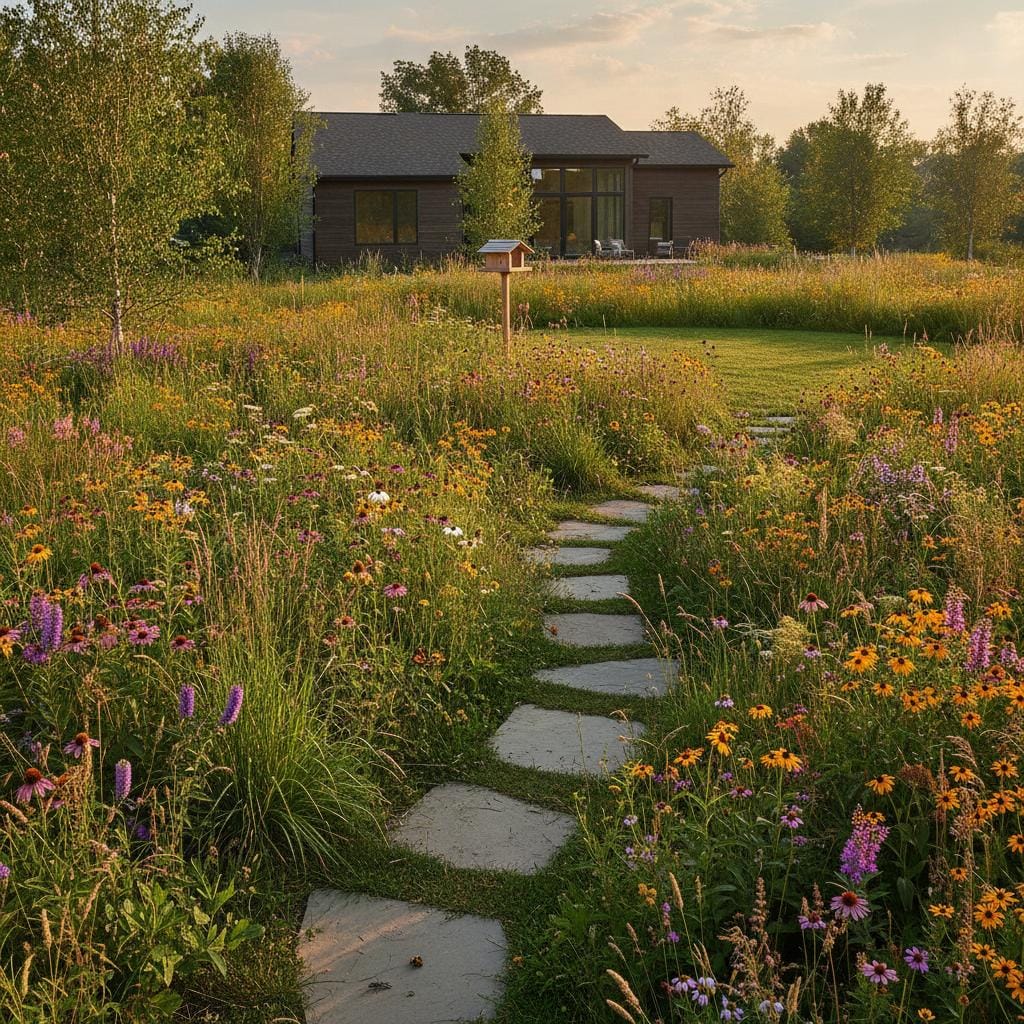
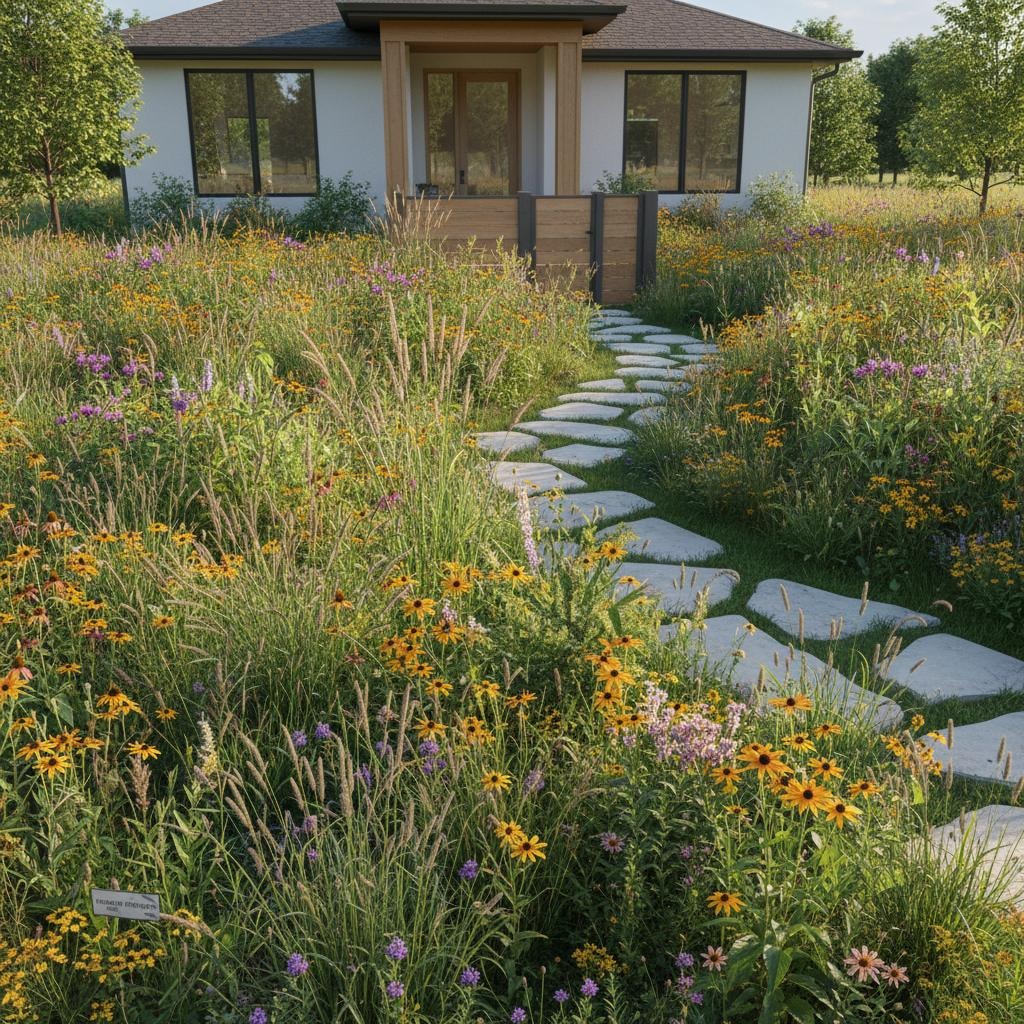
Incorporate pathways early by laying flagstone pavers or wood chips in desired routes. These features prevent trampling of plants and add structure, making the area more navigable and polished.
Maintain with Seasonal Care
Established meadows demand minimal attention compared to traditional lawns. Mow once in late winter to remove dead foliage and again in early spring if woody stems appear. Set the blade height to six inches to encourage healthy regrowth.
Fertilize sparingly, if at all; native plants derive nutrients from decomposing matter. Rake lightly in fall to remove excess thatch, but leave seed heads intact to feed birds and replenish the soil.
Monitor for pests or diseases, addressing issues with targeted, organic solutions like neem oil for aphids. Annual observations ensure the meadow remains diverse and resilient.
Observe Seasonal Evolution
Meadow lawns shift gracefully through the year, offering continuous interest. Spring brings tender green shoots and early blooms from species like shooting star. Summer features peak height and color from coreopsis and ironweed.
Autumn delivers seed pods and golden hues, while winter provides structure through dormant stems that catch frost. This cycle fosters a dynamic space that evolves without constant intervention.
Expand and Refine Over Time
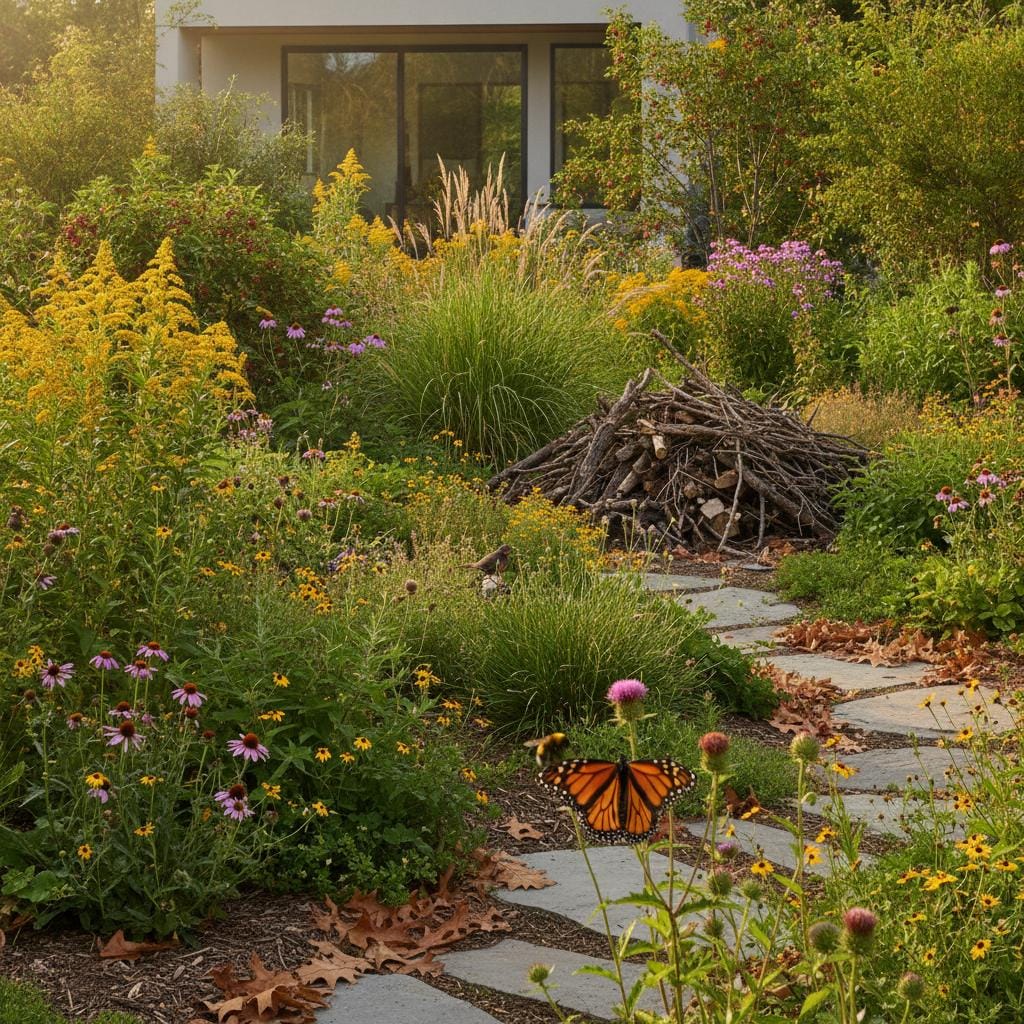
As your meadow matures, assess its performance and make targeted adjustments. Introduce complementary plants, such as milkweed for monarch butterflies, in underperforming spots. Divide established clumps every three years to propagate and refresh coverage.
Document changes with photos to track progress and inform future decisions. This ongoing dialogue with your landscape deepens appreciation and ensures long-term vitality. The result is a yard that sustains itself, enriches biodiversity, and invites relaxation amid nature's quiet abundance.