Embrace Messy Gardens: The 2026 Rewilding Trend
A tidy garden once defined beauty through straight lines, trimmed hedges, and neat mulch layers. Such spaces, however, often lack vitality. Butterflies find few resting spots, bees appear in limited numbers, and the atmosphere remains stagnant. In contrast, a friend's untamed yard revealed a different truth: patchy grass, overlapping plants, and blurred boundaries created a vibrant haven. This observation highlights how messiness fosters genuine garden beauty.
Rewilding represents a growing movement among homeowners. Rather than imposing order on nature, individuals partner with it. This method promotes spontaneity, aids local wildlife, and transforms gardening into a source of enjoyment with minimal effort.
Understanding Rewilding in Gardens
Rewilding does not equate to abandonment. It involves a measured retreat to allow natural processes to operate. Practical steps include permitting native plants to self-seed, retaining fallen leaves as mulch, and allowing lawns to reach moderate heights. The objective is a living space that evolves with seasonal changes.
This gardening philosophy embodies humility. It values imperfection and discovers aesthetics in irregular forms. Consider tall grasses adjacent to clover mounds or paths meandering through self-sown daisies and ferns. The outcome appears authentic, as if the garden shapes itself organically.
Benefits of the Wild Garden Aesthetic
Wild gardens provide an authenticity that formal designs rarely achieve. Texture, motion, and subtle energy define these spaces. Homeowners gain freedom from relentless upkeep while forging deeper ties to regional ecosystems.
Key advantages include the following:
- Reduced maintenance: Established native and adaptive plants require less irrigation and chemical inputs.
- Enhanced biodiversity: A diverse plant palette offers nourishment and habitat for birds, butterflies, bees, and predatory insects.
- Improved resilience: Varied plantings rebound more effectively from dry spells, infestations, and extreme conditions.
- Psychological comfort: Observing unchecked growth provides a sense of stability and reduces the stress of perfection.
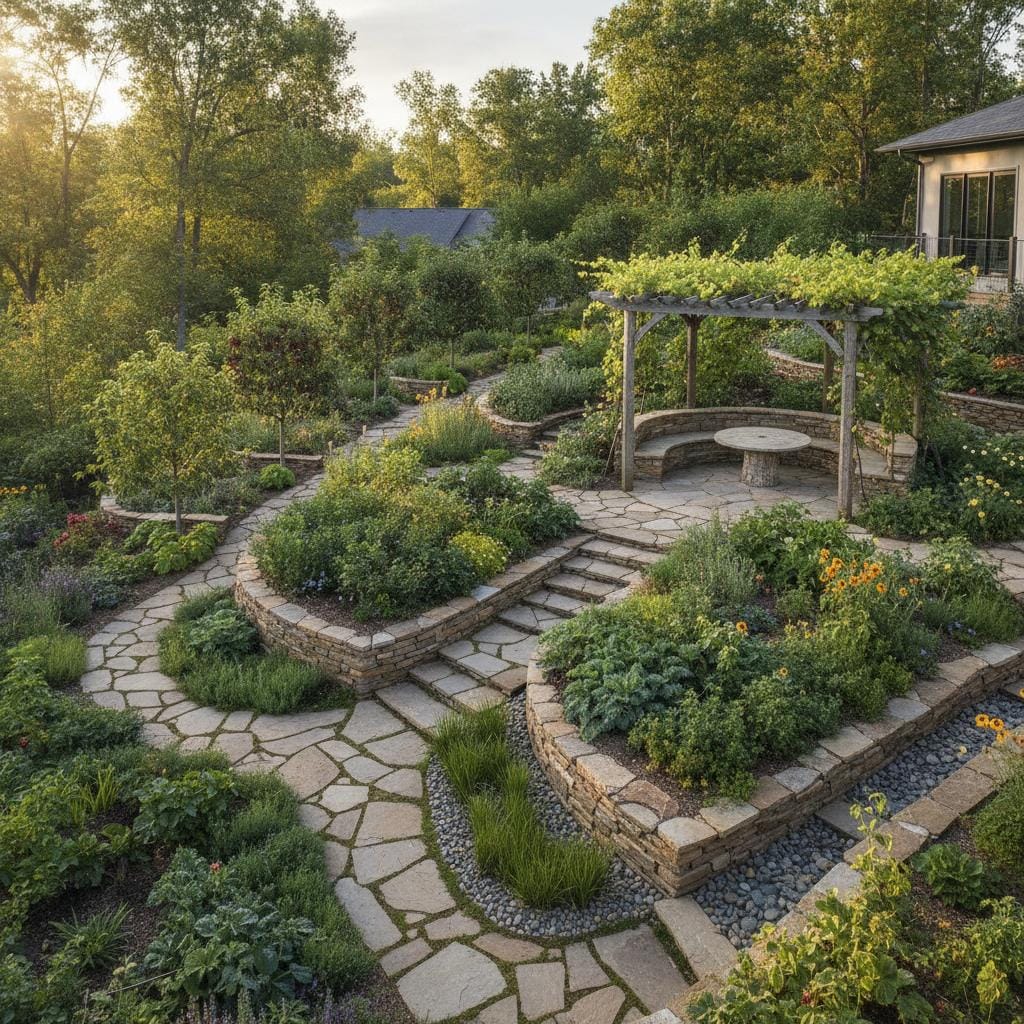
Structure remains possible in wild designs. Balance emerges through elements like pathways, stone edgings, or modest barriers. These features prevent disorder while permitting nature's dominance.
Tailoring Rewilding to Your Space
Wild gardens vary widely in appearance. Options range from soft meadows to structured native shrubberies. Selection hinges on desired ambiance and site specifics.
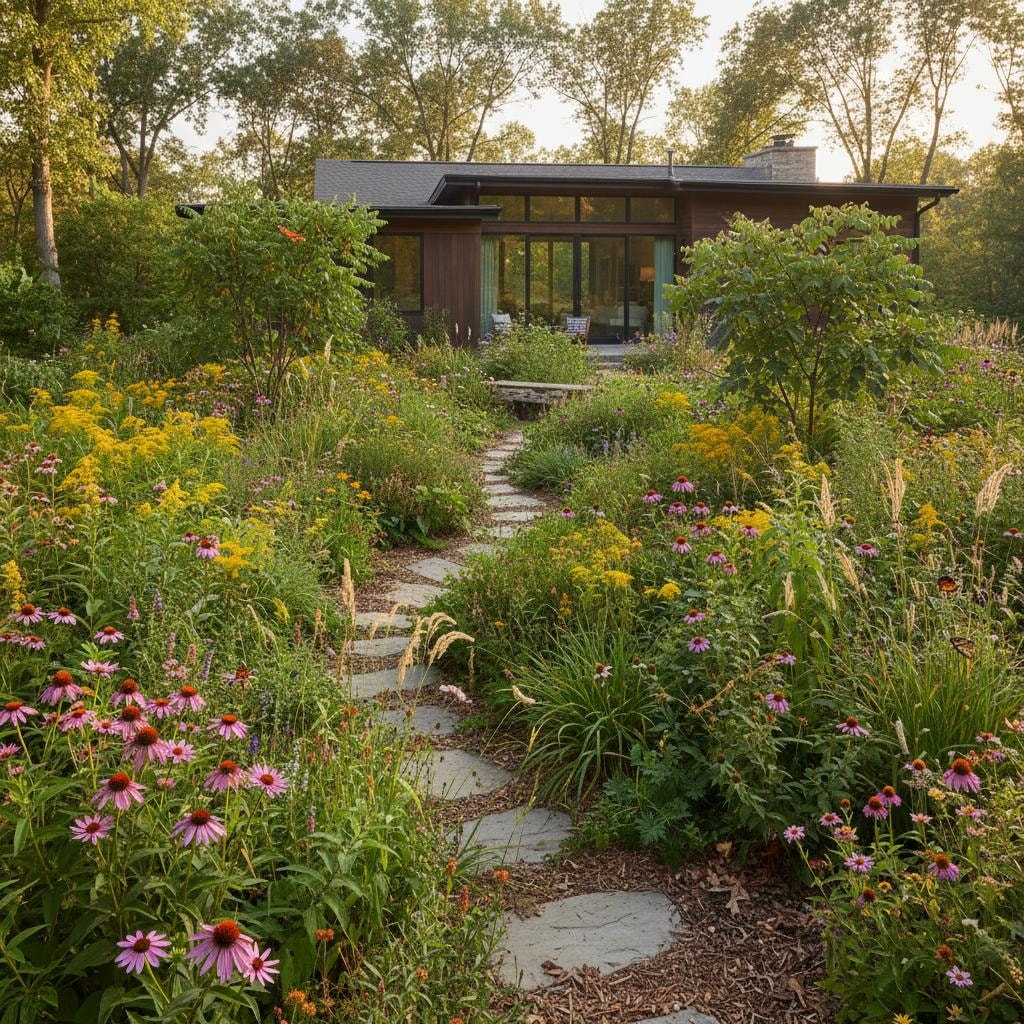
- Meadow-style areas suit sunny, expansive zones. Combine tall grasses with coneflowers and black-eyed Susans for dynamic visuals.
- Woodland settings favor shaded environments. Ferns, hostas, and wild ginger intermingle beneath trees, with leaf litter serving as mulch.
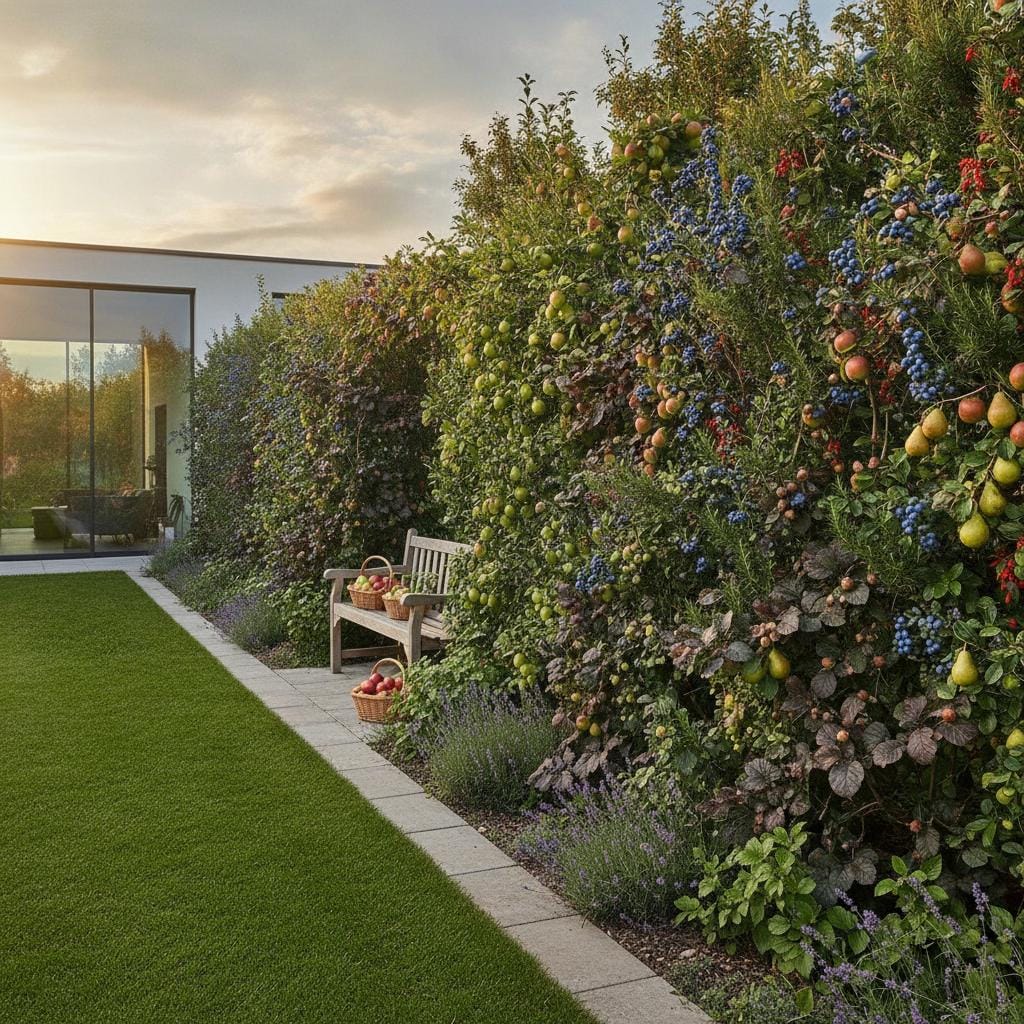
- Cottage-inspired wild gardens feature vibrant perennials, herbs, fruiting shrubs, and vines. Prioritize profusion over precision.
- Pollinator-focused zones emphasize floral diversity and succession. Select plants blooming across seasons to sustain bee and butterfly activity.
All rewilding forms respect ecological patterns. Designs build upon existing site conditions rather than imposed ideals.
Beginning the Rewilding Process
Transitioning from manicured plots demands patience. Initiate with a modest section, such as a yard corner or fence-line border. Permit gradual development without frequent pruning or replacements. Life often reemerges swiftly in liberated areas.
Releasing control requires observation. Many plants labeled as weeds actually benefit ecosystems. Dandelions nourish early-season bees, while clover enriches soil nitrogen and tempers lawn starkness. Discernment grows through watching: identify supportive species versus those requiring intervention.
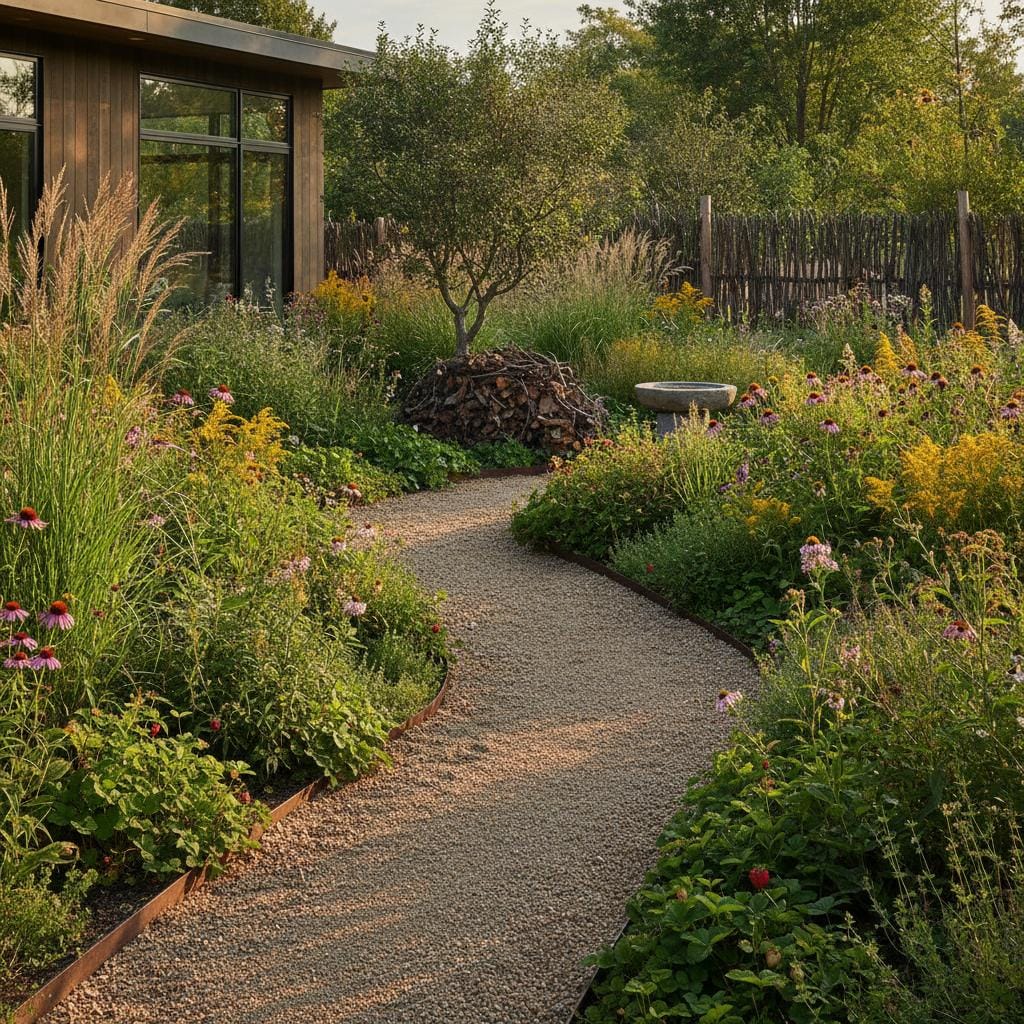
Incorporate simple practices for momentum. Use fallen leaves for mulching instead of disposal. Pile branches in secluded spots to shelter insects and birds. Retain seed heads over winter to provision wildlife. These actions foster self-sufficiency over time.
Creating Cohesive Wild Designs
Guidance enhances even untamed gardens. Repetition builds unity. Recurring plants, colors, shapes, or textures guide the viewer's eye. For example, position liatris spires across beds to unify sections, or replicate wild geranium's rounded foliage in sun and shade.
Pathways impose subtle order. Materials like gravel, bark, or stepping stones encourage traversal while protecting soil. Rock or low-plant edges delineate shifts between wild and cultivated zones. Such divisions frame abundance like artwork borders.
Strategic lighting adds evening dimension. Place subtle fixtures along paths or tree bases to underscore care amid wildness.
Sustaining and Enjoying Your Rewilded Garden
Rewilding evolves as an ongoing dialogue with the landscape. Seasons reveal thriving species, fading ones, and resilient returnees. New avian calls or butterfly arrivals signal success.
Upkeep adopts a deliberate cadence. Dedicate time to strolls, assessments, and minor tweaks rather than routine labor. Delay pruning until late winter to safeguard overwintering insects in stems. Preserve seed heads for winter foraging by finches and sparrows.
This measured approach reshapes perceptions. Gardens invite contemplation over correction. Details emerge vividly: dew glistening on grasses, bee hum in clover, wind rustling seed pods. The result is a profound, effortless harmony with nature.