Edible Front Yards: The Foodscaping Trend Reshaping Residential Landscapes
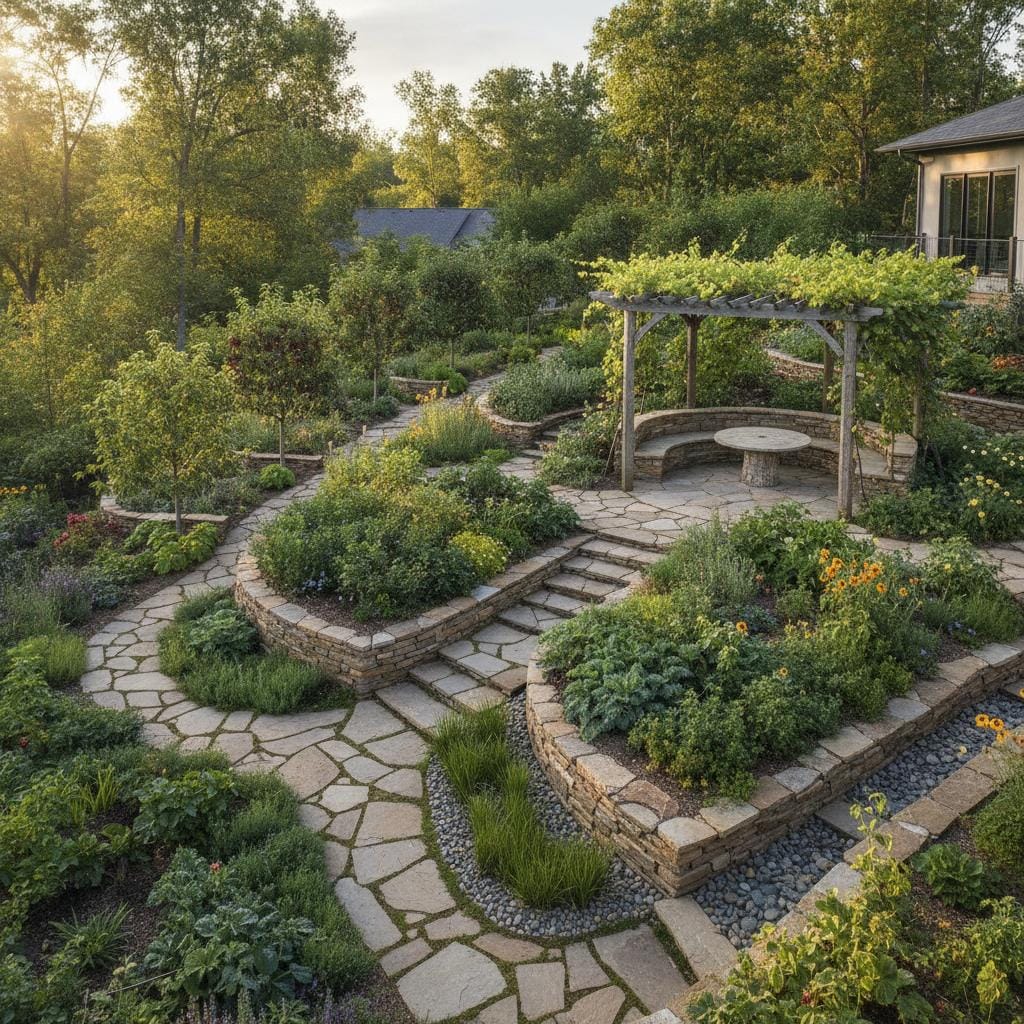
A front yard reflects the values of its inhabitants. Tidy shrubs or uniform turf offer neatness, but they seldom convey deeper meaning. In contrast, a landscape brimming with herbs, vegetables, and fruit trees extends an invitation to engage with nature through sight, scent, and taste.
The concept of edible landscaping, or foodscaping, merges ornamental design with food cultivation. Homeowners increasingly adopt this method to infuse purpose into their outdoor spaces. What began as a niche practice now gains widespread acceptance as a means to unite visual appeal with practical benefits.
Redefining Curb Appeal
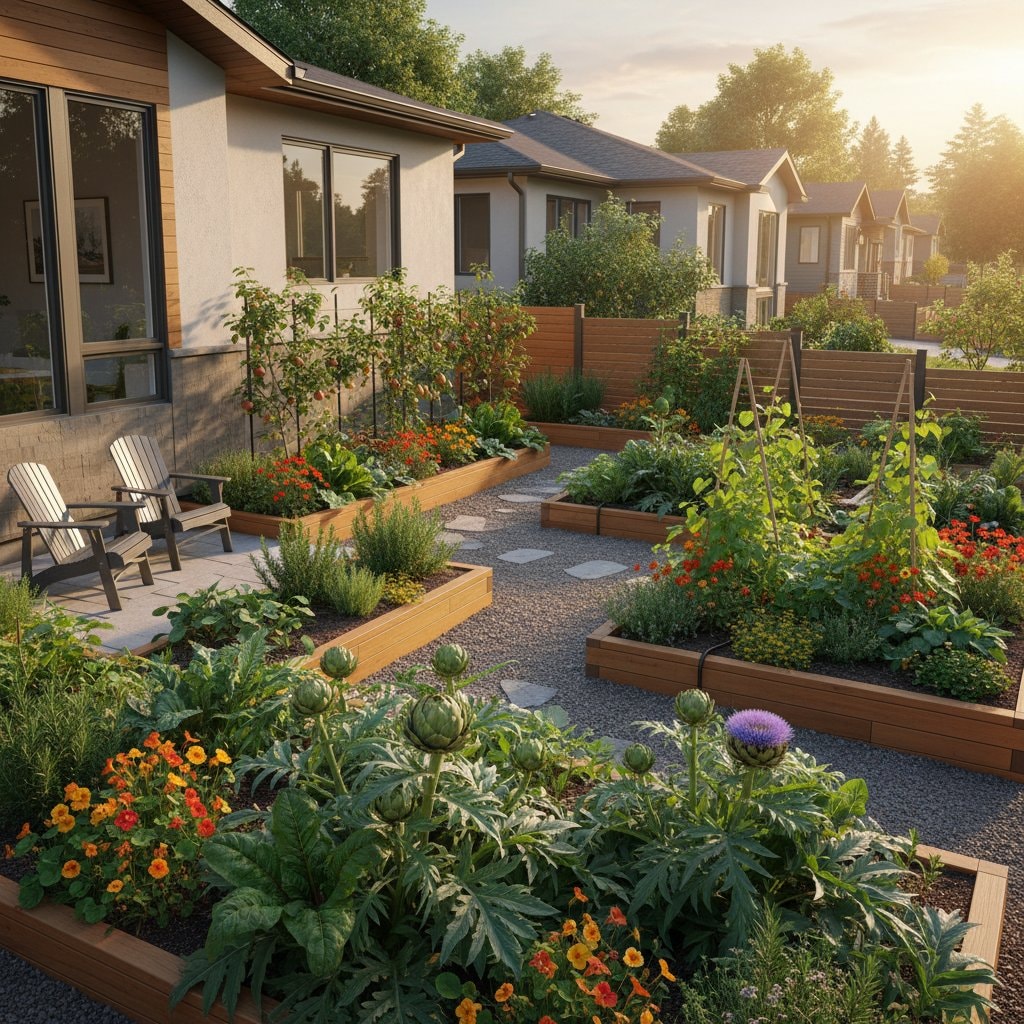
Traditional curb appeal emphasized symmetrical lawns and restrained floral accents. This paradigm shifts as property owners recognize the potential for elegance in productivity. Beds of kale display striking foliage comparable to ornamental grasses, while scarlet runner beans on trellises provide vertical drama akin to climbing roses.
Effective design hinges on intentional plant selection and placement. Consider color contrasts, such as deep green kale against bright red tomatoes, and textures, like the ruffled leaves of lettuce beside smooth herb foliage. Tailor the layout to your home's style, whether through geometric raised beds for modern facades or informal herb clusters for cottage aesthetics.
Embracing Practical Elegance
Practicality draws many to edible landscaping. Lawns demand frequent irrigation, mowing, and fertilization with minimal returns. Substituting turf sections with food plants reduces resource consumption and labor while yielding harvestable produce.
This choice fosters a reconnection with food sources. Basil supplants boxwood hedges, and tomatoes mature along pathways, integrating cultivation into everyday routines. Such gardens transform abstract sustainability into tangible daily experiences.
Steps to Design an Edible Front Yard
Initiate the process by assessing site conditions. Track sunlight patterns, identify drainage areas, and map foot traffic from street to entry. A design aligned with these elements integrates seamlessly into the landscape.
Begin modestly by targeting one or two zones for conversion. This method allows experimentation with plant performance in local soil and weather. Adjust aesthetics iteratively to achieve harmony.
Consider these principles for success:
- Establish anchors with shrubs or compact fruit trees, then layer in herbs, greens, and edible blooms for depth.
- Incorporate vertical variety, pairing tall crops like corn with ground covers such as strawberries.
- Select hues for visual impact, including purple basil, multicolored chard, and crimson lettuce.
- Ensure seasonal continuity by blending perennials with annuals for persistent vitality.
Integrating Ornamentals and Edibles
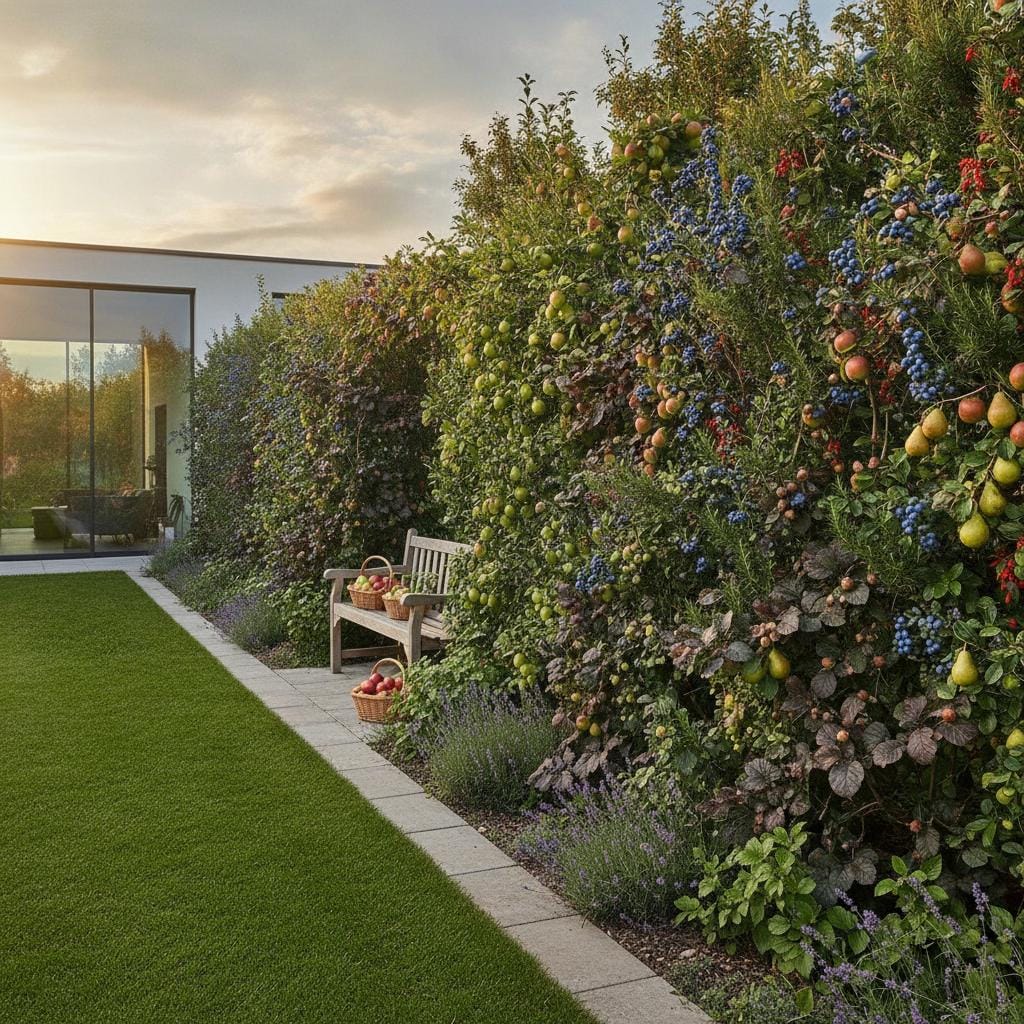
Edible landscaping excels in harmonizing with conventional decorative elements. Blueberry shrubs substitute for boxwoods, offering berries alongside structure. Lavender borders paths, drawing pollinators while providing aromatic harvests.
Nasturtiums cascade over edges, contributing vivid petals and tangy foliage for culinary use. Balance prevents overcrowding; aim for intentional layering that conceals utilitarian aspects.
Practical pairings include:
- Rosemary alongside coreopsis for fragrance and sunny blooms.
- Strawberries under dwarf fruit trees to suppress weeds and retain soil moisture.
- Chives and garlic near roses to repel aphids organically.
- Lettuce interplanted with ornamental kale for contrasting leaf shapes.
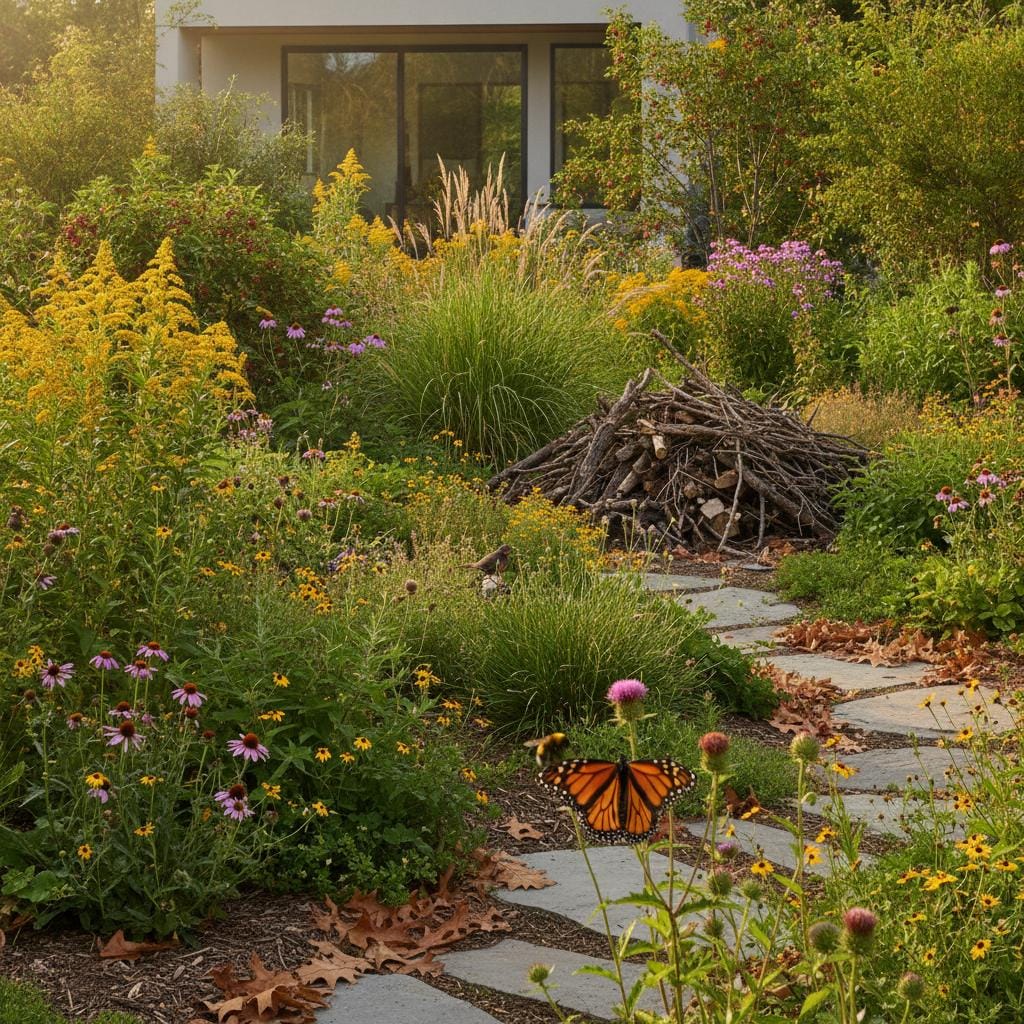
These combinations enhance biodiversity and aesthetic complexity beyond monoculture approaches.
Selecting Suitable Plants
Adapt plant choices to your site's microclimate. Arid, sun-exposed areas suit drought-tolerant options like sage, oregano, and thyme. Shadier spots accommodate greens such as spinach and root crops like carrots.
Align selections with personal preferences. Prioritize salad greens and herbs for fresh meal enthusiasts, or emphasize onions, garlic, and peppers for cooking routines. Gardens that match lifestyles yield the greatest fulfillment.
Key categories encompass:
- Fruit trees and shrubs: compact apples, figs, blueberries, currants.
- Perennial herbs: rosemary, thyme, mint, oregano, chives.
- Annual vegetables: tomatoes, peppers, beans, zucchini, kale.
- Edible flowers: nasturtiums, calendula, violas, borage.
These elements contribute form, aroma, and vibrancy, evolving the yard into a dynamic seasonal tableau.
Enhancing Soil and Promoting Vigorous Growth
Robust soil underpins successful edible landscapes. Former lawn areas often feature dense, depleted earth. Aerate the ground and incorporate compost or well-rotted manure to boost structure, percolation, and nutrients.
Apply mulch layers of straw, bark, or leaf litter to conserve water and curb weeds. As it decomposes, mulch further nourishes the soil. Efficient irrigation via drip lines or soaker hoses targets roots, minimizing waste.
Group plants by hydration requirements to streamline care. Established perennials and herbs demand less frequent attention than turf, promoting long-term efficiency.
Fostering Community Through Edible Yards
Edible front yards extend beyond individual benefits to nurture social bonds. Neighbors pause to inquire about varieties or exchange harvesting tips. Children explore growth processes, sparking interest in botany and nutrition.
Sharing produce instills generosity. Offer cherry tomatoes to passersby or mint sprigs to visitors, creating moments of connection absent in purely decorative settings.
Some install communal baskets near sidewalks for excess yields, reinforcing neighborhood solidarity and the interplay of aesthetics with altruism.
Maintenance Strategies for Sustained Success
Edible gardens necessitate ongoing attention, distinct from lawn upkeep. Prune branches, harvest promptly, and refresh annuals rather than mow expanses. Fertilize organically to sustain a reciprocal ecosystem.
Treat care as an engaging routine. Daily inspections for issues like aphids or overripe fruit maintain health without burden.
Implement these practices:
- Opt for resilient perennials such as rosemary, thyme, or rhubarb as foundational elements.
- Maintain accessible paths for effortless gathering.
- Apply ample mulch to deter weeds and preserve hydration.
- Cycle annual positions yearly to preserve fertility and disrupt pest cycles.
Mature designs often self-regulate, with natural allies like predatory insects contributing to balance.
Evolving Your Edible Landscape
Edible yards thrive on adaptability. As plants mature and preferences shift, refine the composition. Dedicate space to peppers one season, then pivot to herb-focused beds the next.
This evolution strengthens ties to the environment. Witnessing a fig's inaugural crop or pollinators on blooming herbs cultivates stewardship. The space transcends ornamentation to embody an ongoing dialogue with nature.
Spreading the Foodscaping Movement
Adopters of edible yards often inspire others. Acquaintances replicate features in their properties, while local collectives host seed exchanges or group plantings.
This momentum underscores the trend's depth. Edible front yards embody autonomy, innovation, and ecological mindfulness, proving that modest plots can deliver aesthetic and nutritional abundance.
Implementing Your Vision
To launch an edible front yard, observe sunlight distribution and draft a preliminary sketch incorporating circulation, highlights, and rest areas. Introduce forgiving herbs initially, followed by compact edibles and berries.
Gradually incorporate raised structures or expanded plantings as expertise develops. The result emerges as a narrative of intention, where each element enriches a vibrant, productive home facade.