Low-Mow Meadows: A Sustainable Alternative for Modern Yards
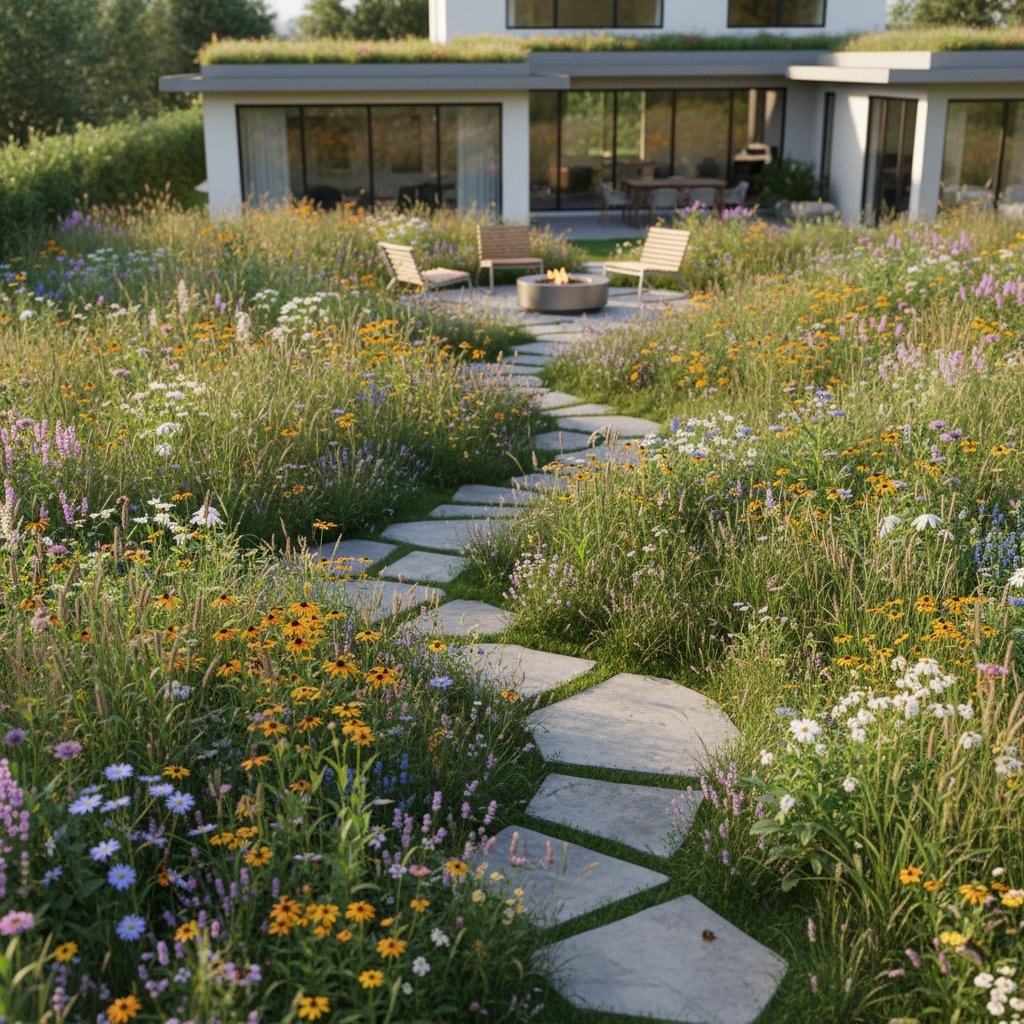
Many homeowners experience frustration with traditional lawns that demand frequent mowing and chemical treatments. These spaces often fail to deliver the lush appearance desired, leading to ongoing disappointment. Low-mow meadows offer a practical solution by introducing diverse grasses and wildflowers that create a dynamic, low-effort landscape.
This approach fosters habitats for pollinators such as bees and butterflies while minimizing labor. Homeowners report significant time savings, with maintenance reduced to occasional trimming rather than weekly tasks. By adopting a meadow, yards gain vitality and ecological value without sacrificing aesthetic appeal.
Selecting Plants and Assessing Your Site
Success with a low-mow meadow starts with site evaluation. Test your soil pH and type through a simple kit or local extension service to identify suitable species. For clay soils, select drought-tolerant options like switchgrass or prairie dropseed; sandy soils benefit from buffalo grass paired with lupines.
Incorporate native wildflowers to ensure compatibility with local climates. Black-eyed Susans thrive in full sun and add yellow blooms from summer to fall, while purple coneflowers attract butterflies and tolerate partial shade. Aim for a seed mix with 60 percent grasses and 40 percent forbs to achieve balanced coverage.
Divide your yard into functional zones during planning. Maintain a 6-inch mowed border around play areas or walkways for accessibility. Allow interior sections to reach 12 to 18 inches in height, promoting natural layering that enhances visual interest.
Establishing Roots in the Initial Year
Prepare the site by removing existing turf through solarization or manual tilling in late fall or early spring. Sow seeds in a grid pattern at the recommended rate, typically 5 to 10 pounds per 1,000 square feet, and lightly rake them into the soil.
Water new plantings consistently to keep the top 2 inches of soil moist for the first four to six weeks. Once established, reduce irrigation to match natural rainfall, promoting deep root systems. Monitor for weeds and hand-pull or spot-treat them early to prevent competition.
Mow the meadow at 4 to 6 inches high one to two times in the first season if desired. This practice suppresses annual weeds and stimulates perennial growth without disrupting the developing ecosystem. By the end of year one, expect 50 to 70 percent coverage as plants settle in.
Integrating Personal Elements for Enhanced Appeal
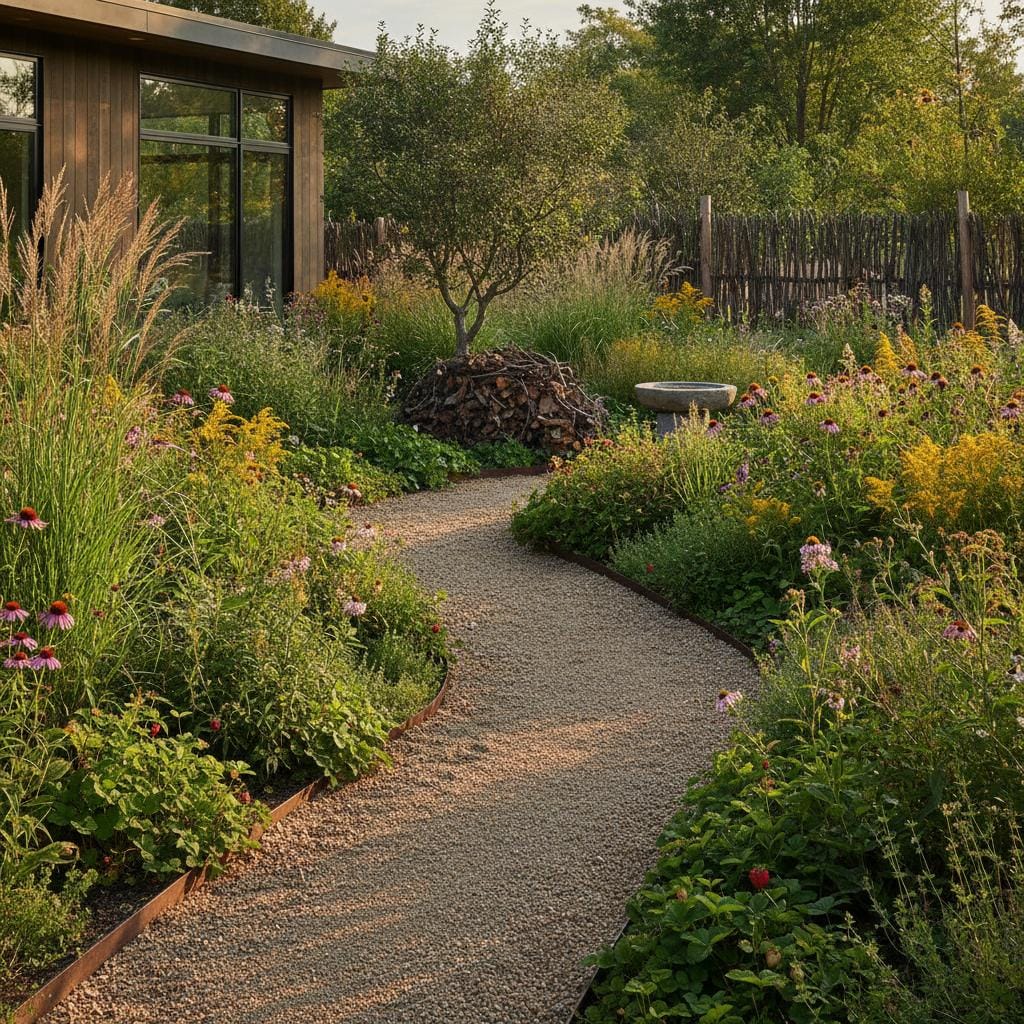
Elevate your meadow beyond basic planting by incorporating functional features. Position a weather-resistant bench in a sunny clearing to observe wildlife activity. Install meandering gravel paths, 2 feet wide, to provide access while preserving plant integrity.
Introduce structural elements like serviceberry shrubs along boundaries for bird cover and seasonal berries. Place a birdbath or shallow basin near flowering zones to support additional species. These additions create focal points that personalize the space and encourage daily interaction.
Consider sensory variety by selecting plants with textured foliage, such as ornamental grasses, alongside fragrant blooms like bee balm. This combination engages sight, sound, and smell, transforming the meadow into a multisensory retreat.
Monitoring and Adjusting Through Seasons
Observe your meadow's evolution to guide ongoing care. Track pollinator visits with a journal, noting peak activity around milkweed or asters. Seasonal shifts reveal strengths, such as spring ephemerals giving way to summer perennials.
If dense patches emerge, mow selectively to 8 inches in midsummer, removing clippings to prevent thatch buildup. Introduce color boosts by broadcasting additional seeds in sparse areas during fall, targeting gaps less than 20 percent of the total space.
Annual tasks include a light raking in late winter to remove debris and a soil test every three years to maintain fertility. These minimal interventions ensure the meadow remains vibrant and self-regulating over time.
Embracing a Collaborative Landscape
Adopting a low-mow meadow shifts the dynamic from domination to partnership with nature. This method aligns with sustainable practices by conserving water—up to 50 percent less than lawns—and eliminating fertilizers. The result is a resilient yard that adapts to environmental changes.
Homeowners discover joy in the meadow's unpredictability, from unexpected reseeding to evolving color palettes. This living canvas rewards patience with reduced stress and increased biodiversity. Through intentional design and light stewardship, your outdoor space becomes a source of ongoing inspiration and ecological harmony.