Gravel Gardens: Effortless 2026 Texture Trends Unveiled
Gravel gardens capture the attention of homeowners seeking stylish landscapes with minimal upkeep. These designs feature gravel or decorative stone as the primary surface, replacing traditional grass or dense plantings. The outcome delivers a sleek, contemporary aesthetic that conserves water, minimizes weeding, and eliminates routine lawn maintenance. For those aiming to revitalize an outdoor area with a trend that balances natural appeal and sophistication, a gravel garden presents an ideal choice.
Why Gravel Gardens Are Growing in Popularity
Gravel gardens align with the rising demand for water-efficient landscaping solutions. Homeowners increasingly seek methods to lower irrigation expenses, and gravel provides a functional alternative that maintains visual warmth. Its permeable surface facilitates rapid drainage, remains comfortable underfoot even in summer heat, and serves as a versatile canvas for plants featuring dramatic forms or vibrant hues. These gardens adapt seamlessly to compact urban plots, expansive rural properties, or any scale in between.
Their appeal extends to effortless maintenance routines. After initial setup, a gravel garden requires only periodic weeding and occasional stone replenishment. Owners avoid the demands of mowing, fertilizing, or annual reseeding. This approach suits individuals desiring a polished yard without dedicating weekends to chores.
Understanding the Look
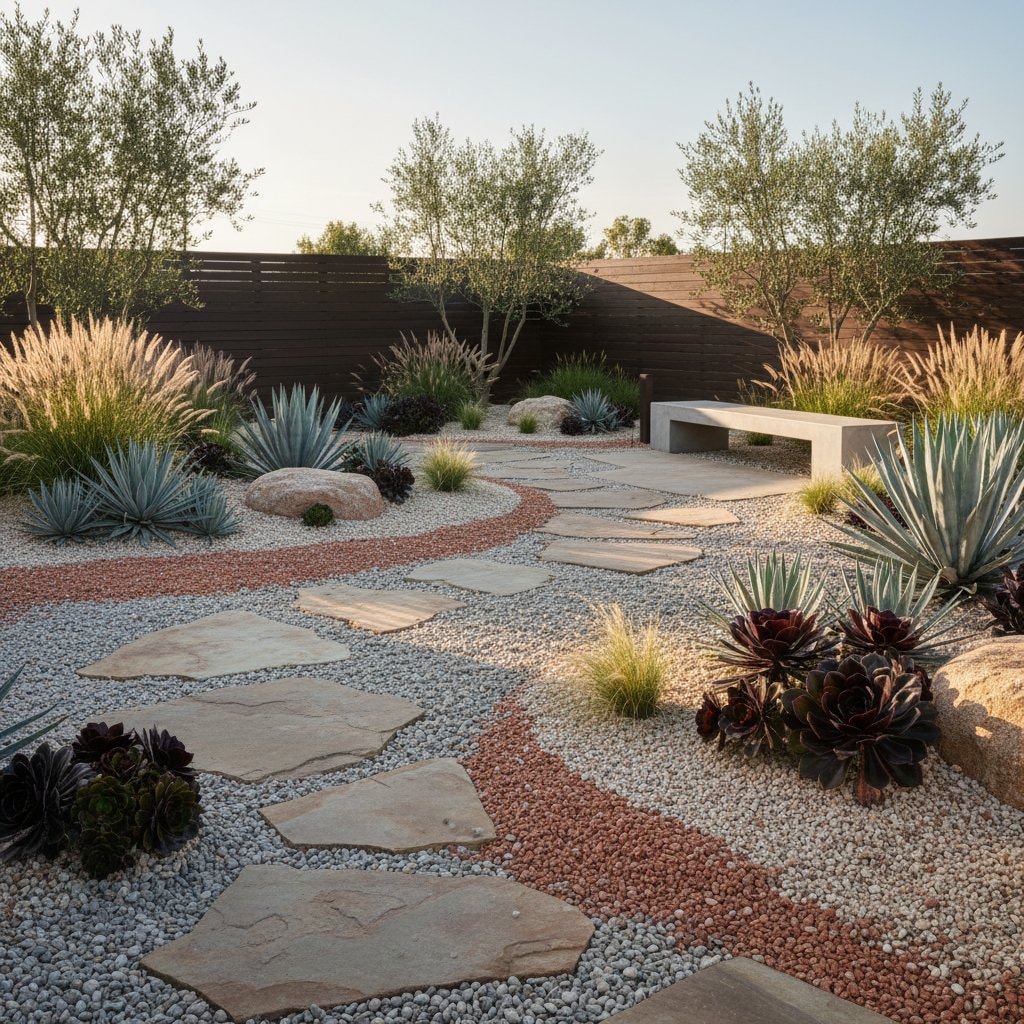
Emerging texture trends in gravel gardens emphasize contrast and layering for visual depth. Designers move beyond uniform stone colors or sizes, opting instead for harmonious material blends that evoke organic landscapes. Consider pairing polished river pebbles with rugged crushed gravel, or light limestone with deep basalt fragments. Such combinations enhance dimension, particularly when paired with architectural plants like agave, yucca, or flowing ornamental grasses.
Neutral palettes dominate, yet subtle shifts toward blush pinks, warm bronzes, and slate charcoals add contemporary flair. These shades complement modern outdoor elements, such as sleek furniture or polished concrete accents. During planning, evaluate how the gravel's tone interacts with surrounding features like home exteriors, fences, or patios to ensure cohesive harmony.
Choosing the Right Materials
Selecting gravel influences both the garden's aesthetic and functionality. Consider these prevalent varieties, each suited to specific applications:
- Crushed granite: Features angular edges that interlock for a firm, walkable base in pathways.
- Pea gravel: Offers rounded, smooth stones perfect for lounging zones or ornamental displays.
- River rock: Provides substantial, weighty pieces ideal for defining borders or focal points.
- Decomposed granite: Delivers a finely textured, packable finish that mimics natural earth in transit areas.
Material costs typically range from one to four dollars per square foot. Factor in delivery fees and labor, which vary by project scope. Professional services, encompassing site prep and boundary installation, generally total eight to fifteen dollars per square foot.
Planning and Installation Steps
Effective gravel gardens rely on thorough preparation to prevent issues like weed intrusion, surface irregularities, or poor drainage. Adhere to these sequential steps for optimal results:
-
Mark the area. Use string lines or a flexible garden hose to delineate boundaries, allowing a clear preview of the layout prior to excavation.
-
Remove existing growth. Eliminate all grass, weeds, and roots using a shovel for small zones or a sod cutter for broader expanses.
-
Improve the soil. Although gravel promotes drainage, integrate compost into the upper soil layer in planting zones to retain essential moisture for vegetation.
-
Lay landscape fabric. Install this weed-suppressing layer to permit water infiltration while blocking unwanted growth.
-
Add edging. Secure metal, stone, or plastic borders to confine the gravel and avoid migration into adjacent turf or walkways.
-
Spread the gravel. Distribute material uniformly to a depth of two to three inches across the surface; increase to three or four inches in high-traffic paths for enhanced stability.
-
Set plants. Select drought-resistant species and position them with adequate spacing to highlight the underlying gravel.
-
Water lightly. Apply a moderate initial watering to establish new plantings and promote root integration.
What to Plant in a Gravel Garden
Ideal plants for gravel gardens flourish in arid, fast-draining conditions. Mediterranean herbs including lavender, rosemary, and thyme excel here, offering fragrance and subtle foliage. Succulents like sedum and echeveria contribute sculptural shapes and tactile interest. Ornamental grasses such as blue fescue or feather grass introduce dynamic sway against the static stones.
For bursts of color, incorporate resilient perennials like yarrow, coneflower, or Russian sage. These selections withstand intense sun and minimal rainfall while blooming reliably. Maintain design unity by selecting a limited palette of complementary species, avoiding an overcrowded mix of disparate forms.
Maintenance and Upkeep
The primary advantage of gravel gardens lies in their undemanding care regimen. Annually rake the surface to redistribute stones and clear accumulated leaves or twigs. Address emerging weeds promptly by hand-pulling to curb proliferation.
Periodically inspect and refresh the gravel layer with a light topping to preserve uniformity and vibrancy. Monitor edging integrity to ensure containment, and prune any overzealous plants to sustain visibility of the stone base. This straightforward protocol keeps the garden pristine across seasons with minimal effort.
Design Trends to Watch
Texture defines the forefront of gravel garden evolution, where fluid plant silhouettes offset coarse stone surfaces for equilibrated appeal. Winding pathways supplant rigid geometries, fostering organic navigation. Varied stone gradations facilitate subtle shifts between functional zones, like transitioning from a seating terrace to a verdant enclave.
Integrated illumination emerges as a key innovation, with low-voltage fixtures or solar-powered units embedded seamlessly into the gravel for unobtrusive nighttime ambiance. Water elements gain traction too, manifesting as compact reservoirs or gurgling accents that infuse auditory and kinetic vitality into the composition.
Bringing Your Gravel Garden to Life
A gravel garden fosters serene, contemporary outdoor environments with enduring ease. Begin modestly, perhaps outlining a gravel-framed border or encircling a patio with a single bed, to test its integration. Observe its performance in water savings and visual impact before scaling to larger areas. Tailor stone selections, vegetation, and spatial arrangements to echo your property's architectural essence, yielding a timeless enhancement.