Living Walls vs Green Roofs: Which Adds More Value
Living walls and green roofs each bring distinct advantages to residential and commercial properties. One delivers striking visual appeal and immediate environmental benefits. The other focuses on long term performance through energy savings and ecological support. Property owners must weigh space constraints, maintenance needs, and primary goals before selecting either option.
Core Features of Living Walls
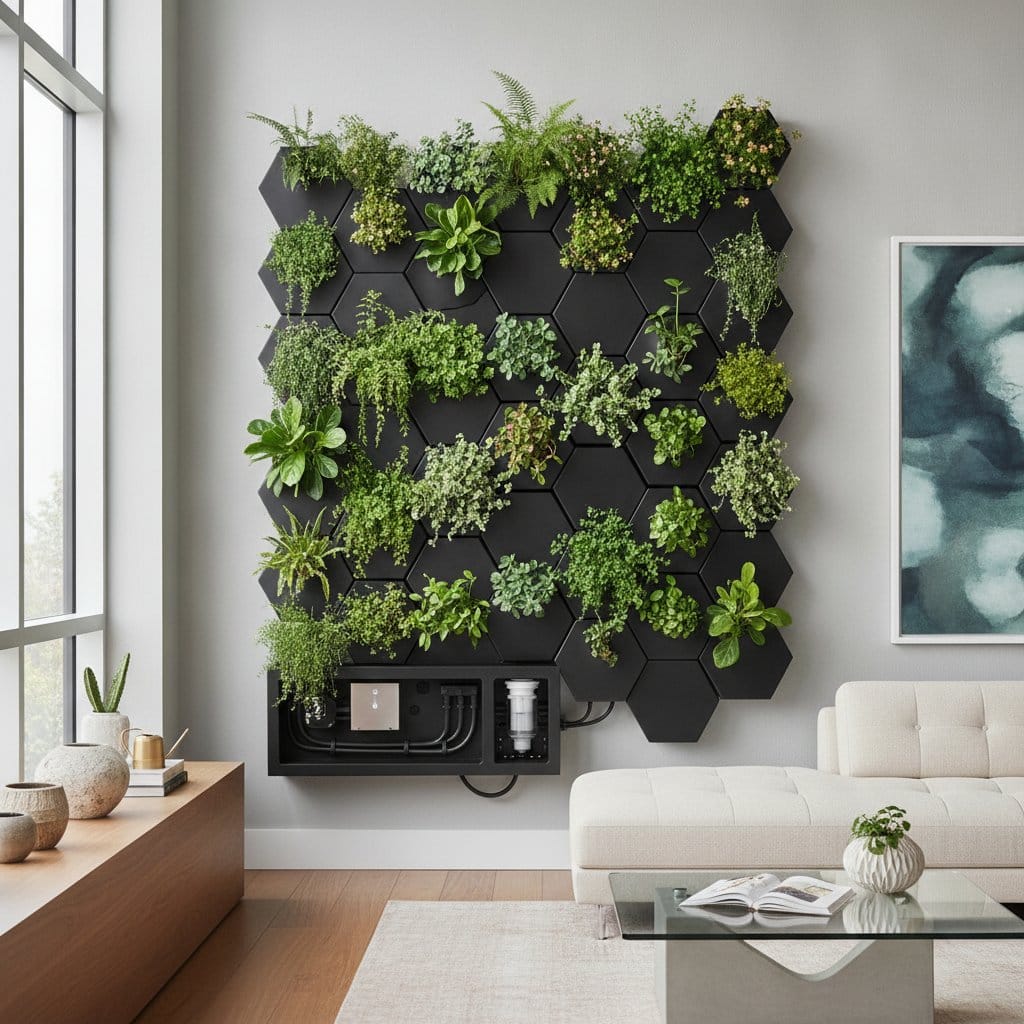
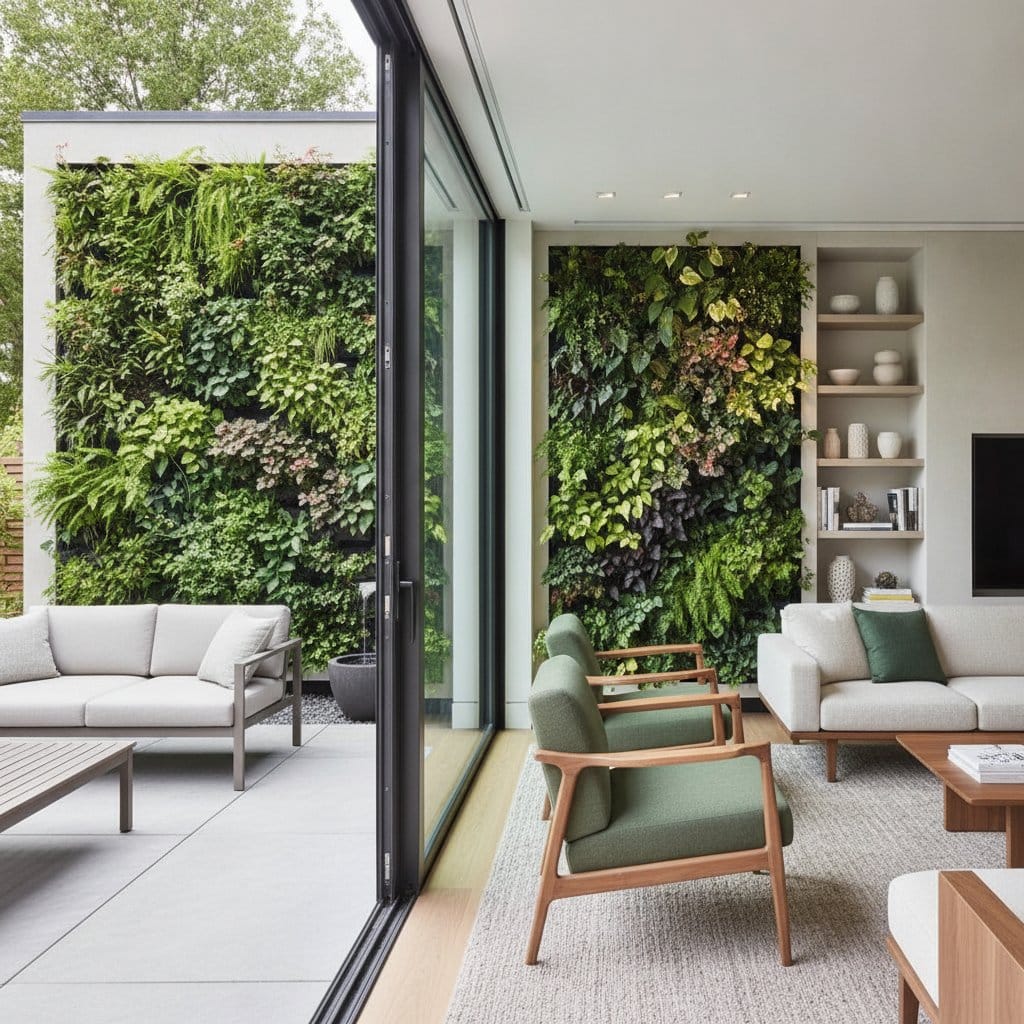
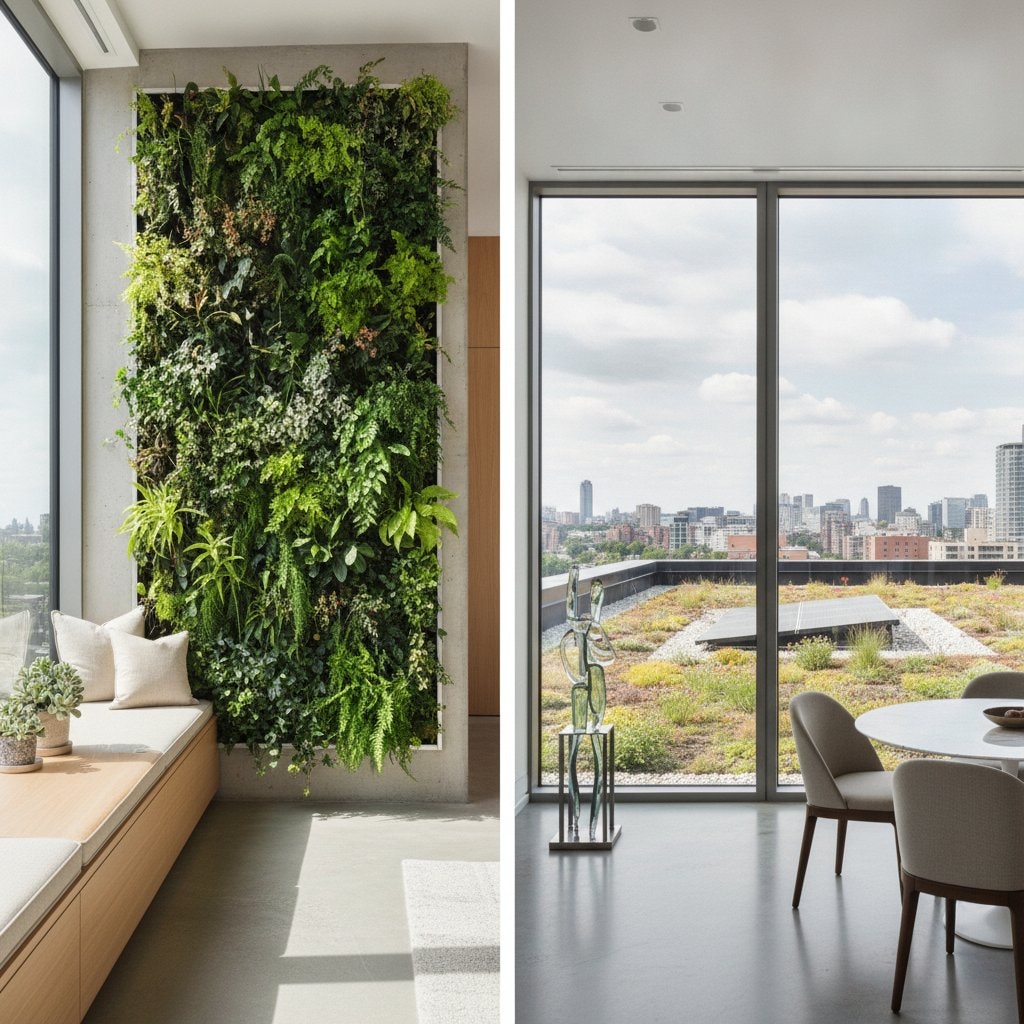
A living wall consists of vertical panels filled with soil or hydroponic systems that support plant growth on building facades. These installations improve air quality by filtering pollutants and releasing oxygen directly at eye level. They also create natural insulation that can moderate indoor temperatures during extreme weather.
Design flexibility stands out as a major strength. Homeowners can arrange plants in patterns that complement architectural styles or highlight specific areas such as entryways and patios. Irrigation systems integrated into most living walls reduce daily watering tasks while ensuring consistent moisture levels.
Core Features of Green Roofs
Green roofs cover flat or low slope surfaces with layers of waterproofing, drainage, soil, and vegetation. They absorb rainfall to reduce stormwater runoff and ease pressure on municipal drainage systems. The added mass and plant cover also lower roof surface temperatures, which decreases cooling loads inside the building.
Biodiversity gains appear over time as green roofs attract pollinators and birds. Extensive systems use shallow soil depths suitable for sedums and grasses, while intensive versions support deeper planting beds for shrubs and small trees. Both types extend roof membrane life by shielding it from ultraviolet exposure and temperature swings.
Direct Comparison of Value Factors
- Visual impact favors living walls because they remain visible from ground level throughout the day.
- Energy performance favors green roofs through consistent roof level insulation and reduced heat gain.
- Maintenance routines differ: living walls require periodic pruning and nutrient checks, while green roofs need seasonal inspections for drainage and plant health.
- Installation costs vary by scale, with living walls often requiring structural reinforcement on existing walls and green roofs needing robust waterproofing upgrades.
Property size and orientation further influence outcomes. South facing walls suit sun loving species in living wall designs. Flat roof areas with good load capacity work best for green roof projects.
Practical Steps for Selection
Assess available surfaces first. Measure wall height and structural capacity for living wall options. Verify roof load ratings and access points for green roof installation. Consult local building codes to confirm permit requirements and any incentives for stormwater management.
Budget planning should include both upfront costs and ongoing care. Factor in irrigation setup for living walls and occasional soil amendments for green roofs. Professional installation teams can provide site specific estimates that account for plant selection and system complexity.
Next Actions for Property Enhancement
Evaluate your primary objective. If daily enjoyment and curb appeal rank highest, prioritize a living wall. If reduced utility bills and ecological contributions matter most, consider a green roof. Many properties combine both approaches on suitable surfaces to maximize overall returns.