Edible Hedges: Combining Privacy, Beauty, and Homegrown Produce
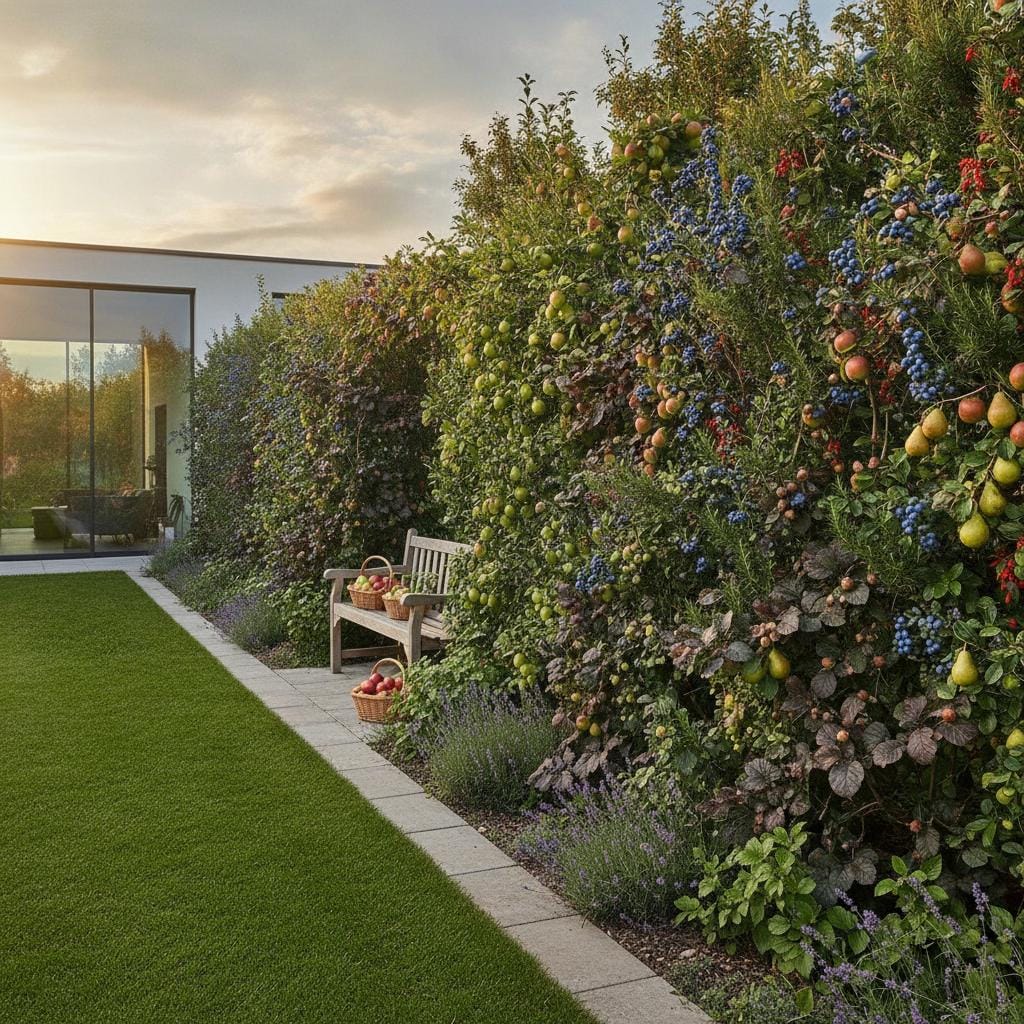
Consider the boundaries of your yard and imagine them alive with foliage that shields views from neighbors or streets while bearing fruit for your table. Traditional fences offer separation but lack vitality and utility. Edible hedges address these limitations by integrating screening with seasonal harvests of berries, nuts, or fruits.
These living barriers function as dynamic ecosystems. They provide dense coverage for privacy, vibrant colors and scents for enjoyment, and edible yields that sustain your household. Select appropriate plant combinations to establish a hedge that attracts pollinators, defines property lines, and delivers ongoing rewards.
This resource outlines the process of developing an edible hedge. It details planning strategies, site preparation, planting procedures, maintenance practices, and design principles to ensure long-term health and productivity.
Assessing Your Site and Defining Objectives
Success begins with a clear vision and thorough evaluation. Determine primary functions such as maximum privacy, abundant harvests, or a blend of both. Decide on the desired form, whether a neatly sheared row or a more organic, flowing arrangement.
Evaluate Dimensions and Conditions
Identify the hedge location and calculate its length. Assess sunlight exposure, as most fruit-bearing species require six hours of direct light daily for optimal production. Note wind patterns and proximity to structures that might cast shade.
Select Appropriate Scale
For substantial screening, opt for upright, thick-growing varieties that reach eight to ten feet. Lower options, such as compact berry bushes, suit garden edges or pathways at three to five feet.
Align Choices with Local Conditions
Conduct a soil test to gauge pH, fertility, and drainage. Incorporate organic matter like compost to improve clay-heavy soils or boost nutrient levels in sandy types. Prioritize plants suited to your USDA hardiness zone to minimize supplemental irrigation and winter protection.
Site Preparation for Optimal Root Development
After selecting species, ready the ground to support vigorous growth. Clear the planting line of existing vegetation, rocks, and turf to eliminate competition. Till the soil to a depth of twelve inches and incorporate two to three inches of compost or aged manure for enhanced structure and fertility.
On sloped terrain, install shallow berms or plant perpendicular to contours to manage water flow and reduce soil loss. Proper spacing prevents overlap as plants expand; position shrubs two to four feet apart based on mature width, and allow five to six feet for small trees.
Account for eventual canopy spread during layout. Consult plant tags or local extension resources for precise dimensions to avoid future thinning or relocation.
Installation and Initial Establishment
Time planting for early spring or fall, when soil temperatures support root activity without extreme heat or frost. Excavate holes twice as wide as the root ball but no deeper than the container depth. Position plants level with the ground surface, then firm soil around roots and saturate thoroughly to settle it.
Apply a two-inch layer of organic mulch, such as bark nuggets or leaf mold, extending to the drip line but avoiding direct trunk contact. This layer conserves water, moderates soil temperature, and inhibits weed emergence. Refresh mulch annually to sustain benefits as it decomposes.
In the establishment phase, maintain even soil moisture equivalent to one inch of weekly rainfall. Perform selective pruning on new growth to promote bushiness, deferring major shaping until the second or third year.
Seasonal Maintenance for Sustained Vitality
Ongoing care ensures resilience and yield. Fruiting hedges demand attention to water, nutrients, structure, and threats throughout the cycle.
Irrigation Practices
Apply water deeply and infrequently to foster deep root systems, targeting the outer edges of the canopy. Established plants endure brief dry spells, yet regular supply during fruit set enhances berry size and flavor.
Nutrient Management
Apply a balanced organic fertilizer, such as fish emulsion or bone meal, at bud break in spring. Test soil every two years to tailor amendments, preventing excess nitrogen that favors foliage over fruit.
Shaping and Renewal
Trim post-fruiting or in late winter to eliminate crossed branches and maintain form. For cane fruits like blackberries, remove spent stems at ground level, retaining four to six vigorous new shoots per plant.
Monitoring for Issues
Conduct weekly inspections for discoloration, spots, or chew marks. Address imbalances with cultural adjustments, like improving air circulation to deter fungal issues. Deploy horticultural oils or release ladybugs to manage aphids and mites naturally.
Integrating Aesthetics and Functionality
Extend beyond utility by curating visual and sensory appeal. Combine evergreens like arborvitae with deciduous fruiters such as serviceberry for year-round interest. Vary textures with fine-leaved currants alongside broader apple leaves.
Incorporate low-growing edibles at the front, including thyme or violets, to draw pollinators and add fragrance. Position harvest-friendly access points, such as gaps for picking, and integrate features like arbors over paths to frame views.
Layer bloom sequences: early cherries followed by mid-season raspberries and late plums. This approach sustains color and activity, creating a hedge that evolves with the seasons.
Harvesting Rewards and Long-Term Adaptation
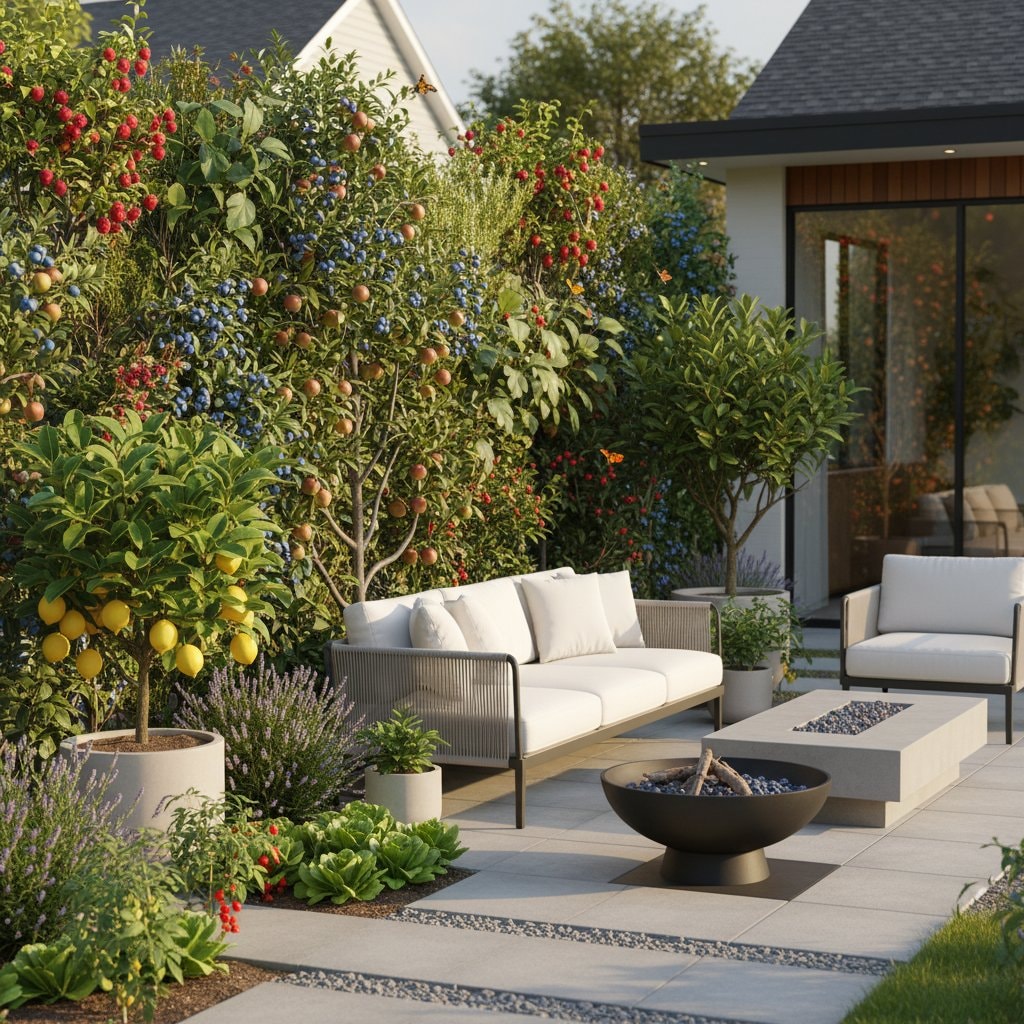
Observe how your hedge reshapes the yard over time. Dense growth muffles external noise, while foliage filters light for serene enclaves. Wildlife integration brings energy, from hummingbirds at flowers to squirrels caching nuts.
Collection periods punctuate the routine with abundance. Sample sun-warmed raspberries on strolls or process apples into preserves. These moments reinforce the hedge's role as a productive extension of your home.
Sustain progress through routine checks. Adjust for shifting light by relocating underperformers. As the hedge fills in, it reflects your stewardship, yielding denser screens and richer harvests annually.
Advancing Your Edible Landscape
An edible hedge merges enclosure with cultivation, yielding privacy alongside nourishment. Initial planning and effort establish a foundation for enduring benefits, from enhanced biodiversity to self-sufficiency.
Begin modestly with a ten-foot segment of blueberries or gooseberries to test compatibility. Expand as confidence grows, integrating the hedge into broader garden designs for cohesive impact.
This living feature evolves alongside your space, offering continual opportunities to refine and enjoy its contributions.