Why Edible Front Yards Are the 2026 Gardening Trend
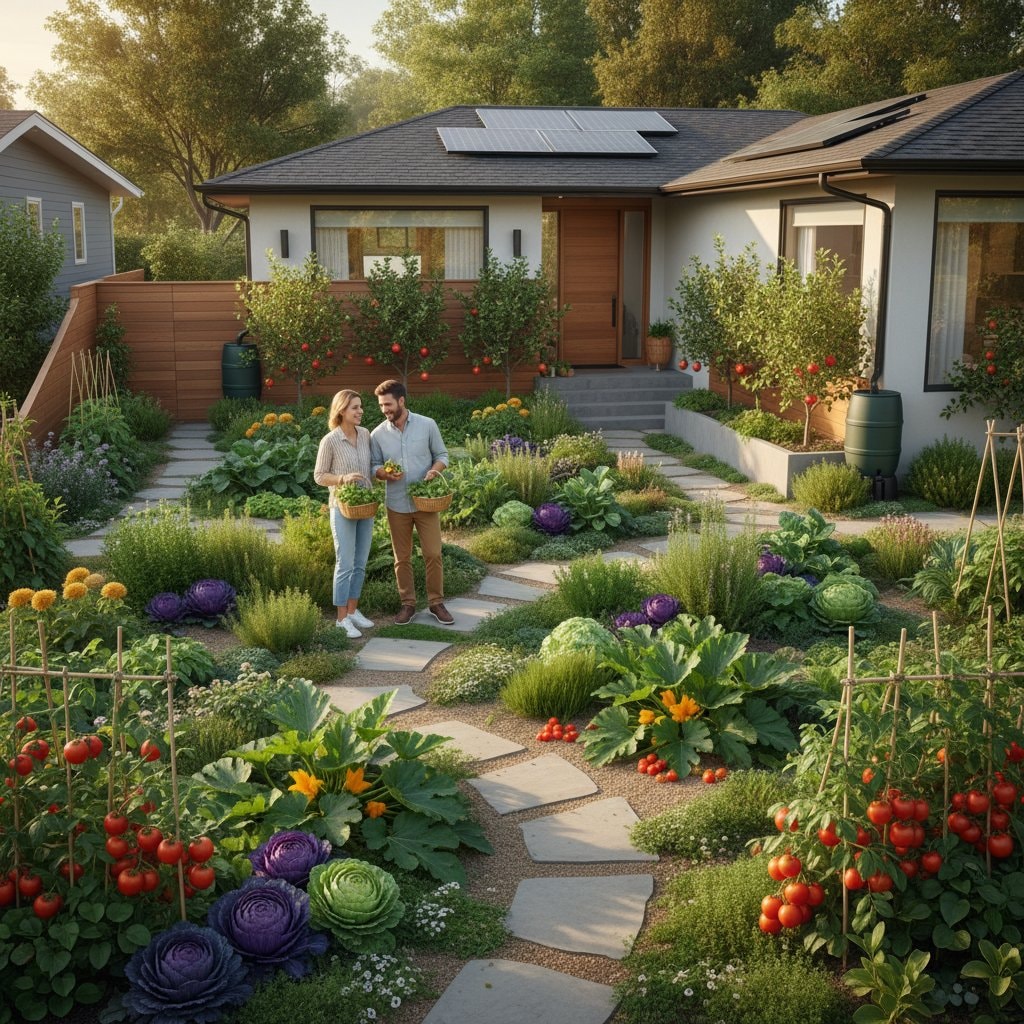
Homeowners increasingly seek landscapes that serve multiple purposes. Edible front yards combine aesthetic appeal with practical benefits, such as providing fresh produce and conserving resources. This shift moves away from water-intensive lawns toward gardens that support self-sufficiency and environmental health.
Traditional lawns demand significant maintenance, including mowing, fertilizing, and watering. In contrast, edible yards lower these costs while offering nutritional rewards. Experts predict widespread adoption by 2026 as communities embrace sustainable living.
Initial Costs and Budgeting Strategies
Establishing an edible front yard requires upfront investment, but long-term savings offset initial expenses. Focus on essential elements to build a foundation for success.
Quality soil forms the base of any productive garden. Invest in bulk compost or topsoil if your existing ground needs amendment; this step ensures robust plant growth and higher yields.
Select plants and seeds based on your experience level. Starter plants simplify the process for novices, delivering quicker results, while seeds provide economical options for future expansions.
Incorporate edging and mulch to organize beds and suppress weeds. These features minimize ongoing labor and enhance visual structure.
Install a drip irrigation system to optimize water delivery. Such setups reduce evaporation and target roots directly, promoting efficiency in arid or busy households.
Consider hiring a landscape designer for customized plans. Professionals bill hourly or per project, tailoring designs to your space and climate.
For limited budgets, begin modestly. Convert one existing flower bed into a herb or greens patch, then scale up seasonally as skills develop.
Design Styles for Every Home
Adapt your edible front yard to complement your property's architecture. Thoughtful plant choices and layouts create harmony between form and function.
Modern Minimalist Approach
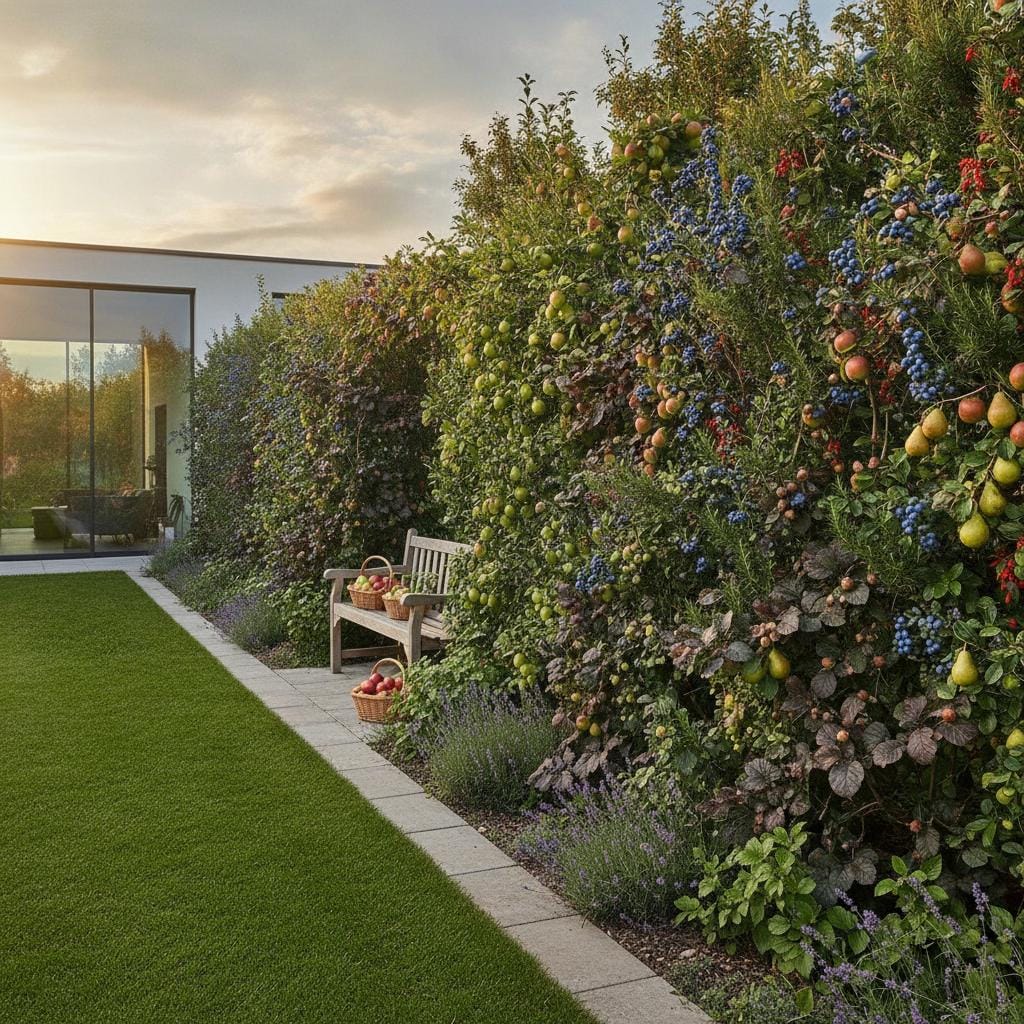
Emphasize simplicity with straight lines and precise shapes. Opt for raised geometric beds filled with repeating varieties like rainbow chard, Thai basil, and espaliered dwarf apples.
This style suits contemporary homes with its restrained palette. Limit selections to three or four species to maintain a polished appearance while ensuring productivity.
Cottage Garden Charm
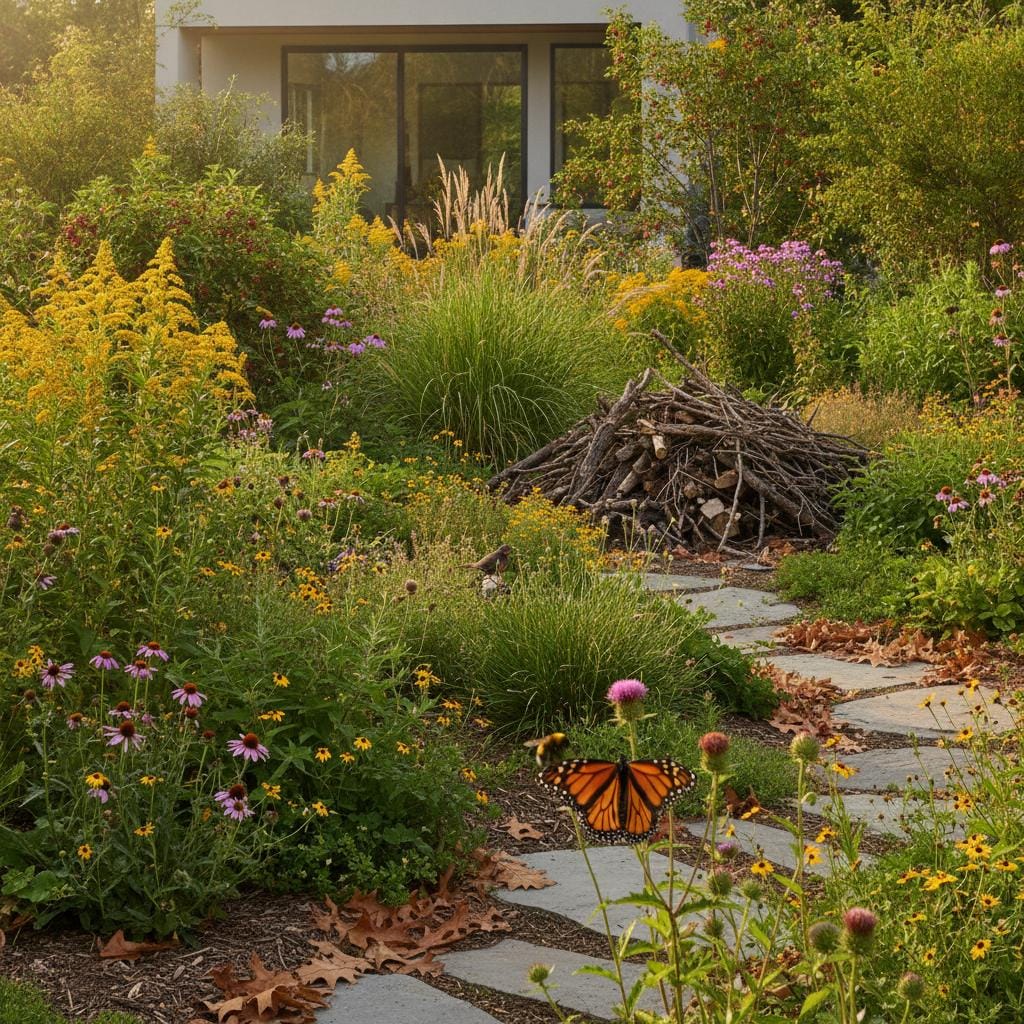
Create an abundant, informal vibe by interplanting edibles with ornamentals. Pair beefsteak tomatoes with nasturtiums, alpine strawberries with lavender, and curly kale with cosmos for layered texture.
Winding gravel paths and soft borders enhance the whimsical feel. This design thrives in relaxed settings, inviting pollinators and extending bloom periods.
Mediterranean Influence
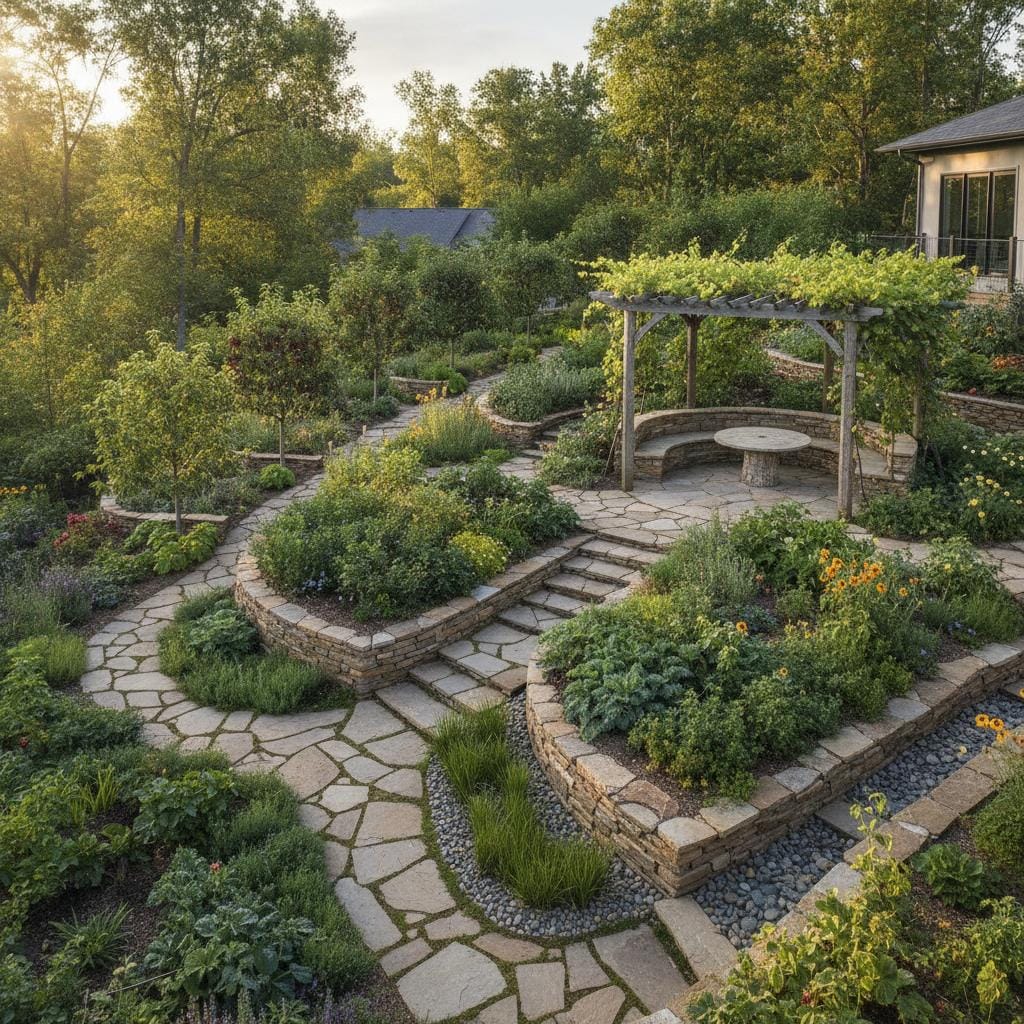
Prioritize resilient, water-wise plants for sunny exposures. Line stone paths with lavender, thyme, and lemon verbena, accented by potted citrus or bay laurel for vertical drama.
Terracotta elements add warmth and authenticity. This style excels in dry climates, requiring minimal irrigation once established.
Structured Traditional Layout
Maintain formality to align with community standards. Arrange boxwood-like hedges of currant bushes symmetrically around central dwarf pears or cherries.
Incorporate edibles discreetly within borders, such as chives along walkways or mesclun mixes in urns. This method preserves neatness while introducing subtle productivity.
Year-Round Seasonal Planning
Synchronize planting with local weather patterns to maximize output. A well-planned rotation sustains vitality across months.
In spring, sow cool-season crops like spinach, snap peas, and cilantro. Apply fresh compost and mulch to prepare beds for vigorous growth.
During summer, maintain consistent moisture and frequent harvests to encourage production. Introduce sunflowers or borage to attract bees and add vibrant accents.
Fall brings opportunities for brassicas and tubers such as beets or garlic. Sow cover crops like clover to naturally replenish nutrients.
Winter demands protection in cooler zones; use heavy mulch or hoop houses over kale and leeks. Warmer regions support ongoing cultivation of arugula and parsley.
Rotate plant families annually to disrupt pest cycles. This practice bolsters soil health and diversifies your harvest.
Common Challenges and Solutions
Anticipate obstacles to refine your approach. Proactive measures turn potential setbacks into manageable aspects.
-
Limited Space Constraints. Compact areas suit vertical growers like pole beans or stacked pots of microgreens. Prioritize multi-use plants to optimize every square foot.
-
Pest and Animal Interference. Install 2-foot chicken wire fences or deploy garlic sprays against intruders. Netting safeguards berries from birds without altering aesthetics.
-
Community Perceptions. Demonstrate tidiness through regular pruning and defined edges. Share produce with neighbors to foster appreciation for the concept.
-
Ongoing Time Requirements. Dedicate 15 minutes daily to monitoring and light tasks. Automate watering and use perennials to cut future effort.
Steps to Launch Your Edible Front Yard
Ease into the project by targeting a single zone, such as a strip along the driveway. Test soil pH and sunlight exposure to select compatible varieties.
Document progress in a journal, noting successes with items like cherry tomatoes in full sun. Adjust based on observations for refined future plantings.
Engage specialists in permaculture or food forests for expert guidance. They assess site specifics, recommending natives that thrive locally.
Benefits That Extend Beyond the Garden
An edible front yard enriches daily life through sensory delights and practical gains. Fresh basil scents the air, while ripe figs offer instant gratification.
This landscape fosters mindfulness, syncing routines with nature's cycles. It reduces grocery reliance and contributes to ecological balance, creating a legacy of abundance for your home.