Edible Front Yards: The Rise of Productive Landscapes in 2026
Watching plants fulfill multiple roles brings a profound sense of fulfillment. Lavender releases its scent and attracts bees. Rosemary outlines pathways and seasons meals. This concept now extends to front yards, where homeowners envision spaces that beautify and sustain.
Edible landscaping shifts from niche practice to widespread adoption. It reimagines yards as integrated systems of decoration and nutrition. Fruit trees, berry bushes, and vegetable plots coexist with traditional elements, harmonizing visual charm with culinary output.
Why Edible Landscapes Captivate Homeowners
Practical benefits drive initial interest. Homegrown produce delivers superior flavor and reduces grocery expenses. Beyond utility, emotional gains emerge. Harvesting from an elegant bed instills pride and restores connections to natural cycles.
These designs reshape perceptions of outdoor spaces. Front yards evolve from mere maintenance zones into nurturing hubs. Neighbors inquire about innovative features like pea trellises or trained apple trees. Families gain hands-on lessons in food origins, while the yard supports diverse wildlife.
Integrating Aesthetics and Utility in Design
Effective edible landscapes follow core gardening principles: structure, repetition, texture, and color. The distinction appears in plant selection and placement.
Pure vegetable plots risk appearing unkempt. Blend edibles with ornamentals for cohesion. Consider these strategies:
- Position herbs like chives, thyme, or oregano along edges for tidy borders that offer aroma and taste.
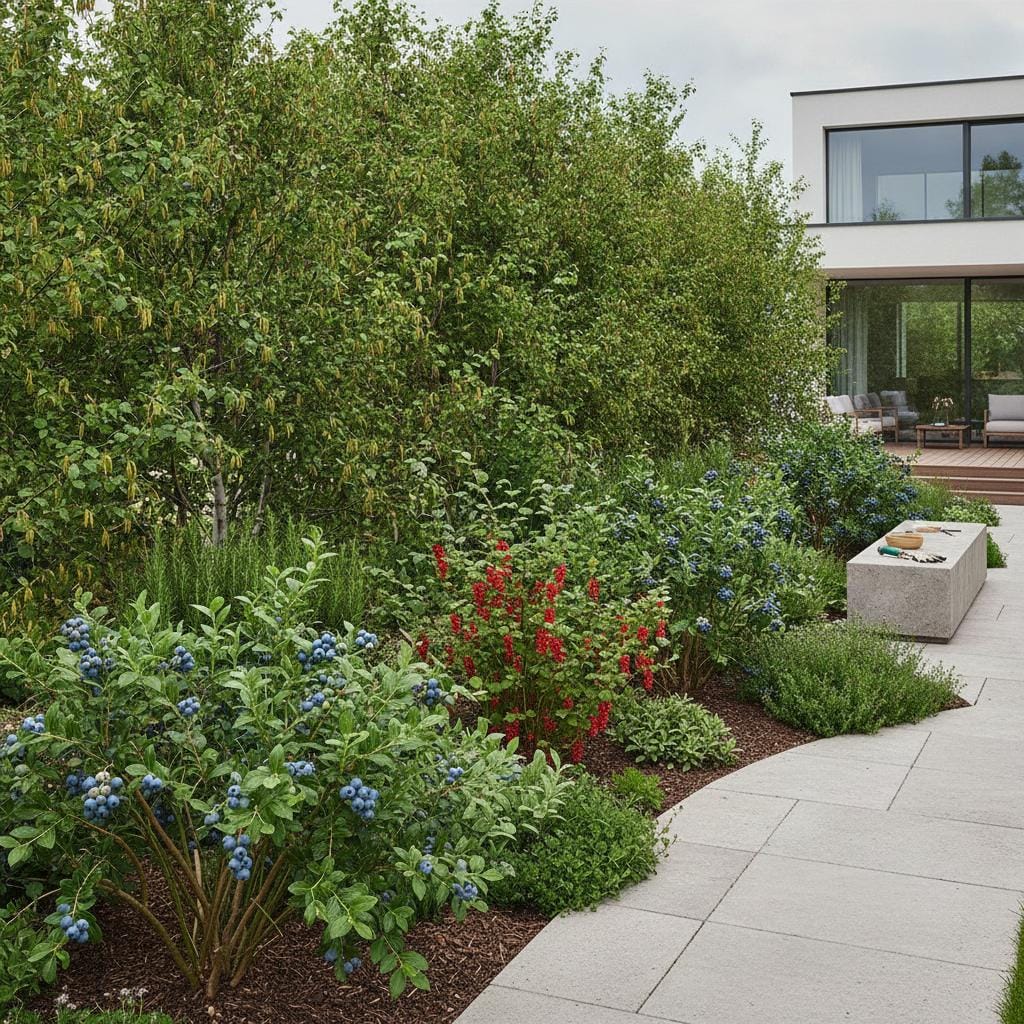
- Substitute ornamental shrubs with productive ones, such as blueberries for spring blooms and summer berries, or dwarf pomegranates for striking fall color.
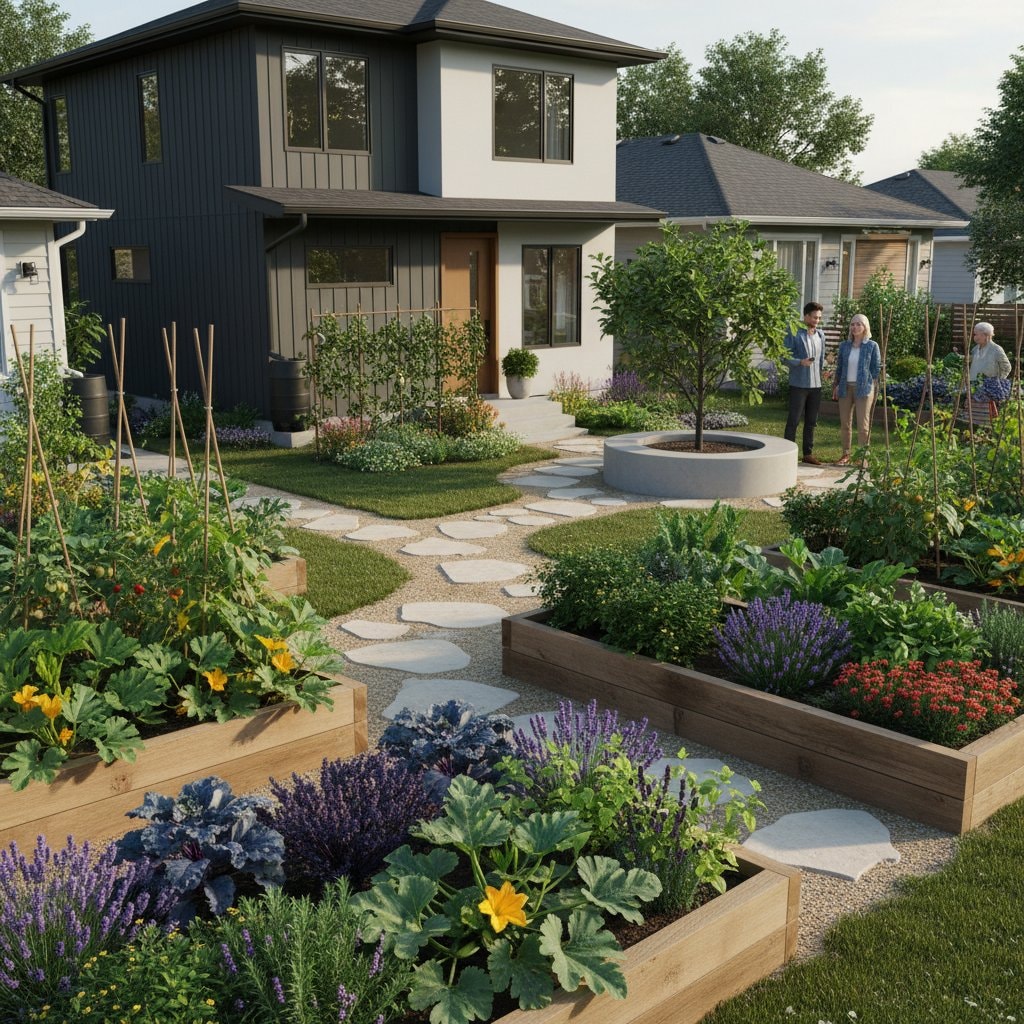
- Install vertical structures like arbors supporting grapevines or climbing beans to maximize space and guide sightlines.
- Combine leaf textures, pairing squash's broad leaves with carrot tops or dill's delicate fronds.
- Select vibrant edibles including rainbow chard, purple basil, or red romaine lettuce to match floral displays.
Intentional arrangements elevate the edible focus, yielding polished rather than haphazard results.
Steps to Plan an Effective Edible Yard
Observation forms the foundation. Track sunlight patterns, shade coverage, drainage areas, and dry spots. Align plant choices with these site specifics.
Begin modestly. Establish one or two focused beds to test suitability and refine techniques. This method minimizes effort while building expertise for future growth.
Incorporate lasting and temporary elements. Perennials like fruit trees or asparagus provide stability. Annuals such as lettuce or tomatoes introduce seasonal variety. This layering ensures ongoing interest.
Facilitate maintenance with thoughtful layout. Design paths for straightforward access to crops. Position taller plants away from sightlines or entry points. Apply thick mulch to suppress weeds and conserve water. Define borders to maintain order and signal purpose.
Transitioning from Turf to Productive Ground
Converting lawns requires mindset adjustment. Traditional grass emphasizes uniformity; edible gardens embrace variety and evolution. Balance emerges through hybrid approaches.
Retain a grass section as a central feature, surrounded by edible borders, to preserve familiarity. Opt for ground covers like creeping thyme or strawberries to replace turf, adding scent or yield without sacrificing openness.
For structured appeal, employ raised beds to delineate zones and simplify care. Enclose them with materials like brick or stone to complement home architecture and convey durability.
Broader Impacts on Community and Environment
Edible yards extend influence beyond property lines. Visible successes spark neighbor interest, evolving doubt into dialogue. Exchanges over fences lead to shared resources, fortifying local bonds.
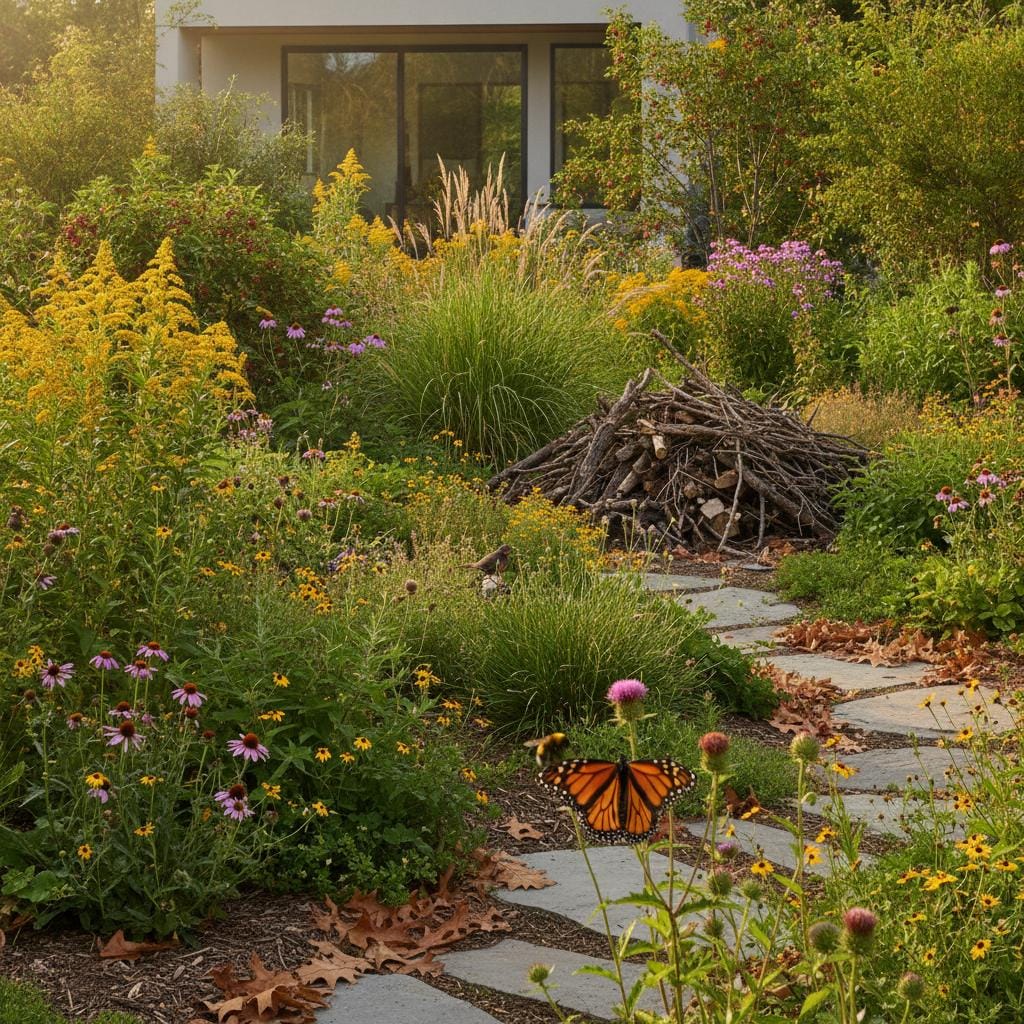
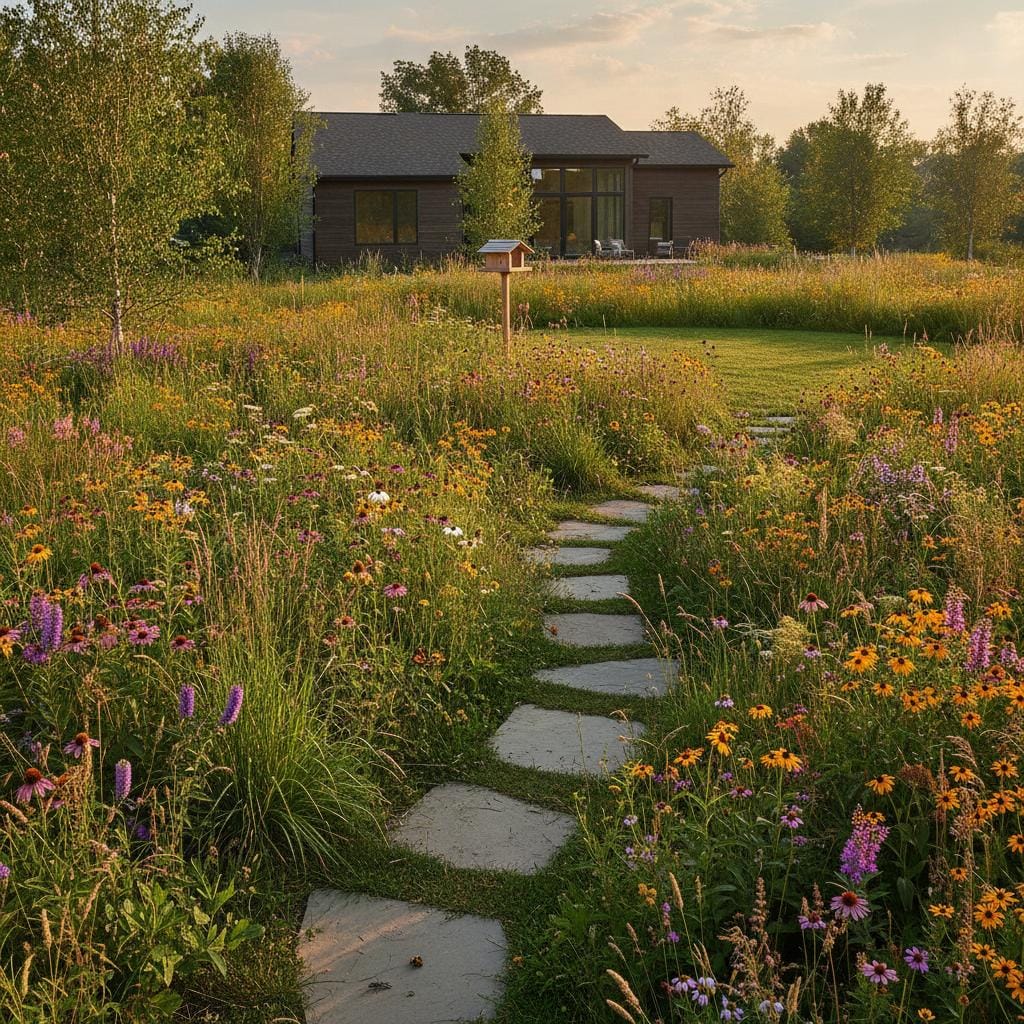
Environmentally, these spaces aid pollinators, cut pesticide use, and enhance soil vitality. Plant diversity draws helpful insects for natural pest control. On-site composting recycles organics into fertilizer. Compact areas still bolster regional ecosystems.
Water and input savings appeal to stewards. Drought-resistant herbs and native shrubs align with local conditions, promoting resilient beauty.
Achieving Harmony Between Form and Function
Balancing visuals and output presents hurdles. Production-focused plots may seem disordered; beauty-only designs yield little harvest. Success demands integration.
View the yard as a composed scene. Prioritize plants with dual merits, like artichokes for bold shapes or nasturtiums for vivid, edible flowers. Use kale for refined edging and strawberries for pathway accents. Cohesion arises from purposeful selection.
Employ repetition of colors or forms to unify the space. Consistent motifs instill serenity amid abundance.
Nurturing and Evolving Your Edible Space
Established gardens deepen daily engagement. Routine checks reveal ripening produce or needed adjustments. These interactions convert chores into meaningful practices.
Seasonal changes invite refinement. Evaluate plant performance against soil and habits. Modify arrangements or varieties to sustain vitality.
Extend the garden's reach through sharing. Offer surplus berries or preserved goods to build communal ties. The space transcends individual use, weaving into social fabric.
Practical Steps to Launch Your Edible Front Yard
Initiate with accessible choices. Consult local experts, survey successful nearby examples, and select climate-appropriate varieties over fleeting styles.
Herbs provide an ideal start: simple to grow, space-efficient, and rewarding. Progress to shrubs or greens as skills develop.
Tailor the design to your home and routine. It reflects identity while addressing practical demands.
In a yard that sustains, attachment to home intensifies. What once required upkeep now delivers taste, aroma, and enduring allure.