Garden Centers Go Vertical with Indoor Living Walls
Have you ever looked at a blank wall in your home or office and wished it could feel more alive? Many people feel that pull toward nature, especially when their surroundings feel flat or closed in. Garden centers have noticed this longing and are responding in a beautiful, practical way.
They are going vertical with indoor living walls that bring the spirit of the garden into interior spaces.
Seeing Green Indoors
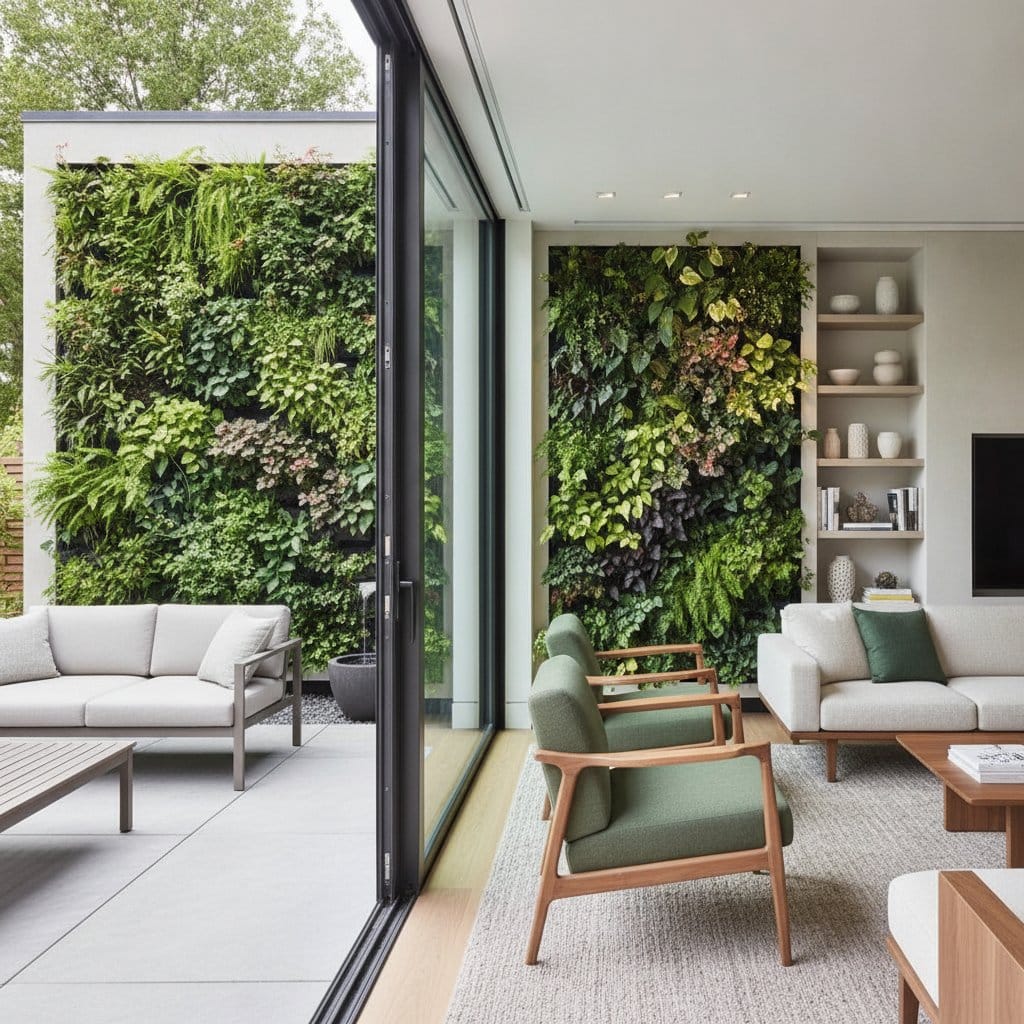
Indoor living walls, sometimes called vertical gardens, are displays of plants grown on a wall surface rather than in traditional pots. They can be small panels that fit in a kitchen or large installations that fill entire entryways. These walls refresh the air, soften sound, and introduce a living rhythm to rooms that might otherwise feel static.
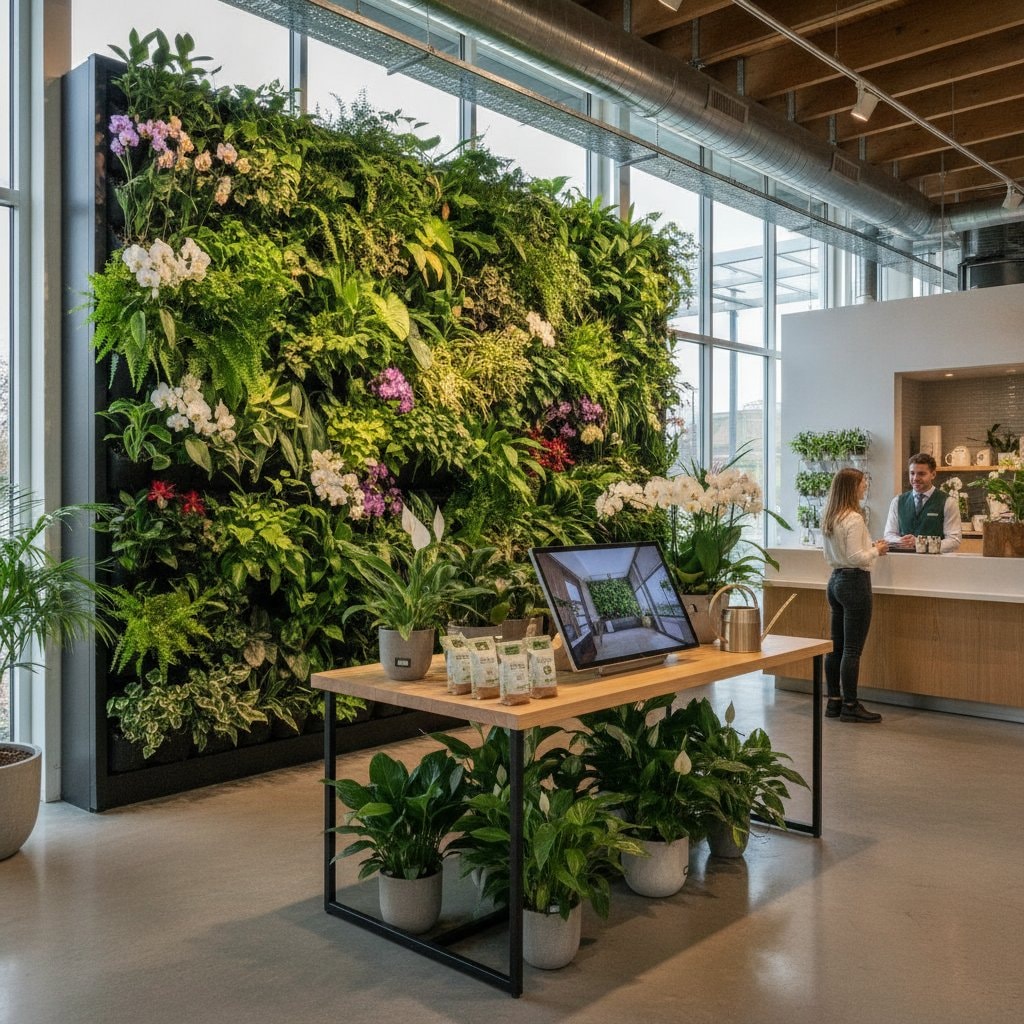
Garden centers have started creating these displays to inspire customers who want to bring natural life indoors. By showing what is possible, they help visitors picture how greenery can climb, spill, and thrive on interior walls just as it does outside.
Assessing Your Space
Before installing a living wall, it helps to look closely at your environment. Every space has its own light, temperature, and humidity. These conditions decide which plants will thrive and how often you will need to tend them.
Start by noticing where sunlight enters the room. Is it filtered through sheer curtains, or does it shine directly for several hours? Living walls near windows often do best with a mix of light-loving and shade-tolerant plants. If your chosen wall sits in a darker hallway or office, garden centers can recommend plants that adapt well to low light, such as pothos, ferns, or philodendrons.
Planning the Design
Once you understand your space, you can think about the design. Garden centers often display living walls in patterns or color themes that guide the eye upward. This layering effect makes a small room feel taller and more dynamic.
When planning your own wall, think about texture and variety. Combine trailing plants like ivy with upright ones such as peace lilies or dracaenas. Mix glossy leaves with soft, feathery ones. This variety adds depth and keeps the display from feeling flat. You can also choose plants that support your mood or needs. Aromatic herbs can bring freshness to a kitchen, while lush ferns can create calm in a reading nook.
Preparing the Structure
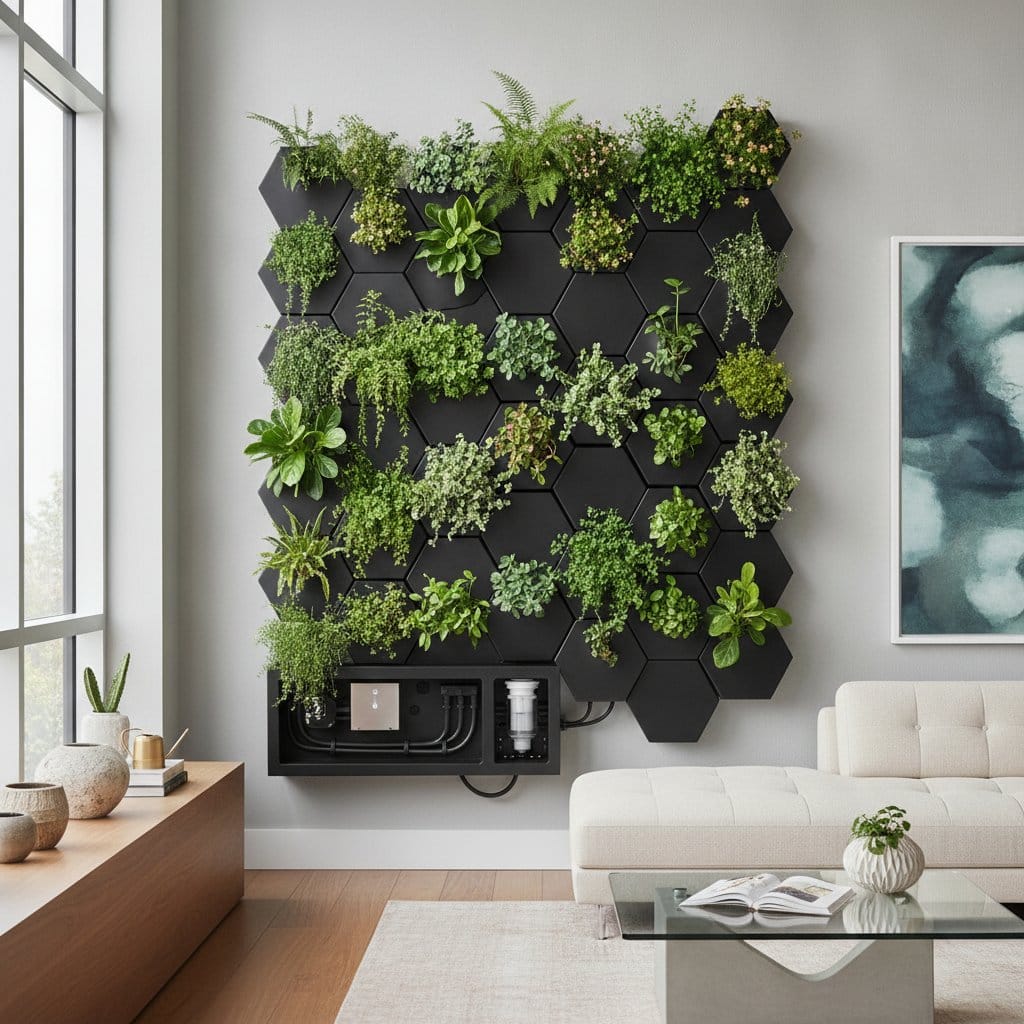
A living wall needs a structure to hold soil, water, and plants. Most systems include panels that attach to the wall and a built-in irrigation setup. Some use felt pockets that cradle each plant, while others rely on modular trays that can be rearranged as plants grow.
Before installing, garden centers test their display systems for secure attachment and proper drainage. This step prevents water damage and keeps plants from drying out too quickly. At home, it is wise to use a waterproof backing board or liner between the wall and the panel system.
Planting and Care
Planting a living wall can be one of the most satisfying parts of the process. Start from the bottom and work upward so each layer supports the next. Gently press roots into their pockets or trays, making sure they sit firmly without being crushed.
Watering should be steady but not excessive. Overwatering can lead to root rot, while underwatering leaves plants limp and stressed. Many modern living wall systems use drip irrigation or built-in reservoirs that supply moisture gradually. Fertilize lightly during the growing season and trim any overgrown stems to keep the design tidy.
Why Garden Centers Love Vertical Displays
For garden centers, living wall displays serve both inspiration and education. They show customers what is possible in their own homes and offices. These walls also make efficient use of space by showcasing many plants in one vertical arrangement.
Visitors can see how tropical foliage, succulents, or herbs perform indoors without needing to imagine it from a catalog. The displays invite conversation. Customers often ask how the system works, how often it needs watering, or which plants are easiest to maintain.
Maintaining Long Term Success
Once your living wall is in place, the best part begins. Over time, leaves expand, roots anchor deeply, and new shoots appear. The wall changes subtly each week, reminding you that growth is never static.
Consistency makes the difference between a temporary display and a lasting indoor landscape. Spend a few minutes each week checking for dry spots or fading leaves. Notice how the light shifts through the seasons and adjust your care routine as needed.
Living walls belong in homes where people want to breathe easier and feel grounded. Whether you start with a single panel or a full wall, each leaf becomes part of your daily atmosphere. When you take time to tend a living wall, you are nurturing a relationship with the natural world right where you live.