Why Living Stones Revolutionize Biophilic Hardscaping
A garden achieves profound harmony when stone and vegetation appear to converse seamlessly. The distinction between constructed elements and organic growth dissolves, infusing every surface with vitality. Homeowners increasingly embrace this integration through biophilic hardscaping, where living stones stand out as an exemplary material. These porous, moss-encrusted, or plant-infused rocks introduce organic texture to rigid structures.
The Shift Toward Living Materials
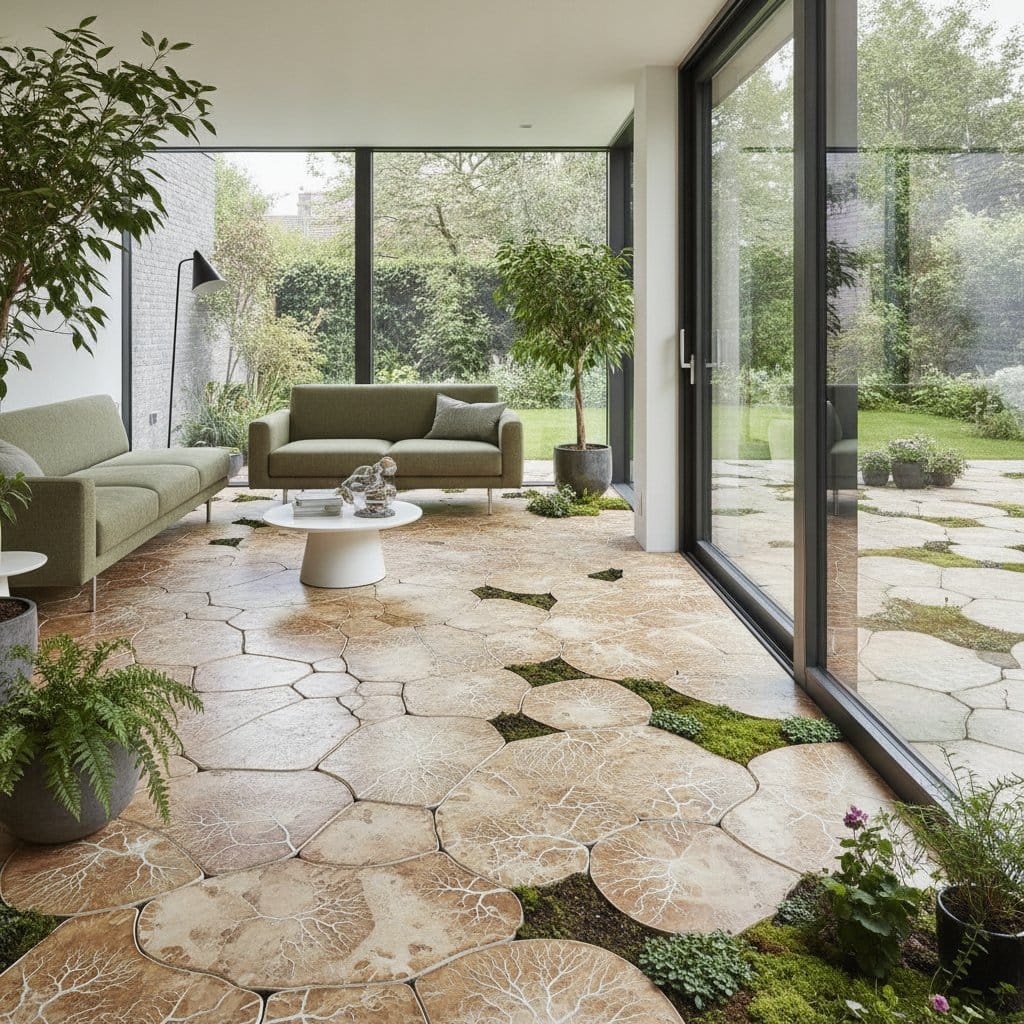
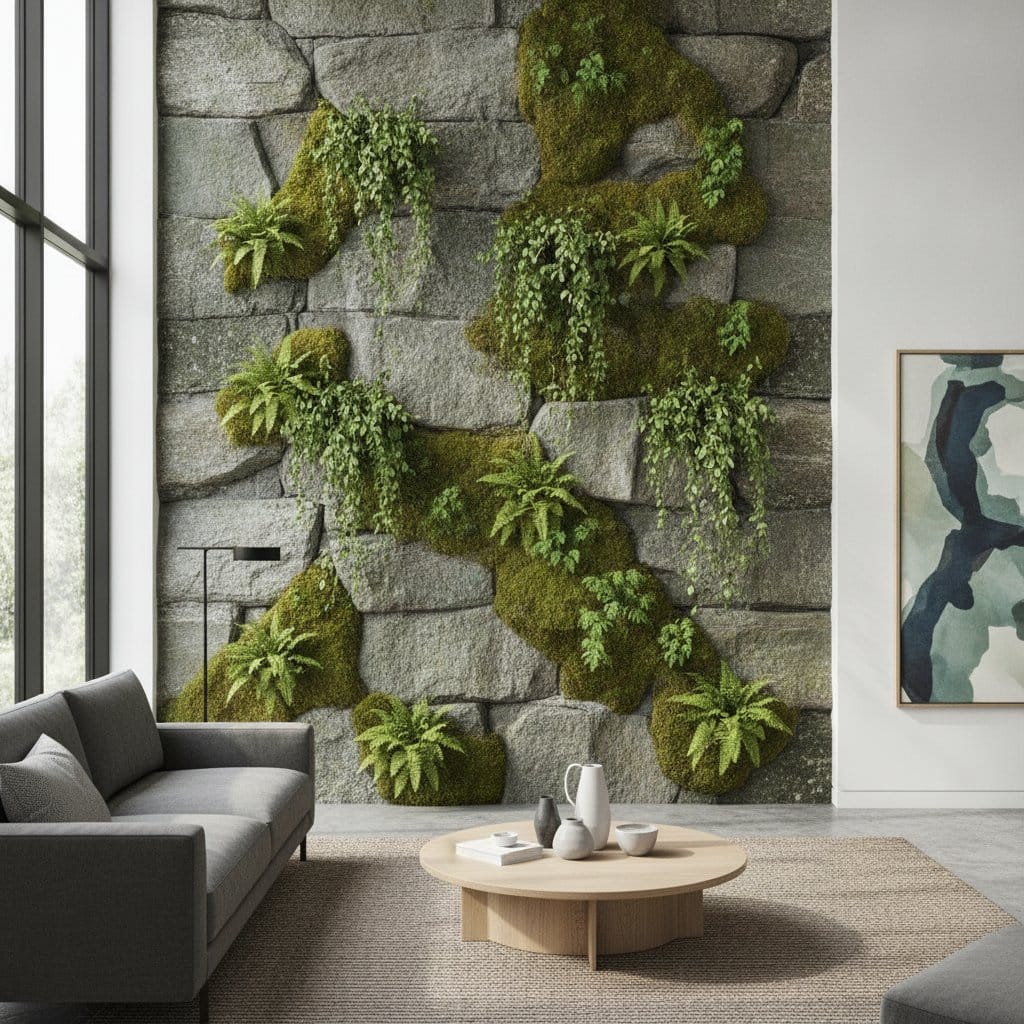
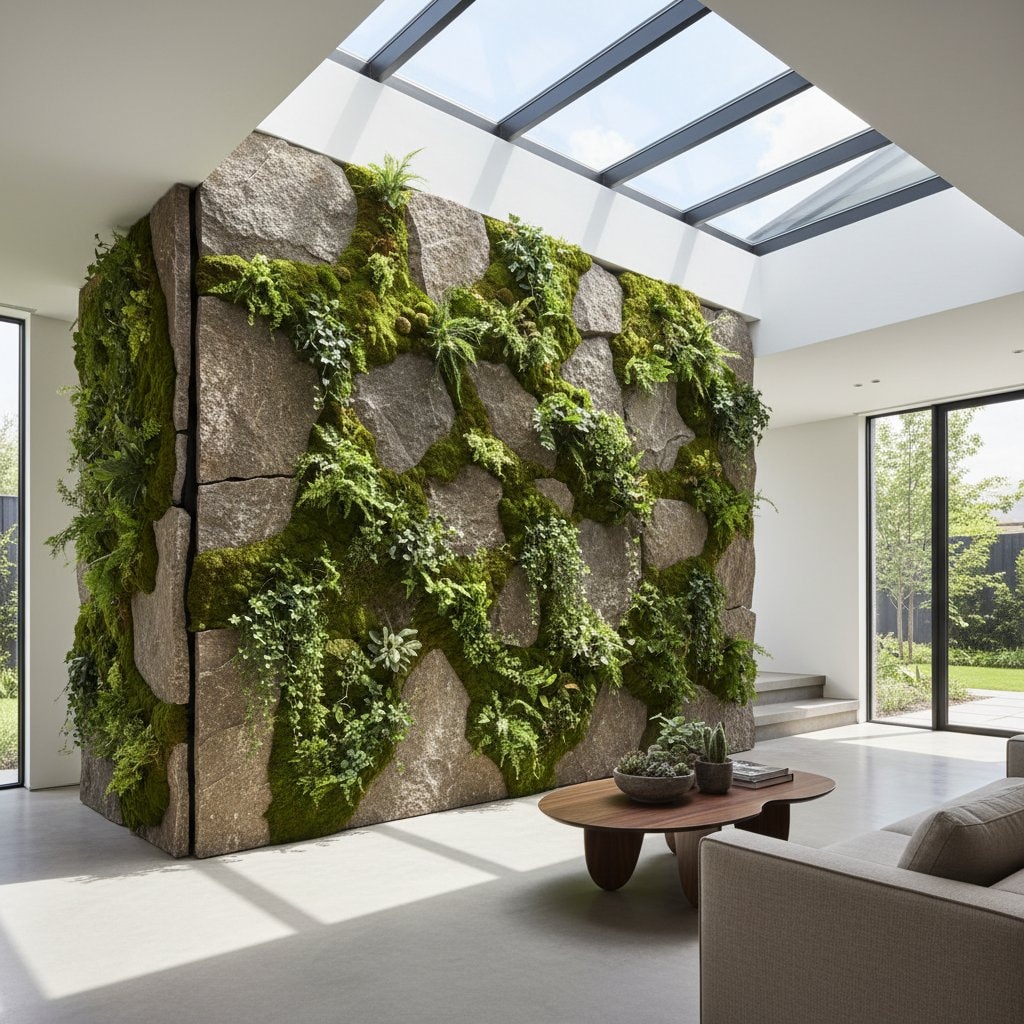
Conventional hardscapes depend on inert substances such as concrete, brick, and quarried granite. Such materials provide enduring form yet often convey a sense of detachment. Living stones redefine this dynamic by combining stone's reliability with the fluidity of botanical elements. For instance, a boulder cloaked in velvety moss or crevices filled with drought-tolerant sedums introduces subtle motion and seasonal variation to otherwise unyielding landscapes.
This fusion aligns with biophilic design principles, which prioritize sensory engagement with nature. By transforming stone into a habitat, designers elevate it from mere support to an integral component of the garden's living system.
What Makes a Stone “Living”
The essence of a living stone lies in its symbiotic relationship with environmental factors like humidity, airflow, and flora. Porous varieties, such as sandstone or limestone, absorb moisture effectively, fostering the growth of moss, lichens, and alpine plants. Over months or years, these surfaces develop intricate ecosystems, sustaining biodiversity with minimal intervention.
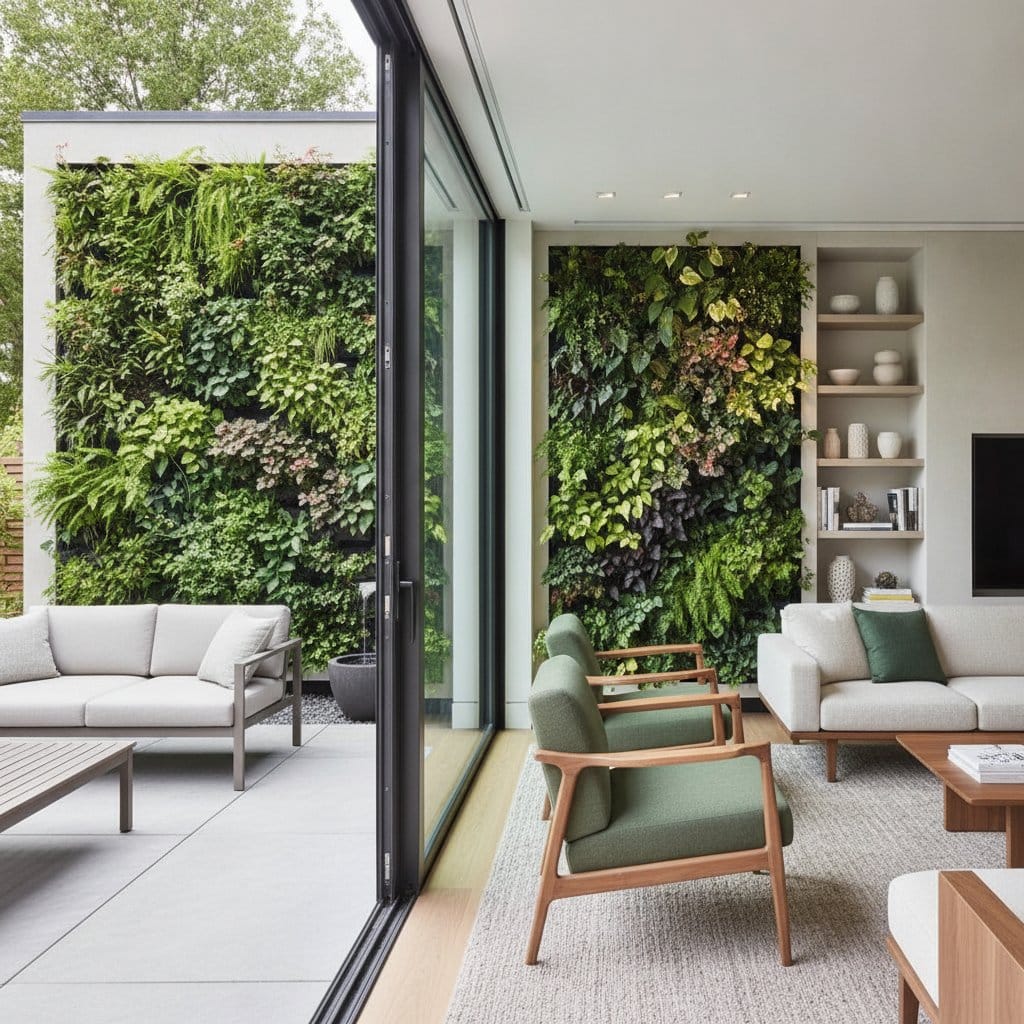
Landscape professionals often enhance this process by intentionally introducing species. They might embed moss spores into etched furrows or secure succulents in drilled pockets using a thin layer of amended soil. Advanced options include prefabricated stone slabs with integrated reservoirs, akin to vertical green walls but adapted for pathways or terraces. These retain moisture and nutrients, enabling resilient growth in constrained areas.
The Beauty of Imperfection
Living stones promote a philosophy that values organic evolution over rigid symmetry. Moss colonizes surfaces in irregular patterns, while dew accentuates varying tones across a single rock. An unexpected fern might emerge from a fissure, adding serendipity to the composition. These variations render each installation distinctive and authentic.
In comparison, sleek granite slabs or uniform flagstone arrangements offer precision but limited dynamism. They serve functional roles effectively, yet lack the gradual transformation that living stones provide. The experience parallels viewing a static landscape image versus immersing oneself in its living counterpart—one observes, the other envelops.
Creating Balance Between Structure and Life
Successful integration of living stones requires careful equilibrium to maintain usability. Excessive vegetation risks creating slick surfaces or visual clutter, whereas sparse coverage diminishes the organic impact. The objective involves softening contours with greenery while preserving the design's intent.
Consider these practical strategies:
- Initiate modestly. Position living stones in moist, low-light areas like beneath overhangs or beside fountains. Monitor plant response to local conditions for several seasons prior to broader application.
- Incorporate repetition. Select consistent stone textures, such as rugged basalt, and uniform moss varieties like Sphagnum to establish cohesive patterns amid natural variability.
- Adapt to site conditions. Opt for shade-loving Irish moss in humid zones and sun-hardy sedums in arid exposures. Tailor selections to inherent moisture and sunlight levels for sustained vitality.
- Prioritize utility. Embed living elements in non-traffic zones of walkways or as accents on low retaining walls. This approach enhances aesthetics without compromising safety or accessibility.
The Emotional Connection
Contact with a living stone evokes a sense of rootedness. Its damp, multifaceted texture, accented by resilient lichen colonies, conveys timeless endurance. Garden owners frequently report heightened tranquility following such installations. These features prompt mindful pauses, revealing incremental shifts like budding tendrils or post-rain vibrancy.
Biophilic hardscaping extends beyond ornamentation to cultivate interpersonal bonds with the environment. The result feels emergent rather than engineered, as if the landscape and residence have harmonized organically.
Living with Your Design
Maintenance of living stones emphasizes subtle guidance over rigorous upkeep. Periodic gentle spraying, debris clearance, and drainage verification support their self-regulating nature. In essence, the system achieves equilibrium through natural cycles.
A summer-dried moss section offers a lesson in resilience; an unplanned seedling contributes to the narrative. This philosophy fosters unhurried engagement, valuing attentiveness above dominance.
Such practices often reshape perceptions of adjacent features. Terraces assume the character of woodland glades, boundaries evoke riverbanks, and compact patios capture woodland essence.
Advancing Your Living Hardscape
Incorporating living stones opens pathways to responsive landscapes. Select initial specimens based on porosity—limestone for moisture retention, slate for lichen adhesion—and test plant pairings in your regional climate. Document growth patterns to refine future expansions.
The outcome transcends aesthetics, forging enduring ties between form and flora. In designed settings, these elements affirm nature's persistent ingenuity.