Living Stones Turn Hardscaping into Natural Retreats
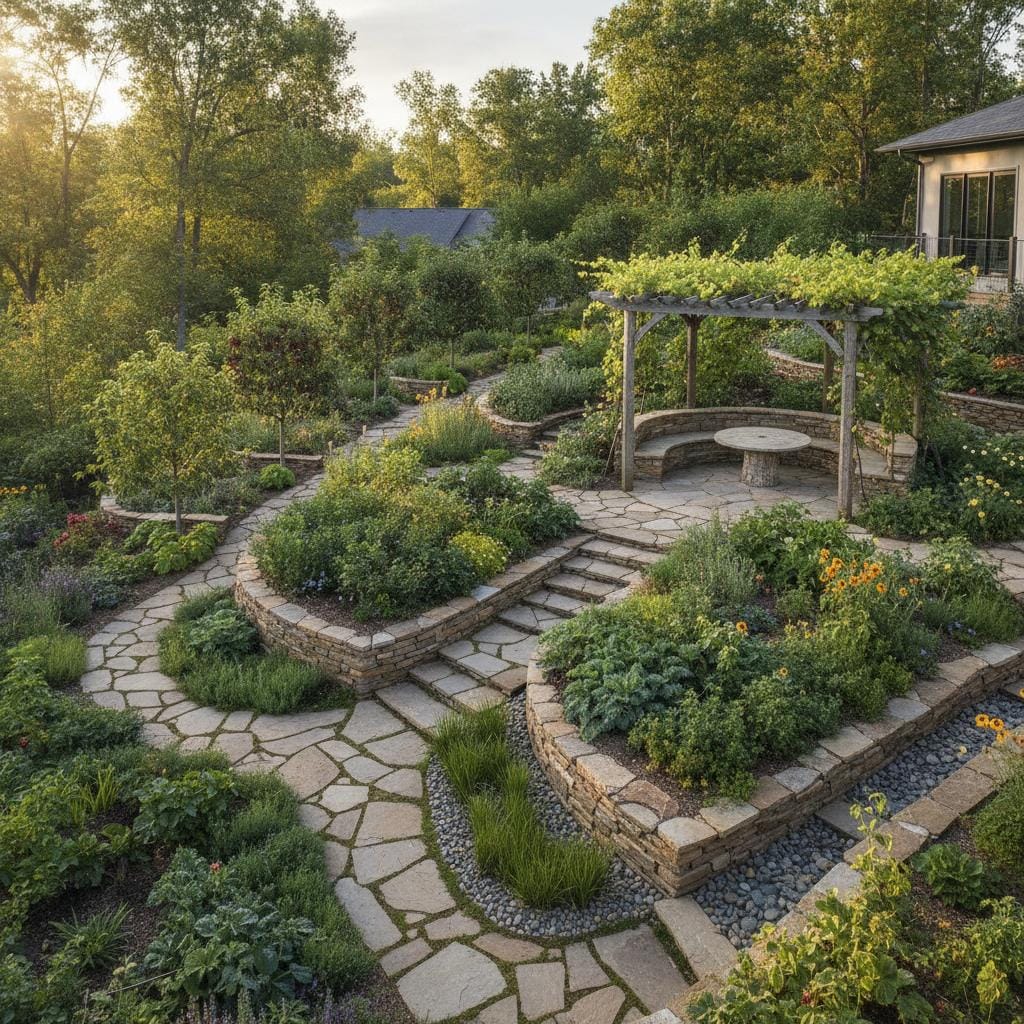
Creating a peaceful outdoor space often begins with stone. Patios, walls, and walkways built from stone offer timeless beauty that feels grounded. Yet many homeowners seek stronger connections to nature, and traditional hardscaping can appear rigid. Living stones address this by blending moss, lichens, and small plants into stone surfaces to soften structures and introduce organic life.
This method aligns with biophilic design principles that link people to natural elements through living materials. The result combines masonry stability with the calming presence of greenery.
What Are Living Stones?
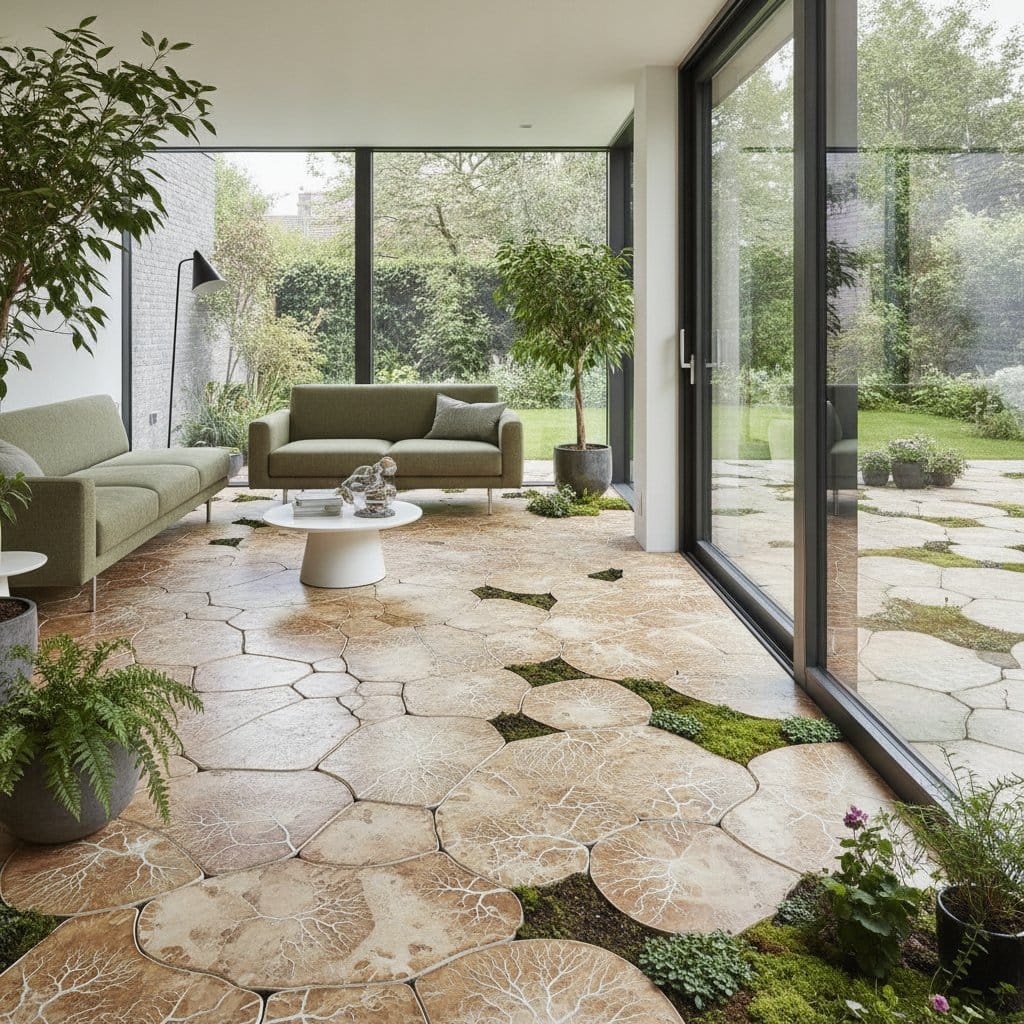
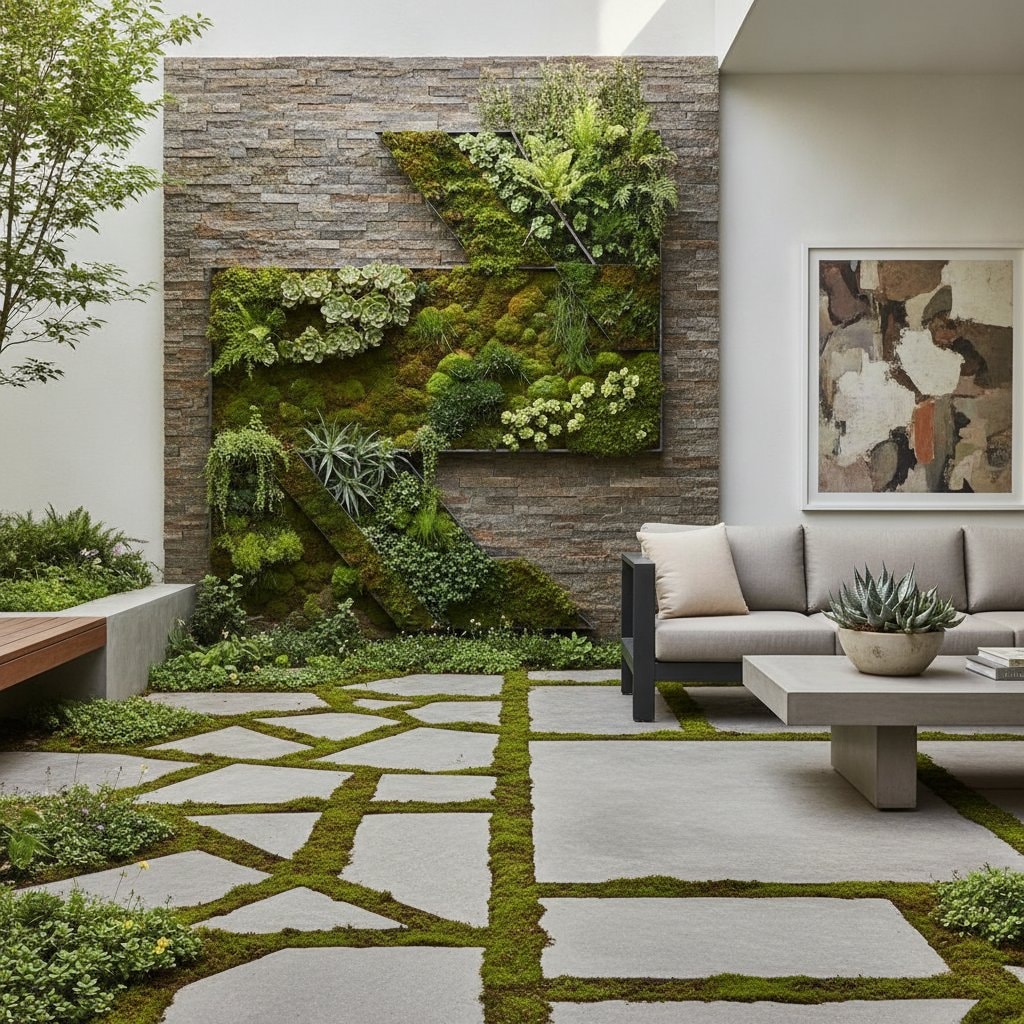
Living stones are stone surfaces that support plant growth such as mosses, lichens, or low groundcovers. Examples include mossy pavers, retaining walls with planted joints, and boulders wrapped in greenery. The approach merges hardscaping with vegetation to produce soft textures and color contrasts.
These features occur naturally in shaded, moist spots, yet they can be cultivated through planning. Install them in gardens, patios, or courtyard walls for an organic, low-maintenance appearance.
Benefits of Living Stones
Homeowners value the visual calm and layered interest living stones provide. Key advantages include the following.
- Visual softness from moss that eases the sharp edges of stone.
- Cooling surfaces during warm periods as greenery reduces heat absorption.
- Minimal upkeep once moss establishes, with little need for water or trimming.
- Natural materials that avoid synthetic coatings or chemical treatments.
- Added depth through the contrast of rough stone and soft plant layers.
Suitable Stone Materials
Stone selection depends on climate, moisture, and project goals. Porous types retain water and encourage growth.
- Limestone provides slight porosity that supports moss.
- Sandstone offers crevices for plant roots to anchor.
- Granite delivers durability yet requires surface roughening for better adhesion.
- Fieldstone supplies irregular, weathered faces that accept growth readily.
Skip polished or sealed stones, as they repel moisture and prevent attachment.
Steps to Build a Living Stone Feature
The process works for new builds or existing surfaces. Follow these actions in order.
- Select a shaded, naturally moist location such as a north-facing wall or garden path.
- Clean the stone and roughen smooth areas with a wire brush.
- Apply a thin soil layer mixed with buttermilk for moss or compost-rich mix for plants.
- Press moss fragments or small groundcovers like creeping thyme into the surface.
- Mist regularly for several weeks to keep conditions damp.
- Check progress and reapply growth in bare spots as needed.
Design Approaches
Living stones suit varied landscapes. Moss-covered pathways create quiet routes through shaded gardens. Retaining walls gain an aged look when groundcovers fill the joints. Borders edged with moss tie hardscaping to surrounding plantings. Water feature surrounds benefit from constant moisture that encourages lush growth. Vertical walls in compact yards combine stacked stone with moss inserts for focal interest.
Practical Considerations
Success requires matching conditions to plant needs. Moss prefers steady moisture, so install a misting system in dry climates. Direct sun dries surfaces quickly, making drought-tolerant options like sedum preferable. Limit moss paths to low-traffic zones to avoid slips. Costs range from a few hundred dollars for small do-it-yourself sections to several thousand for larger professional work. Established growth needs only occasional debris removal and light trimming.
Integration with Biophilic Principles
Living stones introduce organic patterns and textures into built areas. Place them near seating or paths to heighten sensory calm. Pair them with wood, gravel, or water elements to strengthen the natural connection. Small details such as moss in wall joints shift the overall mood toward serenity.
Ongoing Care
Maintain damp surfaces with gentle watering. Brush away dust softly and trim excess growth. Inspect for pests and avoid chemical products that damage plants. In frost regions, moss enters dormancy and resumes growth when warmth returns.
Starting a Small Project
Begin with a single mossy path section or one planted wall area. Observe how textures develop over seasons. The stones gain character through weather and gradual coverage, turning static hardscaping into an evolving outdoor element.