Revolutionize Your Landscape with Living Stone Walls
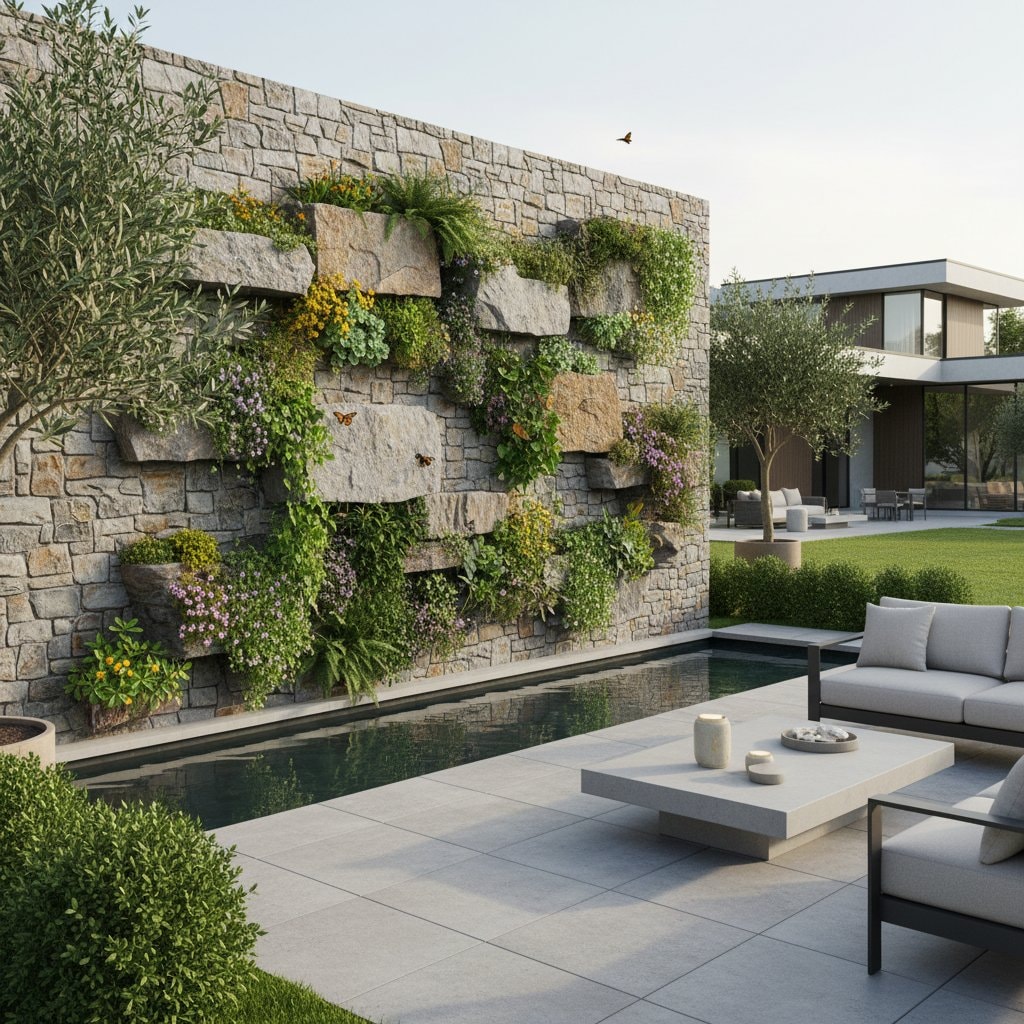
Examine your yard and consider if it lacks vitality. Traditional stone walls offer enduring structure, yet they often appear rigid and lifeless. A living stone wall integrates robust stone with thriving vegetation, creating a dynamic feature that anchors your landscape while introducing organic movement and color.
This design exceeds mere aesthetics. It establishes an ecosystem that sustains plants, draws beneficial pollinators, and moderates microclimates by retaining moisture and releasing heat gradually. Introduce such a wall to invigorate a monotonous outdoor area, adding layers of texture and seasonal interest.
Planning with Purpose
Approach the creation of a living stone wall systematically to ensure longevity and harmony with your site. First, evaluate the wall type based on your terrain and aesthetic preferences.
- Dry-stack walls rely on gravity and careful placement without mortar. Natural crevices form ideal niches for soil pockets and plant roots, promoting a rustic appearance.
- Mortared walls deliver precise alignment and enhanced stability, suitable for higher retaining needs. Incorporate planting pockets by leaving intentional gaps during construction or drilling small recesses post-build.
Select stones that complement your regional palette, such as limestone or sandstone for a seamless integration. Source materials locally to minimize environmental impact and achieve a weathered patina over time. Arrange larger, flat stones at the base for stability, interspersing irregular shapes and sizes to foster visual depth and planting opportunities.
Develop a planting strategy aligned with your wall's exposure and soil depth. Opt for drought-tolerant species adapted to confined spaces, including creeping thyme for sunny spots, sedum varieties for quick coverage, saxifrage for delicate blooms, and dwarf ferns for shaded areas. In low-light conditions, introduce mosses like cushion moss or Irish moss, which require only occasional misting to establish a lush, tactile surface evoking ancient ruins.
Consider vertical layering: position trailing plants like ivy or vinca at the top to cascade downward, while upright succulents fill mid-level crevices. Test soil pH in potential pockets, aiming for neutral to slightly alkaline conditions that mimic natural rock habitats.
Caring for Your Living Structure
Seasonal evolution defines a living stone wall, and maintenance enhances its resilience without demanding excessive effort. Establish routines that support both structural integrity and botanical health.
- Watering: Apply gentle, frequent irrigation during the first growing season to encourage root establishment. Mature installations benefit from stone's moisture-holding capacity, requiring supplemental water only during prolonged dry spells; monitor by checking soil in crevices for dryness.
- Trimming: Prune vigorous growth annually in early spring to preserve the wall's silhouette and airflow. Use sharp shears to shape trailing vines and remove dead foliage, preventing dominance by aggressive species.
- Weeding: Inspect monthly and extract invasive seedlings promptly with a trowel to avoid root competition or stone displacement. Mulch planting pockets lightly with gravel to suppress weed germination.
- Filling gaps: Replenish settled soil every six months using a sandy loam mix enriched with compost. Replant sparse areas with propagated cuttings from established plants to maintain coverage.
Dedicate 10 to 15 minutes weekly to these tasks. Such vigilance not only sustains vibrancy but also reveals subtle changes, like emerging buds or shifting colors, deepening your connection to the feature.
Blending Function and Beauty
Beyond visual appeal, living stone walls fulfill essential roles in landscape management. On sloped sites, they stabilize soil and mitigate erosion by interlocking roots with stone barriers. Position walls to shield tender garden beds from wind or frost, leveraging the thermal mass of rocks for temperature regulation.
These structures foster biodiversity by providing shelter for ground beetles, butterflies, and birds. Pollinator-friendly blooms, such as those from stonecrop or thyme, sustain local ecosystems while enhancing fruit yields in nearby orchards.
Incorporate walls into daily life for tranquility. The interplay of hard edges and soft greenery encourages mindfulness, with sunlight filtering through leaves or dew collecting in crevices. For social spaces, align walls to border patios or delineate herb gardens, elevating functionality with elegant borders.
Watching Your Garden Thrive
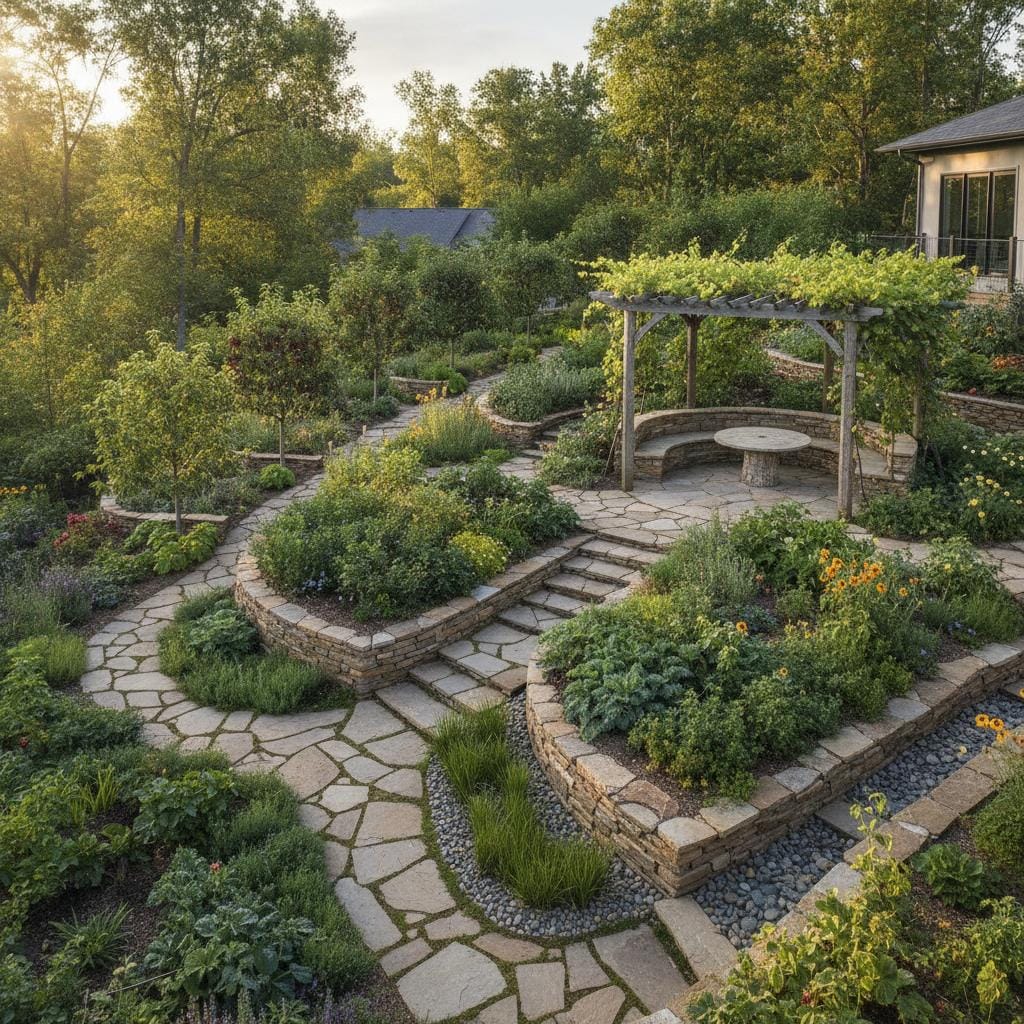
Over time, observe how your wall integrates seamlessly into the environment. Vegetation expands organically, weaving through fissures and softening contours, as if the feature evolved naturally on-site.
This maturation process rewards patience. Track progress through seasonal cycles: spring flushes of green, summer cascades of flowers, autumn hues of foliage, and winter skeletons accented by evergreens. Introduce compatible additions, such as alpine phlox for bursts of color or native lichens for textural contrast, based on observed successes.
Embrace natural developments like moss colonization, which conserves water and imparts a timeless patina. Document growth with photographs to inform future adjustments, cultivating a personalized sanctuary.
Making It Happen
Embark on your living stone wall project incrementally to build expertise. Select a modest scale, such as a 4-foot segment bordering a walkway, using basic tools like a level, tamper, and trowel.
Prepare the site by clearing debris and marking the layout with string lines. Stack or mortar stones meticulously, pausing to insert soil and starter plants. After completion, apply a diluted seaweed extract to boost initial rooting.
Expand as proficiency grows, perhaps curving the wall to enclose a seating nook. This collaborative effort with nature yields enduring stability from stone and rejuvenation from plants, forging a landscape of balanced, lasting allure.