Suburban Rewilding: Creating a Vibrant Meadow Lawn
Many homeowners view their yards as spaces that demand constant effort, from frequent mowing to battling patchy grass. Yet this traditional approach often leads to frustration rather than fulfillment. Suburban rewilding offers a sustainable alternative, transforming your lawn into a natural meadow that harmonizes with local ecosystems and requires far less maintenance.
This shift emphasizes collaboration with nature, resulting in a landscape rich in color, texture, and life. Homeowners report reduced water bills, fewer hours spent on upkeep, and increased sightings of birds and butterflies. Begin by embracing the potential already present in your yard.
Observe Your Yard to Identify Opportunities
Start with a thorough assessment of your outdoor space. Walk through the area at different times of day to note sunlight patterns: full sun areas receive at least six hours of direct light daily, while partial shade spots get two to four hours. Observe soil moisture levels after rain and identify low spots where water pools.
This evaluation reveals zones suited for specific plants. For instance, sunny, dry areas work well for drought-tolerant species, whereas shadier, moist sections support shade-loving natives. Such observations prevent common mistakes like planting sun-dependent wildflowers in low-light areas.
Document your findings with simple sketches or notes. This step builds a foundation for a meadow that thrives without ongoing adjustments, saving time and resources from the outset.
Plan Your Meadow Layout Strategically
With observations in hand, divide your yard into manageable zones based on light and soil conditions. Decide on the conversion scale: begin with a 10-by-10-foot test area if you prefer gradual change, or commit to larger sections for quicker impact.
Select native plants adapted to your region's climate and soil. In the Midwest, for example, consider little bluestem grass for structure, black-eyed Susan for yellow summer blooms, and purple coneflower for pollinator attraction. Opt for pre-mixed seed packets from local nurseries, ensuring they include 60 percent grasses and 40 percent wildflowers for balanced growth.
Incorporate seasonal variety: spring bloomers like wild columbine provide early color, while fall asters extend the display. This planning ensures year-round interest and supports diverse wildlife, from bees to songbirds.
Prepare the Soil with Minimal Disruption
Avoid aggressive tilling, which can disturb beneficial soil organisms. Instead, use sheet mulching for a gentle transition. Lay overlapping sheets of cardboard or newspaper over the existing lawn, wet them thoroughly, and top with two to three inches of compost or aged manure.
For seeding, mow the lawn as short as possible, remove clippings, and rake the surface lightly to create shallow furrows. Broadcast seeds at the recommended rate—typically one ounce per 1,000 square feet—and tamp them down using a lawn roller or by walking on the area. Water gently with a fine mist to avoid washing seeds away.
Establishment takes one to two growing seasons. Initial weeds may appear, but consistent moisture during the first four to six weeks encourages native seedlings to outcompete them.
Support Initial Establishment and Growth
Monitor soil moisture closely in the first season, providing one inch of water weekly if rainfall is insufficient. Use a rain gauge to track amounts accurately. Hand-pull any invasive weeds, such as dandelions, before they set seed, but allow minor competitors to integrate naturally.
Resist the urge to fertilize; native meadows flourish in nutrient-poor soils. Over-fertilization promotes unwanted grasses. If needed, apply a thin layer of compost in the second spring to boost microbial activity without excess nutrients.
Mow the meadow once in late winter or early spring at a height of four to six inches to remove winter debris and encourage fresh growth. A second optional mow in late fall, after seed heads form, helps redistribute seeds for natural propagation.
Integrate Design Elements for Aesthetic Appeal
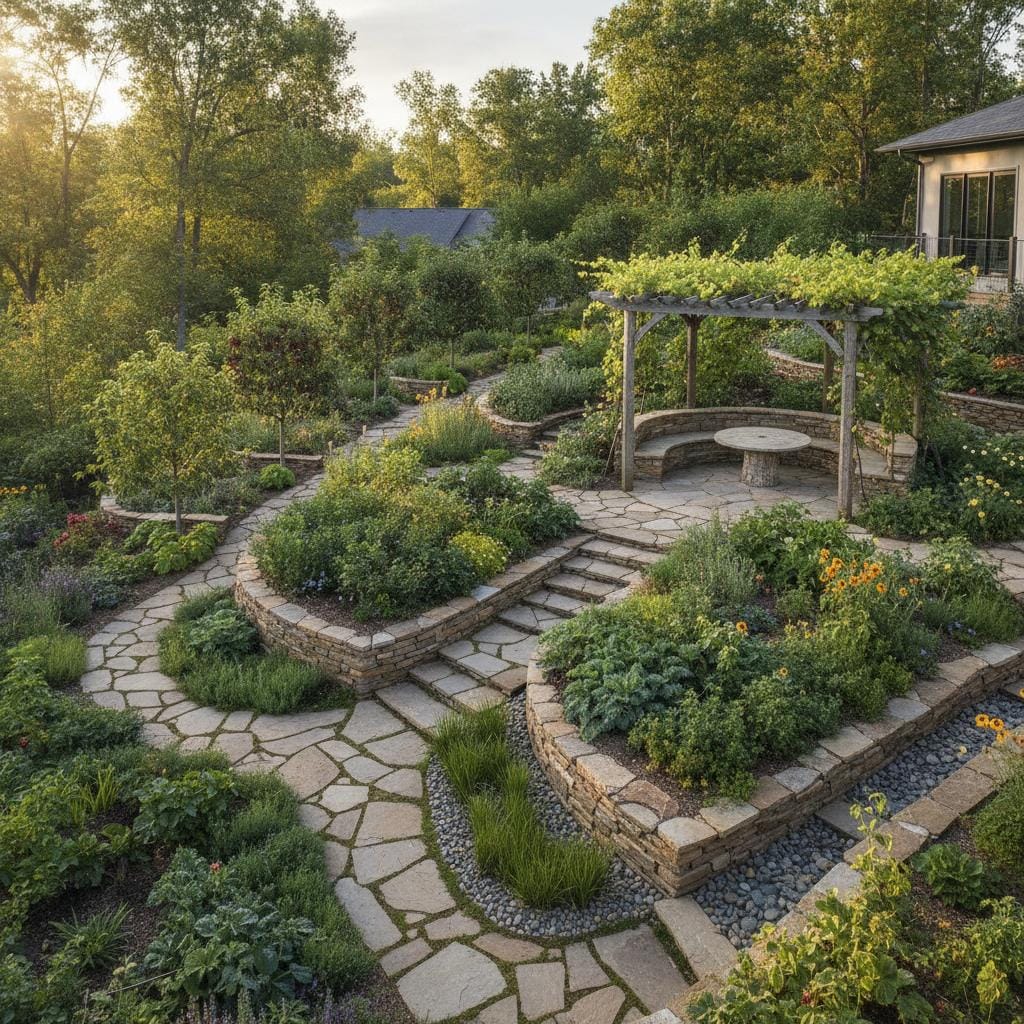
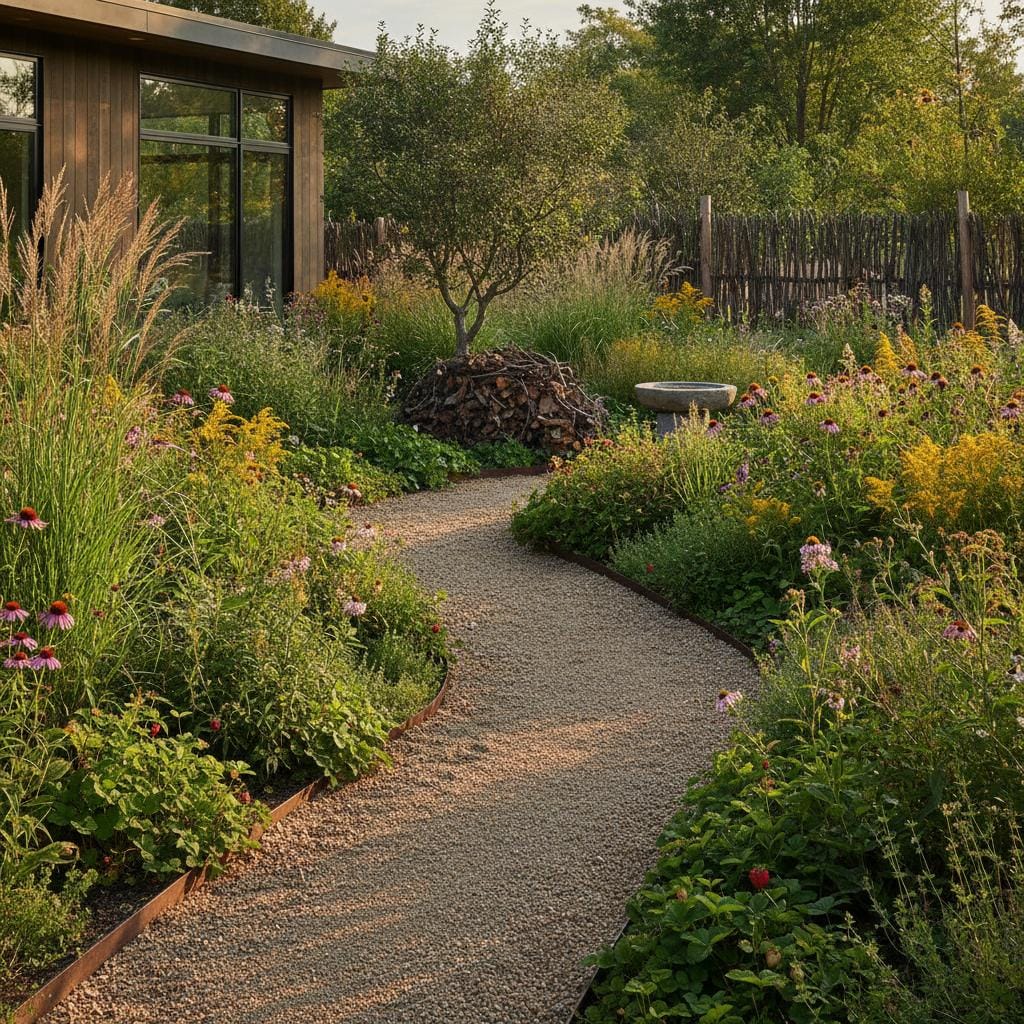
Enhance your meadow's visual coherence with defined boundaries. Edge the area with flat stones or bricks to separate it from mowed paths, creating a polished look. Install meandering gravel walkways or wooden stepping stones to guide visitors through the space without compacting soil.
Incorporate focal points, such as a birdbath or bench amid taller grasses, to invite relaxation. These elements frame the wilder aspects, signaling intentional design. Over time, the meadow's swaying blooms and rustling foliage provide dynamic beauty that evolves with the seasons.
Maintain and Evolve Your Meadow Over Time
As the meadow establishes, maintenance simplifies to seasonal check-ins. In spring, remove any debris that could smother new growth. During summer, ensure paths remain clear for access.
Observe changes annually: note which plants dominate and adjust by adding underperformers if needed. Introduce complementary features, like native shrubs such as serviceberry for berries or elderberry for wildlife cover, to build vertical layers.
This ongoing relationship fosters resilience. Your meadow becomes a self-sustaining ecosystem, reducing reliance on external inputs while enhancing property value through its unique, eco-friendly appeal.
Embrace the Rewards of a Living Landscape
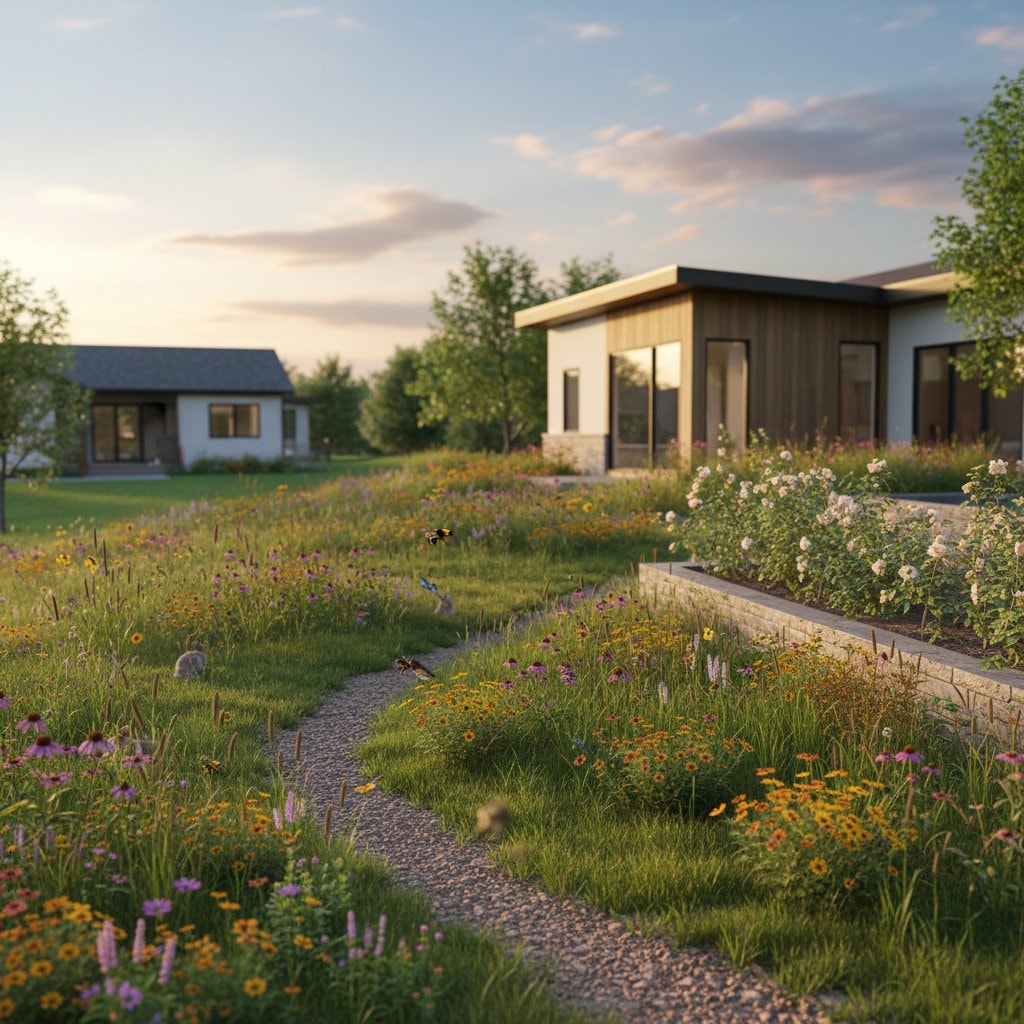
A mature meadow transforms your yard into a sanctuary of biodiversity. Spring awakens with tender shoots and early flowers, summer explodes in vibrant displays, and autumn offers seed heads that feed overwintering birds. These cycles create a sensory experience far richer than a uniform lawn.
Residents often describe a profound sense of connection, as the space buzzes with life—from humming bees to foraging finches. This rewilding journey not only cuts maintenance by up to 80 percent but also contributes to broader environmental goals, like supporting declining pollinator populations.
Step outside and envision your yard as part of a larger tapestry. By nurturing this natural evolution, you cultivate not just plants, but a thriving, joyful extension of home.