Fruit-Bearing Hedges for Private, Productive Yards
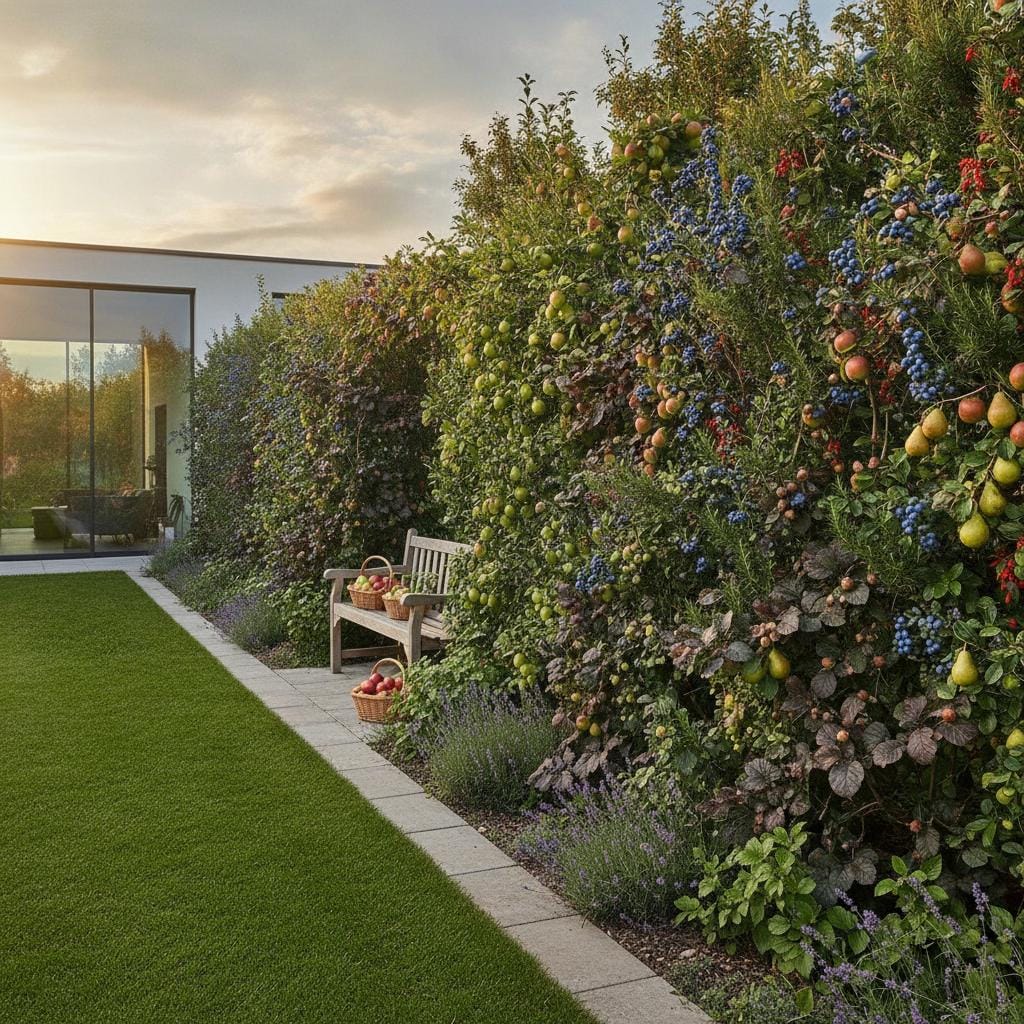
Consider the boundaries of your yard and envision them as more than mere dividers. A fruit-bearing hedge serves as a natural screen that ensures privacy while delivering fresh produce and seasonal beauty. This approach merges seclusion with utility, turning everyday edges into vibrant features that evolve throughout the year.
Select plants that align with your local climate and soil type to build a resilient hedge. Integrate multiple species for diversity, which boosts visual appeal and reduces vulnerability to pests or diseases. The result is a dynamic border that supports both aesthetics and harvests.
Choosing the Right Fruit-Bearing Plants
Evaluate your site's sunlight, soil pH, and hardiness zone before selecting plants. Match these factors to species that thrive in your conditions to maximize fruit production and longevity. Diverse selections create a hedge that remains productive and engaging across seasons.
Berry Hedges
Berry shrubs form dense barriers and yield abundant fruit with minimal space. Plant them in well-drained, fertile soil amended with organic matter for optimal growth.
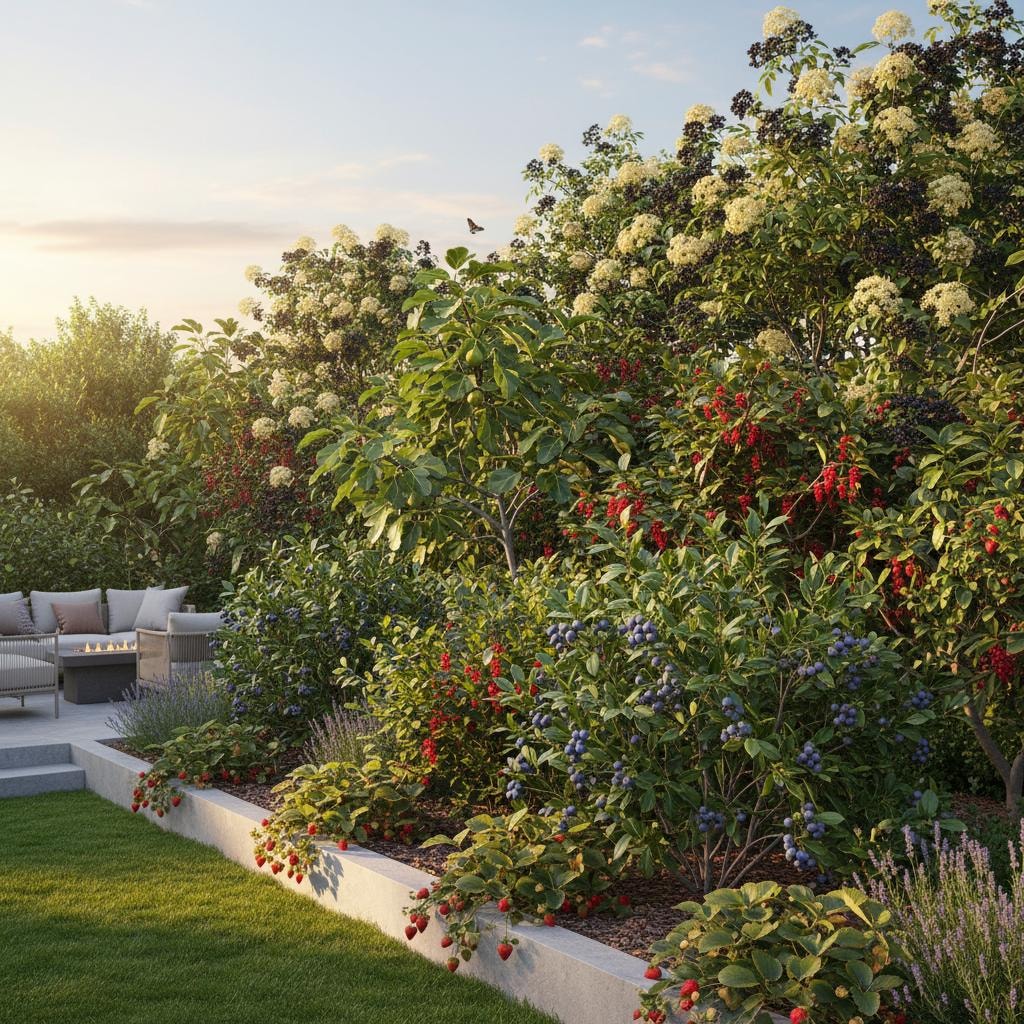
- Blueberries: These compact shrubs reach 4 to 6 feet tall and prefer acidic soil with a pH of 4.5 to 5.5. They yield sweet berries in midsummer and display vivid red foliage in autumn; maintain consistent moisture through drip irrigation.
- Currants and Gooseberries: Ideal for cooler climates in USDA zones 3 to 7, these plants grow 3 to 5 feet high and produce tart fruits by early summer. Prune annually to encourage airflow and select varieties resistant to mildew.
- Raspberries: Fast-establishing canes extend up to 8 feet, forming effective tall screens. Opt for everbearing types for extended harvests; install supports to manage sprawling growth and facilitate picking.
- Blackberries: Robust varieties climb to 10 feet and bear large, juicy fruits. Train them on wires spaced 5 feet apart within the hedge to control spread and improve accessibility.
Tree-Like Shrubs
Incorporate taller shrubs for structural height and multi-season interest. These options add vertical layers while contributing edible yields.
- Serviceberry (Juneberry): Native to many regions, this 15-foot shrub features white spring flowers, blueberry-like fruits in June, and orange fall leaves. Plant in partial shade with loamy soil for best results.
- Elderberry: Reaching 10 feet, it produces dark berries in late summer suitable for jams or wines. Choose cultivars like 'York' for heavier yields and prune to maintain an open form.
- Aronia (Chokeberry): Hardy in zones 3 to 8, this 6-foot shrub tolerates wet or dry soils and offers antioxidant-rich berries. Its white flowers and red autumn berries enhance wildlife attraction.
Mediterranean and Ornamental Options
For warmer climates in zones 8 and above, select heat-tolerant species that double as ornamental features. Ensure full sun exposure and protection from frost.
- Pomegranate: This 10- to 20-foot shrub displays orange-red flowers and ruby fruits in fall. Its thorny branches provide natural deterrence; mulch heavily to retain soil moisture.
- Olive: Evergreen and drought-resistant, olives form 10-foot hedges with silvery foliage. Harvest small fruits for oil or table use after several years of establishment.
When combining plants, group those with comparable water and light requirements. Test soil pH annually and adjust with lime or sulfur as needed to support uniform growth.
Designing Your Hedge for Privacy and Productivity
Balance thickness for screening with openness for maintenance in your hedge design. Aim for a density that blocks views from 6 feet away while allowing 20 percent light penetration for plant health.
Layering for Depth
Create a multi-tiered structure by placing taller plants at the back and shorter ones in front. For example, position serviceberries 8 feet apart as the rear layer, then add blueberries 4 feet in front. This configuration promotes biodiversity, drawing pollinators like bees and butterflies.
Spacing and Layout
Calculate spacing based on each plant's expected mature spread, typically 3 to 6 feet. For quicker coverage, plant in a double row with offsets of 2 feet between rows. This method accelerates privacy while optimizing resource use.
Paths and Access Points
Incorporate 2-foot-wide paths edged with gravel or bark for easy navigation. Position gates or gaps every 20 feet to access inner areas without trampling plants. Such features simplify tasks like harvesting and promote long-term hedge vitality.
Preparing the Ground and Planting
Test soil for nutrients and drainage six months prior to planting. Amend with 2 to 4 inches of compost worked into the top 12 inches to foster root development.
Dig holes twice as wide as the root ball but no deeper than the container depth. Backfill with native soil mixed with compost, then water thoroughly to eliminate air pockets. Apply a 3-inch mulch layer, keeping it 2 inches from stems to avoid moisture-related diseases.
Establish a watering schedule of 1 inch per week for the first year, using soaker hoses to target roots. Monitor for wilting and adjust based on rainfall to build drought tolerance.
Caring for Your Living Barrier
Implement routine care to sustain hedge performance without excessive effort. Focus on prevention through observation and timely interventions.
Feeding and Watering
Apply a 10-10-10 organic fertilizer or compost in early spring at a rate of 1 pound per 100 square feet. Deliver deep waterings of 2 inches every 10 to 14 days during dry periods to encourage robust root systems.
Pruning for Health and Shape
Inspect plants in late winter and remove crossing or diseased branches with clean shears. For berry producers, cut spent canes to ground level after harvest to stimulate new shoots. Shape the hedge annually to 6 to 8 feet tall, tapering the top for snow shedding in colder areas.
Managing Pests and Wildlife
Encourage beneficial insects by planting companion flowers like marigolds nearby. Deter birds with lightweight netting draped over ripening fruits for two weeks. Address aphids with a weekly spray of insecticidal soap mixed at 1 tablespoon per gallon of water.
Blending Beauty with Usefulness
Fruit-bearing hedges enrich your yard beyond function, fostering an ecosystem that engages the senses. Spring blooms draw hummingbirds, summer fruits provide shade and snacks, and fall colors add warmth to the landscape.
Tailor the design to your aesthetic: shear formal hedges twice yearly for precision, or allow natural forms in cottage gardens. Visualize relaxed evenings on a screened patio, surrounded by the hedge's gentle rustle and faint berry scent.
Seasonal Care and Long-Term Enjoyment
Adapt maintenance to each season for sustained health. In spring, weed diligently and fertilize; in summer, mulch anew; in fall, rake leaves to enrich soil.
Preserve excess harvests by freezing berries or cooking elderberry syrup with a recipe of 3 pounds fruit to 4 cups sugar and water. These practices extend the hedge's value, creating traditions around your yard's gifts.
Sustaining Your Hedge's Vitality
Monitor growth annually and replace underperformers with compatible varieties to maintain fullness. This ongoing attention ensures the hedge remains a reliable source of privacy and produce.
Over years, the hedge deepens its integration into your home life, offering quiet rewards through tended growth and shared bounties. It embodies a harmonious blend of enclosure and abundance, rooted in deliberate care.