Discover Fruit-Bearing Hedges for Ultimate Privacy
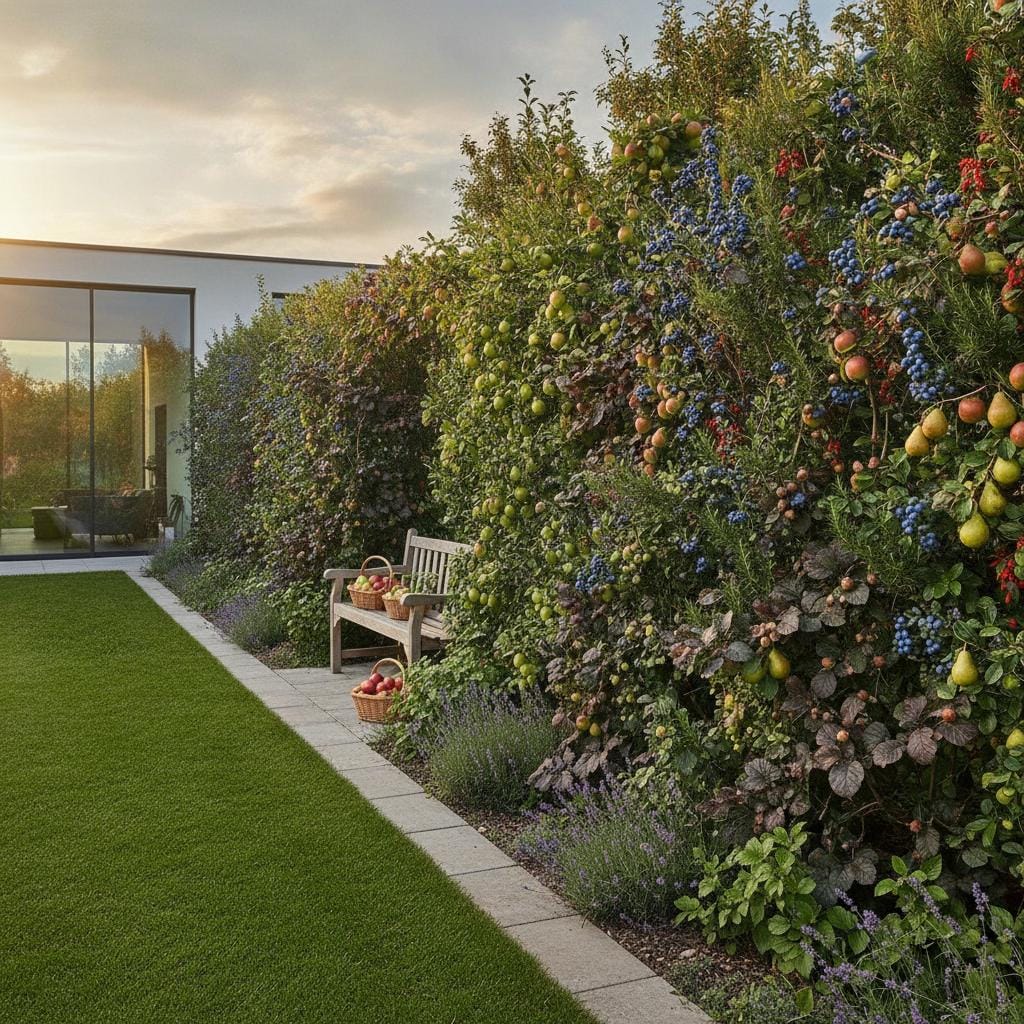
Property owners often seek ways to enhance seclusion while adding vitality and utility to their landscapes. Imagine a verdant barrier that shields views from neighbors and streets, yet yields baskets of fresh produce each season. Fruit-bearing hedges fulfill this vision by merging aesthetic greenery with practical abundance, creating a dynamic edge that evolves throughout the year.
These living screens offer more than mere division. They attract pollinators, support local wildlife, and reduce reliance on synthetic fences. Selecting appropriate varieties ensures the hedge aligns with your site's conditions and personal goals, resulting in a resilient feature that enhances property value and daily enjoyment.
Assessing Your Landscape Needs
Start by conducting a thorough evaluation of your property. Walk the perimeter during different times of day to observe sunlight patterns, noting full sun areas that receive at least six hours of direct light daily and partial shade spots with four hours or less. Consider prevailing winds, which can influence plant selection, and identify zones requiring height for screening tall structures or low growth to delineate pathways.
Measure potential hedge lines to determine required lengths and heights. For instance, a 6-foot privacy barrier suits backyard perimeters, while 2- to 3-foot borders work well for garden edges. Sketch a simple map marking these areas, including soil types if known, such as clay-heavy zones that may need amendment for better drainage.
This assessment phase reveals opportunities for integration. A hedge might frame a seating area, buffer noise from nearby roads, or enclose a vegetable plot. By aligning plant choices with these observations, the resulting boundary integrates seamlessly, promoting both functionality and harmony.
Selecting Optimal Fruit-Bearing Varieties
Fruit-bearing hedges vary in size, hardiness, and productivity, allowing customization to specific environments. Base decisions on sunlight availability, mature plant dimensions, and desired upkeep levels. Below are proven selections suited to diverse conditions.
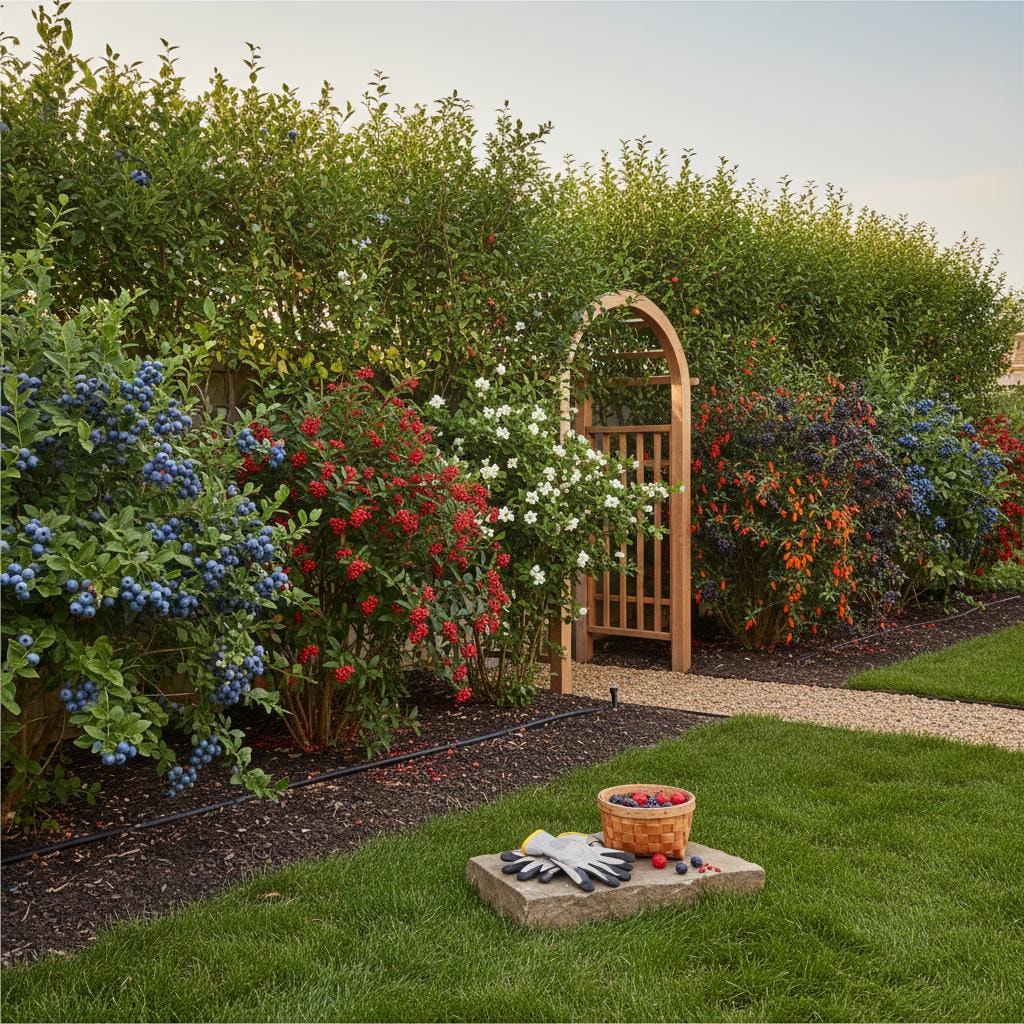
- Blueberries: These shrubs reach 4 to 6 feet tall and prefer acidic soil with a pH of 4.5 to 5.5. Plant highbush varieties in full sun for yields of up to 15 pounds per mature bush, featuring white spring flowers and fiery autumn foliage.
- Currants and Gooseberries: Growing 3 to 5 feet high, these tolerate partial shade and neutral soils. Red or black currants produce tart fruits ideal for preserves, while gooseberries offer green-to-purple berries; both resist common pests and yield in early summer.
- Aronia (Chokeberry): This tough option forms hedges up to 8 feet dense enough for screening. It adapts to wet or dry soils and zones 3 through 8, delivering astringent berries high in antioxidants for juices or pies, with white flowers and red fall leaves.
- Serviceberry (Juneberry): Multi-stemmed plants grow 6 to 20 feet, thriving in full sun to partial shade. Early summer brings purple-blue fruits resembling blueberries, followed by orange-red autumn color; downy serviceberry suits smaller spaces at 10 feet maximum.
- Raspberries and Blackberries: Train these on wires for 5- to 7-foot fences, selecting everbearing types for two harvests annually. They demand full sun and fertile soil, producing sweet red or black drupelets; thornless cultivars ease handling.
Combine species for extended appeal. Pair blueberries with serviceberries to stagger blooming and fruiting, drawing bees and butterflies while providing year-round texture. Consult local extension services for zone-specific recommendations to maximize success.
Site Preparation and Planting Techniques
Success begins with soil preparation to support root establishment. Test pH and nutrient levels using a home kit, amending as needed; for example, incorporate sulfur for acid-loving blueberries or lime for alkaline-tolerant currants. Dig a trench 18 inches wide and 12 inches deep along the line, mixing in 2 to 3 inches of aged compost to improve fertility and structure.
Space plants according to mature spread: 3 to 4 feet for blueberries, 2 to 3 feet for currants. Position each at the same depth as in its nursery pot, ensuring the root flare sits level with the soil surface. After placement, firm the earth gently and water thoroughly with 5 to 10 gallons per shrub to eliminate air pockets.
Mulch with 2 to 3 inches of organic material like bark chips around bases, extending to the drip line but avoiding stem contact to prevent rot. For thorny varieties such as blackberries, allocate 3 feet of access space on each side. Plant in early spring or fall for optimal root development before extreme weather.
Maintenance Strategies for Healthy Development
Regular attention ensures hedges remain vigorous and shapely. Prune annually to promote airflow and fruiting; for blueberries, remove one-third of oldest canes in late winter, while raspberries require summer tipping of new shoots to 4 feet. Use sharp bypass shears for clean cuts, targeting diseased or crossing branches first.
Fertilize in early spring with a balanced organic product, applying 2 to 4 pounds per 100 square feet based on soil tests. Irrigate deeply during the first two years, providing 1 inch of water weekly in dry periods via drip lines to minimize evaporation. Monitor for issues like aphids on serviceberries, treating with a strong water spray or horticultural oil applications.
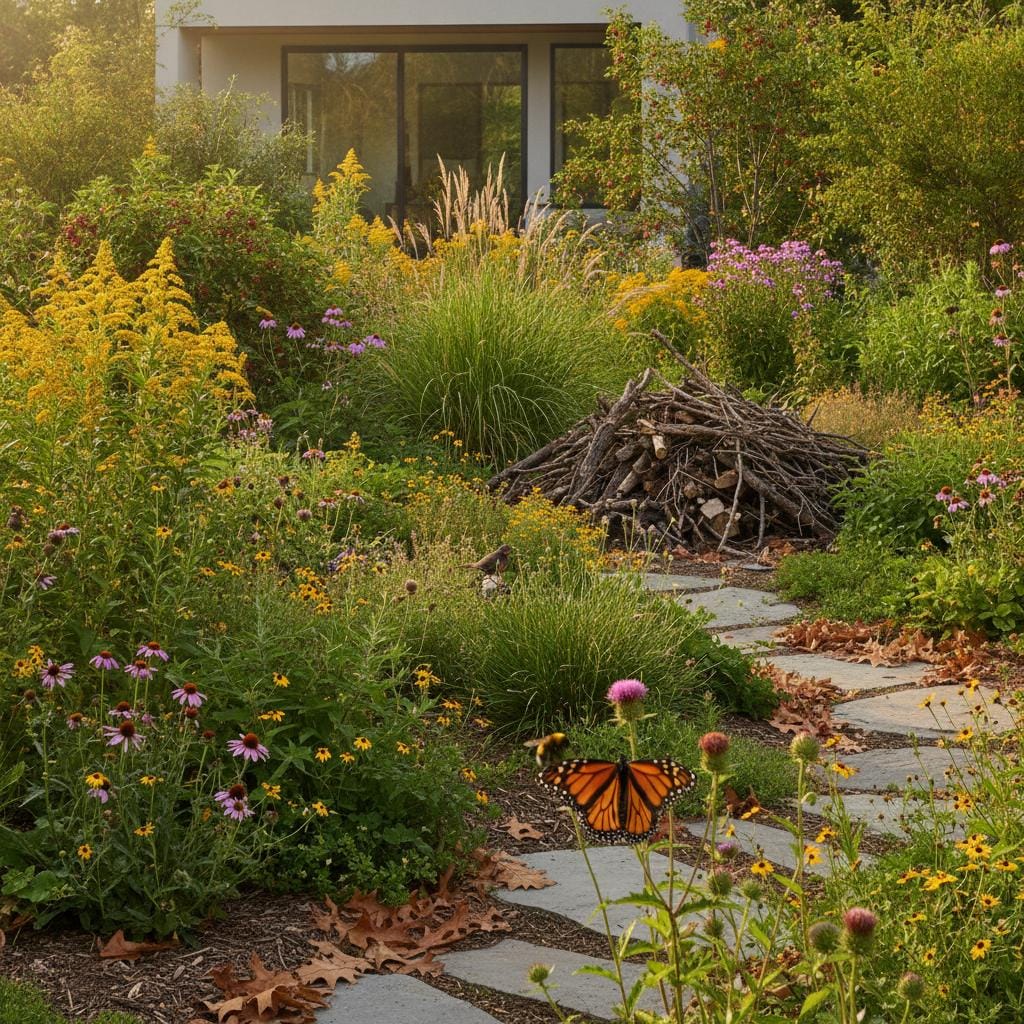
Seasonal tasks build resilience. In fall, rake fallen leaves to curb disease, and in winter, inspect for rodent damage on bark. These practices not only sustain productivity but also enhance the hedge's role as a wildlife habitat, with berries feeding songbirds and flowers supporting native insects.
Harvesting Rewards and Long-Term Integration
As the hedge establishes, observe its contributions to your landscape. Early harvests signal maturity, with currants ripening in June and aronia in September, providing fresh ingredients for meals and preserving. The evolving canopy offers dappled shade, cooling patios while filtering views for subtle privacy.
Engage family in the process to foster appreciation. Children can pick low-hanging fruits, learning about plant cycles, while adults experiment with recipes like serviceberry pancakes or blackberry vinaigrettes. This interactive element turns the hedge into a shared asset, strengthening bonds with nature.
Sustained care yields compounding benefits. The structure improves soil health through leaf litter, reduces erosion along borders, and lowers maintenance compared to non-productive hedges. Ultimately, this investment creates a self-sustaining feature that enriches daily life and elevates the property's ecological footprint.