Edible Hedges: Create a Productive Yard Boundary
Homeowners increasingly seek landscapes that serve multiple roles. Edible hedges fulfill this by providing privacy screens that also yield fresh produce. These plantings transform ordinary yard edges into sources of fruit, herbs, and nuts, enhancing both functionality and enjoyment.
Redefine Hedge Functions
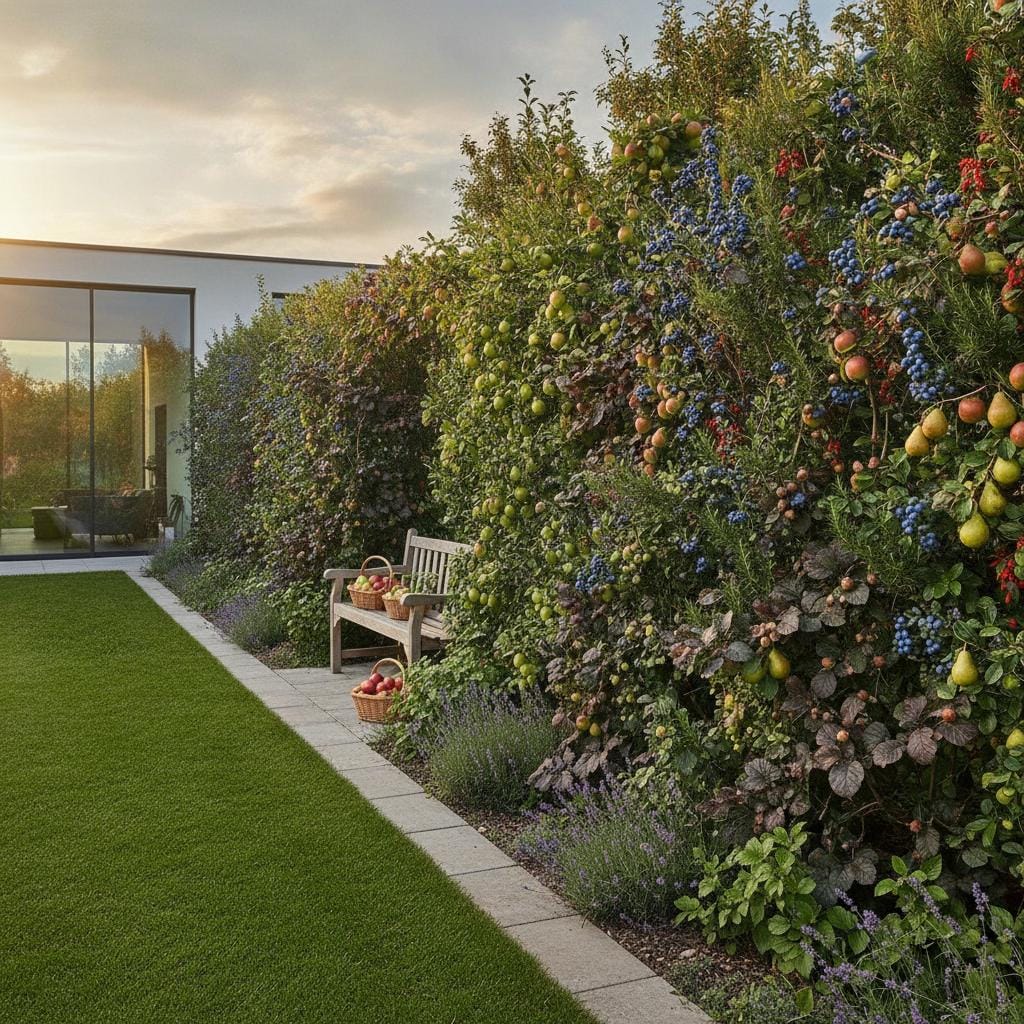
Standard hedges primarily offer visual separation and windbreaks. Edible versions extend these benefits with harvestable yields. They maintain structure while producing edible elements, such as berries in summer or aromatic leaves for cooking.
This approach suits yards aiming for efficiency. Replace low-yield evergreens with options like fruit bushes that require similar upkeep but deliver meals. A line of elderberries, for instance, screens views and supplies juice or syrup ingredients throughout the season.
Select Plants Suited to Site Conditions
Effective edible hedges start with plants adapted to local conditions. Evaluate sunlight exposure, soil pH, and moisture levels to ensure vigorous growth and reliable production.
Consider these proven selections:
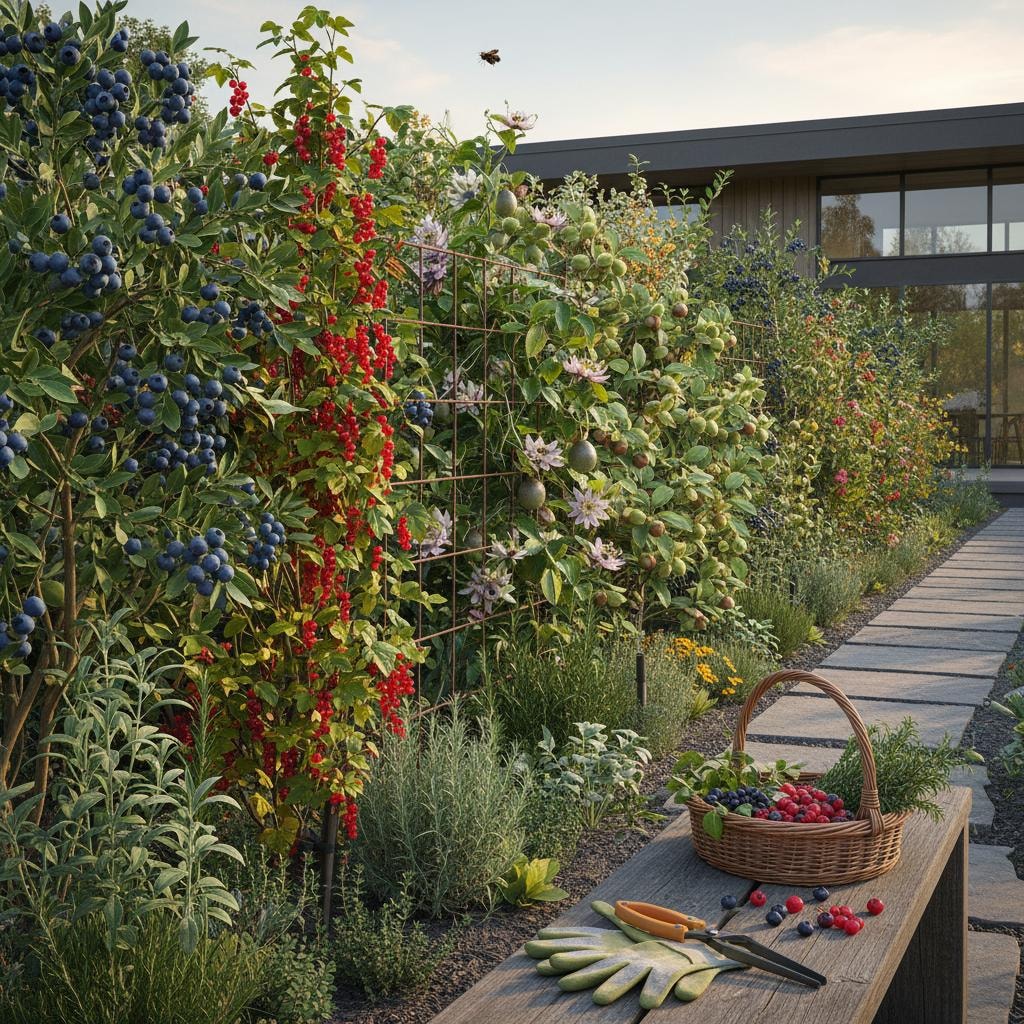
- Blueberries: Thrive in acidic soils (pH 4.5-5.5) with full sun to partial shade; prune annually to sustain yields of up to 10 pounds per mature bush.
- Serviceberries: Adapt to various soils and full sun; expect white spring flowers, purple summer berries, and red fall foliage on plants reaching 15 feet.
- Gooseberries and currants: Excel in partial shade and moist, well-drained soil; harvest green or ripe fruits for pies, starting year two after planting.
- Raspberries and blackberries: Prefer full sun and fertile loam; support with trellises for hedges up to 6 feet, yielding 5-10 pounds per plant.
- Lavender, rosemary, or sage: Ideal for sunny, dry sites with sandy soil; shear after flowering to harvest leaves for culinary use year-round.
- Hazelnuts: Grow in full sun with neutral soil; form thickets up to 10 feet tall, producing nuts after 3-5 years.
Prune these into formal shapes as needed, combining deciduous types for seasonal change with evergreens for constant coverage. Test soil pH with a kit before planting to match selections accurately.
Achieve Balance in Form and Yield
Design edible hedges to prioritize both aesthetics and productivity. Maintain density for screening while ensuring airflow to prevent disease and promote fruit set.
Approach the layout as a deliberate composition. Space plants 3-6 feet apart based on mature size, and group similar varieties in 10-20 foot segments for visual unity.
Follow these design steps:
-
Sketch the hedge path and project mature dimensions to avoid overcrowding structures.
-
Cluster plants in repeats of three to five for intentional patterns.
-
Incorporate gates or paths every 20-30 feet for easy access to inner branches.
-
Position taller fruiters at the back and low herbs in front for layered views.
Regularly assess growth; thin crowded areas in late winter to direct energy toward edibles.
Establish Plants for Long-Term Success
Plant edible hedges in early spring or fall to allow root development before extremes. Amend soil with 2-4 inches of compost per 100 square feet, tilling to 12 inches deep for root penetration.
Water new plants to 1 inch per week for the first year, using soaker hoses to target roots. Apply 3-inch mulch layers around bases, refreshing annually to retain moisture and deter weeds.
In the establishment phase, prune only dead or crossing branches. Focus on building a sturdy skeleton; full production typically begins in year three. Monitor for pests like aphids, treating with insecticidal soap if infestations appear.
As maturity approaches, tailor pruning: For cane fruits, cut spent stems to ground level post-harvest. For herbs, harvest one-third of growth monthly to encourage density. Thin nut shrubs by removing 20 percent of older branches yearly.
Enjoy Seasonal Cycles
Edible hedges evolve vividly through the year. Spring blooms draw bees essential for pollination. Summer branches sag with ripe produce ready for picking.
Fall accents include colorful leaves and lingering fruits for wildlife. Winter bare forms offer textural interest, with persistent berries on some varieties providing bird feed.
Track these shifts in a garden journal to anticipate care needs. This awareness fosters a rewarding routine, turning the hedge into an integral part of daily life.
Realize Broader Advantages
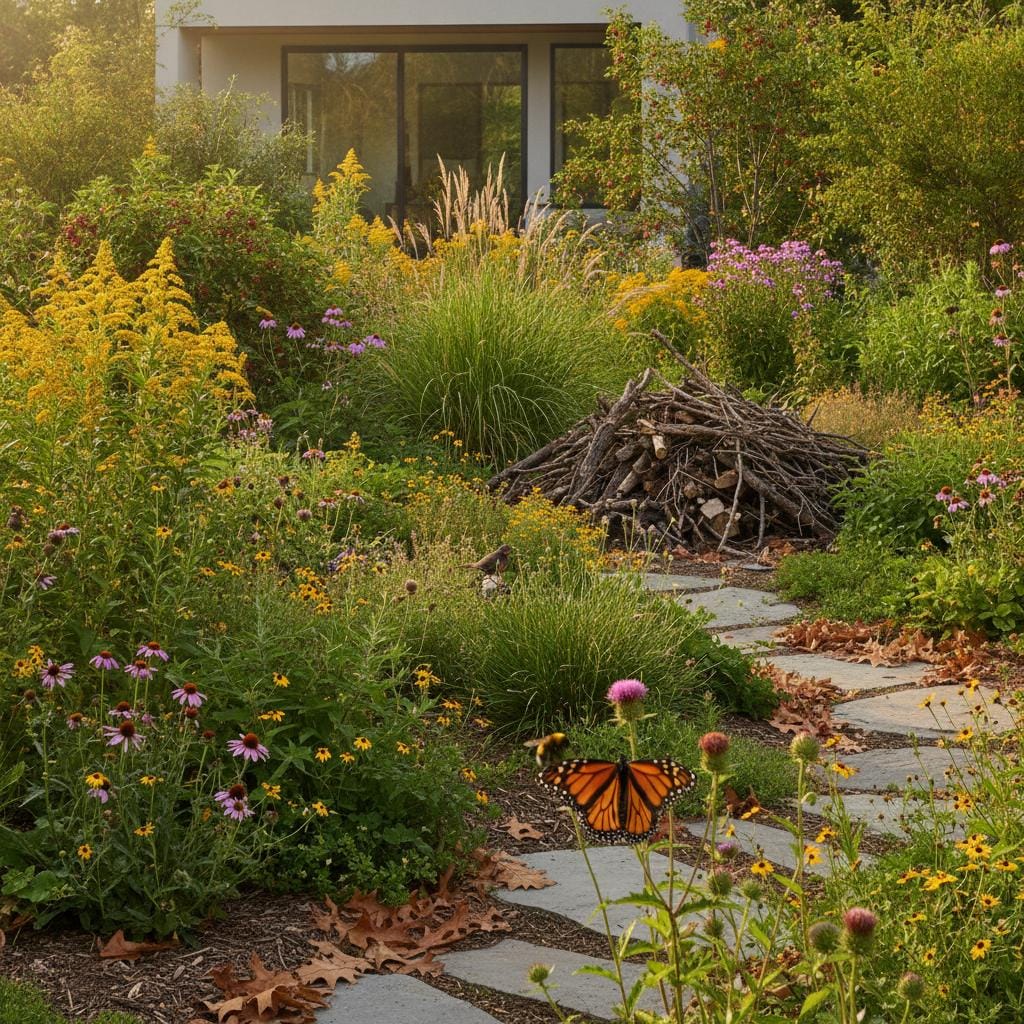
Edible hedges enhance yard ecosystems. Their foliage shelters songbirds and ladybugs, natural pest controllers. Blossoms sustain bees, boosting nearby vegetable yields by up to 30 percent.
Roots bind soil against erosion, filtering rainwater effectively. Diverse plantings resist monoculture vulnerabilities, minimizing disease cycles.
Sustainability follows naturally: Apply compost tea monthly instead of synthetics, cutting chemical inputs. This practice yields healthier plants and supports local biodiversity.
Implement Purposeful Expansion
Integrate edible hedges gradually to match your landscape. Begin with a 20-foot trial along a sunny border, selecting two compatible varieties like currants and rosemary.
Observe performance over two seasons, adjusting irrigation or soil as needed. Success here justifies broader application, perhaps encircling a patio for enclosed abundance.
Document yields to refine choices; a single blueberry hedge might supply 20 quarts annually for a family of four.
Adapt and Maintain Over Time
Mature hedges demand ongoing observation. Replace underperformers, such as shade-stressed berries, with better fits like shade-tolerant gooseberries.
Underplant with low-growers like strawberries to maximize space without competition. Annual soil tests guide amendments, ensuring nutrient balance.
Engage neighbors by sharing excess harvest, fostering community ties. This shared aspect elevates the hedge beyond utility to a relational element.
Launch Your Edible Hedge Project
Initiate with site analysis: Measure sun hours and test soil in potential spots. Source disease-free plants from reputable nurseries, planting at the same depth as their pots.
Commit to weekly checks in the first season, watering and weeding promptly. Harvest regularly to stimulate production, storing extras by freezing or drying.
The outcome extends privacy with tangible benefits: Fresh ingredients reduce grocery needs, wildlife thrives, and your yard pulses with purpose. This investment in living edges yields enduring satisfaction.