Edible Hedges: Privacy Screens That Produce Fresh Fruit
Gardens that provide more than visual appeal offer lasting satisfaction. Edible hedges combine seclusion with nourishment, creating boundaries that yield berries, herbs, or fruits. These features integrate form and function, transforming yard edges into productive elements.
Understanding Edible Hedges
An edible hedge consists of closely spaced plants forming a dense barrier while generating edible yields. Up close, visitors notice fruit clusters or aromatic foliage amid the greenery. This approach achieves equilibrium in landscape design by uniting ornamental value with practical output.
Such hedges suit compact urban lots or expansive properties. They delineate spaces, buffer structures, or form intimate areas. Ultimately, they demonstrate how divisions can contribute positively to the environment.
Selecting Suitable Plants
Plant selection hinges on local conditions, including hardiness zones, soil pH, and upkeep preferences. Formal hedges require frequent shearing for tidy outlines, whereas informal ones allow natural growth. Match choices to site specifics for optimal results.
Consider these categories for variety:
Berry-Producing Options
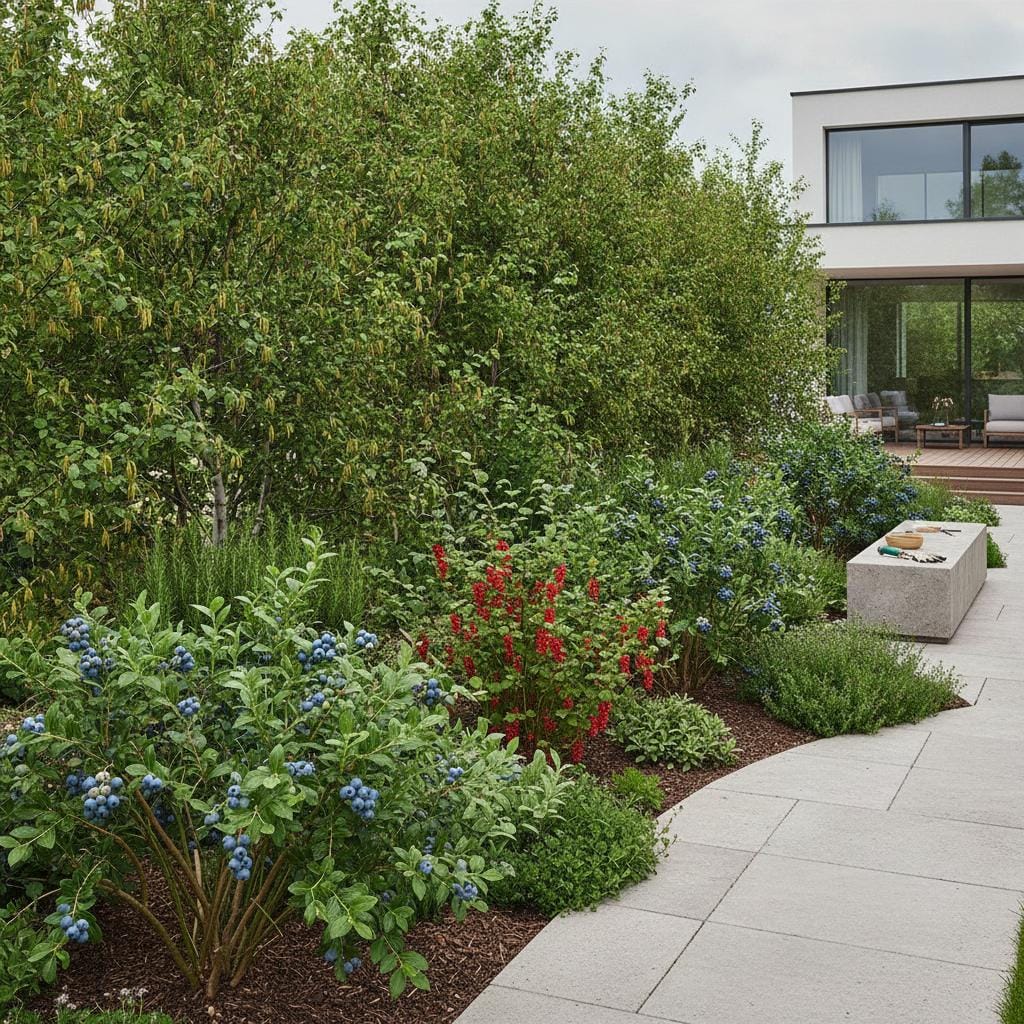
- Blueberries form vibrant hedges with spring blooms, midsummer harvests, and fall crimson leaves. They thrive in acidic, moist soil under full sunlight.
- Currants and gooseberries endure partial shade and stay compact, ideal for tight spaces. Harvest tart fruits for desserts or preserves.
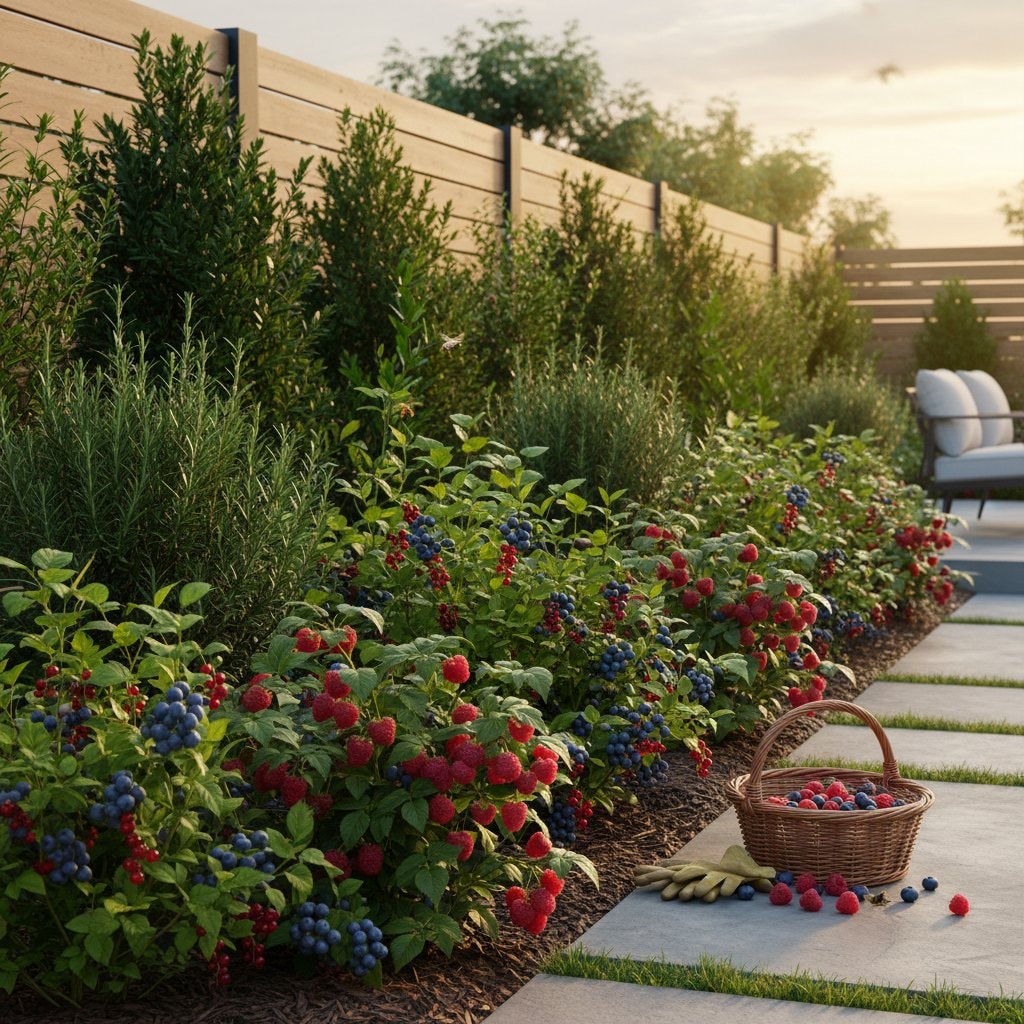
- Raspberries and blackberries yield abundant crops but expand vigorously. Install barriers like root dividers to control spread and support wildlife.
Fruiting Shrub Varieties
- Serviceberries display spring white flowers followed by sweet purple berries resembling blueberry-almond blends. They adapt to diverse soils and offer striking autumn hues.
- Chokecherries and aronia berries withstand harsh conditions, providing fruits for jellies or juices alongside vivid fall displays.
- Pomegranates, suited to USDA zones 8 and warmer, feature vivid blooms and ornamental fruits that enhance warm-climate borders.
Evergreen Edible Choices
- Bay laurel delivers year-round density and culinary leaves with a subtle aroma.
- Rosemary excels in zones 7 and above, contributing woody texture and evergreen coverage to shorter hedges.
- Olives and feijoa suit Mediterranean-like areas, pairing persistent leaves with seasonal fruits like tangy guavas.
Layer selections strategically: alternate species for year-round interest while repeating key plants for cohesion. Avoid excessive mixing to prevent a disjointed appearance; aim for balanced repetition instead.
Achieving Aesthetic and Yield Balance
Design edible hedges to complement decorative borders through intentional shaping. Prioritize both visual appeal and output by addressing form, placement, and nutrition equally.
- Form Decisions: Opt for clipped precision with responsive plants like blueberries or bay laurel. Select looser profiles using berries or serviceberries for organic contours.
- Plant Spacing: Allocate 2 to 4 feet between specimens based on mature size to promote air circulation and superior fruit development.
- Soil Preparation: Incorporate organic matter like compost to ensure drainage and fertility. Test pH annually and amend as needed for acid-loving types.
- Pollination Strategies: Pair compatible cultivars for species needing cross-pollination, such as certain blueberries, to maximize berry sets.
These hedges foster biodiversity, drawing bees for pollination and birds for seed dispersal. The result extends beyond human benefits to support local ecosystems.
Navigating Seasonal Changes
Edible hedges evolve distinctly across the year, surpassing static ornamental types in dynamism. Spring unveils delicate flowers, summer buzzes with pollinators and ripening produce, autumn delivers foliage color and late harvests, and winter exposes branching architecture.
Incorporate care into annual cycles: shear post-fruiting or in late winter to refresh growth. For cane fruits like raspberries, excise spent stems immediately after picking to stimulate vigor. Apply 2 to 3 inches of mulch in early spring to retain moisture and suppress competitors.
Observation refines techniques over seasons, aligning maintenance with each plant's response.
Integrating with Garden Styles
Tailor edible hedges to architectural themes through plant palettes and grooming methods.
- Rustic Settings: Combine raspberries, currants, and native herbs for textured, untamed edges that evoke countryside charm.
- Contemporary Designs: Employ uniform rows of sheared blueberries or feijoa for sleek, monochromatic lines.
- Cottage Influences: Intermingle fruit shrubs with perennials like lavender or underplant with strawberries for layered, overflowing abundance.
Imperfections add authenticity; slight asymmetries highlight the vitality of growing elements.
Launching a Trial Hedge
Test the concept with a modest installation to assess fit. Select three to five shrubs for a 10-foot segment along a boundary.
Monitor establishment: water weekly during the first season, note fruit initiation after year two, and adjust pruning based on branch density. This trial informs scaling up, revealing production potential and spatial harmony.
Patience yields results; initial outputs build to reliable abundance by year three or four.
Essential Upkeep Practices
Sustain hedge vitality through consistent routines that preserve health and output.
- Irrigation: Deliver 1 inch of water weekly during dry spells, focusing on root zones to build resilience.
- Nutrition: Apply balanced, slow-release fertilizers in early spring, supplementing with compost midseason for micronutrients.
- Shearing Techniques: Thin crowded areas annually; for brambles, remove 25 percent of oldest canes post-harvest.
- Collection Methods: Harvest at peak ripeness every few days to sustain yields and minimize losses.
- Protection Measures: Drape lightweight netting over maturing fruits or hang shiny deterrents to safeguard crops from birds.
These practices ensure longevity, with hedges bearing reliably for decades under attentive care.
Embracing Long-Term Rewards
Edible hedges evolve into integral yard elements, influencing routines and interactions. Snip fresh rosemary for meals or gather berries during strolls, fostering daily connections.
They cultivate mindfulness through gradual maturation and recurring cycles. The investment in time and effort returns compounded joys, from flavors to ecological harmony.
Implementing Your Hedge Plan
Enhance yard privacy with productive plantings suited to your region. Prepare sites by tilling in amendments, space according to guidelines, and schedule seasonal checks. This multifunctional addition redefines boundaries as sources of sustenance and delight.