Grow Edible Hedges for Privacy and Fresh Fruit
Standing in the garden and harvesting a berry or fruit directly from a boundary hedge provides profound satisfaction. A hedge serves purposes beyond defining property lines or obstructing views. It nourishes, attracts pollinators, and integrates natural elegance into the outdoor layout. Through years of experience, edible hedges emerge as more than barriers; they represent dynamic sources of plenty that unite aesthetics and utility in unique ways.
The Concept of a Productive Boundary
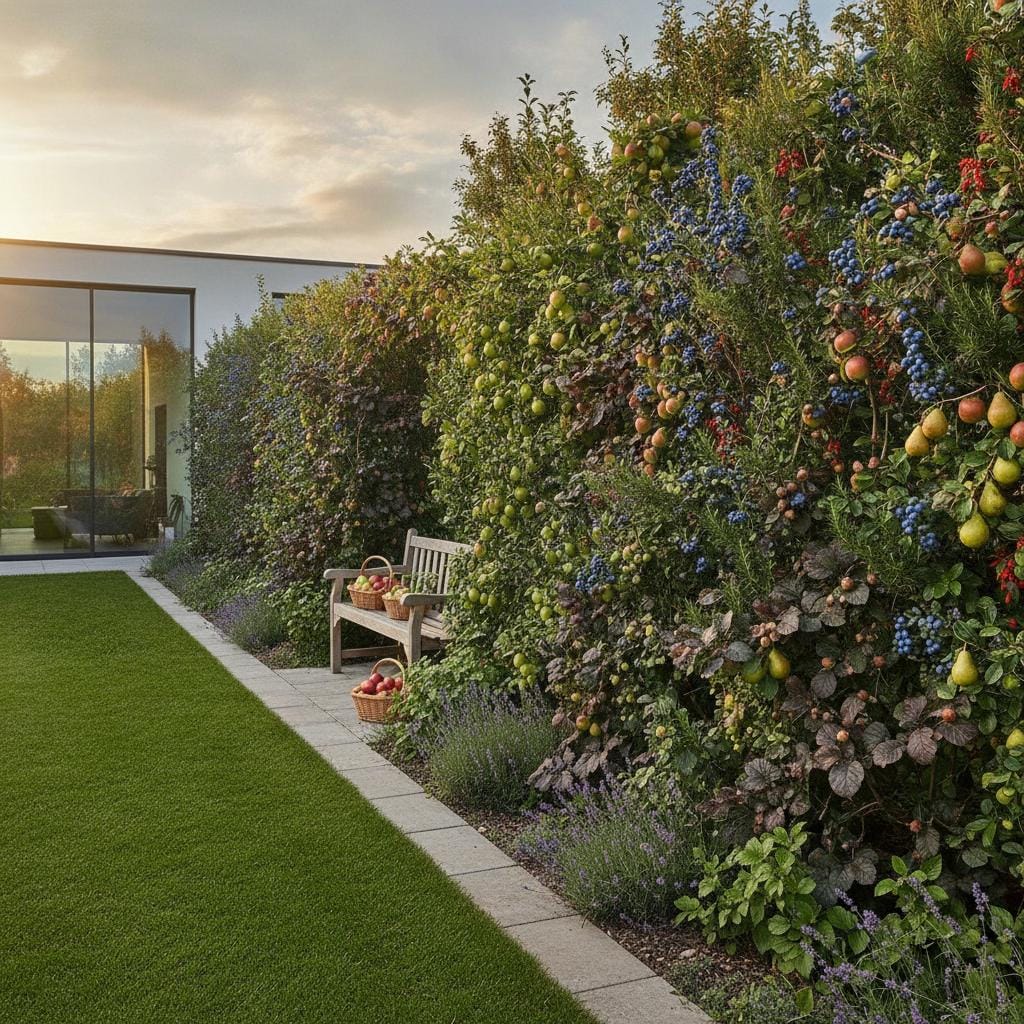
Traditional hedges often evoke neatly clipped evergreens. Such options fulfill specific roles, yet hedges can encompass vibrant assemblages of fruiting shrubs and compact trees. These elements ensure seclusion while generating yields. An edible hedge merges utility with productivity, softening property perimeters and supplying berries, nuts, or fruits to enhance everyday routines.
In contrast to conventional fences that demand maintenance without returns, edible hedges strengthen and reward progressively each season. They provide shelter for birds, nectar sources for bees, and seamless transitions across garden zones. Consider them simultaneously as frameworks and food providers.
Selecting Appropriate Plants
Plant selection for an edible hedge begins with evaluating local climate and soil conditions. Certain species favor mildly acidic soil, whereas others perform well in neutral or alkaline environments. Sun exposure plays a crucial role; most fruiting shrubs require full sun for optimal output, although select varieties endure partial shade.
Consider these dependable options for edible hedges:
- Blueberries: Glossy foliage and shifting seasonal hues render them visually appealing beyond fruiting periods. They demand acidic soil and steady moisture.
- Currants and Gooseberries: These resilient, compact plants adapt to cooler areas and yield tart fruits ideal for preserves or direct consumption.
- Raspberries and Blackberries: Fast-growing varieties occupy space efficiently. Opt for thornless types to simplify upkeep.
- Aronia (Chokeberry): Spring displays white blooms, followed by deep-hued, antioxidant-packed berries in late summer.
- Hazelnuts: They form wider profiles, ideal for integrating into mixed hedges with nut production and thick leaf cover.
- Serviceberries (Juneberries): As small trees or upright shrubs, they offer delicate flowers and blueberry-like sweet fruits.
Combine varieties featuring varied ripening schedules and foliage textures to sustain interest and output throughout the year.
Achieving Balance Between Privacy and Productivity
Effective hedges conceal while permitting subtle revelations, avoiding a sense of enclosure. Planting density influences view obstruction. Base-branching shrubs establish dense, multi-tiered barriers. For species like serviceberries, incorporate understory shrubs or ground covers to seal lower voids.
Prioritize privacy by positioning plants at closer intervals, such as three feet for blueberries or currants. Emphasize fruit yields by allowing greater spacing, which promotes air movement and interior light penetration. This equilibrium fosters a dynamic rather than static hedge.
Incorporating Structure and Repetition
Successful hedges rely on rhythmic patterns, whether edible or ornamental. Repeating select plants along the length fosters cohesion. Alternate two or three shrub types in a recurring sequence to unify the composition.
Maintain natural variation by adjusting heights modestly. Position taller, erect species at the rear and shorter ones forward. Such layering enhances visual appeal and facilitates fruit access. As plants develop, the framework thickens and produces more abundantly.
Preparing Soil and Planting
Vigorous soil forms the essential base for a flourishing hedge. Eliminate weeds and aerate the soil along the intended line. Incorporate organic amendments like compost to enhance drainage and nutrient levels. For acid-preferring plants such as blueberries, integrate peat moss or pine needles to adjust pH downward.
Excavate holes two times wider than each root ball, without exceeding original depth. Position plants at container-grown levels and irrigate deeply post-planting. Apply mulch using wood chips or bark shreds to retain water and inhibit weeds. Gradually, the mulch decomposes, enriching the soil.
Ongoing Care and Maintenance
Edible hedges require attention comparable to other fruiting shrub groupings. Provide irrigation during droughts to sustain health, particularly in early establishment phases. Established plants endure brief dry intervals, yet reliable moisture improves production.
Pruning maintains shape and vigor. Annually excise deceased or intersecting branches to improve circulation. For berry producers, eliminate spent canes post-harvest to renew growth. Shape taller elements lightly after fruiting to uphold form while preserving future yields.
Apply fertilizer judiciously; excess nitrogen promotes foliage over fruit. A balanced, slow-release organic formula in early spring suffices.
Integrating Beauty and Utility
Edible hedges seamlessly enhance landscapes through seasonal transformations. Spring blossoms introduce vibrancy, summer fruits add color, and autumn foliage provides warmth. Winter reveals branch architectures and lingering berries for textural interest.
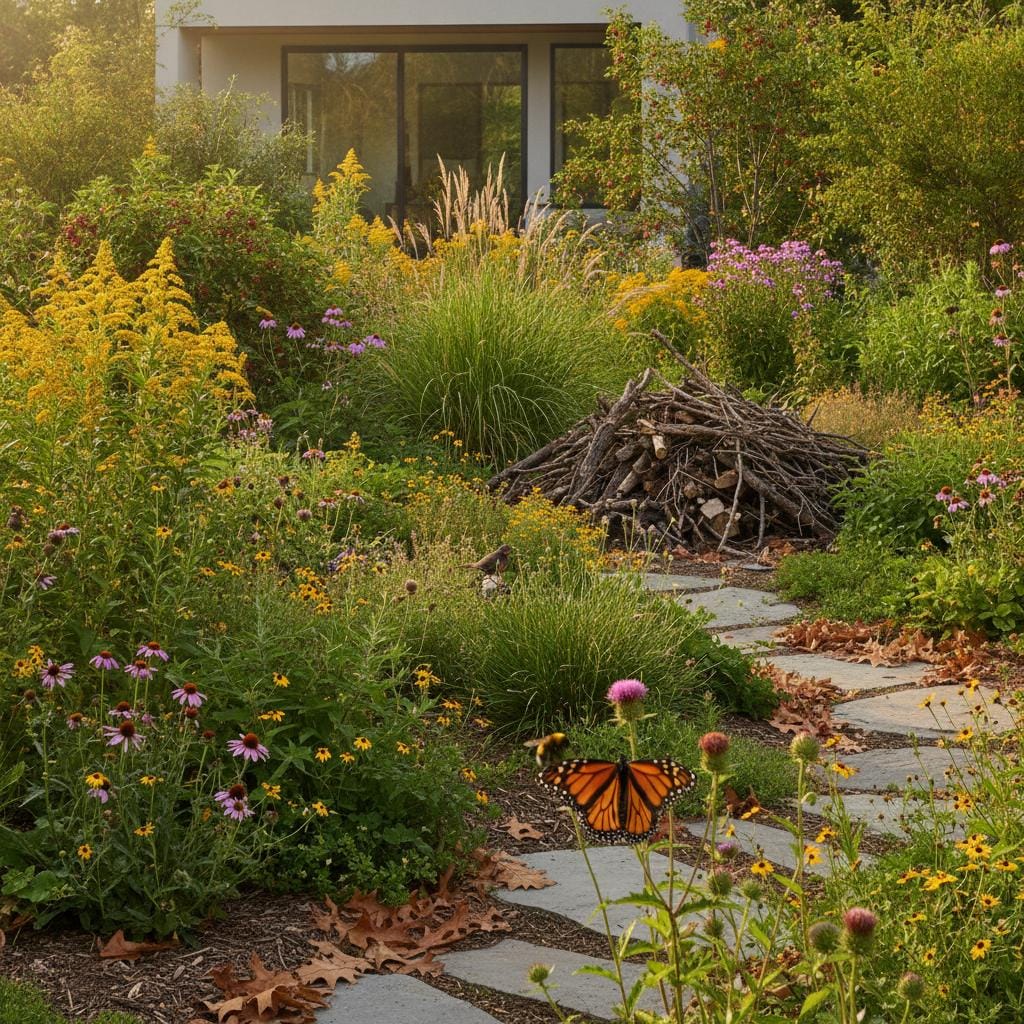
Pair with ornamental companions for amplified effects. Border with low herbs such as thyme or chives. Include pollinator-friendly perennials like echinacea or black-eyed Susan to support fruit set. Aim for hedges that integrate holistically, beyond mere divisions.
Natural Versus Formal Approaches
Gardeners favor distinct aesthetics. Formal edible hedges employ precise pruning for crisp outlines. Evenly sheared blueberries or currants suit compact urban plots.
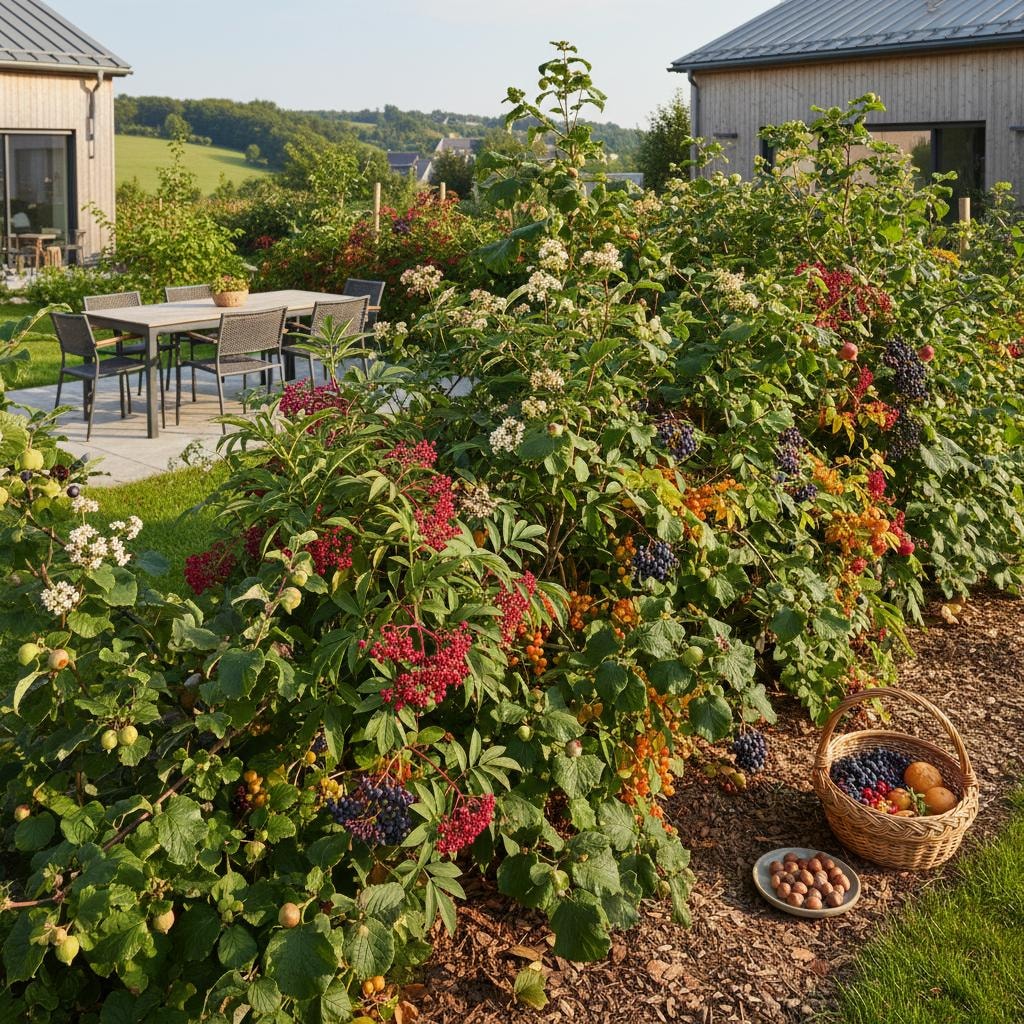
Naturalistic versions permit freer growth, merging forms for casual allure. Interweave raspberries with aronia or serviceberries to form wildlife-friendly thickets. This method fits expansive rural landscapes, allowing modest spread without disorder.
Each style delivers seclusion and harvests; selection aligns with site and preference.
Supporting Wildlife and Pollination
Fruit hedges create vital refuges for birds, bees, and butterflies. Avian visitors consume berries and manage pests. Bees gather nectar, aiding bloom-to-fruit conversion.
Foster these alliances by minimizing chemical applications. Plant adjacent nectar sources to draw beneficial insects. Add simple water features like shallow basins to invite allies. Thriving wildlife integrates the hedge into a balanced ecosystem.
Harvesting and Savoring Yields
Yields appear progressively, with early berries preceding later fruits for consistent supply. Frequent picking stimulates renewal and limits avian losses.
Consume fresh or preserve through jams, syrups, or freezing to prolong enjoyment. Distribute surplus to neighbors, fostering community ties that blend seclusion with sharing.
Nurturing Long-Term Development
Edible hedges evolve gradually. Initial years focus on establishment, followed by blooms and initial fruits. Patience yields reliable features demanding minimal effort yet providing generously.
Monitor sunlight patterns, avian activity, and pruning responses to refine care. Guide development subtly, allowing natural character and durability to emerge over time.
Implementing Your Edible Hedge
Initiate without major redesigns by starting a brief segment along a boundary. Select two or three compatible species for your conditions.
Expand incrementally, adding plants to form a unified, verdant line blending seclusion, nutrition, and elegance. An edible hedge transcends division; it embodies seclusion alongside sustenance, affirming that boundaries nourish as profoundly as core spaces.