Revolutionize Your Front Yard with Edible Beauty
Step outside your front door and consider the potential of your yard. A tidy lawn or bare soil often lacks vitality, serving only as decoration. Homeowners frequently view front yards as ornamental zones designed to impress visitors. However, integrating food-producing elements transforms this space into a multifunctional area that delivers both visual charm and practical benefits.
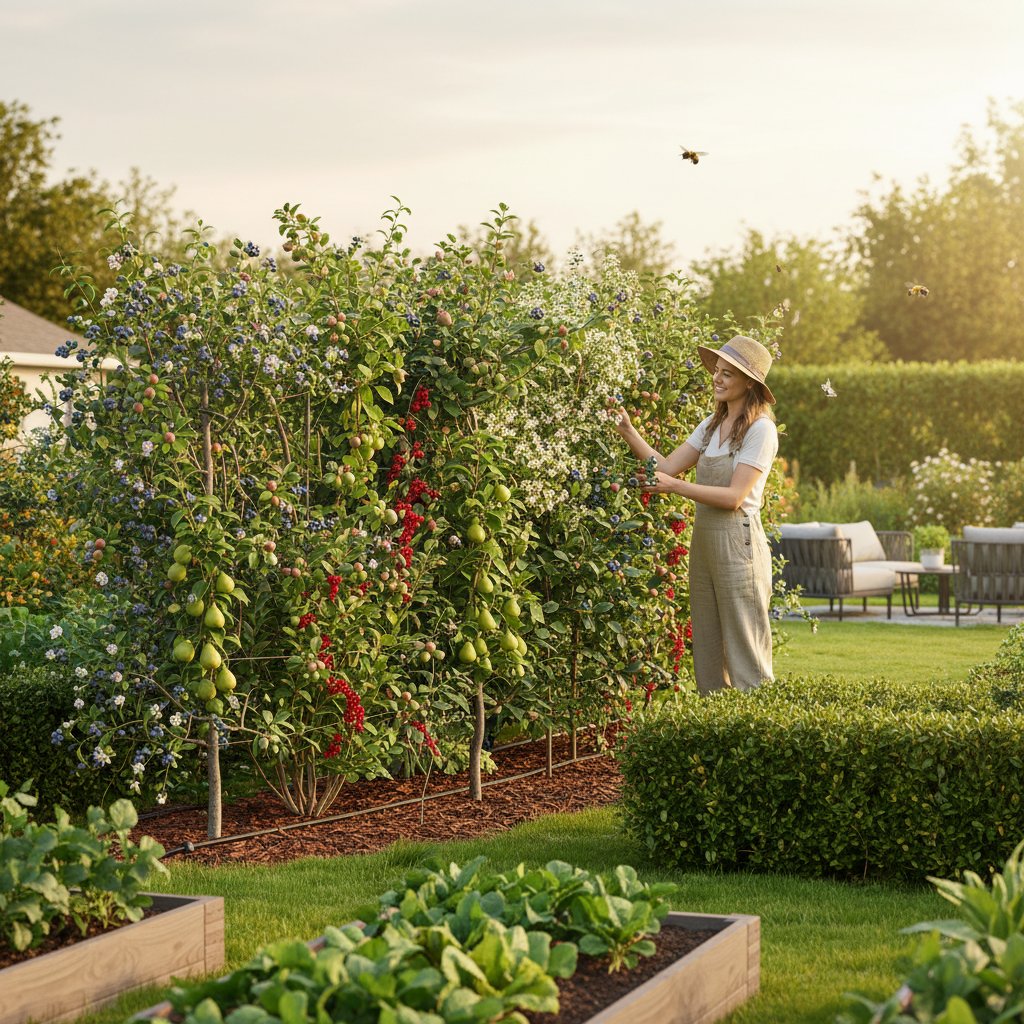
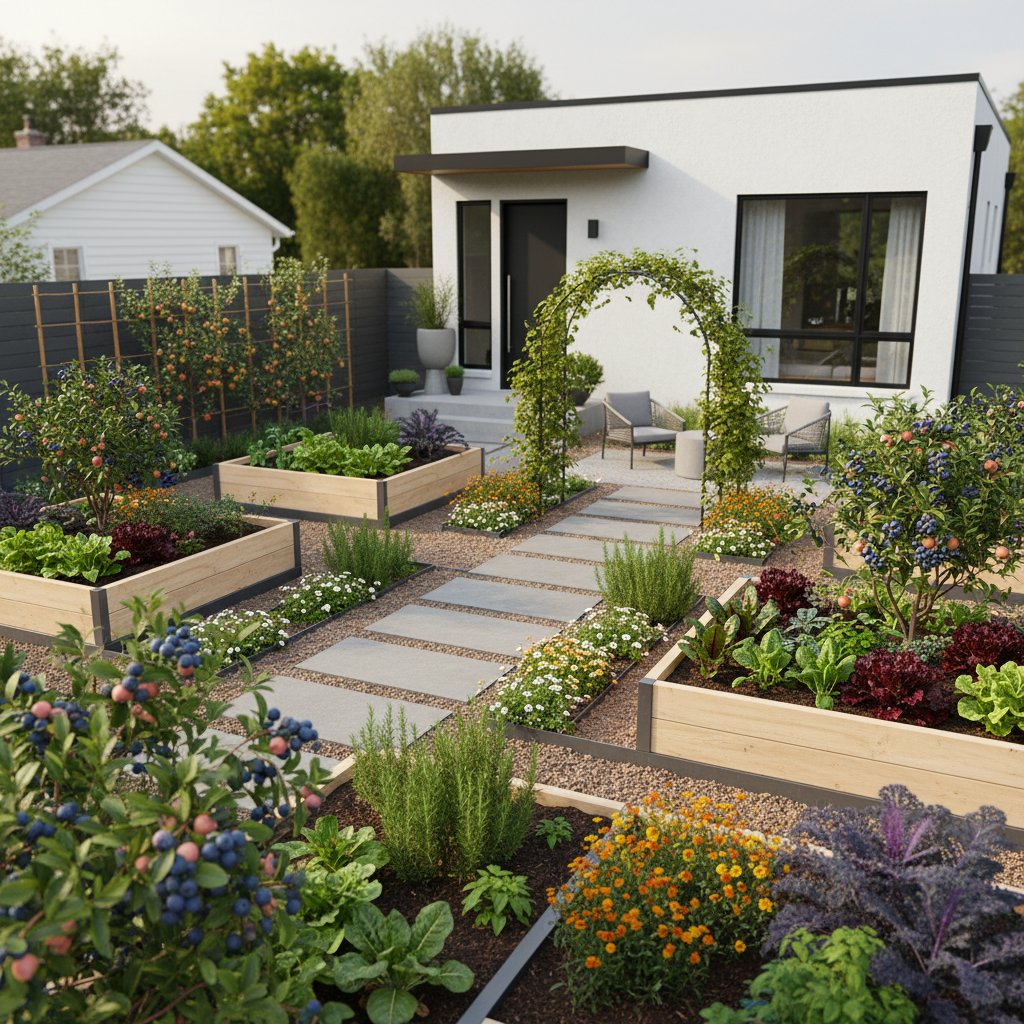
Envision a landscape where colorful flowers mingle with herbs, and fruit-laden branches frame your walkway. This concept, known as edible landscaping or foodscaping, merges beauty with productivity. Your yard evolves from a static backdrop into a dynamic living pantry that supports your household.
Rethinking the Role of Your Front Yard
The front yard represents the public face of your residence. It influences perceptions from neighbors and shapes your everyday environment. Introduce edible elements to expand its purpose beyond aesthetics, allowing it to contribute to your meals.
Edible landscaping incorporates food plants into traditional designs. Plant herbs beside perennials, position fruit trees along pathways, or substitute vibrant lettuces for conventional hedges. This method preserves curb appeal while adding utility.
Retain existing features where possible. Replace a formal boxwood hedge with a rosemary border for fragrance and culinary use. Select blueberry shrubs for their spring blooms and autumn color, mirroring the appeal of hydrangeas. Balance form and function to foster a unified, inviting space.
Evaluate Your Yard for Optimal Design
Observe your yard over several days to gather essential data. Track sunlight patterns, noting full-sun areas that receive six or more hours daily and partial-shade spots with four hours or less. Monitor drainage by watching water flow after rainfall; soggy zones indicate poor percolation.
Explore local examples during a neighborhood stroll. Identify thriving plants like dwarf citrus in sunny exposures or shade-tolerant greens under trees. These observations reveal climate-compatible choices.
Reflect on usage patterns. Frequent porch seating suggests compact edibles near access points. Active play areas call for low-maintenance, resilient options. Align plant selections with these habits to ensure the design enhances rather than hinders daily life.
Develop a Purposeful Layout
Sketch a basic plan after assessment. Assign zones based on conditions: dedicate sunny expanses to heat-loving crops like tomatoes and peppers, reserve dappled shade for spinach and lettuce, and position sun-baked edges for drought-tolerant herbs such as thyme and oregano.
Opt for structured geometric beds if you favor order, or blend edibles into informal flower borders for a relaxed vibe. Select multifunctional plants to maximize impact. Kale offers bold foliage for borders, strawberries provide evergreen ground cover with seasonal berries, and lavender delivers blooms, scent, and pollinator support.
Maximize limited areas through vertical elements. Install trellises for pole beans or espalier apples against fences. These techniques create abundance without expanding footprint.
Build a Strong Soil Foundation
Soil health underpins garden success. Aerate compacted ground using a broadfork to break up clay or hardpan, then incorporate two to three inches of compost per square yard. This amendment supplies essential nutrients and enhances structure for better root penetration and water retention.
Address drainage issues by constructing raised beds with untreated lumber or stone, elevating soil 12 to 18 inches. Mound plantings in low spots for natural elevation. Line pathways with two inches of gravel or bark mulch to suppress weeds and define circulation.
Invest time in preparation for long-term gains. Well-conditioned soil promotes robust roots that withstand drought, pests, and diseases. Initial effort yields reliable productivity across seasons.
Plant Strategically for Harmony
Group plants by compatibility to leverage natural synergies. Pair basil with tomatoes to boost flavor and repel aphids through companion planting. Intersperse marigolds among root crops to deter soil-borne nematodes.
Vary heights, textures, and colors for dynamic visuals. Use towering sunflowers or corn as backdrops, mid-level peppers for filler, and trailing nasturtiums for edges. Incorporate hues like crimson Swiss chard, violet eggplants, and sunny yellow squash for artistic contrast.
Space plants according to mature size to prevent overcrowding. For example, allow 18 inches between tomato plants and 12 inches for lettuce heads. This arrangement promotes air circulation and simplifies harvesting.
Maintain Your Edible Garden Effectively
Establish a routine to sustain vitality. Irrigate deeply once or twice weekly, applying one inch of water to encourage deep roots. Water at dawn to minimize loss and fungal risks on leaves.
Apply two to three inches of organic mulch, such as shredded leaves or straw, around plants. This layer conserves moisture, moderates soil temperature, and decomposes to feed microbes.
Prune selectively to shape growth and stimulate yields. Remove spent flowers from herbs to extend production, and thin fruit clusters on trees for larger specimens. Harvest regularly; frequent picking of greens like arugula prompts regrowth.
Supplement with compost tea or balanced organic fertilizer every six to eight weeks during the growing season. These inputs maintain fertility without disrupting soil biology. Adapt care based on performance, learning from each cycle to refine techniques.
Integrate Aesthetics with Utility
Ensure the design flows seamlessly by repeating motifs. Match the silvery foliage of artichokes with lamb's ear perennials, or coordinate berry reds with salvia blooms. This cohesion prevents a patchwork appearance.
Establish anchors like a columnar pear tree at the entrance or stacked stone planters for herbs. These elements guide the eye and spark interest.
Incorporate meandering paths of flagstone or decomposed granite for intuitive navigation. Add low-voltage LED path lights to illuminate features after dark, extending enjoyment into evenings.
Attract Pollinators and Beneficial Wildlife
Pollinators drive fruit set and seed formation in edibles. Integrate blooms such as bee balm, cosmos, or borage to provide nectar sources throughout the season.
Install a birdbath with shallow basins and pebbles for drinking stations, or hang suet feeders to draw insect-eating birds. These additions support biodiversity.
Steer clear of broad-spectrum pesticides; opt for neem oil sprays or beneficial nematodes for pest management. A vibrant ecosystem emerges as ladybugs and hoverflies take residence, naturally controlling aphids and mites.
Share and Expand the Harvest
Generosity amplifies the garden's impact. Offer surplus cherry tomatoes or mint sprigs to passersby, fostering community bonds.
Dedicate a 4x4-foot bed to high-yield items like bush beans for donation programs. This practice extends the garden's reach beyond your table.
Document successes to inspire others. Share photos of your evolving landscape at local events, encouraging collective adoption of sustainable practices.
Cultivate Lasting Garden Rewards
Monitor progress as your landscape develops. Initial seedlings signal beginnings, while bountiful yields affirm dedication.
This space reshapes home interactions. Gathering fresh produce daily fosters appreciation for natural cycles.
Continue refining based on observations. Adjust for shifting sunlight or new preferences. Your front yard emerges as a source of ongoing nourishment, blending visual delight with tangible sustenance.