Gravel Gardens: The Effortless Texture Trend for 2025
Gravel gardens provide landscapes with a serene, organic appearance that requires minimal ongoing attention. These designs incorporate gravel or decorative stone in place of expansive grass lawns or heavily planted areas. Homeowners increasingly favor this approach for its ability to introduce visual texture, striking contrasts, and simplified care within a single cohesive layout. Gravel gardens integrate seamlessly into contemporary or classic environments and demonstrate resilience against fluctuating weather patterns or challenging soil types.
Key Distinctions of Gravel Gardens
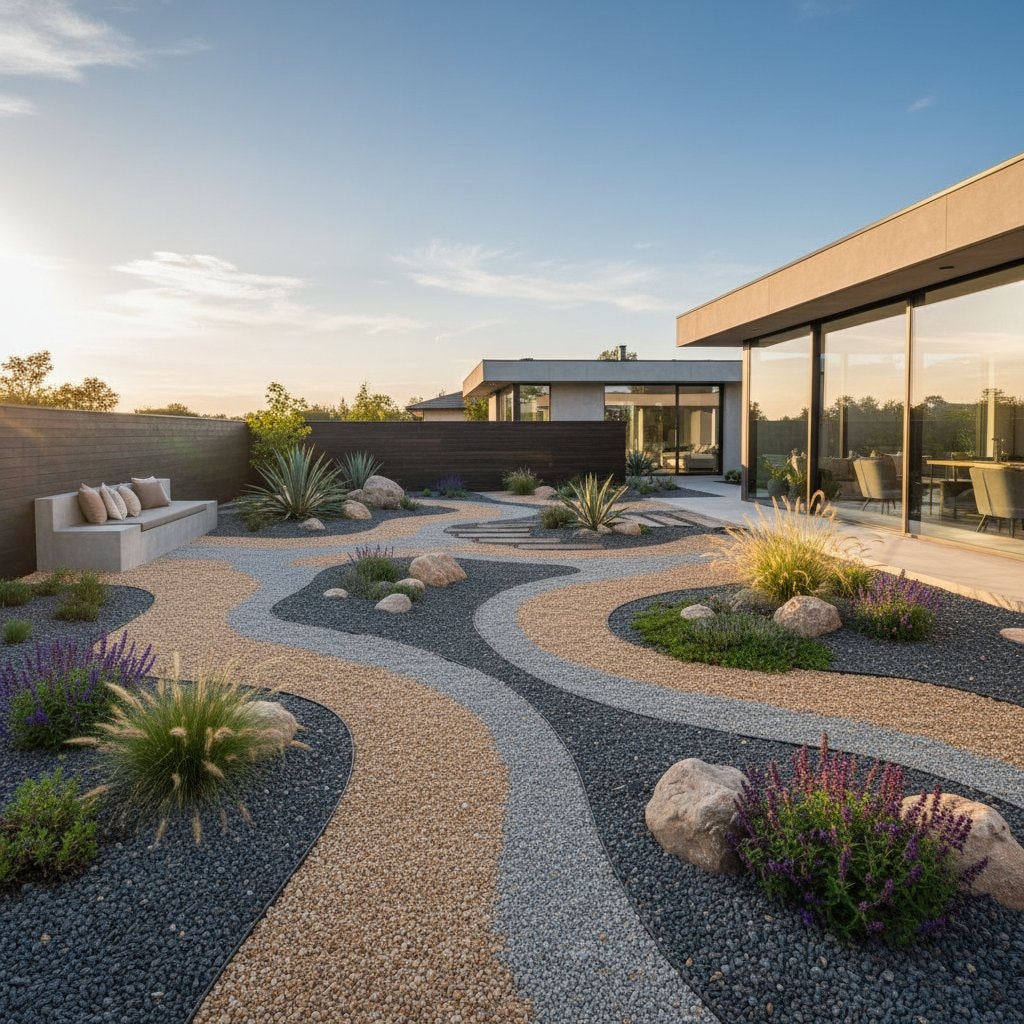
A gravel garden extends beyond mere accents of stone amid foliage; it represents a deliberate landscape strategy where gravel serves as the primary ground cover. This layered system facilitates efficient rainwater infiltration, thereby mitigating standing water and soil erosion risks. A specialized weed-suppressing fabric underlies the gravel to streamline upkeep efforts. Resilient vegetation suited to arid conditions emerges from strategic gaps among the stones, fostering a harmonious blend of hues and forms.
Property owners can employ gravel gardens to supplant sections of turf, optimize narrow side yards, or reimagine full front-yard compositions. These installations maintain visual interest across seasons without relying on frequent irrigation or mechanical trimming.
Selecting Appropriate Gravel Types
The gravel variety selected influences both the aesthetic outcome and practical performance of the garden. Consider these prevalent options:
- Pea gravel: Composed of petite, rounded pebbles measuring approximately one-quarter inch in diameter. This choice offers a soft surface ideal for pedestrian traffic and complements adjacent patios or walkways effectively.
- Crushed stone: Features an angular, coarser profile that interlocks securely when trafficked. It proves particularly stable on inclined terrains, resisting displacement.
- Decorative gravel: Offered in diverse palettes such as pristine white, warm tan, neutral gray, or multicolored assortments. Such selections create compelling contrasts with surrounding flora or boundary elements.
Apply a uniform depth of two to three inches for optimal coverage in typical installations. Insufficient thickness permits weed intrusion, while excessive depth may impede root establishment for interspersed plants.
Step-by-Step Planning for Your Gravel Garden
Commence the project by diagramming the intended area, delineating zones for circulation paths, planting pockets, and relaxation spots. Evaluate drainage patterns to ensure gravel placement enhances percolation without channeling runoff toward structures. Clear the site of entrenched weeds or sod, then grade the subsoil for evenness. Secure perimeter edging—options include galvanized metal, precast pavers, or substantial boulders—to contain the gravel and prevent migration into adjacent spaces.
With the foundation prepared, position the landscape fabric securely, followed by an even distribution of gravel. Introduce plants in the final phase by excising precise slits in the fabric to accommodate root balls, ensuring stability and growth potential.
To enhance longevity, incorporate a slight slope away from buildings during soil preparation, typically one-quarter inch per foot. Test drainage by simulating rainfall; adjustments may involve adding sand to the base layer for improved percolation in clay-heavy soils.
Ideal Plants for Gravel Garden Success
Gravel gardens thrive with selections adapted to lean, fast-draining substrates. Prioritize species tolerant of full sun exposure and infrequent hydration. Proven performers encompass:
- Lavender: Delivers fragrant purple blooms and silvery foliage that endures heat waves.
- Sedum: Forms low-growing mats with succulent leaves and star-shaped flowers in late summer.
- Yarrow: Produces flat-topped clusters of white, yellow, or pink florets atop feathery greenery.
- Catmint: Offers cascading blue-violet spikes and aromatic gray-green leaves that repel pests naturally.
- Ornamental grasses like blue fescue or fountain grass: Provide swaying movement and fine-textured contrasts.
- Succulents and creeping thyme: Supply evergreen coverage with subtle blooms and ground-hugging habits.
These specimens demand little intervention to remain visually compelling. Moreover, they draw essential pollinators, including bees and butterflies, bolstering local biodiversity.
For added variety, intersperse evergreens such as dwarf conifers or silver-leafed artemisia to maintain winter interest. Space plants according to mature dimensions—typically 12 to 24 inches apart—to allow for natural expansion without overcrowding.
Budgeting and Ongoing Maintenance
Compared to sustaining a lawn or elaborate perennial borders, gravel gardens yield substantial savings over time. Initial outlays range from two to six dollars per square foot, varying with gravel quality, botanical choices, and preparatory labor. Factor in tools like a landscape rake or edging shears for efficient execution.
Post-installation care remains straightforward. Periodically extract any fabric-penetrating weeds, refresh the gravel surface with light raking to redistribute evenly, and prune spent growth at season's end. Gravel durability minimizes replacement needs; annual top-dressing with a thin layer preserves vibrancy and depth.
In arid regions, occasional deep watering during establishment—once weekly for the first season—establishes roots firmly. Mulch around new plantings with additional gravel to suppress moisture loss further.
Creative Design Strategies for Personality
Tailor gravel gardens to personal tastes by layering elements for dynamic appeal. Integrate oversized boulders or driftwood as sculptural anchors that draw the eye. Embed flat stepping stones to guide meandering routes through denser plantings.
Cultivate intimacy with a compact bench encircled by containerized specimens or a subtle fountain that amplifies ambient tranquility. Blend particle sizes—pairing powdery pea gravel with chunky river rock—for multidimensional depth.
For formal vibes, align gravel panels with geometric borders of boxwood or low hedges. In rustic contexts, scatter native wildflowers amid the stone to evoke meadow-like spontaneity. Lighting accents, such as solar-path delineators, extend usability into evenings.
Cultivating Lasting Serenity in Your Landscape
A well-executed gravel garden yields a tranquil, refined haven free from the rigors of turf management or intensive horticulture. Its enduring beauty unfolds gradually, rewarding patient observers with shifting stone tones under varying sunlight and the subtle maturation of embedded flora. This harmonious arrangement embodies understated elegance, inviting daily appreciation of nature's quiet artistry.