Gravel Gardens: Embracing Mediterranean Style for 2026
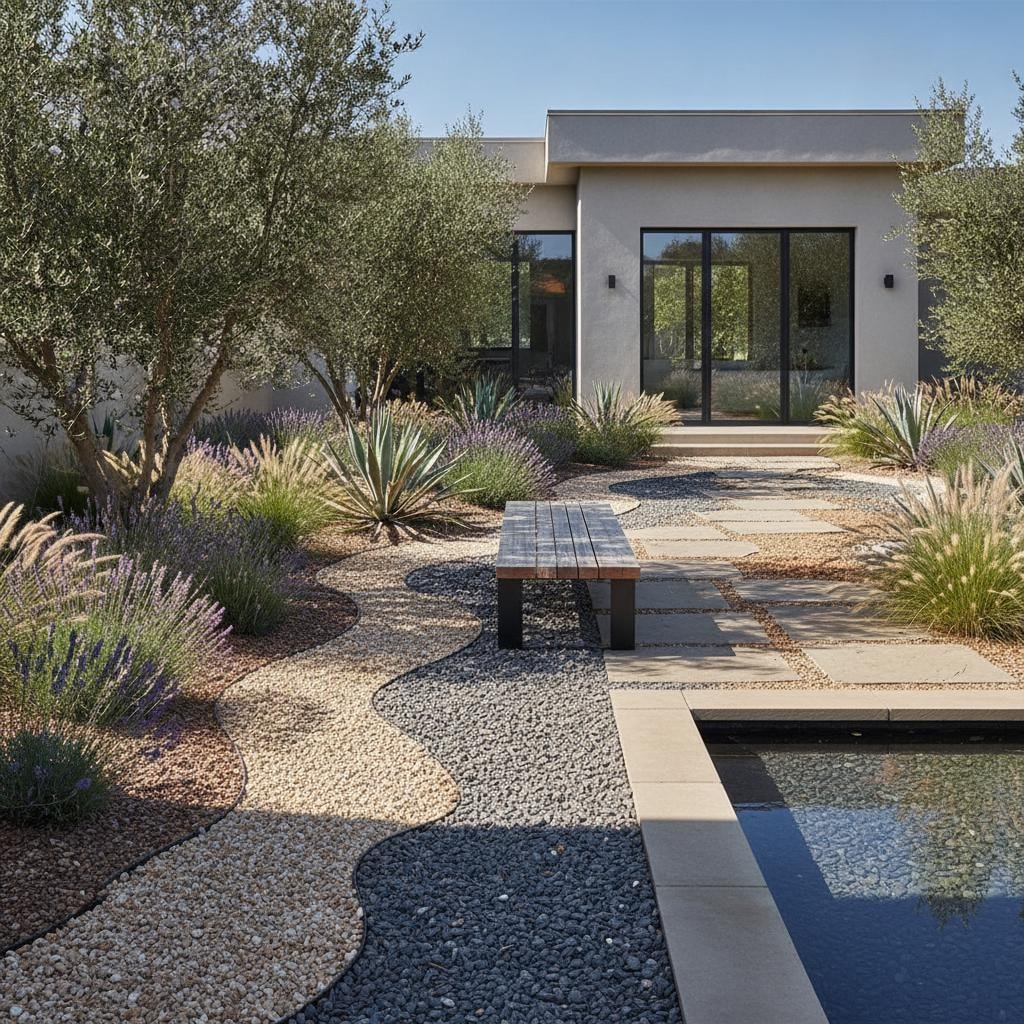
Many homeowners examine their patchy lawns and consider alternatives that reduce mowing, watering, and repairs. Gravel gardens draw from Mediterranean landscapes to combine texture, color, and drought-tolerant plants in a low-effort design. This approach replaces grass with gravel surfaces and resilient plantings that thrive in varied conditions.
A gravel garden functions as a layered habitat rather than a barren surface. It incorporates hardy species, subtle movement, and durable materials to produce a calm outdoor area. Homeowners who seek restful yet practical spaces often find this style meets their needs.
Assessing Your Site Conditions
Begin by walking through the yard to identify problem areas. Note spots where grass fails to grow, water pools after rain, or soil appears sandy or compacted. These observations guide placement and preparation without requiring a full redesign.
Focus first on one challenging section, such as a corner with poor drainage. Visualize silver foliage, lavender blooms, and a gravel path in that location. The aim remains harmony with the existing landscape rather than complete uniformity.
Designing the Layout
Mediterranean-inspired gardens rely on natural groupings and varied heights. Select ground covers, mid-level shrubs, and occasional taller accents to build depth. Sketch paths and focal points on paper before selecting materials.
Gravel options range from light cream tones that reflect sunlight to darker grays that create contrast. Match the shade to your home exterior and nearby structures. For plants, choose lavender, rosemary, sage, thyme, and ornamental grasses suited to dry conditions. Mix in regional natives or succulents while maintaining open spacing to avoid overcrowding.
Preparing the Soil and Base
Clear existing weeds and grass completely from the chosen area. Level the ground and incorporate coarse sand where drainage needs improvement. Lay permeable landscape fabric to block weed growth while permitting water penetration.
Spread two to three inches of coarse gravel over the fabric and rake it smooth. Plant through small cuts in the fabric, firming soil around each root ball. Water thoroughly at installation to encourage establishment.
Adding Functional Details
Incorporate terracotta containers, a wooden bench, or flat stones to define seating areas. Group plants with contrasting leaf shapes to maintain visual interest along paths. A shallow stone basin can attract birds without complex plumbing.
Install low solar lights along edges or near clusters for evening use. Keep fixtures subtle and warm-toned to preserve the relaxed atmosphere.
Maintaining the Garden
Water new plantings regularly during the first season until roots develop. Established Mediterranean species require minimal supplemental water afterward. Remove weeds by hand while small or rake the surface lightly to dislodge seedlings.
Apply a thin layer of fresh gravel every two years to refresh the appearance. Trim flowering herbs after bloom to promote compact growth. Cut back ornamental grasses in late winter before new shoots emerge.
Supporting Ecological Balance
Gravel surfaces allow rainfall to infiltrate the soil, which limits runoff and supports root health. The plant selection provides nectar for bees and seeds for birds when native or drought-tolerant species are used. Gravel itself lasts many seasons and can be redistributed during future adjustments.
Observing Seasonal Changes
Established gardens evolve as certain plants spread and others recede. Monitor light patterns and moisture levels to make minor corrections. Refresh gravel surfaces periodically and allow plants to develop their natural forms.
Introduce pots of seasonal herbs or flowers for added color during peak months. This measured approach yields a stable, low-input landscape that reflects both site conditions and personal routines.