Front Yards Become Edible Farms as Lawns Vanish
Many homeowners now view their front lawns as underused spaces that consume water without yielding food. Across neighborhoods, grass is giving way to fruits, herbs, and vegetables arranged in attractive, productive designs. These edible landscapes combine visual appeal with practical harvests while supporting local ecosystems.
Rethinking What a Front Yard Can Be
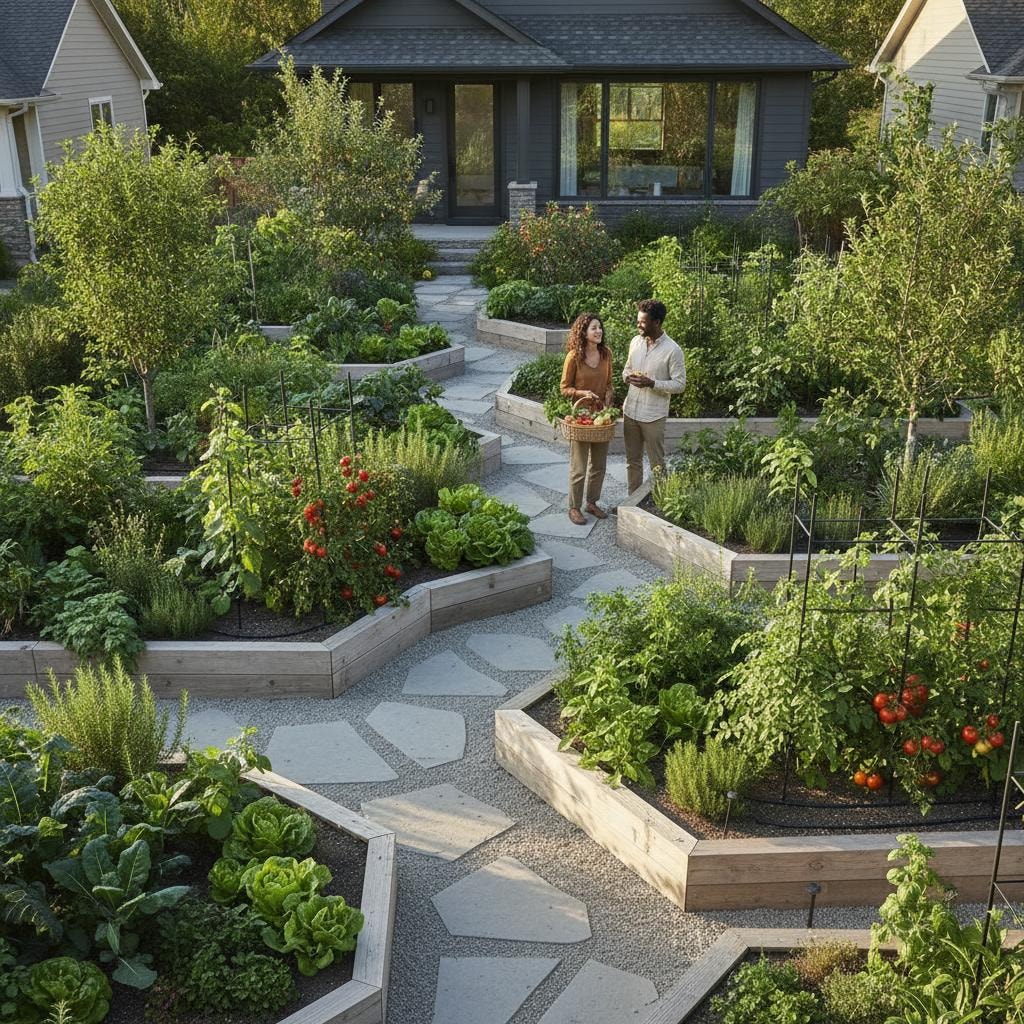
Traditional front yards emphasize trimmed grass and ornamental shrubs for curb appeal. Homeowners increasingly treat the same area as an opportunity to grow food. An edible front yard, often called a foodscape, integrates vegetables and fruiting plants into a landscape that remains neat and welcoming.
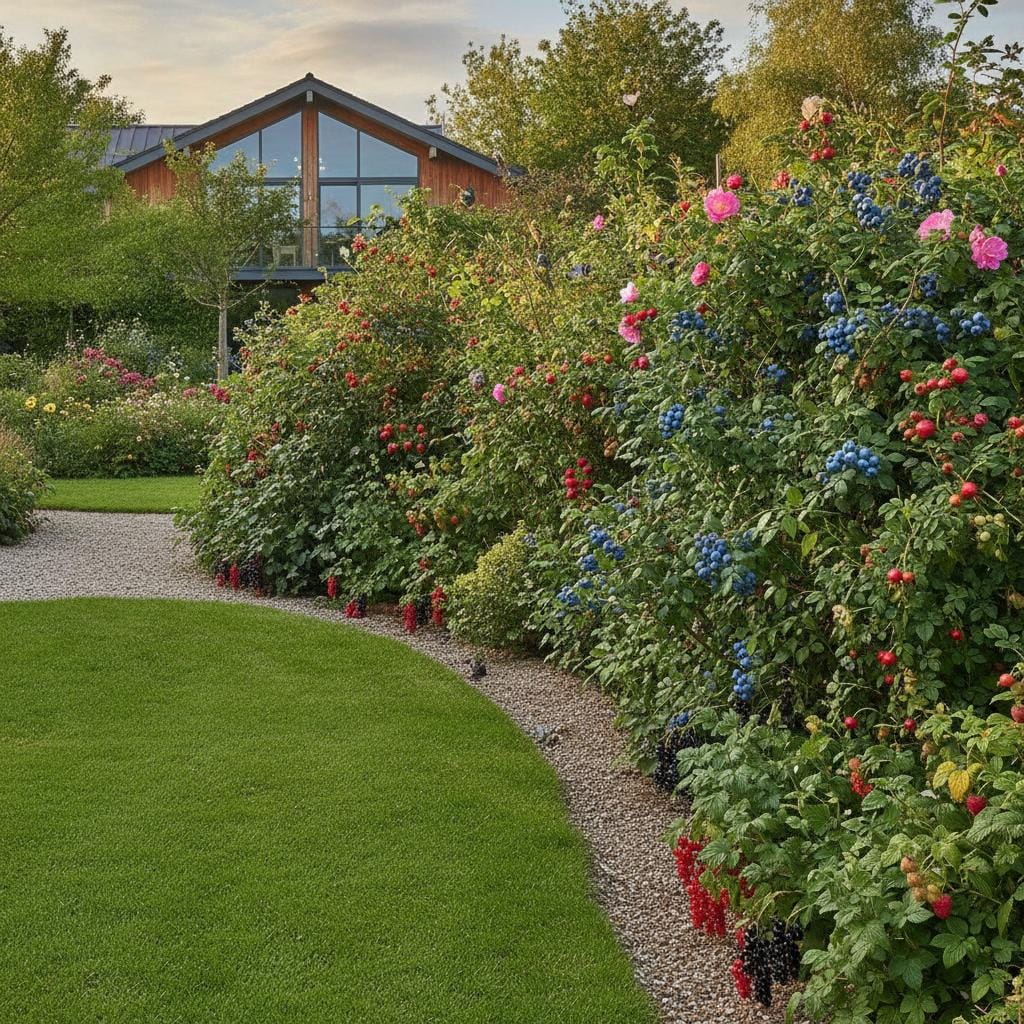
Blueberry bushes can line a walkway. Thyme can spill over stone edges. A small apple tree can provide shade near the porch. The result stays colorful and structured while producing fresh produce.
Assessing Your Space and Soil
Walk the yard at different times of day to identify areas that receive at least six hours of direct sun. Mark these zones for vegetables and herbs that need full light. Test soil texture by squeezing a handful. Sandy soil drains too fast, while clay soil stays wet too long.
Mix compost or leaf mold into either type to improve structure. Use a garden fork to loosen compacted areas so roots can penetrate. A basic soil test from a local garden center reveals nutrient levels and suggests precise amendments.
Even narrow strips beside driveways or corners near entry paths can hold raised beds or herb clusters. The aim is balanced placement rather than complete coverage.
Planning a Design That Feeds and Pleases
Sketch existing trees, paths, and structures first. Layer edible plants into this framework to create visual rhythm. Combine tall crops such as tomatoes with low growers like strawberries or lettuce. Place curly kale next to marigolds and purple basil beside golden nasturtiums for color contrast.
Install trellises for peas or beans as both support and decoration. Train grapevines over a small arbor to frame an entrance. Keep stone or mulch paths clear for easy harvesting and a tidy appearance.
Starting Small and Building Confidence
Replace one section near the front steps or mailbox rather than removing the entire lawn at once. Begin with compact herbs such as rosemary, chives, and oregano. Add edible flowers including nasturtiums or calendula for color.
Observe watering needs, sun patterns, and plant performance in this first area. Expand outward each season as experience grows. Many gardeners find that gradual replacement leads to stronger results and fewer mistakes.
Caring for Your Edible Landscape
Water early in the morning to reduce evaporation. Install drip irrigation to deliver moisture directly to roots. Add compost every three months to maintain soil fertility. Harvest produce regularly to encourage further growth and share surplus with neighbors.
Rotate plant families each season to prevent disease buildup. Include native flowers to attract pollinators that improve fruit set.
Blending Beauty and Practicality
Define bed edges with brick, stone, or low boxwood to maintain a polished look. Prune fruit trees into formal shapes. Mix lavender and sage among vegetables to add structure and fragrance that suit any architectural style.
Neighbors then see an intentional garden rather than an untended plot. The design signals care while delivering daily harvests.
Bringing the Community Together
A visible edible yard often sparks conversations. Children may pause to examine strawberries. Neighbors may exchange seeds or surplus produce. One successful garden can encourage shared composting programs and seasonal gatherings along the street.
This approach reduces food transport needs and strengthens local pollinator populations.
Watching Your Garden Thrive
Seasonal tasks settle into a steady rhythm of planting, harvesting, and light pruning. Birds arrive at fruit trees. Bees work blossoms. Herb scents reach open windows.
Volunteer seedlings from previous compost and returning butterflies mark the ongoing vitality of the space.
Turning Soil Into Daily Nourishment
An edible front yard converts unused ground into household food and neighborhood connection. Begin with a single bed or container. Each harvest demonstrates how small, consistent choices produce lasting benefits for both the gardener and the surrounding community.