Gravel Gardens: 2025's Budget Hardscape Revolution
A gravel garden provides a low-cost, low-maintenance method to shape your landscape with texture and contrast. This approach replaces thirsty lawns with simple beauty and practical design. Homeowners increasingly select this option because it delivers visual appeal, financial savings, and durability across diverse climates. You can design one to match your yard size, personal style, and budget, all without extensive construction or ongoing care.
What Makes a Gravel Garden Different
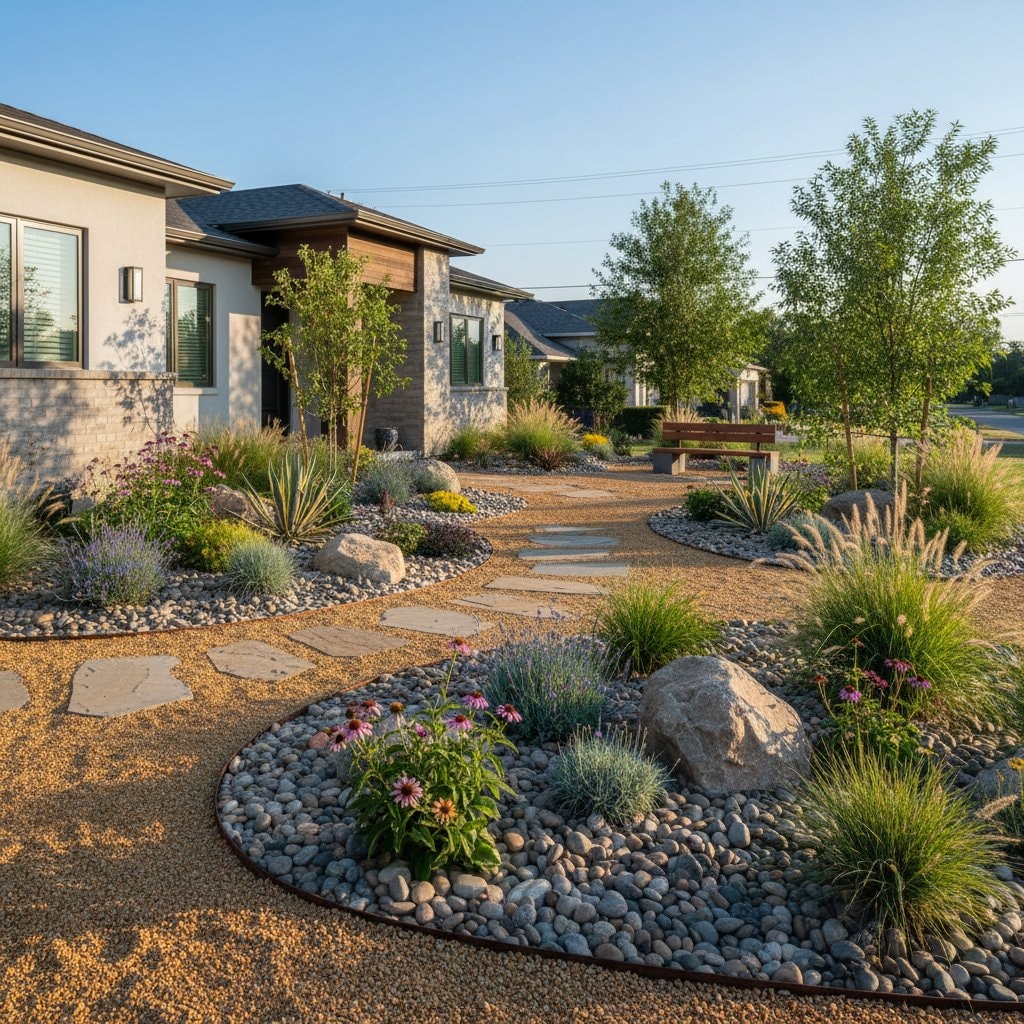
A gravel garden employs gravel, decomposed granite, or crushed stone as the primary surface in place of grass or mulch. This permeable layer promotes rapid water drainage, which benefits drought-tolerant plants such as lavender, sedum, or ornamental grasses. The aesthetic can vary from sleek and modern to rustic and organic, based on your selected materials and arrangement.
In contrast to traditional garden beds, this landscape requires minimal watering or weeding after establishment. Gravel suppresses soil erosion and shields plant roots from intense heat or cold. As a result, it maintains a polished appearance throughout the year.
Choosing the Right Material
The material you select establishes the overall character of the space. Consider these popular choices and their characteristics:
- Pea Gravel: These small, rounded stones feel comfortable underfoot. They suit pathways or informal seating zones. Expect costs of one to three dollars per square foot.
- Crushed Stone: With a rougher texture and sharp edges, this material interlocks effectively. It performs well on slopes where stability matters. Prices typically range from one to two dollars per square foot.
- Decomposed Granite: This fine, compactable substance forms a solid surface after tamping. Professionals often apply it to patios or walkways. Costs vary from one to four dollars per square foot.
- River Rock: Larger, smooth stones excel as accents or borders. Although more expensive per square foot, they offer striking visual contrast.
Stone color influences the design significantly. Lighter gravel illuminates shaded spots, whereas darker varieties provide depth near pale plants or pavers.
Planning the Layout
Effective gravel gardens begin with a detailed plan. Draw a scaled sketch of your yard to guide the project. Indicate positions for seating, pathways, and planting zones. Evaluate traffic flow and views from key angles, such as windows or entry points.
Incorporate these planning principles:
- Allocate sufficient space between plants to accommodate growth and ensure air circulation.
- Install edging with steel, stone, or brick to contain the gravel.
- Introduce curves or plant clusters to achieve a natural flow.
- Balance visuals by mixing plant heights and textures.
When converting a lawn, lay landscape fabric beneath the gravel to inhibit weeds. Omit fabric in planting sections to allow root expansion.
Step-by-Step Installation
Most homeowners can install a modest gravel garden over a weekend using basic tools like a shovel, rake, and tamper. Larger projects might extend to several days, yet the steps remain straightforward.
- Prepare the Site: Clear away grass, weeds, and debris. Level the soil base and rake it evenly.
- Add Edging: Position metal, stone, or concrete borders to outline the area.
- Lay Landscape Fabric (Optional): Place this barrier under pathways or exposed gravel sections to minimize weed growth.
- Pour the Gravel: Distribute the material uniformly to a depth of two to three inches. Compact it using a hand tamper or rented plate compactor.
- Plant Drought-Tolerant Species: Excavate holes through the gravel into the soil, position each plant, and water deeply to settle the roots.
- Top Off and Finish: Scatter additional gravel around plants, ensuring stems and crowns remain exposed to prevent moisture-related issues.
Costs and Maintenance
Gravel gardens rank among the most economical hardscape endeavors. Expenses vary by area size, material type, and whether you handle the work yourself. A DIY project often totals two to five dollars per square foot. Professional services, which encompass grading, edging, and planting, generally cost six to ten dollars per square foot.
Once established, upkeep proves straightforward. Rake the surface periodically to maintain evenness and remove any stray weeds. Replenish gravel every few years if compaction or fading occurs. Watering focuses primarily on newly planted specimens during their initial rooting phase.
Design Ideas for Every Yard
Gravel gardens adapt to diverse aesthetics, from minimalist arrangements to charming cottage vibes. Explore these concepts:
- Modern Patio Extension: Pair decomposed granite with concrete pavers as borders and integrate contemporary outdoor furniture.
- Mediterranean Retreat: Layer warm-toned gravel alongside rosemary, lavender, and terracotta containers for an inviting atmosphere.
- Natural Meadow: Merge varied gravel with native grasses and wildflowers to craft a dynamic, seasonal display.
- Courtyard Accent: Develop a compact gravel patch featuring a bench or subtle water element to enhance paved surroundings.
Enhance interest by combining gravel with stepping stones or substantial boulders. Success lies in harmonizing open expanses with planted features.
Climate and Drainage Considerations
Gravel gardens thrive in well-draining environments. If your site retains moisture post-rainfall, amend the sub-base with coarse sand or additional crushed stone prior to gravel application. In humid zones, opt for moisture-resilient plants like daylilies or hostas. Arid regions benefit from succulents, sage, and ornamental grasses.
Common Mistakes to Avoid
- Selecting gravel that is excessively fine, which risks compaction and drainage obstruction.
- Neglecting edging, resulting in gravel migration to adjacent lawns or paths.
- Overlooking base compaction, leading to irregular settling.
- Planting too densely, which restricts root development and compromises the tidy aesthetic.
Making It Happen
A gravel garden aligns with varied lifestyles and financial plans. It minimizes upkeep demands, conserves water, and encourages creative use of form and texture over repetitive tasks like mowing. Begin with a trial section to assess the style before a complete yard overhaul.
Whether you tackle the installation personally or engage local experts, this landscape upgrade delivers enduring value without straining resources. Select appropriate materials and follow a structured plan to yield an outdoor haven that remains tidy, purposeful, and effortless across seasons.