Effortless Desert Beauty: Designing Low-Maintenance Gravel Gardens
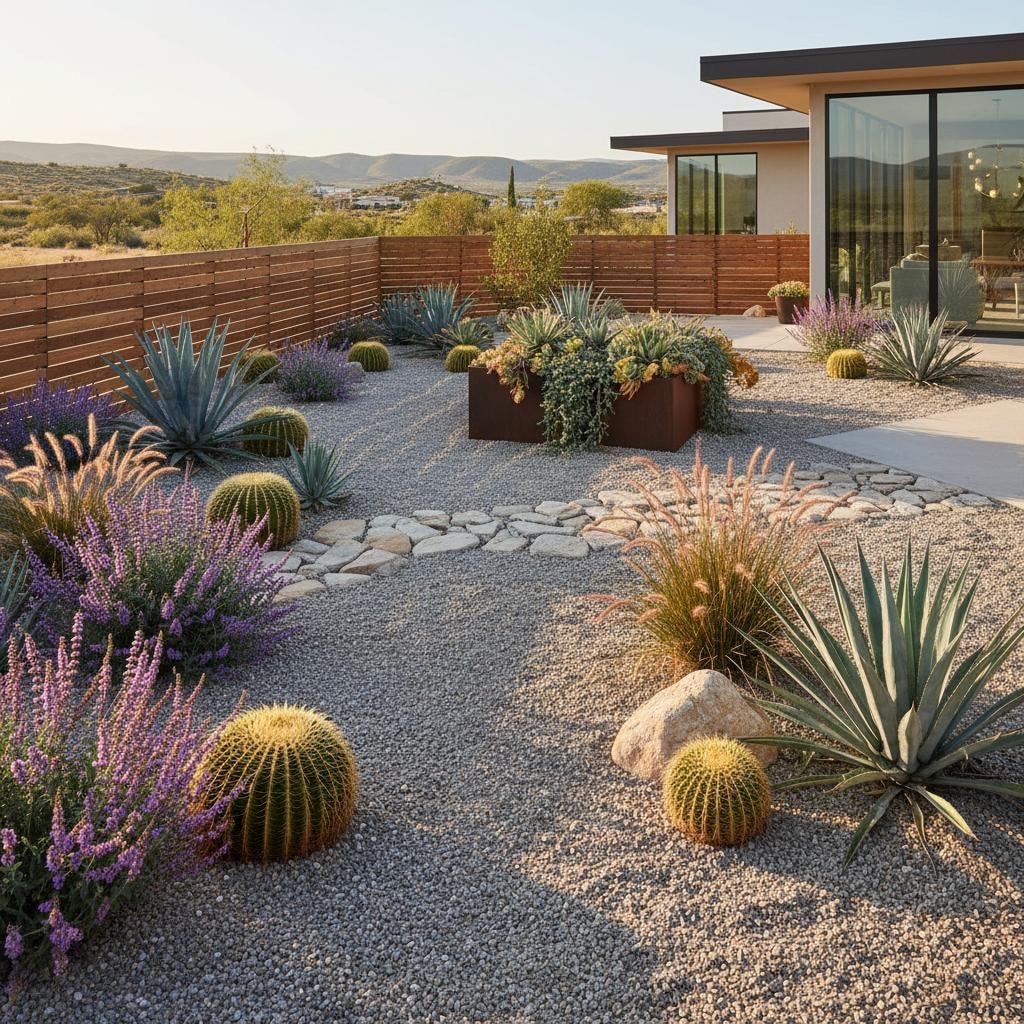
Many homeowners approach their yards with a sense of obligation rather than enjoyment. Patchy lawns demand frequent mowing, while flowerbeds require ongoing watering and weeding. A gravel garden provides an alternative that delivers serene, artistic appeal without these demands. This style draws from desert landscapes to create a resilient, water-efficient space that enhances your property with minimal ongoing effort.
Gravel gardens emphasize texture, form, and hardy vegetation over lush greenery. They suit arid climates or water-conscious regions by promoting drainage and reducing irrigation needs. With careful planning, such a garden maintains its allure through seasons while freeing time for other pursuits.
Evaluating Your Outdoor Area
Start by examining your yard to inform the gravel garden design. Track sunlight patterns throughout the day, as they influence plant placement and overall layout. Identify drainage issues, such as low spots where water accumulates, to ensure the space functions effectively.
Key Evaluation Steps:
- Test soil drainage. Dig a small hole, fill it with water, and observe how quickly it empties. Amend heavy clay soils with coarse sand or grit to facilitate better percolation.
- Map sun and shade areas. Use a journal or app to record exposure over a week. Full-sun zones suit heat-tolerant species, while partial shade supports more delicate options.
- Incorporate existing features. Retain elements like boulders, fences, or mature trees that add character. Position gravel and plants around them to integrate the design seamlessly.
This preparatory phase builds a foundation tailored to your site. Understanding these elements prevents common pitfalls and ensures the garden integrates naturally with its surroundings.
Selecting Drought-Tolerant Plants
The selection of plants defines the character of a gravel garden. Prioritize species adapted to low-water conditions that establish quickly and demand little care. Native or regionally appropriate choices enhance ecological benefits, such as supporting local wildlife and pollinators.
These plants pair well with gravel's neutral tones, creating contrast through shape, color, and movement. Group them in clusters for visual impact, allowing space for growth to avoid overcrowding.
Recommended Plant Categories:
- Succulents and cacti. Choose agave for bold, architectural forms or prickly pear for rounded pads that provide year-round interest. Aloe vera offers subtle spikes and occasional blooms.
- Ornamental grasses. Opt for blue fescue with its fine, blue-green foliage or Mexican feather grass for airy, swaying plumes that catch the breeze.
- Aromatic herbs. Include lavender for purple spikes and evergreen foliage, rosemary for upright structure, or thyme for low-growing mats that release scent when brushed.
- Sturdy perennials and shrubs. Select yarrow for flat-topped flower clusters, Russian sage for hazy blue blooms, or lavender cotton for silvery leaves and yellow buttons.
Prepare planting sites by excavating to twice the root ball width. Incorporate organic matter like aged compost into the base layer before covering with gravel. Mulch around new plants with finer gravel to retain moisture during establishment, watering deeply but infrequently until roots take hold.
Streamlining Garden Care
Gravel gardens excel in simplicity, requiring far less intervention than traditional setups. Focus on preventive measures to keep the area tidy and healthy with brief, periodic attention.
Establish a routine that aligns with your schedule, such as monthly checks during the growing season. This approach preserves the garden's polished appearance without overwhelming demands.
Essential Care Practices:
- Control weeds promptly. Inspect the surface weekly and remove seedlings by hand before they root deeply. A thin layer of larger gravel discourages germination.
- Maintain gravel surface. Use a rake to level uneven spots or redistribute material after rain. Refresh faded areas by sifting out debris and adding a thin topcoat of matching gravel.
- Prune judiciously. Snip spent flowers on perennials to encourage reblooming, and shape shrubs lightly in late winter. Avoid heavy cuts that stress the plants.
- Monitor and adjust drainage. After heavy rains, clear any debris from paths and ensure slopes direct water away from plant bases. In dry spells, apply a deep soak only if foliage wilts.
These steps ensure longevity and vitality. Over time, the garden self-regulates, with plants filling in gaps and gravel stabilizing the ground cover.
Observing Seasonal Evolution
A gravel garden reveals its depth over time, with plants maturing and interacting with their environment. Spring brings fresh growth and early blooms, while summer highlights bold forms under intense light. Autumn introduces seed heads and shifting hues, and winter offers stark, sculptural outlines.
This progression creates a dynamic yet stable landscape. Document changes with photos to appreciate the subtle transformations and refine future designs.
The true value lies in the reclaimed time and resources. Water conservation reduces utility costs, and low labor allows focus on enjoyment rather than upkeep. Walking the paths, one experiences the tactile crunch of gravel, the varied textures of foliage, and the faint herbal aromas that evoke distant landscapes.
Ultimately, a gravel garden fosters harmony between human intent and natural processes. It delivers aesthetic satisfaction through resilient elements that endure with grace, proving that thoughtful simplicity yields profound, lasting rewards.