Gravel Gardens: Achieving Timeless Beauty with Minimal Effort
Every garden conveys a unique narrative, and the most serene designs often incorporate stone elements. The subtle crunch of gravel underfoot after a gentle rain, combined with the enhanced vibrancy of surrounding plants against a neutral stone backdrop, creates an enduring impression. These experiences highlight the potential of gravel gardens to merge aesthetic appeal with practical simplicity.
Gravel gardens exude understated elegance. They captivate through clean lines and minimalism rather than bold displays. Homeowners increasingly select this style for landscapes that enhance property appearance, promote water conservation, and reduce the demands of ongoing lawn care.
Core Principles of Gravel Garden Design
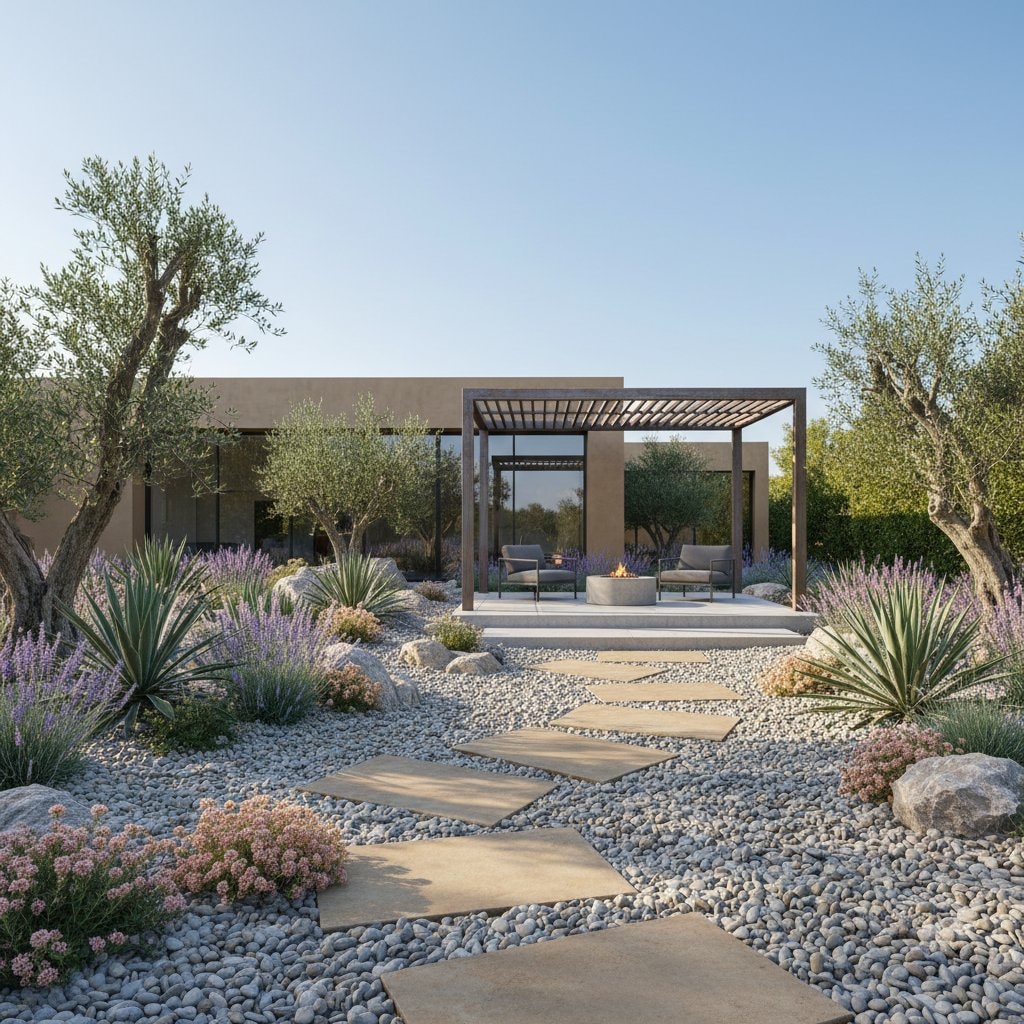
A gravel garden features decorative stones as the primary ground cover, paired with drought-resistant vegetation. Rather than expansive turf or thick borders, these designs emphasize texture, color variation, and form for visual engagement. The gravel serves as a reflective base that accentuates plant contours and hues.
This approach extends beyond mere stone placement. It establishes a permeable surface that facilitates drainage, integrates with the local environment, and fosters a cohesive composition. Selected plants provide stability, while the gravel unifies the overall scheme.
Advantages of Reduced Maintenance
Established gravel gardens demand far less attention than conventional lawns. They eliminate frequent mowing, irrigation, and nutrient applications, allowing the landscape to thrive independently. Stones inhibit weed growth, conserve soil moisture, and shield roots from extreme weather fluctuations.
This design liberates homeowners to prioritize leisure over labor. Gravel delineates pathways, lounging zones, or bed perimeters with precision, bypassing the need for constant edging or clipping.
Selecting Appropriate Gravel Types
Gravel choice influences both functionality and ambiance. Consider stone dimensions, shapes, and shades to align with the garden's intended atmosphere.
- Pea gravel, with its compact rounded pebbles, provides a comfortable walking surface ideal for trails or outdoor seating areas.
- Crushed stone delivers angular profiles and a crisp aesthetic, enhancing contemporary or structured layouts.
- River rock introduces smooth, organic contours suitable for informal or naturalized themes.
Match gravel to the home's facade and regional flora. Introduce slight color gradients for dimension, or maintain uniform shades for tranquility.
Integrating Plants into Gravel Surfaces
Plants infuse vitality into the static gravel expanse. Opt for varieties adapted to quick-draining substrates and elevated root-zone warmth.
Recommended options include lavender for fragrance, thyme for ground coverage, sedum for resilience, and ornamental grasses for motion. Succulents offer year-round form, while evergreens ensure consistent structure. Incorporate spring bulbs or fall asters for periodic bursts of color.
Position plants with ample spacing to preserve the airy quality essential to this style. Dense arrangements undermine the relaxed ethos.
Harmonizing Form and Texture
Effective gravel gardens contrast rigid stone with fluid vegetation. This interplay prevents monotony and excess clutter.
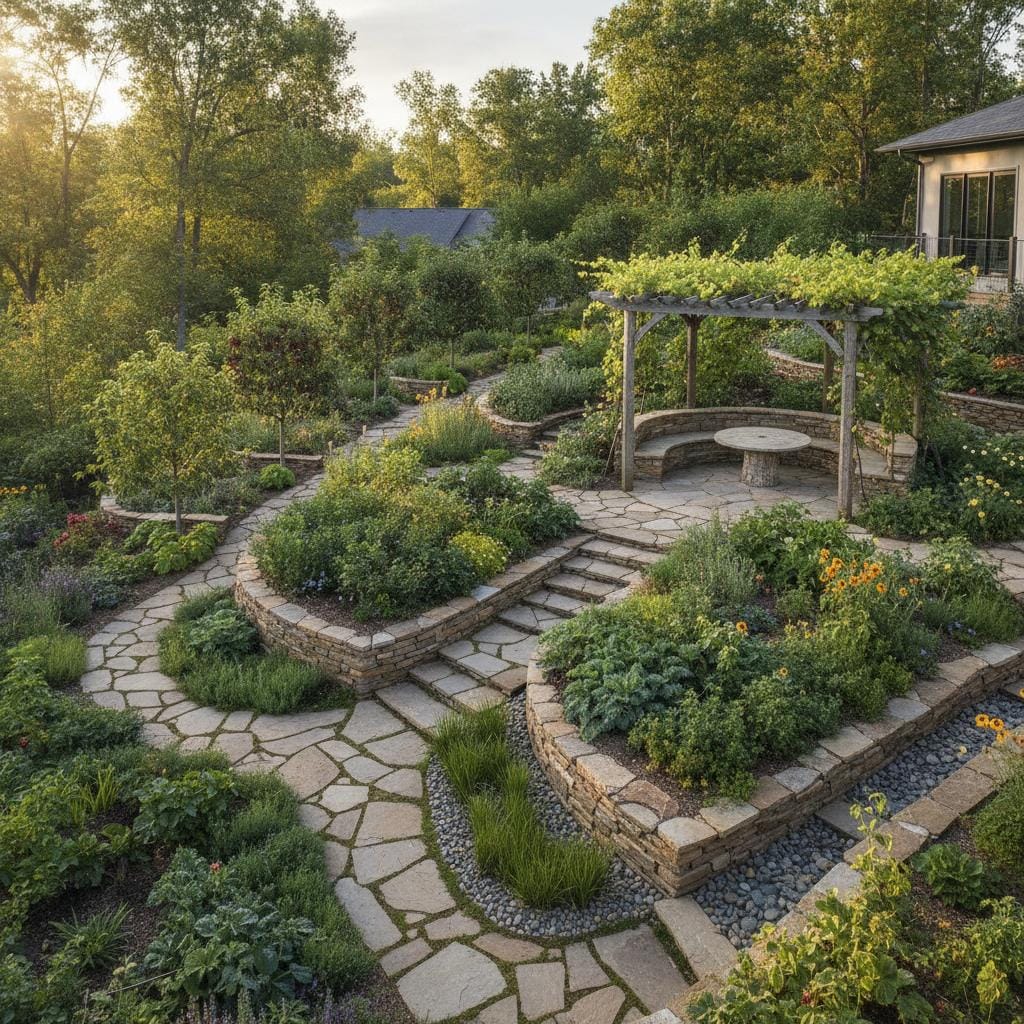
Combine polished gravel with wispy grasses or robust succulents. Incorporate a wooden bench, shallow basin, or irregular pavers to direct circulation and encourage exploration. A modest statue can establish a central anchor.
Replicate hues or materials across zones for unity. For instance, extend pale gravel from a path into adjacent rest areas or encircling planters, fostering seamless connections.
Initiating a Gravel Garden Project
Begin modestly if overhauling an entire yard seems overwhelming. Install a gravel edging beside an existing path or craft a compact terrace amid resilient flora. These trials reveal material performance and synergy with current features.
As familiarity grows, scale up gradually. Gravel's adaptability supports iterative refinements, such as reshaping contours, clarifying boundaries, or reconfiguring botanicals.
Seasonal Dynamics and Care Routines
Gravel gardens evolve gently through the year. Moisture intensifies stone tones, daylight accentuates their gleam, and foliage projects dynamic patterns.
Care involves light intervention: rake periodically to even the surface and remove stray growth. Annual top-dressing with fresh gravel restores freshness and suppresses debris.
Implementing Your Gravel Garden
Develop a gravel garden through deliberate preparation rather than extensive resources. Define usage objectives first, then source compatible materials.
Ensure proper site prep by improving drainage, installing geotextile fabric to deter weeds, and distributing gravel uniformly at 2 to 4 inches deep. Plant immediately afterward, monitoring establishment.
Assess the space during construction. Evaluate sunlight angles throughout the day and track plant acclimation. These insights refine adjustments, allowing the garden to develop organically.
Gravel gardens cultivate mindfulness and restraint. They yield landscapes that blend authenticity with purpose, delivering enduring allure with straightforward stewardship.