Suburbs Transform Front Yards into Productive Edible Gardens
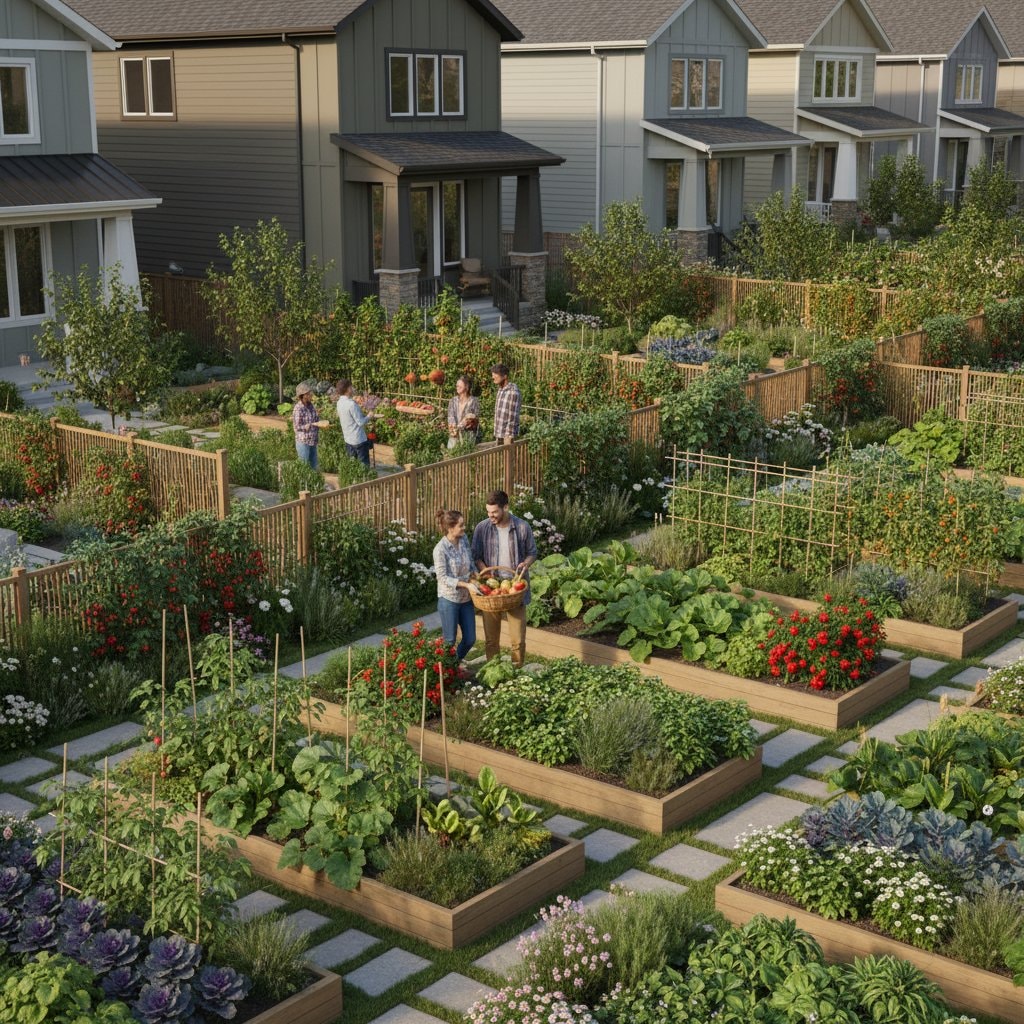
Homeowners across suburban neighborhoods replace expansive grass lawns with thoughtfully planted edible gardens. Vibrant rows of kale, aromatic herbs, and plump tomatoes now occupy former turf areas. Fruit trees provide shade over driveways, while raised beds supplant traditional flower borders. This evolution reshapes suburban aesthetics and utility, turning visible spaces into sources of nourishment and natural beauty.
The movement extends beyond mere food production. It fosters deeper connections between residents and their properties through intentional design. Homeowners craft front yards that sustain families, enhance visual appeal, and bolster local biodiversity simultaneously.
Reasons Homeowners Redesign Front Yards for Edibility
Conventional lawns demand constant mowing, irrigation, and fertilization yet offer minimal returns beyond aesthetics. Edible yards, by contrast, generate harvestable produce while minimizing waste and synthetic inputs. Residents recognize the potential to optimize land use without sacrificing visual harmony.
Multiple drivers accelerate this trend:
- Escalating food prices. Cultivating a modest yield offsets grocery expenses through consistent homegrown supplies.
- Commitment to sustainability. Individuals seek to lessen their ecological impact via reduced resource consumption.
- Neighborly inspiration. A single transformed yard sparks interest, prompting adjacent properties to adopt similar approaches.
- Advancements in plant breeding. Developers introduce visually striking vegetables and space-efficient fruit options suited to compact lots.
This convergence yields innovative suburban vistas that integrate aesthetics, productivity, and environmental stewardship prominently.
Steps to Design an Effective Edible Front Yard
Success in creating an edible front yard hinges on achieving equilibrium between form and function. The design must appear deliberate, avoiding the appearance of an unkempt plot. Develop a blueprint aligned with your home's architecture and your available maintenance time.
Step 1: Evaluate Your Yard's Conditions
Examine sunlight exposure, drainage patterns, and traffic zones such as walkways or parking areas. Vegetables thrive in full sun, typically six to eight hours daily, so prioritize open expanses. For challenging soil—compacted or nutrient-poor—opt for raised beds or oversized containers to improve growing conditions.
Step 2: Select Appropriate Plants
Incorporate a blend of edible and decorative elements to maintain year-round allure. Layer colors, textures, and heights to integrate the garden seamlessly into the overall landscape. Consider these versatile options:
- Leafy greens: Varieties like curly kale, multicolored Swiss chard, and frilly lettuces provide vivid hues and architectural forms.
- Herbs: Sturdy choices such as rosemary, thyme, and sage serve as evergreen shrubs with sensory appeal.
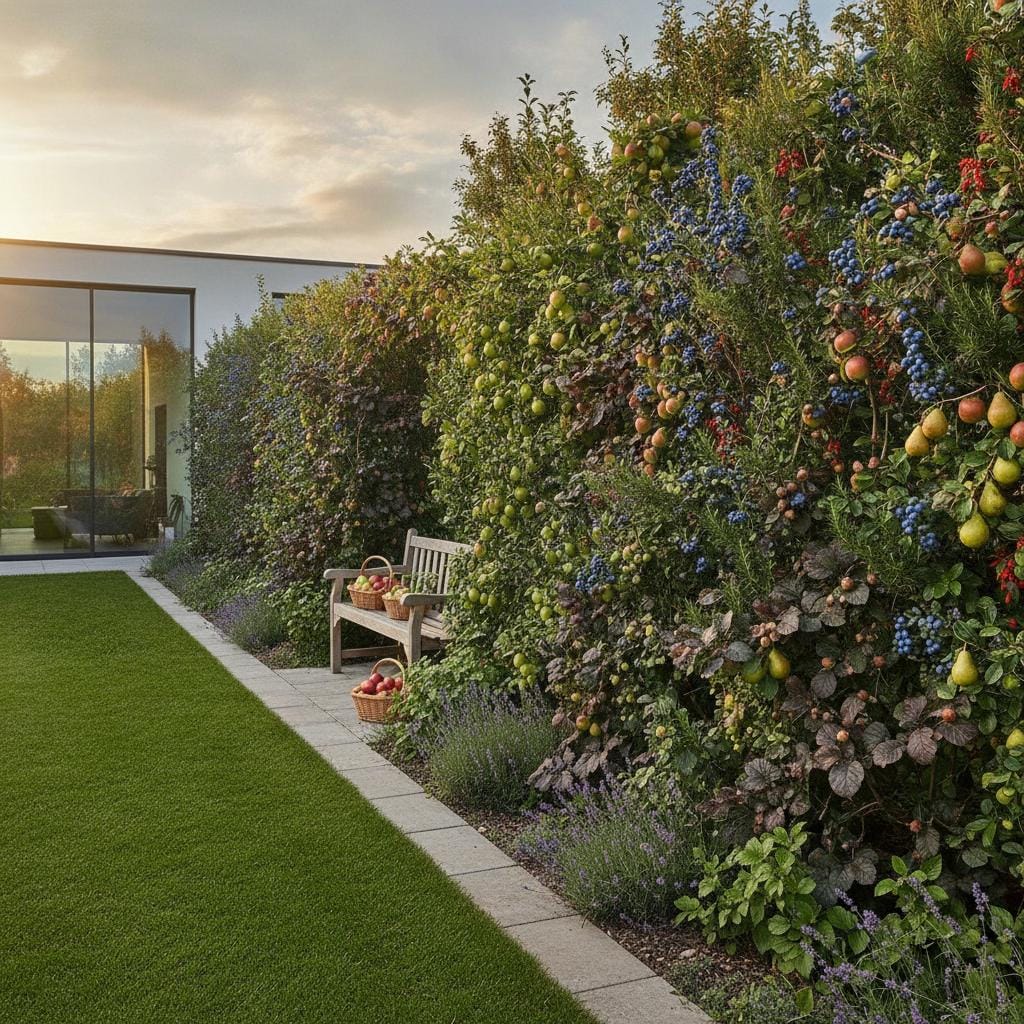
- Fruit-bearing shrubs: Blueberries and currants deliver berries alongside fall foliage color and winter interest.
- Root vegetables: Carrots with feathery tops or beets with ruby leaves edge borders effectively.
- Climbing varieties: Pole beans or vining cucumbers ascend trellises, maximizing vertical space.
For a refined aesthetic, emphasize ornamental edibles including purple ruffled basil, rainbow-stemmed chard, or compact red cabbage heads. These selections mimic floral displays while remaining fully harvestable.
Step 3: Establish Structure and Pathways
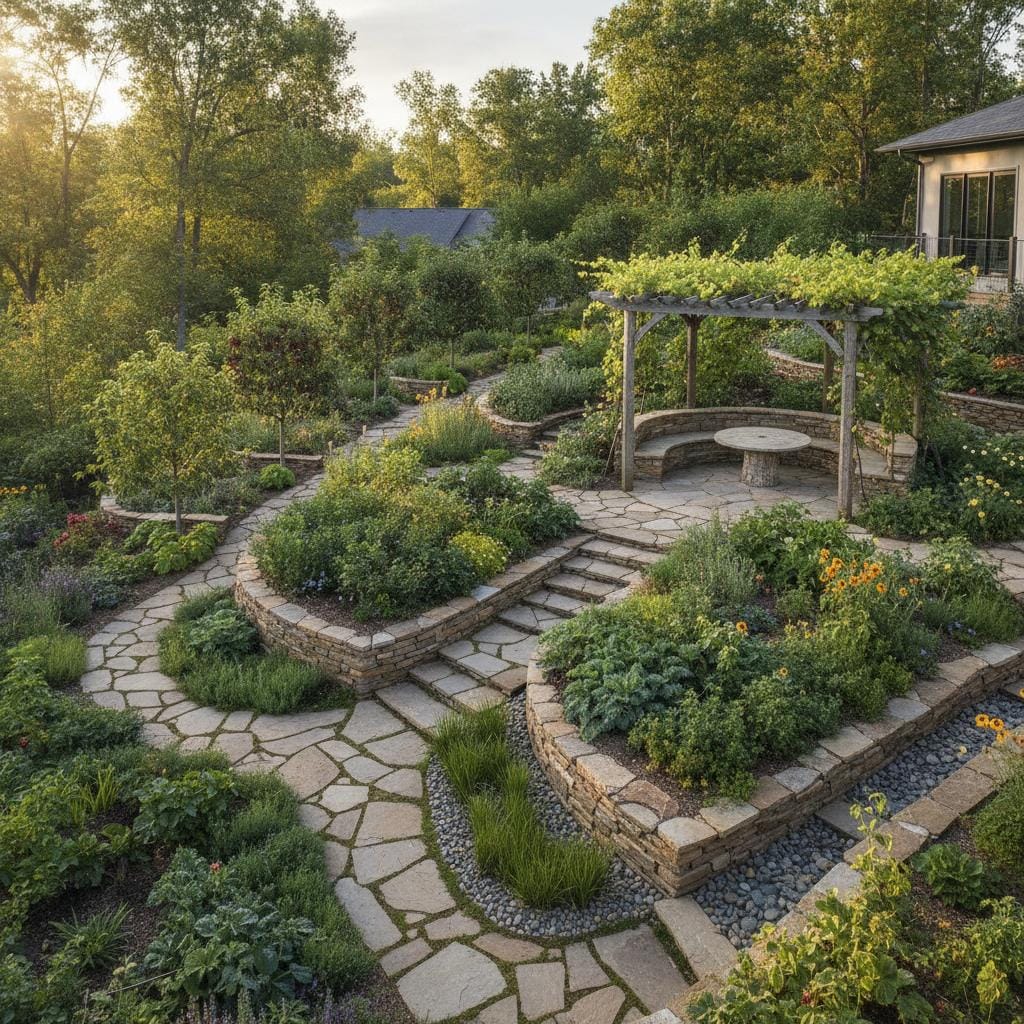
Incorporate defined paths, borders, and mulch layers to ensure a polished presentation. Use stone or brick edging to delineate beds and contain soil along sidewalks. Curvilinear layouts temper a home's rigid lines and facilitate access for care.
Combine elevated beds with direct soil planting to add dimension. Position taller specimens, such as indeterminate tomatoes or dwarf corn, toward the rear or along boundaries. Place low-growers like herbs upfront to preserve neatness and streamline picking routines.
Budgeting and Effort Considerations
Converting a lawn to an edible setup remains accessible financially, though expenses vary by scale and features. Basic transformations using seeds, organic mulch, and compost typically cost under $500 for a small area. Incorporating raised beds, automated drip irrigation, or ornamental hardscaping may elevate totals to $1,000 or more.
Physical labor plays a key role. Turf removal and soil amendment require initial investment, achievable over successive weekends with tools like a sod cutter. Established gardens demand routine irrigation, weed control, and harvesting, yet participants often view these tasks as fulfilling.
Engage a landscape professional for efficiency if a seamless result matters. Fees depend on project scope, but experts ensure proper drainage and compliance with municipal codes.
Navigating Community Regulations
Certain subdivisions enforce guidelines on front yard plantings. Consult your homeowners' association or zoning authority prior to alterations. Progressive areas increasingly endorse tidy edible installations as eco-friendly enhancements.
Under restrictive policies, employ understated integrations. Herbaceous low hedges, espaliered fruit trees, or contained raised beds project formality while meeting standards.
Seasonal Maintenance Strategies
Edible yards evolve across seasons, requiring proactive variety for sustained vitality.
- Spring preparation: Sow seeds indoors or direct-plant cool-weather crops like spinach and radishes. Amend beds with compost to enrich fertility.
- Summer management: Frequent harvests from basil, zucchini, and eggplants promote vigor. Apply mulch to retain moisture and suppress weeds.
- Fall transitions: Install overwintering garlic or brassicas; clear exhausted foliage. Collect fallen leaves to build compost reserves.
- Winter protection: Deploy cover crops like clover or thick mulch to shield soil from erosion. Check structures for repairs.
Consistent practices—pruning for shape, targeted watering, and organic feeding—sustain yields. Install low-flow irrigation to conserve water and effort.
Integrating Aesthetics with Practicality
An edible front yard rivals any purely decorative plot in elegance. Approach it with design principles: employ contrast in leaf shapes and repetition in tonal schemes. For instance, intersperse deep green lacinato kale with crimson oakleaf lettuce and dusty artemisia for textural depth.
Anchor the composition with functional accents like arched arbors, weathered seating, or a simple birdbath. Pair edibles with non-fruiting perennials such as echinacea or hostas to achieve a cohesive, neighborhood-appropriate polish.
Advantages Extending Past Produce
Front yard cultivation redefines outdoor engagement. Residents invest more hours in fresh air, field inquiries from passersby, and impart lessons on agriculture to youth. The practice instills a sense of accomplishment and serenity.
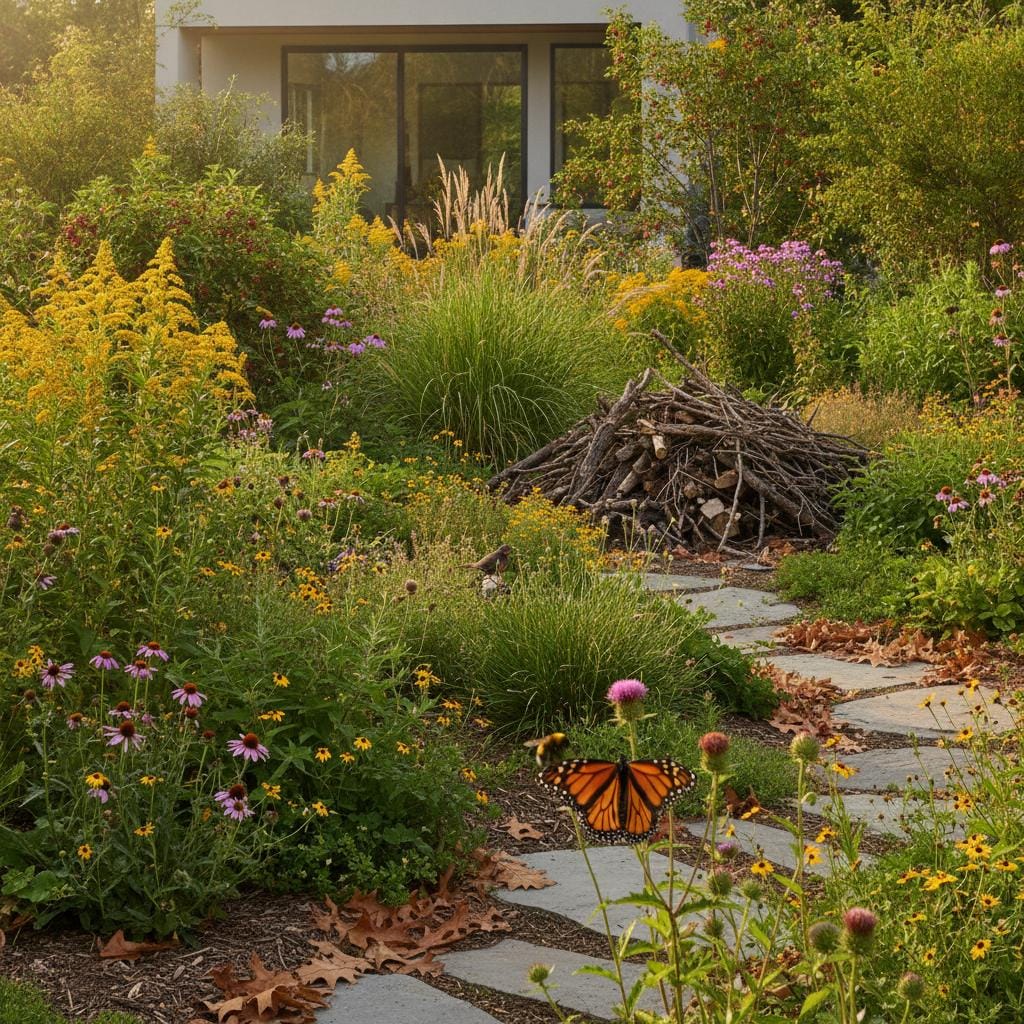
These gardens aid biodiversity by drawing bees and butterflies while mitigating runoff through root systems that stabilize soil and capture precipitation. Composting vegetable trimmings further diverts waste from landfills.
Steps to Launch Your Edible Front Yard
Commence modestly to build confidence. Convert a narrow lawn edge to a herb border or install one raised bed for trials. Monitor performance across a full cycle, noting sun patterns and pest behaviors, before scaling up.
Prioritize orderliness with gravel paths and seasonal succession planting. Select companions offering diverse maturities—early greens alongside late tomatoes—for continuous appeal. Groundcovers like strawberries minimize bare soil exposure.
Adapt as needed; unique site conditions demand experimentation. From modest herb plots to comprehensive overhauls, your front yard emerges as a productive haven that nurtures both body and bonds.
Suburban avenues gain renewed character as these initiatives proliferate. Lawns yield to dynamic, yielding terrains that nourish households and strengthen communal ties. Thoughtful execution positions your property at the forefront of this verdant shift.