Front Yard Farms Blend Beauty and Productivity
More homeowners are turning front yards into productive gardens that feed families and invite pollinators. The concept, often called front yard farming or foodscaping, blends the beauty of traditional landscaping with the practicality of growing food. Instead of purely decorative lawns and flower beds, these spaces include vegetables, herbs, fruit trees, and edible flowers that look good and serve a purpose.
Front yard farms promote sustainability, provide fresher produce, and create a sense of community. If you are thinking of joining this trend, there are a few important things to know before you start digging.
What Defines a Front Yard Farm
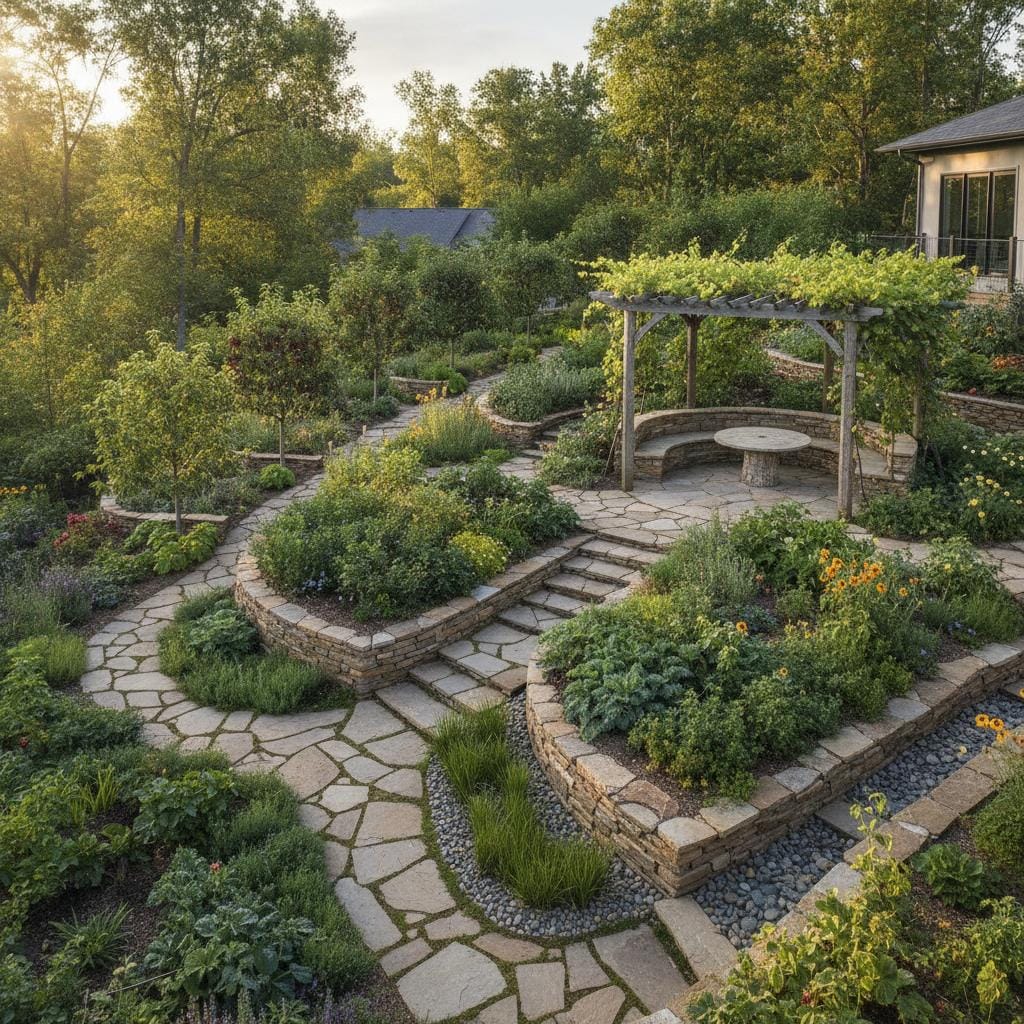
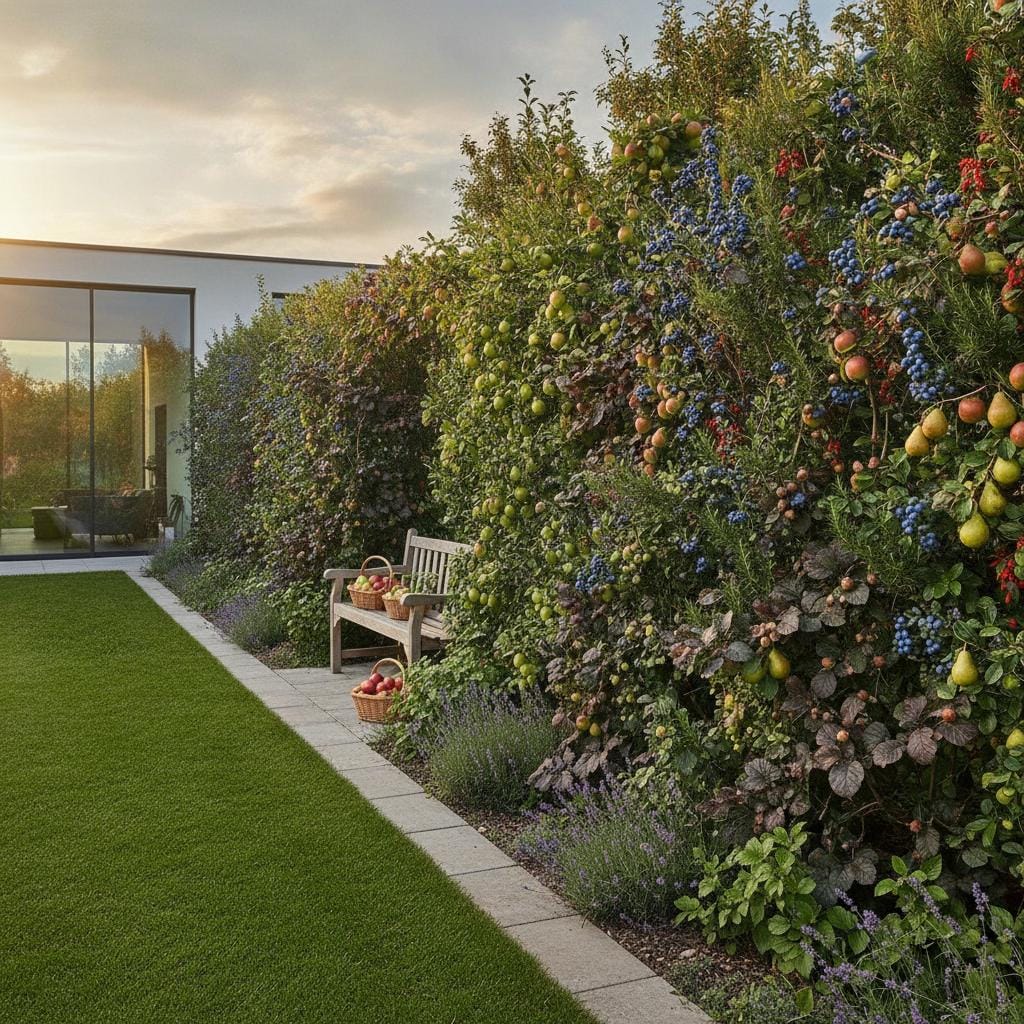
A front yard farm is a landscape designed with both aesthetics and function in mind. It uses edible plants as the main design elements rather than ornamentals alone. You might see raised beds, fruiting shrubs, climbing vines, and native pollinator plants all working together in one cohesive layout.
Unlike a traditional vegetable patch tucked away behind the house, a front yard farm is meant to be seen. Paths, borders, and plant groupings are arranged to look intentional and welcoming. Some homeowners mix edibles with flowers and shrubs, while others create a more structured design with defined garden beds and trellises.
Why Homeowners Are Making the Switch
Many people are rethinking how they use their outdoor space. The front yard often sits unused except for mowing and watering. Turning it into a productive garden changes that dynamic completely. Here are some reasons homeowners are embracing the idea.
Fresh Food Steps from Your Door
You can harvest lettuce, tomatoes, peppers, and herbs without leaving your property. This means fewer trips to the store and less waste. The taste of freshly picked produce is hard to beat, and growing your own food gives you control over what goes into your soil.
Better Use of Space
Front yards often get the most sun exposure, which makes them ideal for growing food. Instead of maintaining a high-water lawn, you can use that same area for crops that thrive in full sunlight. Even small spaces can produce a surprising amount of food with thoughtful planning.
Lower Maintenance Over Time
Once established, a front yard farm can need less upkeep than turf. Perennial herbs, berry bushes, and fruit trees come back year after year with minimal effort. Drip irrigation systems and mulch reduce watering needs. Over time, you spend more time harvesting than weeding.
Curb Appeal with Character
Edible plants can be just as attractive as ornamental ones. Colorful chard, purple basil, and flowering herbs create visual interest. Raised beds framed with stone or wood give structure and order. The result is a yard that looks intentional rather than overgrown.
Positive Environmental Effects
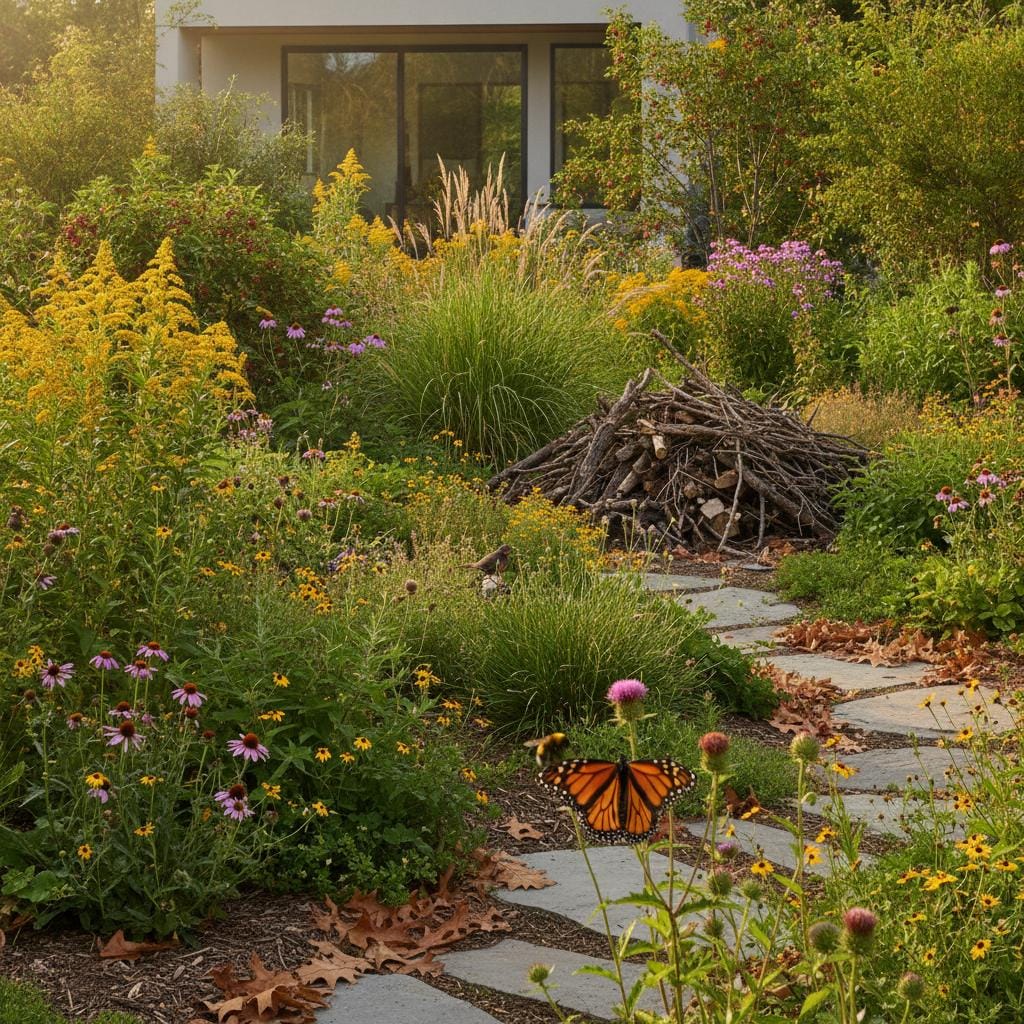
Replacing turf with diverse plantings improves soil health and attracts beneficial insects. Many homeowners plant pollinator-friendly species among their vegetables. This mix supports native wildlife and reduces chemical use.
Planning Your Front Yard Farm
Before planting, take time to think through design, layout, and local rules. A little planning helps you avoid costly mistakes and keeps your garden looking polished rather than patchy.
Check Local Regulations
Some neighborhoods have rules about front yard appearance. Check with your homeowner association or local code office to confirm what is allowed. Most cities encourage edible landscaping as long as it is well-kept and does not obstruct sidewalks or sight lines.
Map the Sun and Shade
Track where sunlight hits different parts of your yard during the day. Leafy greens and herbs handle partial shade, while tomatoes, peppers, and squash need full sun. Knowing this helps you group plants by light needs.
Plan the Layout
Divide your yard into functional zones. You might have raised beds near the walkway for easy access, fruit trees or berry shrubs along property lines, herb borders around patios or paths, and groundcovers like strawberries or thyme between stepping stones. Keep pathways wide enough to move through comfortably, and include edging materials to define spaces and contain soil.
Choose Plants That Fit Your Climate
Pick varieties that do well in your local conditions. Talk to a nearby garden center about what grows best where you live. Native and drought-tolerant plants reduce water use and maintenance. Mix annual vegetables with perennials such as asparagus, blueberries, and rosemary for long-term yield.
Building the Framework
Front yard farms can look tidy and structured when designed with clear boundaries. This helps maintain curb appeal and keeps neighbors happy.
Raised Beds
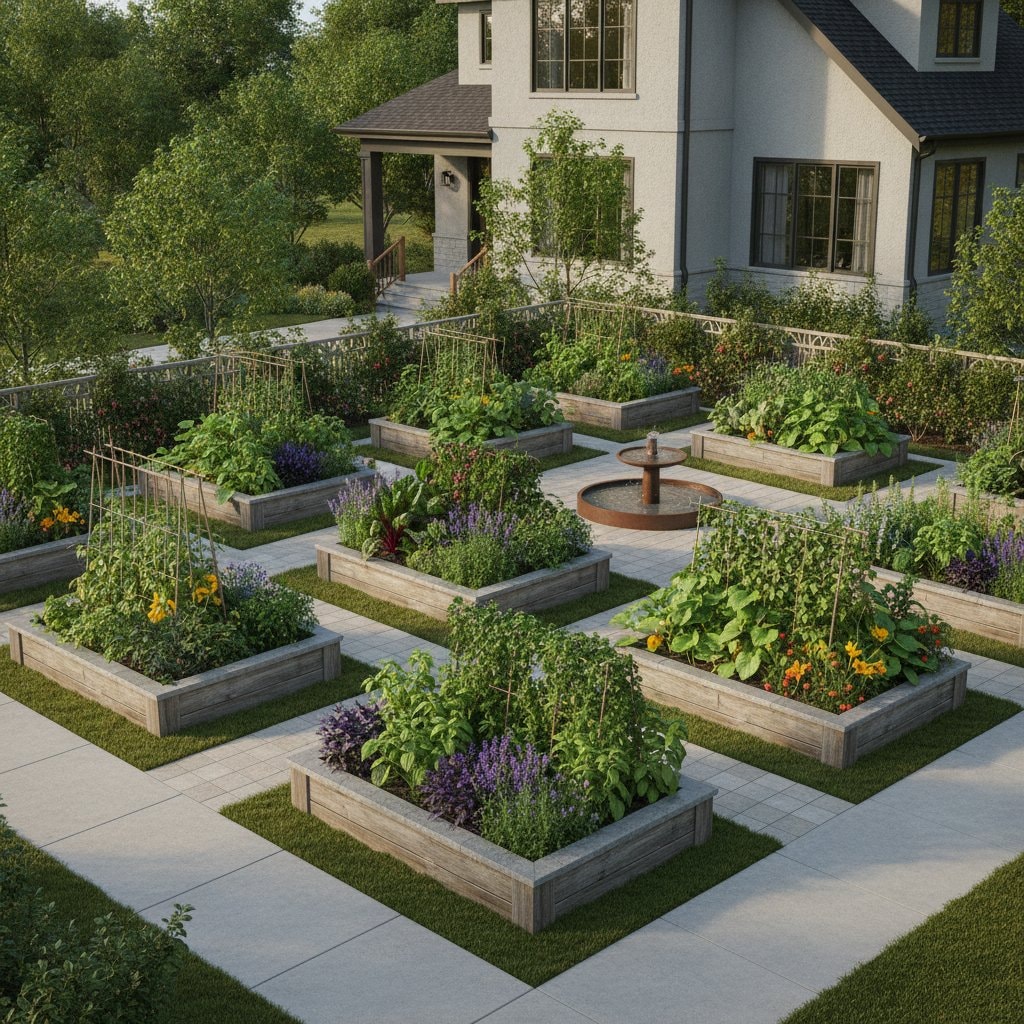
Raised beds give a neat appearance, improve drainage, and make it easier to control soil quality. Wood, stone, or metal edging work well. A typical raised bed is about four feet wide, which lets you reach the center from either side without stepping into the soil.
Paths and Borders
Gravel, pavers, or mulch paths define walking areas and reduce mud. Use edging materials to separate garden beds from paths. Low hedges or ornamental grasses can soften the edges and add contrast.
Trellises and Vertical Elements
Trellises, obelisks, and arches support climbing plants like beans, cucumbers, or peas. They also add height and visual interest. You can place them near entryways or along fences to frame the view.
Irrigation Systems
Drip irrigation or soaker hoses keep water at the roots where it is needed most. Automatic timers can simplify watering, especially during hot weather. A rain barrel system is an eco-friendly way to collect water for your garden.
Budget and Time Expectations
Creating a front yard farm can be as simple or elaborate as you want. Costs depend on materials, plant choices, and whether you do the work yourself. A basic setup costs around a few hundred dollars for soil, seeds, and mulch. A mid-range design costs closer to one to two thousand dollars if you add raised beds, irrigation, and decorative edging. A high-end landscape costs several thousand dollars if you hire professionals and use premium materials like stone or metal planters.
Time investment also varies. The initial installation might take a few weekends, while ongoing care involves weekly watering, harvesting, and light pruning. Once the system is established, maintenance becomes easier.
Keeping It Attractive Year-Round
A successful front yard farm should look good in every season. Combining different plant types and textures keeps the space lively even when some crops are not producing. Use evergreen herbs like rosemary or sage for structure. Add colorful stems or bark plants such as redtwig dogwood for winter interest. Plant early bloomers like chives and calendula to start the season off bright. Include late producers like kale or Swiss chard that stay vibrant as temperatures cool.
Regular maintenance helps too. Trim dead leaves, refresh mulch, and keep paths clear. A neat garden shows intention and care, which encourages neighbors to appreciate your effort.
Common Challenges and How to Handle Them
Every garden comes with a few obstacles, but most are easy to manage with preparation.
Pests and Wildlife
Rabbits and deer may find your garden inviting. Low fencing, netting, or motion-activated sprinklers can deter them. Companion planting, such as growing marigolds near tomatoes, helps reduce insect issues naturally.
Soil Quality
Front yard soil often starts compacted from construction. Loosen it well and mix in compost before planting. Regularly add organic matter to keep it fertile and crumbly.
Water Management
Overwatering can cause root problems. Group plants by water needs, and use mulch to retain moisture. If runoff is an issue, consider adding a rain garden or installing drip lines.
Neighborhood Perception
Some neighbors might not be used to seeing vegetables in front yards. Keeping your design tidy and intentional helps change opinions. Borders, symmetry, and clear pathways show that your garden is deliberate landscaping, not neglect.
Selecting Initial Plantings
Turning your front yard into a productive, beautiful farm is both rewarding and practical. You gain fresh food, reduce lawn maintenance, and create a landscape that reflects your values. Start small with a few raised beds or container gardens, then expand as you learn what grows best in your space. The key is planning a layout that fits your home style and your lifestyle. A front yard farm can be formal or casual, modern or rustic. What matters most is that it works for you and brings daily enjoyment.