Why Front Yard Edible Gardens Are Gaining Popularity
Homeowners increasingly convert front yards into edible landscapes. These areas, previously dedicated to grass and decorative shrubs, now support vegetables, herbs, and fruit-bearing plants. This evolution emphasizes utility, visual charm, and long-term sustainability beyond mere grocery savings.
Front yard edible gardens, often termed foodscapes, integrate the framework of conventional landscaping with the productivity of a vegetable patch. Curb appeal remains intact, yet each element serves a practical role. To determine suitability for your property, grasp the drivers behind this trend and master effective planning strategies.
Key Reasons Homeowners Adopt Edible Front Yards
Multiple elements fuel the surge in edible front yard designs. These aspects address financial pressures, practical needs, ecological consciousness, social bonds, and evolving styles.
1. Escalating Grocery Expenses
Inflation in food prices renders home cultivation highly attractive. Even modest plots generate substantial harvests; for instance, a single tomato plant yields over ten pounds of fruit annually, while seed packets cost under five dollars. Families who prepare meals regularly accumulate notable savings over multiple seasons.
2. Constrained Backyard Areas
Contemporary residences frequently feature compact or shaded rear yards. Front yards typically offer superior sunlight exposure, level terrain, and straightforward access. This positioning proves ideal for food production when rear space limits options.
3. Heightened Environmental Consciousness
Conventional turf demands synthetic fertilizers, excessive irrigation, and weekly mowing. Edible landscapes redirect these inputs toward yield-generating plants. Diminishing grass coverage minimizes water consumption and pollutant leaching, fostering a resilient habitat. Flowering herbs and fruit trees draw pollinators like bees and butterflies, enhancing biodiversity.
4. Pursuit of Social and Educational Links
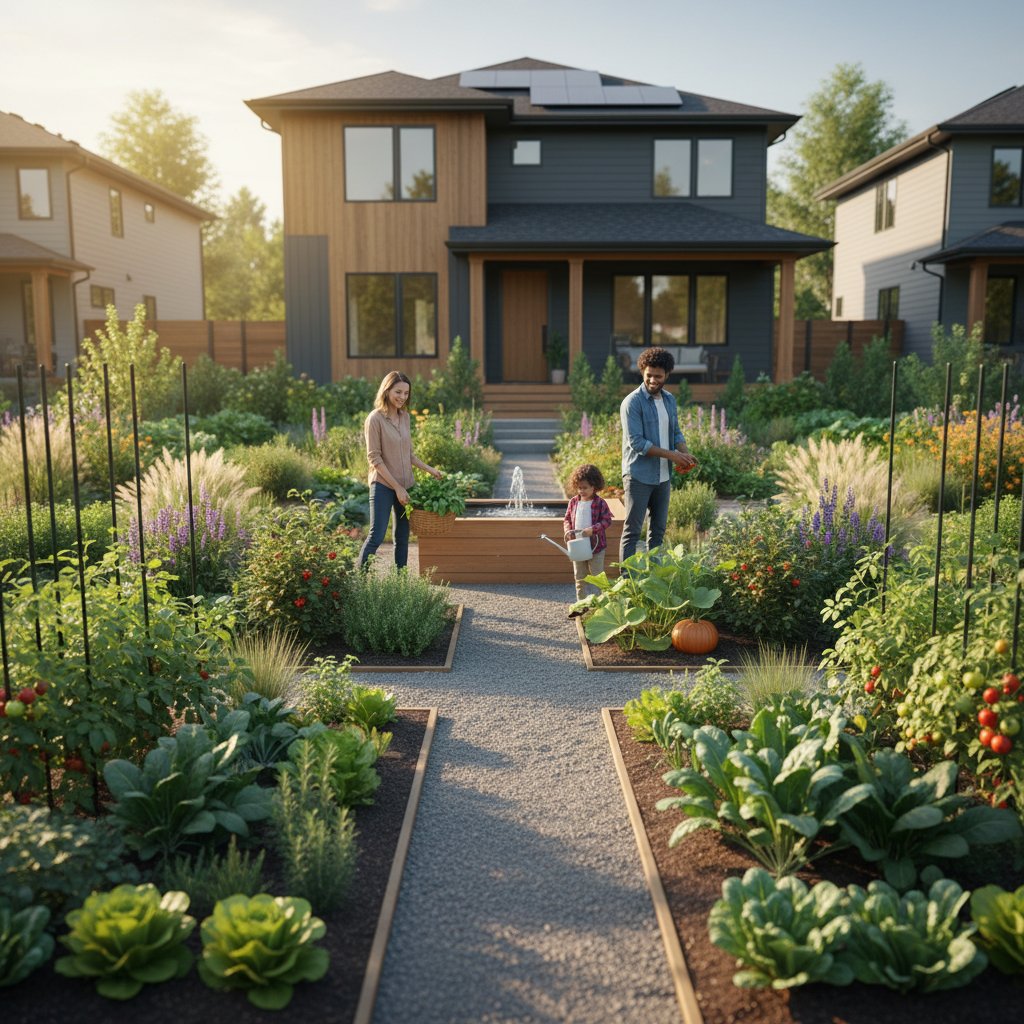
Cultivating plants promotes outdoor engagement and neighborly exchanges. Distributing surplus harvest strengthens community relationships, unlike sterile lawns. Such gardens also educate children on food origins and instill fundamental nurturing techniques.
5. Contemporary Design Influences
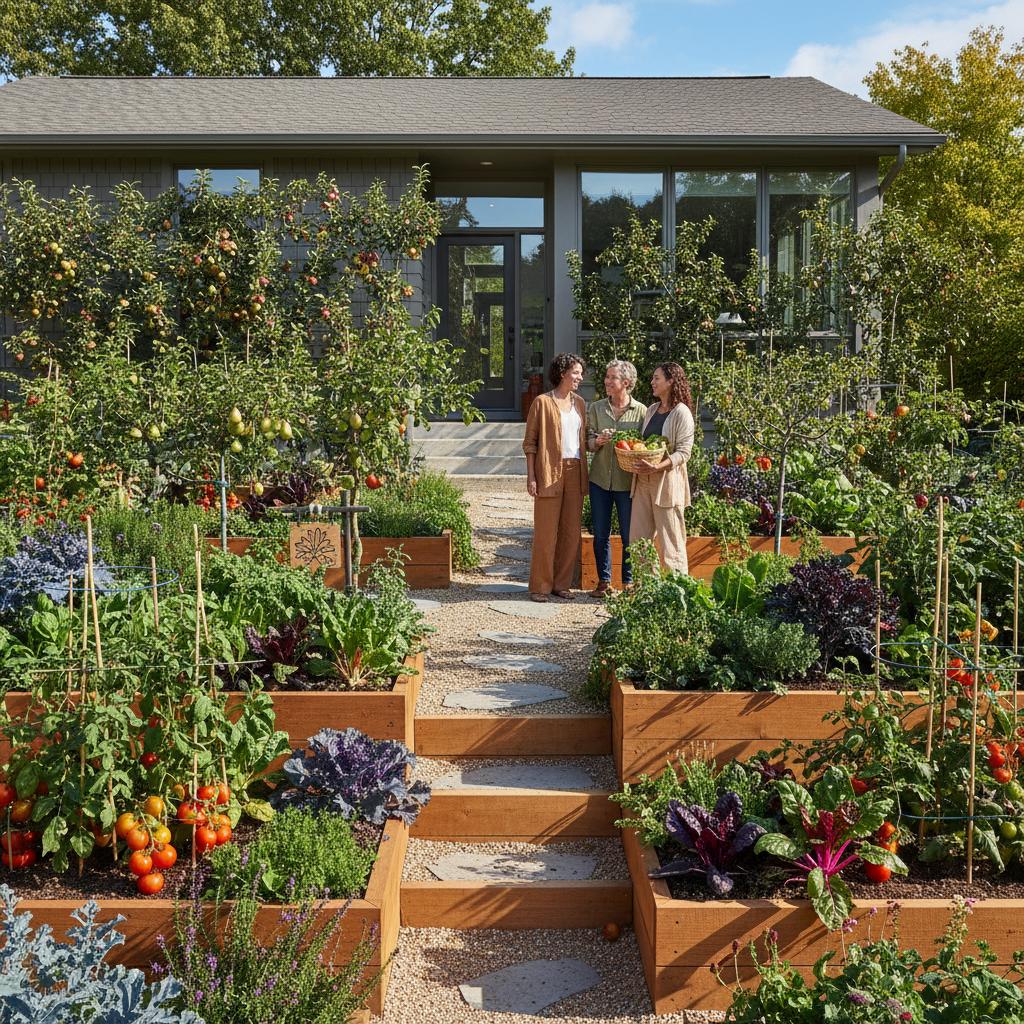
Today's edible gardens transcend chaotic vegetable rows. Professionals employ raised beds, symmetrical layouts, and ornamental borders for neatness. Interspersing herbs with blooms introduces vibrant hues and varied textures, harmonizing form and utility.
Budget and Effort Evaluation
Establishing a front yard edible garden requires initial outlay, scaled to scope, supplies, and methods.
- Raised bed construction: Basic wooden or metal frames range from fifty to two hundred dollars per unit, based on material quality.
- Soil amendments and compost: Allocate forty to eighty dollars for a premium blend sufficient for one substantial bed.
- Seeds and transplants: Vegetable seed packets average under five dollars, with young plants priced at three to ten dollars apiece.
- Watering solutions: Install a drip irrigation kit for one hundred to two hundred dollars, which conserves resources and simplifies ongoing care.
Self-assembly reduces labor expenses considerably. Engaging a landscape professional elevates costs but guarantees polished execution and adherence to municipal regulations.
Upkeep mirrors lawn demands in moderation. Routine weeding, harvesting, and succession planting occur during active growth periods. Established perennials demand less intervention thereafter.
Managing Seasonal Transitions
Front yard foodscapes evolve across cycles. Strategic scheduling maintains output and aesthetics throughout.
- Spring initiation: Amend soil with compost, then sow cool-season varieties like lettuce, spinach, and peas.
- Summer peak: Succession-plant warm-season selections such as tomatoes, peppers, and basil; use stakes to support vertical growth and avoid overshadowing.
- Autumn wrap-up: Gather late yields and introduce cover crops or hardy options including kale and carrots.
- Winter preparation: Tidy beds, apply mulch, and trim woody perennials or fruit trees to deter infestations and preserve tidiness until renewal.
Consistent oversight keeps the space polished annually, regardless of harvest lulls.
Implementing Your Edible Front Yard
To launch a front yard edible garden, commence modestly and scale gradually. Position one or two raised beds along pathways or incorporate herbs amid existing floral edges. Monitor growth patterns and spatial integration to refine your approach.
Progress by incorporating additional beds, dwarf fruit trees, or compact shelters. Test diverse pairings of edibles and ornamentals to achieve equilibrium between productivity and elegance.
This garden reimagines your property's potential. It fosters dialogue, supplies wholesome ingredients, and repurposes idle ground into an asset. A basic configuration yields ample herbs and vegetables for daily use. Through deliberate design, diligent maintenance, and equal emphasis on allure and output, your front yard emerges as a welcoming vista and enduring family resource.