2026's Hottest Trend: Front Yards Become Edible Farms
Front yards are changing. Instead of lawns that need constant mowing, more homeowners are turning their front spaces into productive gardens. The idea of edible landscaping, sometimes called foodscaping, mixes beauty with function. You can still have color, texture, and curb appeal, but now your garden also feeds your family.
It is practical, rewarding, and surprisingly easy to maintain once you understand the basics.
What an Edible Front Yard Looks Like
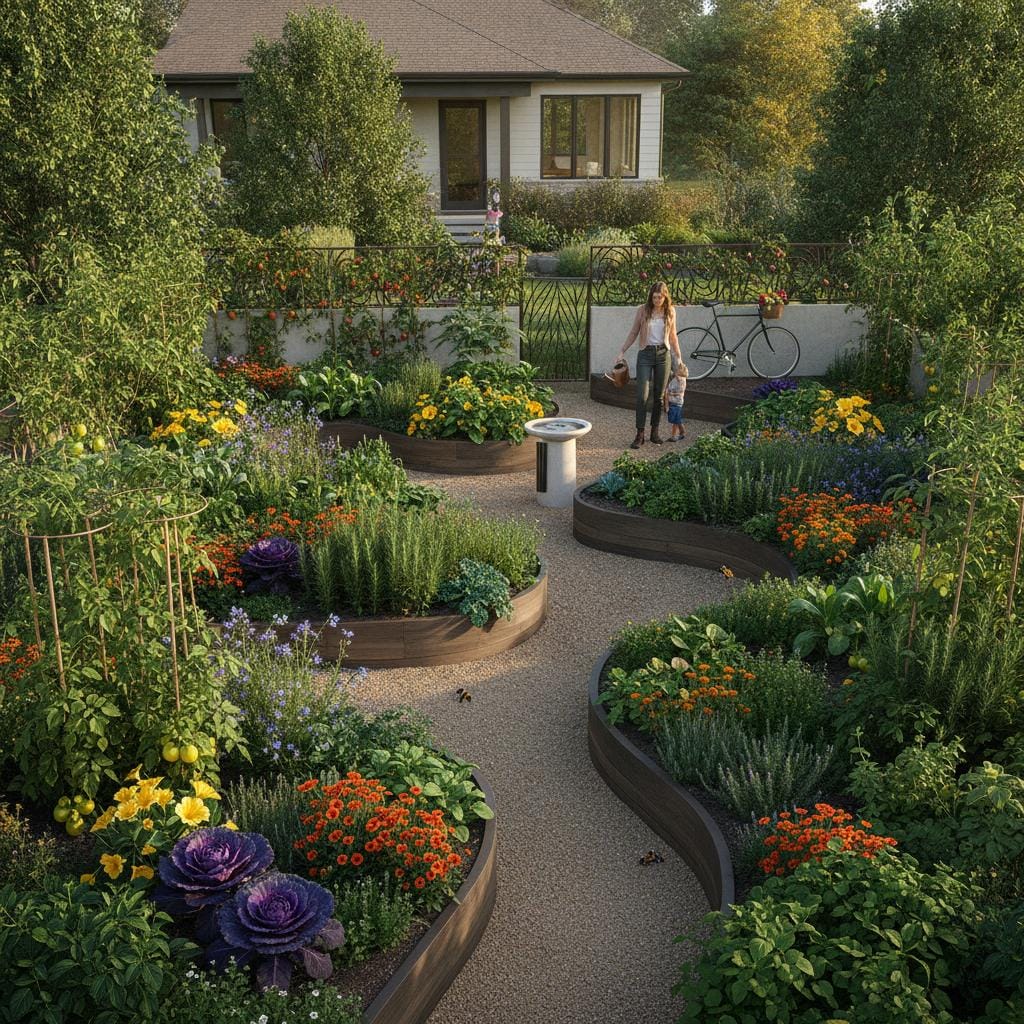
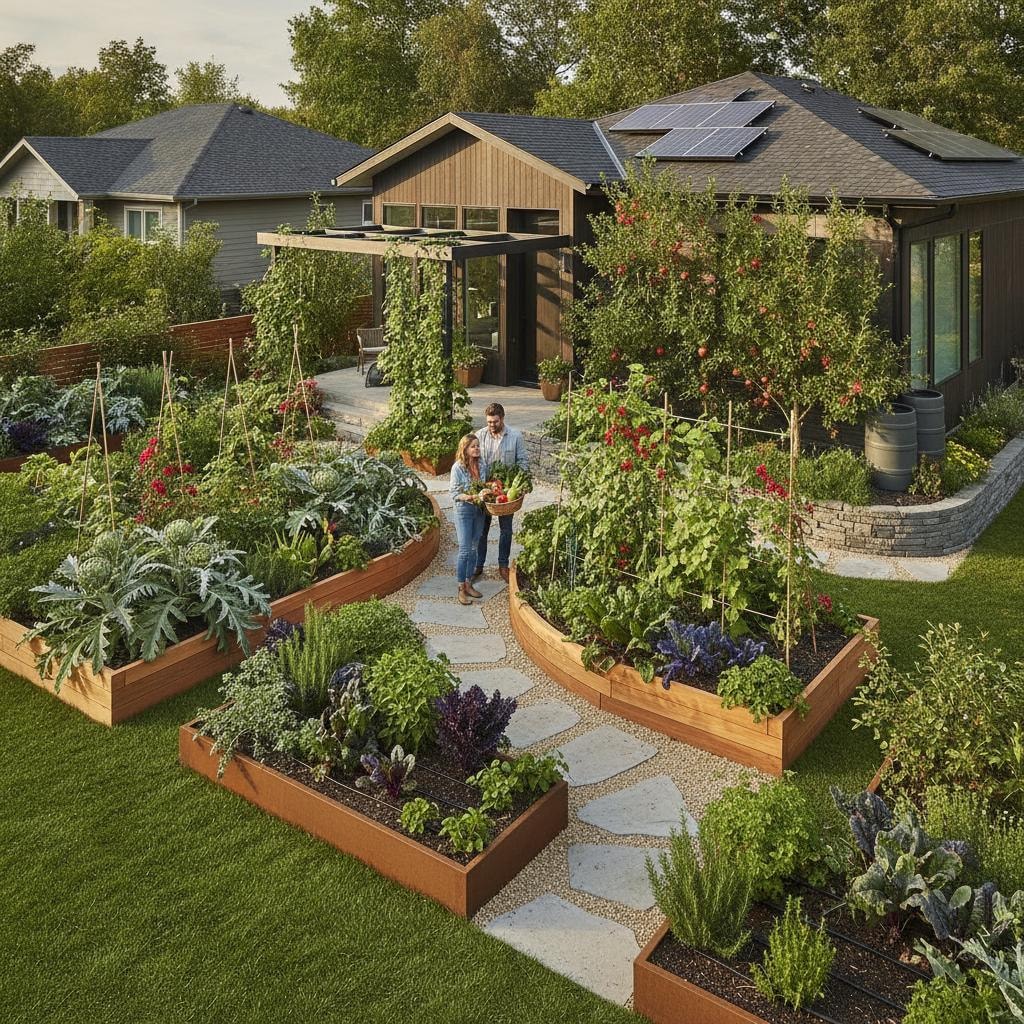
An edible front yard does not have to look like a farm. It can be just as decorative as a traditional garden. Think of a mix of fruit trees, herbs, and vegetables arranged in tidy beds with flowers and mulch. A well-planned edible garden can look intentional and attractive.
Raised beds, stone borders, and gravel paths make it feel structured rather than messy. Some homeowners choose symmetrical layouts that mirror formal gardens, while others prefer a natural, cottage-style planting. The key is balance.
You can mix edible plants with ornamental ones so that the design feels cohesive and welcoming.
Why Homeowners Are Making the Switch
The shift toward edible landscapes comes from several motivations. Many people want to reduce grocery bills and know exactly where their food comes from. Others are drawn to the sustainability of growing food at home. There is also satisfaction in harvesting a fresh tomato or clipping herbs for dinner just steps from your front door.
A traditional lawn can cost hundreds each year in water, fertilizer, and mowing. By comparison, an edible garden can save money over time. It also supports pollinators and enriches the soil rather than stripping it of nutrients.
Some towns even offer rebates or reduced water rates for converting lawns to drought-tolerant or edible landscapes.
Choosing the Right Plants
Selecting plants that fit your climate and soil is the first step. You do not need to fill your entire yard with vegetables. Start small with plants that are productive and attractive. Some good options include herbs such as rosemary, thyme, chives, and sage. These are hardy, low-maintenance, and fragrant.
Leafy greens like kale, lettuce, and Swiss chard add texture and color. Fruit-bearing plants such as blueberries, strawberries, or dwarf fruit trees provide visual interest. Perennial vegetables including asparagus, rhubarb, and artichokes return year after year.
Mixing in flowering plants like marigolds or lavender can attract beneficial insects and keep pests in check. Many of these flowers also make the space look polished, which helps the garden blend with the neighborhood.
Planning and Design Tips
Good planning keeps your edible front yard organized and easy to care for. Start by sketching your space on paper. Identify sunny spots, shade areas, and where water naturally drains. Most fruiting and vegetable plants need at least six hours of sunlight daily.
Keep taller plants toward the back or center depending on your layout, with shorter plants near paths or the street. Raised beds can define planting areas and improve soil drainage. They also make weeding and harvesting easier.
Use mulch around plants to hold moisture and suppress weeds. Drip irrigation or soaker hoses can save water while keeping roots consistently moist. If you want to include paths, gravel, stone, or brick are durable and neat-looking options. These materials make maintenance simpler and prevent soil compaction.
Costs and Labor
Converting a front yard into an edible garden can vary in cost depending on materials and size. A small project might start around a few hundred dollars for soil, compost, and starter plants. Adding raised beds, drip irrigation, or stone edging can raise the cost to a few thousand.
Labor can be done gradually. Many homeowners build one or two beds at a time. The initial setup takes effort, but once the system is established, maintenance is similar to caring for flower beds. Regular watering, pruning, and seasonal planting become part of the routine.
Neighborhood Considerations
Before you dig, check local regulations or homeowners association guidelines. Some areas have rules about front-yard appearances or height limits for plants. A neat layout with edging, mulch, and pathways often satisfies these requirements while keeping the garden visually appealing.
If you live in a community where looks matter, focus on design elements that keep the garden attractive year-round. Use evergreen herbs, decorative trellises, or fruit trees trained into tidy shapes. A well-maintained edible garden can actually increase curb appeal and property value.
Maintenance Through the Seasons
Seasonal care keeps your edible garden productive and neat. In warm months, focus on watering and harvesting. In cooler times, add compost or mulch to protect the soil. Rotate crops each season to prevent pests and disease buildup.
Pruning fruit trees and thinning plants keeps things healthy and prevents overcrowding. Regularly check for insects or disease, and remove damaged leaves quickly. With consistent attention, your garden will keep producing year after year.
Getting Started Today
Turning your front yard into an edible landscape is both practical and rewarding. Start small, learn what grows well in your area, and expand as you gain confidence. A few raised beds or planters can make a big difference.
If you are unsure where to begin, visit a local garden center for advice on soil, plants, and layout. Staff can help match plants to your space and climate. Once you see how beautiful and useful your front yard can be, you may never miss the lawn again.
With a thoughtful design and steady care, your front yard can become a lush, productive farm that feeds your family, supports pollinators, and adds color to your neighborhood. The result is a landscape that looks good, tastes even better, and makes daily life a little greener.