Turn Your Hedge into a Living Fruit Barrier
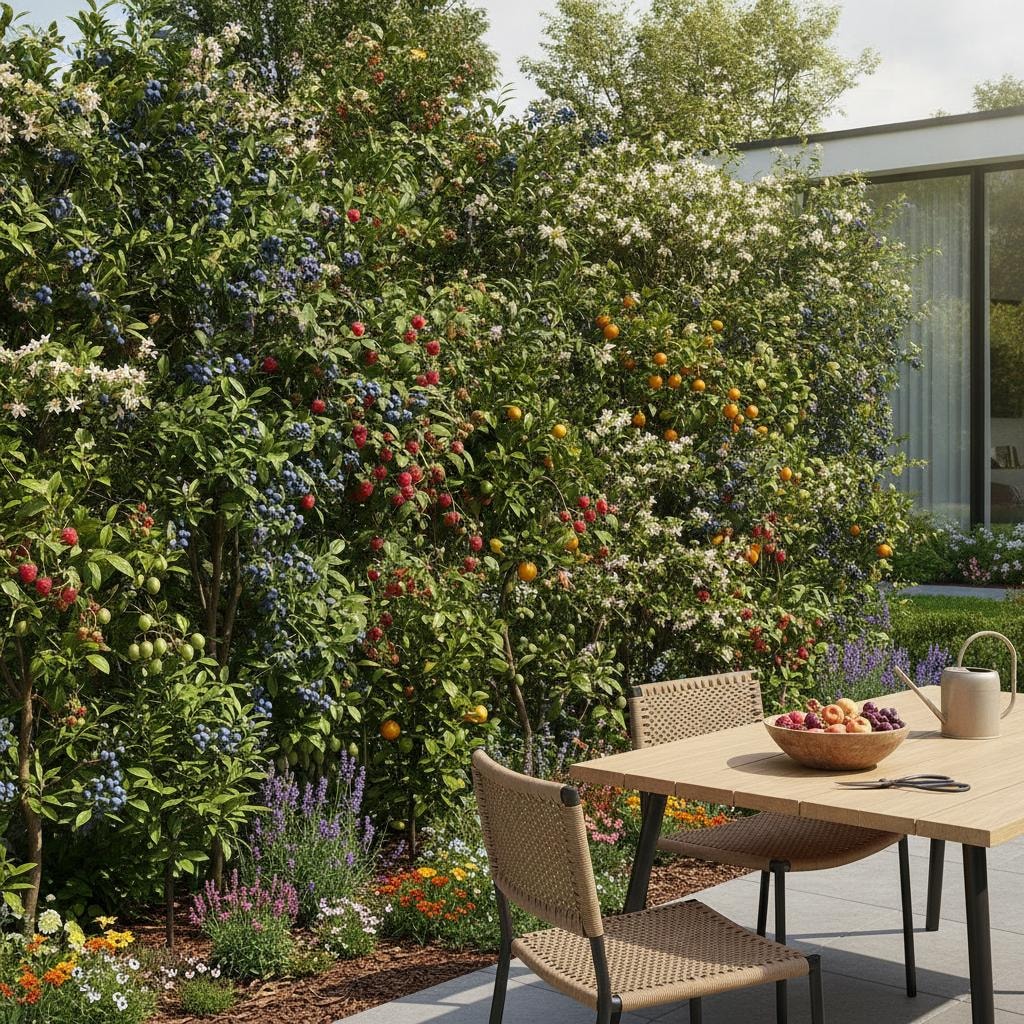
Every hedge can serve more than one purpose. Instead of functioning solely as a boundary or windbreak, it can supply fresh fruit while maintaining privacy. An edible hedge combines structural plants with productive species to create a multifunctional garden element.
Assess Your Existing Hedge
Examine the height, density, and health of current shrubs before making changes. Measure available sunlight across the day and note soil drainage patterns. These observations determine whether to interplant, replace struggling specimens, or reshape existing growth.
Identify gaps that allow views or wind through the line. Measure spacing between plants to plan new additions without overcrowding. Record which areas receive at least six hours of direct sun, as most fruiting plants require this exposure.
Select Compatible Fruiting Plants
Choose a mix of shrubs and canes that share similar soil and light needs. Blueberries, currants, and gooseberries produce berries on compact bushes that fit neatly into hedge rows. Dwarf apples, pears, and plums trained to a central leader add height without exceeding typical hedge dimensions.
Raspberries and blackberries supply quick coverage when trained along horizontal wires. Evergreen herbs such as bay laurel and rosemary maintain winter structure and release fragrance when brushed. Arrange plants in layers with shorter species in front and taller ones behind to create depth and reduce weed invasion.
Prepare Soil and Planting Sites
Remove weeds and loosen compacted soil to a depth of twelve inches. Incorporate two inches of compost or aged manure across the planting strip to improve nutrient levels and drainage. Space new plants eighteen to twenty-four inches apart to allow air circulation that discourages fungal disease.
Water each plant thoroughly after installation so roots establish contact with moist soil. Apply a three-inch layer of wood chips or leaf mold around the base, keeping mulch several inches from stems. This covering retains moisture and suppresses annual weeds during the first two growing seasons.
Prune for Structure and Production
Begin light pruning once plants show new growth, removing only weak or crossing stems. Many berry shrubs fruit on one-year-old wood, so avoid severe cuts that eliminate next season's buds. Perform major shaping of fast-growing canes in early spring and slower shrubs after harvest in late summer.
Install a simple wire trellis behind cane fruits to keep stems upright and accessible. This support improves air flow and simplifies picking. Maintain an overall height of six to eight feet so fruit remains within reach while still screening the yard.
Support Pollinators and Beneficial Insects
Interplant flowering herbs such as lavender and thyme to provide nectar throughout the season. Skip synthetic pesticides that harm bees and predatory insects. Leave a few clusters of berries at the top of the hedge for birds that also consume aphids and caterpillars.
Place a shallow birdbath nearby to encourage regular visits. These additions turn the hedge into a small habitat that increases pollination rates and natural pest control.
Maintain Year-Round Health
Water deeply once a week during dry periods until plants are established. Apply compost tea or an organic balanced fertilizer in early spring and again after fruiting. Monitor foliage for yellowing or distorted growth that signals nutrient deficiency or pest pressure.
Remove weeds by hand in the first three years while roots develop. Refresh mulch annually to maintain its protective layer. These consistent tasks keep the hedge productive without intensive labor.
Follow Seasonal Tasks
In spring, inspect for winter damage and apply fresh mulch. Summer brings harvest of successive berry crops and light trimming to control shape. Autumn requires cleanup of fallen fruit and a final feeding before dormancy. Winter reveals branch structure for planning next year's pruning.
Gather the Harvest
Pick fruit at peak ripeness for best flavor and store excess by freezing or drying. Share surplus with neighbors to strengthen community ties. The hedge continues to deliver privacy, seasonal interest, and fresh produce for many years with steady attention.