Front Yard Farms: The Edible Landscape Trend Dominating 2026
A stroll through a suburban street reveals more than manicured lawns. The aroma of fresh herbs wafts from borders that blend vibrant flowers with leafy greens. This scene captures the essence of the front yard farm, where ornamental appeal meets practical cultivation. Homeowners embrace this approach to create spaces that nourish both the eye and the table.
The Emergence of Edible Front Yards
Traditional front yards once prioritized uniform grass and clipped hedges to signal neatness. In 2026, that paradigm shifts as residents replace sod with rows of ripe berries and sturdy vegetable starts. This transformation extends beyond food production. It redefines sustainable living by integrating utility into visible home exteriors.
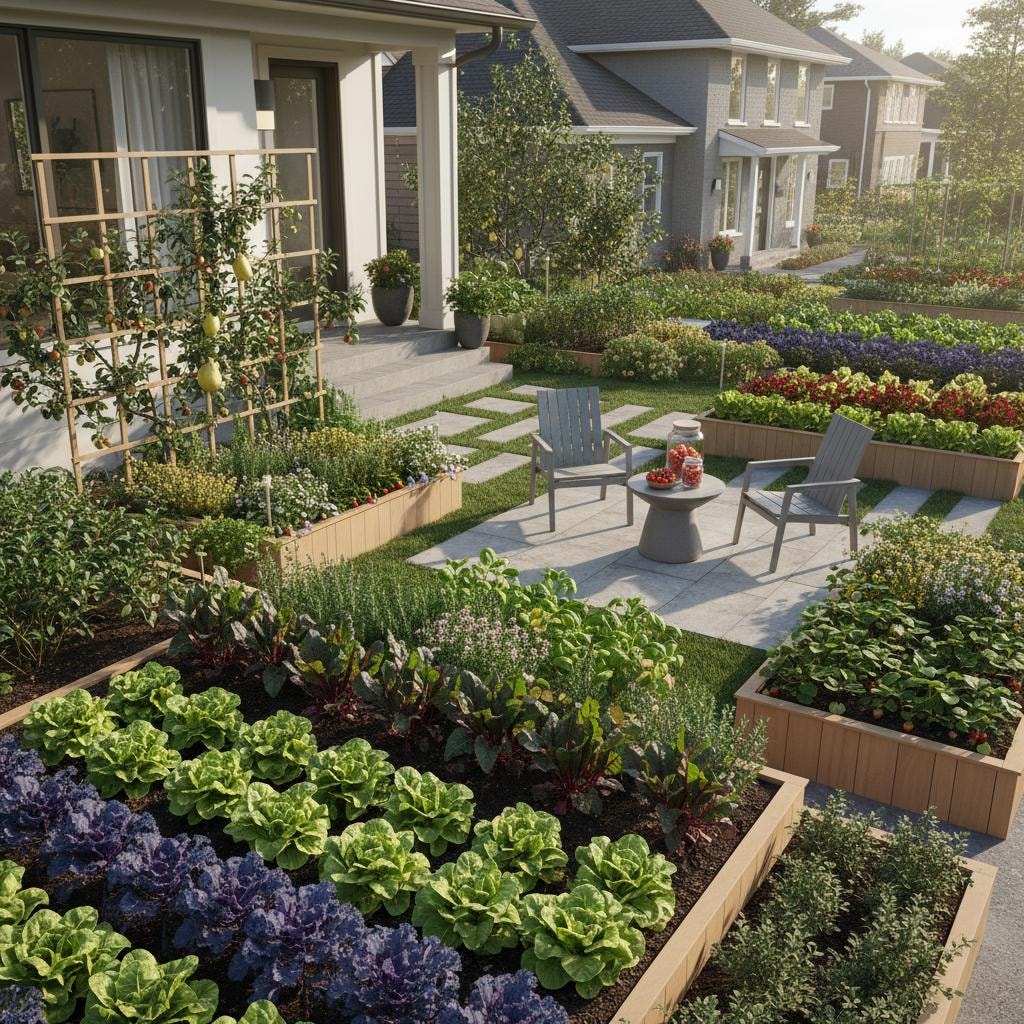
An edible front yard functions as an accessible pantry, exposed to the street for all to appreciate. Homeowners position raised beds along walkways or cluster perennials near entrances. Such designs promote year-round interest while yielding ingredients for meals.
Integrating Aesthetics and Utility
Successful edible gardens demand thoughtful planning to avoid a haphazard appearance. Treat produce as integral to the overall composition, selecting varieties that enhance visual harmony. Focus on layout to ensure the space complements the home's architecture.
Incorporate these strategies for a seamless blend:
- Vibrant pairings: Combine ruby-stemmed Swiss chard with golden marigolds for striking contrast, or nestle chartreuse lettuces amid deep purple violas.
- Patterned repetition: Echo hues like soft blues from borage flowers across multiple beds to establish cohesion.
- Defined boundaries: Install low brick borders or woven willow fences to frame plantings and prevent sprawl.
- Year-round succession: Sow cool-season spinach alongside warm-weather peppers, ensuring continuous coverage as plants mature.
These elements create a polished look that elevates the neighborhood aesthetic without sacrificing output.
Selecting Versatile Plants for Dual Purpose
Opt for species that deliver both ornamental value and harvestable yields. Rainbow Swiss chard offers multicolored veins that mimic exotic foliage, thriving in partial shade. Globe artichokes produce silvery leaves and thistle-like blooms, adding height and texture akin to architectural perennials.
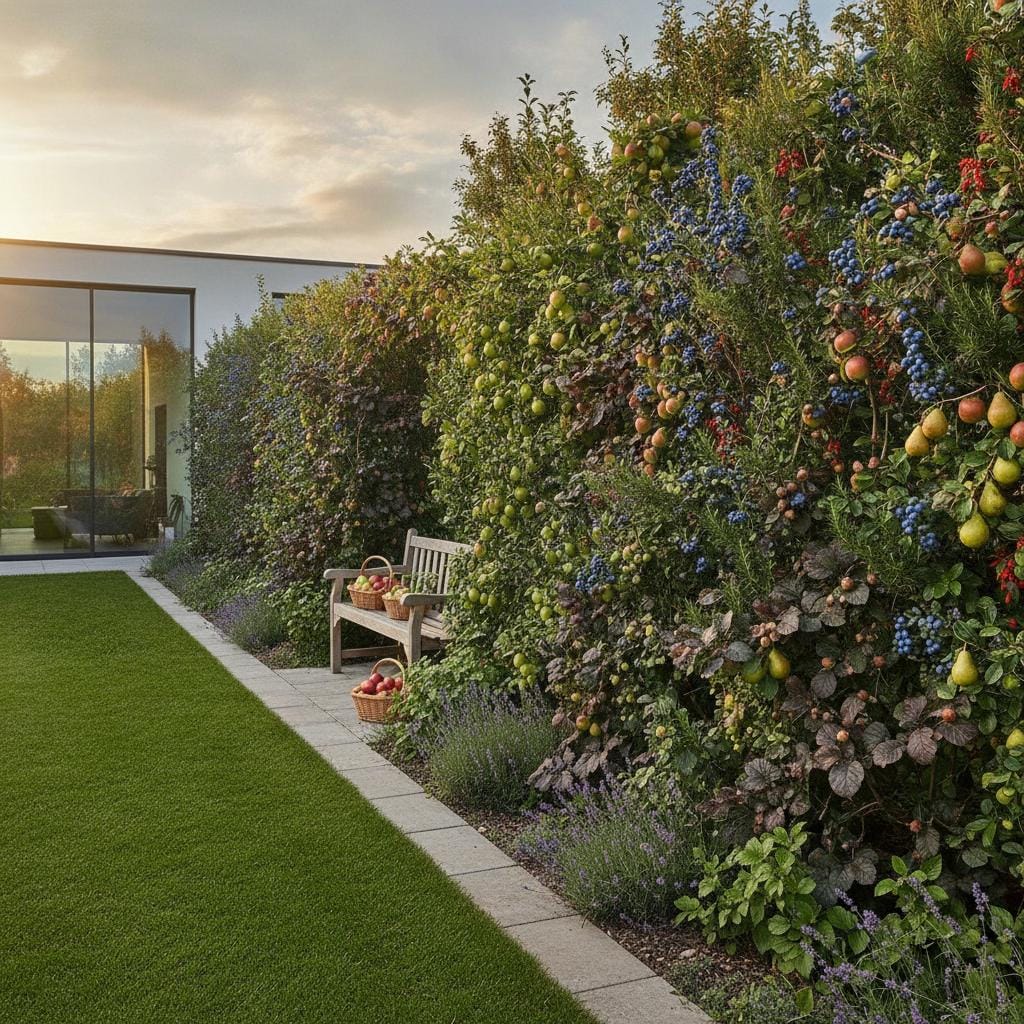
Blueberry bushes feature evergreen leaves, white bell-shaped flowers in spring, and fiery red fall foliage, culminating in antioxidant-rich berries. Hardy herbs such as rosemary form evergreen mounds ideal for edging, releasing piney scents when brushed. Mix in varying forms, from trailing strawberries to upright kale, to maintain dynamic layers throughout the seasons.
Maintenance evolves from routine clipping to purposeful tending. Prune fruiting branches in late winter, and rotate crops annually to enrich soil. This hands-on process connects gardeners more deeply with their outdoor environment.
Fostering Community Through Visible Gardens
Edible front yards spark interactions that strengthen local bonds. A neighbor pauses to admire ripening heirloom tomatoes, prompting discussions on pest control or seed sources. Young passersby observe bees pollinating squash blossoms, igniting curiosity about nature.
Encourage sharing by placing wooden crates near the curb for excess zucchini or basil bunches. This practice builds reciprocity, perhaps leading to traded recipes or collaborative planting days. In an era of isolation, these gardens serve as subtle invitations to connect.
Initiating Your Edible Transformation
Begin modestly to build momentum without overwhelming the space. Start by converting a 4-foot-wide lawn edge into two 3x3-foot raised beds filled with compost-rich soil. Edge an existing perennial border with low-maintenance herbs like oregano, which spread gently without invading.
Assess site conditions first: track sun exposure for six to eight hours daily on south-facing spots, ideal for tomatoes, and note drainage to avoid waterlogged roots for carrots. Plant in irregular groupings, such as triangles of three basil plants, to mimic natural growth. Experiment incrementally, adjusting based on what flourishes in your climate zone.
Nurturing Long-Term Garden Vitality
Edible front yards demand ongoing adaptation to remain vibrant. Monitor soil pH annually, amending with lime for acid-loving blueberries or compost for nutrient-hungry brassicas. Refresh designs by introducing new varieties, like compact dwarf fruit trees that fit narrow strips.
This living canvas mirrors the gardener's evolving preferences, blending productivity with personal expression. The result extends beyond fresh salads or neighborly exchanges. It cultivates a sense of stewardship, proving that attractive, functional landscapes thrive in plain view.