Front Yards Becoming Edible Mini Farms in 2025
The Rise of Edible Landscaping
Homeowners increasingly seek ways to merge aesthetics with functionality in their outdoor spaces. Edible landscaping represents a shift from traditional ornamental gardens to productive areas that yield fresh produce. In 2025, this approach gains momentum as environmental awareness grows and self-sufficiency becomes a priority.
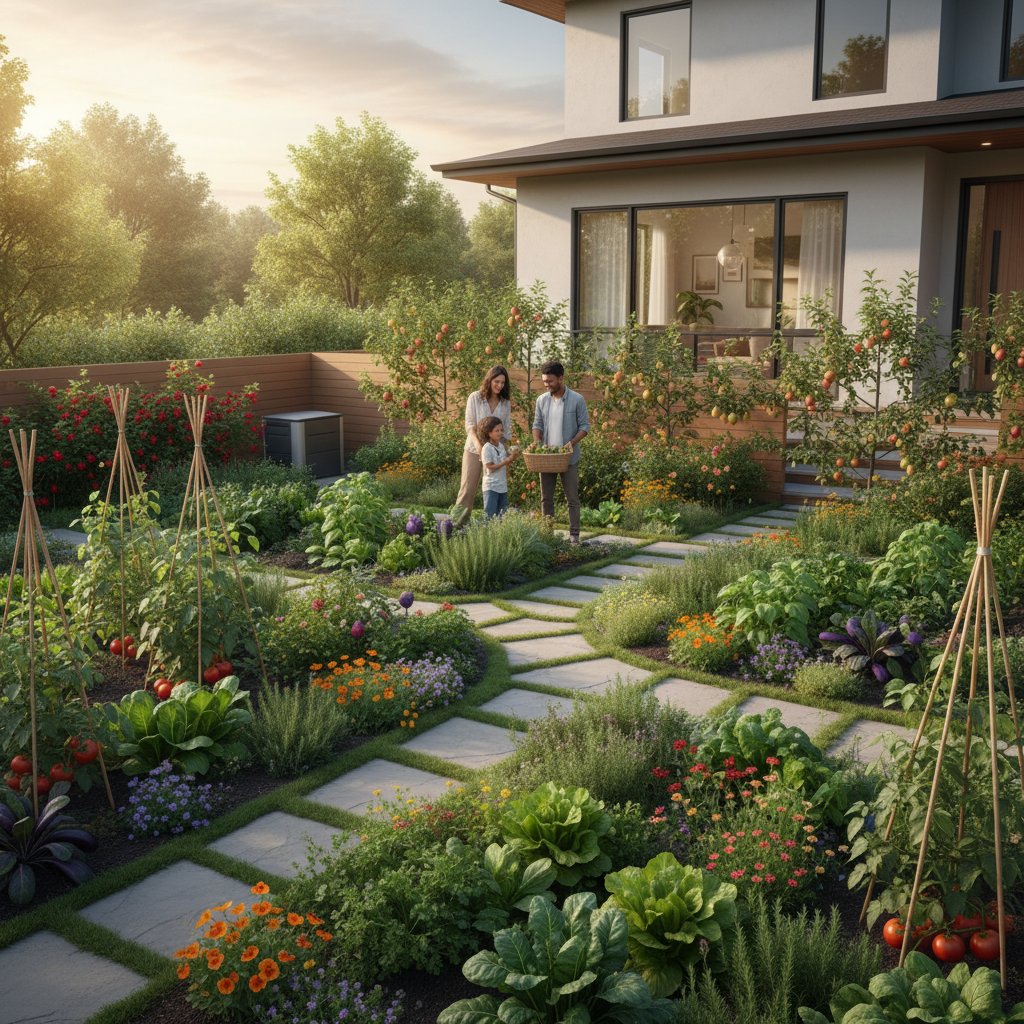
Front yards, once dominated by manicured lawns, now serve as showcases for sustainable innovation. These mini farms integrate herbs, fruits, and vegetables into visible landscapes. The result combines visual appeal with practical benefits, such as reduced grocery costs and enhanced biodiversity.
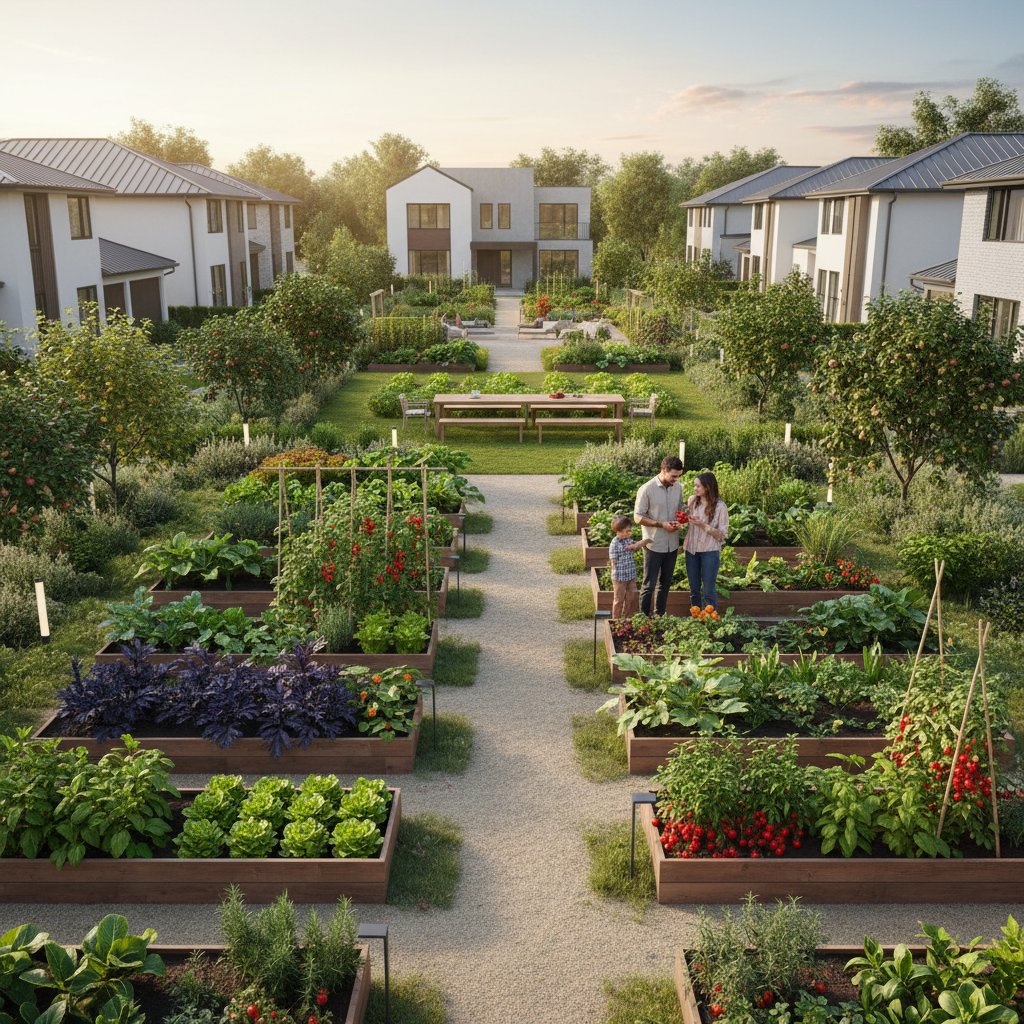
This trend aligns with broader movements toward urban agriculture and climate resilience. Communities benefit from shared knowledge and resources, fostering neighborhood connections. As cities encourage green initiatives, front yard edible gardens emerge as accessible entry points for beginners.
Why Edible Mini Farms Appeal in 2025
Several factors drive the popularity of transforming front yards into edible spaces. Rising food prices prompt individuals to grow their own staples. Additionally, concerns over supply chain disruptions highlight the value of local production.
Sustainability plays a central role. Traditional lawns consume water and fertilizers without providing returns. In contrast, edible gardens support pollinators, improve soil health, and sequester carbon. Homeowners report greater satisfaction from spaces that contribute to well-being.
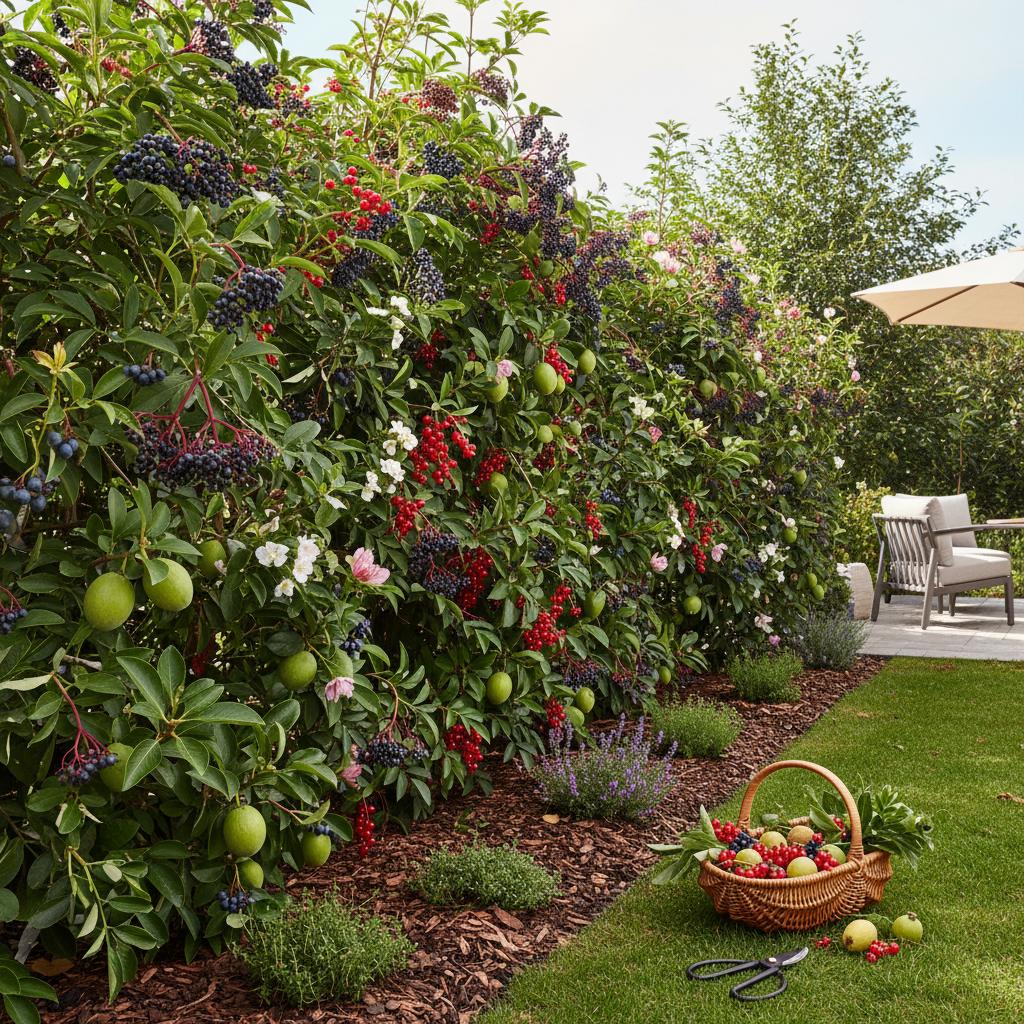
Aesthetic considerations also matter. Well-designed edible landscapes rival conventional gardens in beauty. Flowering herbs attract butterflies, while fruit trees offer seasonal color. This blend ensures curb appeal remains intact, even as productivity increases.
Local regulations evolve to accommodate these changes. Many municipalities now permit vegetable gardens in front yards, reversing outdated rules. Garden centers like Dickinson's provide tailored advice, making the transition smoother for residents.
Key Elements of Design
Effective design forms the foundation of a successful edible mini farm. Start by assessing the yard's conditions, including sunlight exposure, soil type, and available space. Most front yards receive ample light, ideal for sun-loving crops like tomatoes and basil.
Layer plants for visual interest and efficiency. Place taller elements, such as fruit trees or trellised vines, at the back. Mid-level shrubs and perennials fill the middle, while ground covers and edging plants define borders.
Incorporate pathways to guide visitor flow and access plants. Use mulch or gravel to suppress weeds and retain moisture. Vertical structures, like espaliered apples against fences, maximize limited areas.
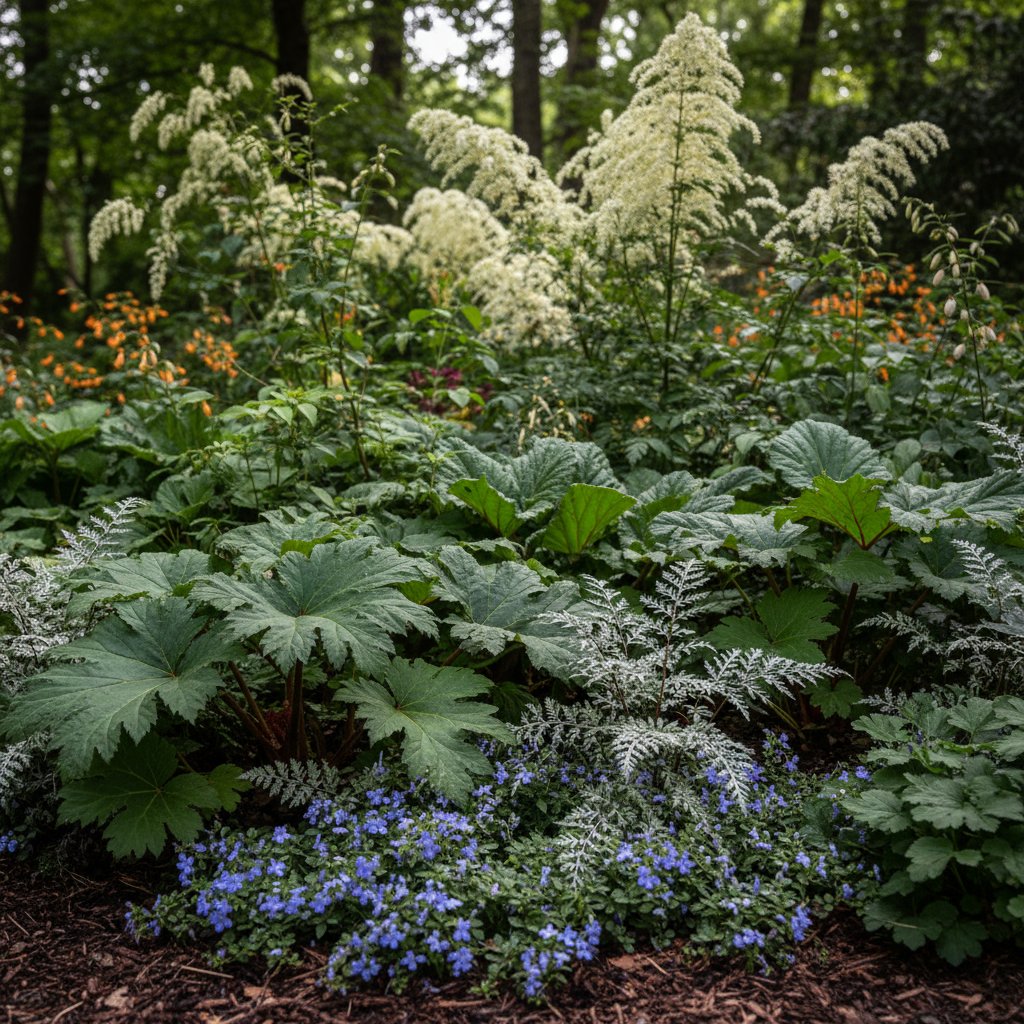
Color and texture enhance appeal. Mix vibrant greens with pops of red from strawberries or purple from eggplants. Native plants integrate seamlessly, requiring less maintenance while supporting local ecosystems.
Selecting Plants for Your Front Yard
Choose plants that thrive in your climate zone for best results. In temperate regions, consider dwarf fruit trees such as apples or cherries, which produce abundantly without overwhelming space.
Herbs offer versatility and year-round interest. Rosemary and thyme form low hedges, while mint thrives in contained pots to prevent spreading. These additions provide fresh flavors for cooking.
Vegetables suit raised beds or borders. Leafy greens like kale and lettuce grow quickly, allowing multiple harvests. Root crops, including carrots and beets, develop underground, preserving surface aesthetics.
Berries add sweetness and ease. Blueberries prefer acidic soil, while raspberries climb supports. Select disease-resistant varieties to minimize issues.
Consult local experts for region-specific recommendations. Soil testing ensures optimal growth, addressing pH or nutrient deficiencies early.
Planning and Implementation Steps
Begin with a detailed site plan. Sketch the yard layout, noting fixed features like walkways or utilities. Allocate zones for different plant types to optimize sunlight and irrigation.
Prepare the soil thoroughly. Amend with compost to boost fertility and drainage. Raised beds suit poor soil conditions, elevating plants above ground level.
Source quality materials from reputable suppliers. Start seeds indoors for a head start, or purchase established plants for immediate impact. Budget for ongoing supplies like tools and fertilizers.
Install irrigation systems to conserve water. Drip lines deliver moisture directly to roots, reducing evaporation. Rain barrels capture runoff, promoting eco-friendly practices.
Engage family members in the process. Assign tasks based on interests, turning the project into a collaborative effort. Track progress with a journal to refine techniques over time.
Maintenance for Long-Term Success
Regular care sustains productivity and appearance. Water deeply but infrequently to encourage strong roots. Mulch layers conserve moisture and deter weeds.
Monitor for pests without relying on chemicals. Companion planting, such as marigolds with tomatoes, naturally repels insects. Hand-pick issues or introduce beneficial insects like ladybugs.
Prune annually to shape plants and remove diseased parts. Harvest promptly to stimulate further growth. Compost kitchen scraps to enrich soil cycles.
Seasonal adjustments keep the garden vibrant. Rotate crops to prevent soil depletion. Winter cover crops, like clover, protect bare earth and add nitrogen.
Community resources aid maintenance. Join local gardening groups for tips and seed swaps. These networks provide support during challenges.
Harvesting Rewards and Community Impact
The payoff extends beyond fresh produce. Homegrown items enhance meals with superior taste and nutrition. Families gain educational opportunities, learning about food origins and environmental stewardship.
These gardens inspire neighbors, sparking conversations and collaborations. Shared harvests build community ties, while visible examples encourage wider adoption.
In 2025, front yard mini farms symbolize proactive living. They deliver beauty, flavor, and sustainability, proving small spaces yield great returns. Start planning today to join this transformative trend.