Front Yards as Farms: Edible Trend Exploding in 2026
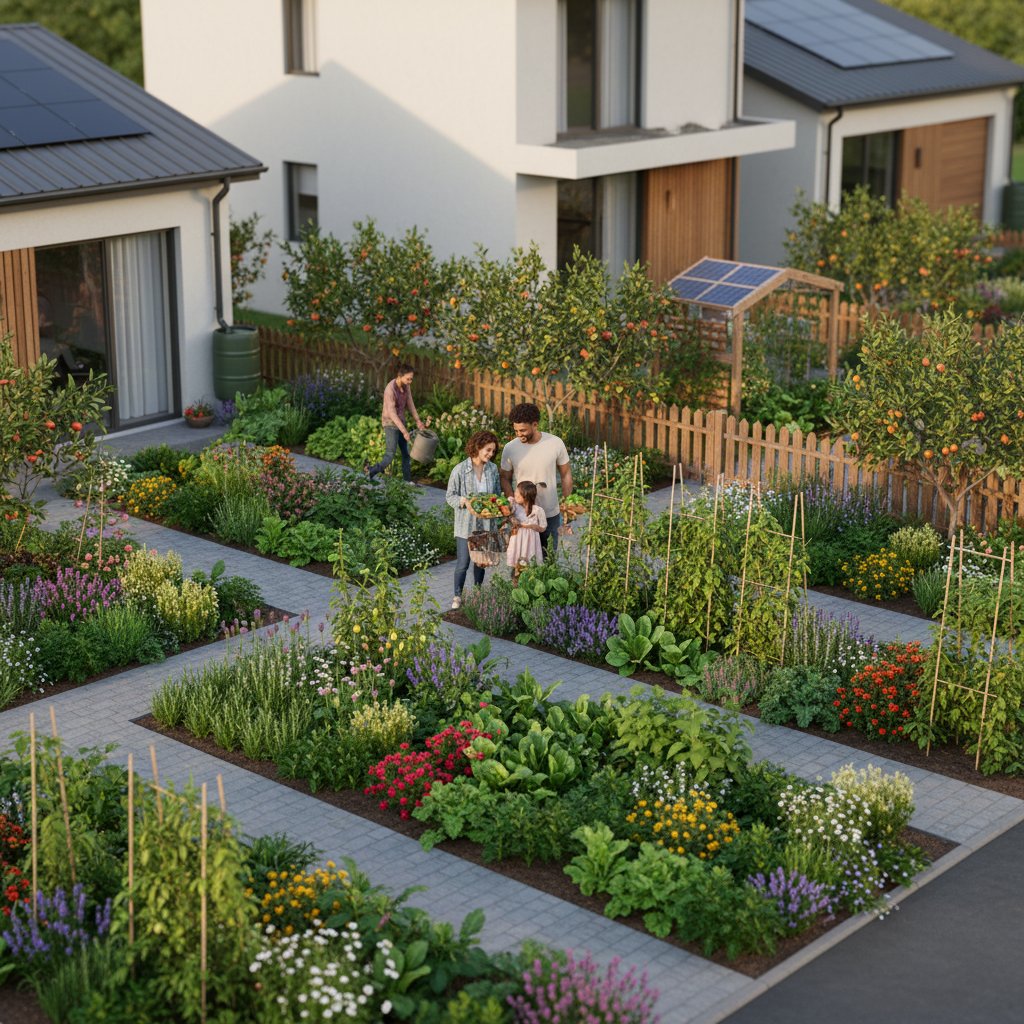
Imagine strolling through a neighborhood where the air carries hints of fresh basil and ripe tomatoes. Kale nestles alongside marigolds, and strawberries cascade over stone edges. These front yards evolve from mere decorative spaces into vibrant ecosystems that blend aesthetics with productivity. Homeowners increasingly recognize that ornamental appeal and practical yields can coexist, reshaping community landscapes.
This movement, known as edible landscaping or foodscaping, goes beyond convenience. It fosters a reconnection with nature's cycles and infuses front yards with purpose. No longer just backdrops for homes, these spaces now yield food, support pollinators, and spark interactions with passersby curious about the figs or beans in full growth.
Rethinking the Purpose of the Front Yard
Historically, front yards served as visual showcases. Neat lawns, clipped hedges, and symmetrical flowers prioritized appearance over function. Maintenance demands, including watering, fertilizing, and mowing, consumed resources without tangible benefits.
Homeowners began exploring alternatives with simple additions, such as herb pots by the entrance or lettuce in place of annuals. They discovered that intentional edible designs maintain elegance while providing sustenance. This evolution allows yards to nourish residents and enhance architectural harmony.
The Appeal of Edible Beauty
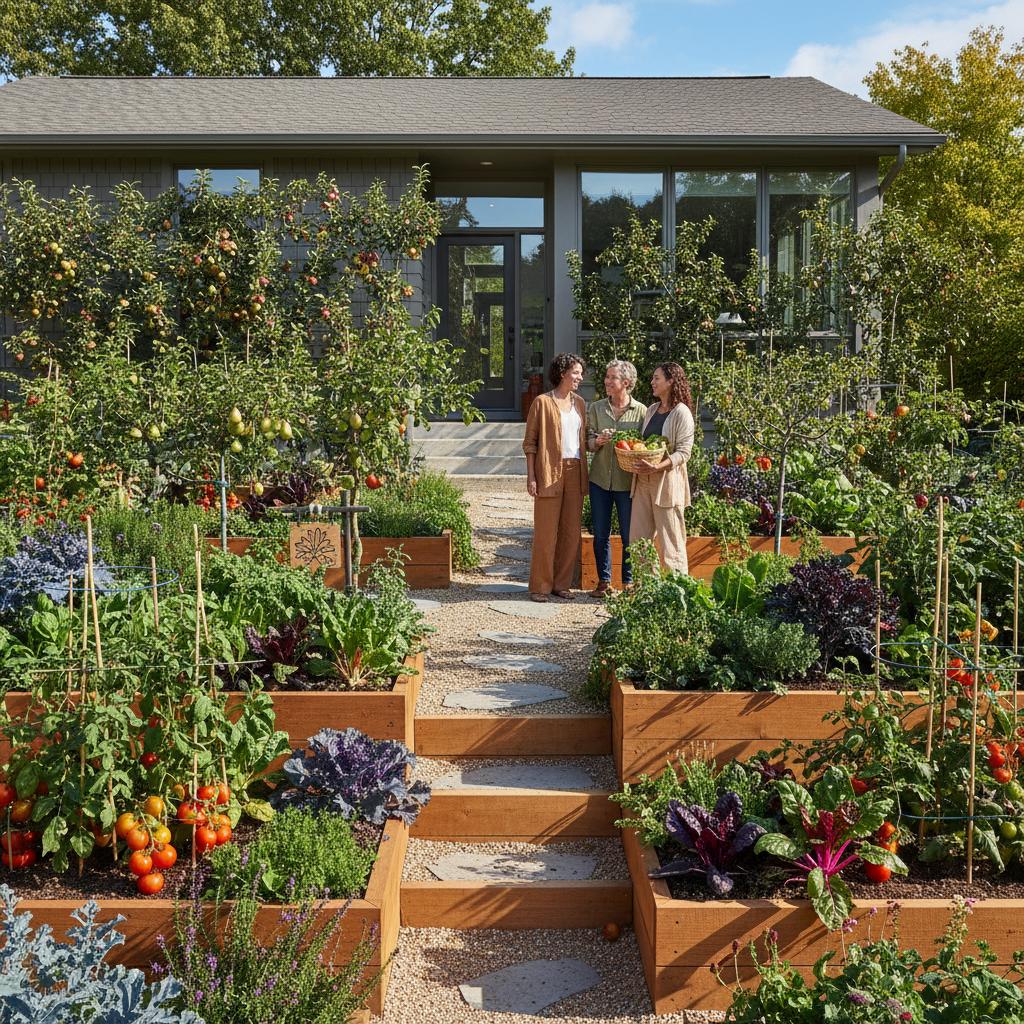
Edible landscaping harmonizes utility and design. It integrates food plants seamlessly, avoiding a utilitarian overhaul. For instance, a blueberry shrub can substitute for boxwood, offering both berries and structure. An espaliered pear tree mirrors the form of a decorative crabapple while bearing fruit.
Textures, colors, and seasonal shifts create visual interest. Greens provide lush foliage, fruits deliver vivid accents, and structured beds ensure order. Apply compositional techniques: repeat forms for cohesion, vary heights for dynamic flow.
Reliable Choices for Edible Front Yards
Select plants that thrive in visible spaces and require minimal upkeep:
- Herbs: Rosemary, sage, lavender, thyme, and chives offer evergreen structure, aromatic appeal, and culinary value with low water needs.
- Fruit shrubs: Blueberries, currants, and gooseberries provide seasonal berries, autumn color, and compact growth suitable for borders.
- Edible flowers: Nasturtiums, calendula, and violas add pops of color, draw bees, and garnish salads.
- Compact vegetables: Loose-leaf lettuces, bell peppers, and cherry tomatoes integrate into beds without overwhelming the layout.
- Dwarf fruit trees: Miniature apples, peaches, or figs on dwarf rootstocks prune easily to fit near pathways, yielding fruit in small areas.
Focus on selections that align with your climate and soil for sustained success.
Designing for Harmony and Productivity
Establish a framework with paths, borders, and accents, adapting principles from traditional landscaping. Use raised beds or low walls to organize zones, enhance drainage, and enrich soil. Layer plantings: position taller elements like fruit trees at the back, mid-level shrubs and herbs in the center, and ground-level vegetables upfront.
Incorporate biodiversity by interplanting edibles with ornamentals to deter pests and bolster beneficial insects. Install drip systems or soaker hoses for efficient watering, targeting roots directly. Apply organic mulch, such as straw or leaf litter, to retain moisture and reduce weeding.
Compost household organics to recycle nutrients, promoting soil vitality. Arrange plants in rhythmic patterns, like alternating rosemary and lavender along walks, to unify the design. Intersperse greens in off-seasons to maintain year-round vibrancy.
The Social Side of Edible Landscapes
Edible front yards transform interactions. Neighbors pause to inquire about harvests, exchange cuttings or tips, and observe growth cycles. Children gain firsthand lessons in food origins from street-level gardens.
These spaces convey priorities: sustainability without sacrificing style, local production steps from the door. They cultivate stewardship, highlighting soil care, insect roles, and seasonal patterns absent in monoculture lawns.
Balancing Order and Wildness
Edible designs succeed by merging discipline with organic growth. Defined paths and edged beds impose structure, while vining plants introduce vitality. Allow tomatoes to tumble from supports or squash to extend slightly for authentic charm.
Tailor the style to your home: geometric herb plots suit contemporary facades, while blended flower-vegetable medleys complement cottages. Prioritize deliberate care to convey intention over abandonment.
Starting Small and Growing Into It
Begin modestly to build expertise. Convert one bed to herbs or greens, or place potted fruits by the entry. Track seasonal performance: note sunlight patterns, soil moisture, and plant responses.
These trials reveal preferences, such as shade-tolerant greens or sun-drenched peppers. Incremental steps avoid disruption and ease community adaptation in lawn-dominant areas.
Living with Your Design
Established gardens integrate into daily routines. Harvest during morning rounds, base meals on ripe picks, and deepen bonds with the outdoors. Observe pollinators at work, inhale sun-warmed herbs, and relish self-sufficiency.
Treat upkeep as seasonal rituals: prune for shape, gather yields, rotate crops. Refresh layouts with cool-season swaps for warm-weather favorites, ensuring ongoing appeal and output.
Practical Steps to Launch Your Edible Front Yard
Follow these steps for effective implementation:
- Assess your space: Map sunlight, soil type, and water access.
- Sketch a layered plan: Allocate zones for heights and functions.
- Select suited plants: Choose based on hardiness zones and maintenance levels.
- Prepare the soil: Amend with compost and install irrigation.
- Plant and monitor: Space for growth, mulch, and adjust as needed.
These actions yield a landscape that sustains, delights, and connects.