Front Yard Edibles: The 2025 Design Movement
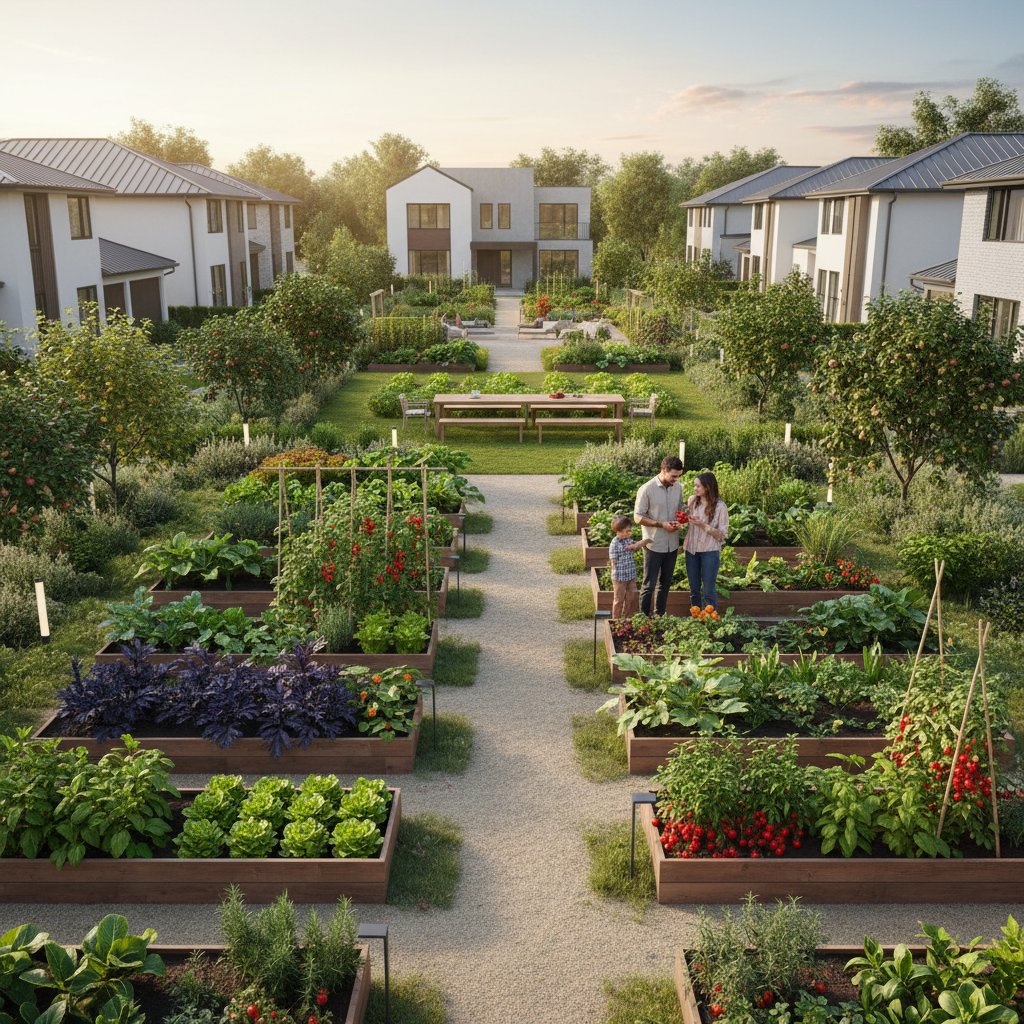
The sight of a front yard brimming with vegetables rather than decorative shrubs remains vivid. Tomatoes ascend trellises along pathways, herbs outline porch steps, and kale forms a precise border by the sidewalk, resembling a vibrant hedge. This combination of functionality and elegance challenges the notion that food production belongs solely in backyards. Homeowners increasingly embrace edible front yards as a deliberate approach that integrates beauty, environmental responsibility, and social interaction.
Shifting to Intentional Landscapes
Front yards traditionally served as visual showcases with lawns, hedges, and select blooms to convey order and upkeep. Vegetable gardens remained concealed in rear spaces, viewed as practical necessities. Now, many reevaluate this arrangement. Front yards provide ample sunlight, public visibility, and opportunities for engagement, making them ideal for edible cultivation.
This evolution reflects wider perspectives on outdoor areas. Landscapes can maintain visual appeal while yielding produce. Visible edible plants promote consistent care and frequent harvesting. They also prompt neighborly interactions, such as sharing seeds or recipes, transforming the garden into a communal dialogue rather than an isolated pursuit.
Integrating Aesthetics and Function
Edible front yard design enhances rather than diminishes curb appeal. Treat food plants as artistic components, focusing on foliage hues, textures, and shapes for composition. Swiss chard offers vivid stems that pair with the subtle gray of sage leaves. Cabbage provides sturdy, blue-green forms akin to hosta plants. Strawberries serve as appealing ground covers, and rosemary or lavender act as aromatic edging.
Balance structure and fluidity in the layout:
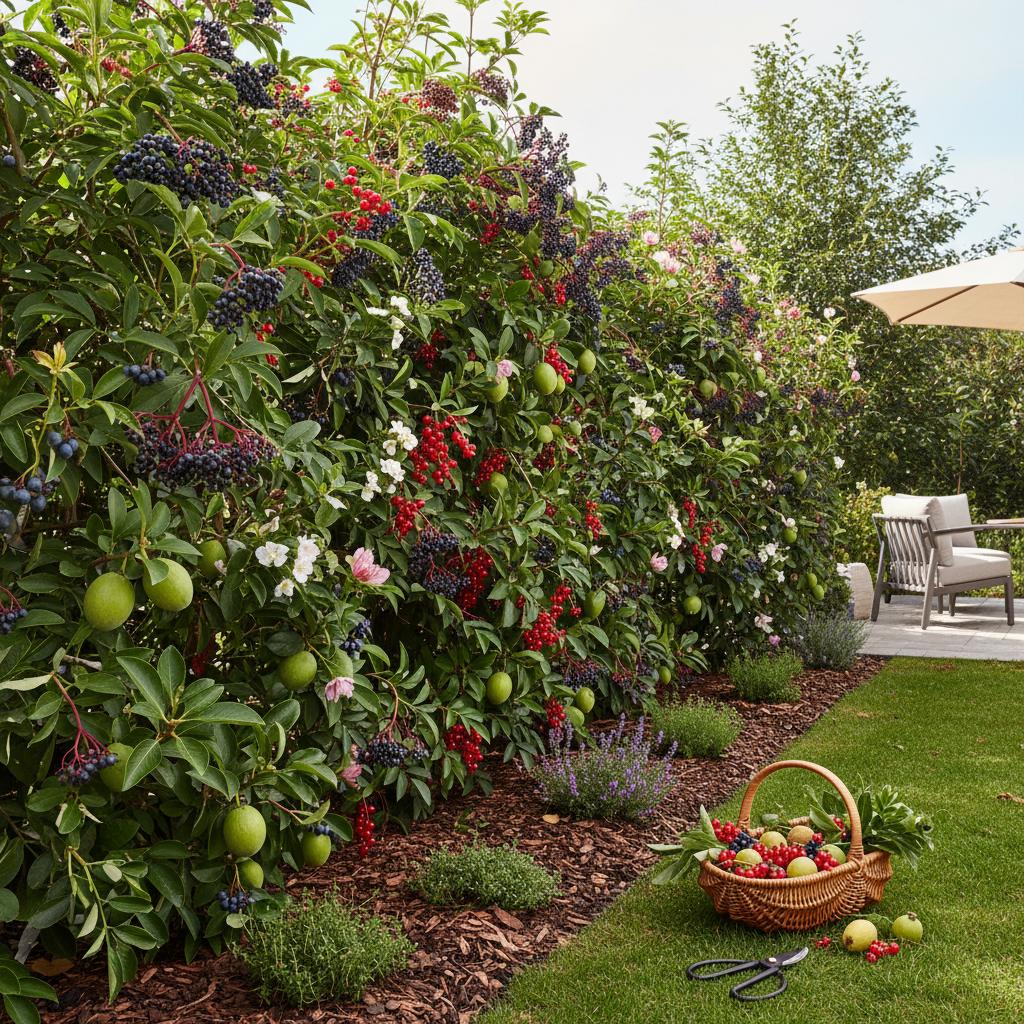
- Shrubs and compact trees like blueberries, pomegranates, or dwarf citrus supply vertical interest and yearly changes.
- Intermediate plants such as peppers, eggplants, or kale introduce color and pattern.
- Ground-level herbs and greens occupy spaces and temper outlines.
Diverse shapes ensure seasonal vitality. Incorporate flowers, whether edible or supportive, to draw pollinators and inject color. The outcome is a plentiful yet purposeful setting.
Optimizing Available Space
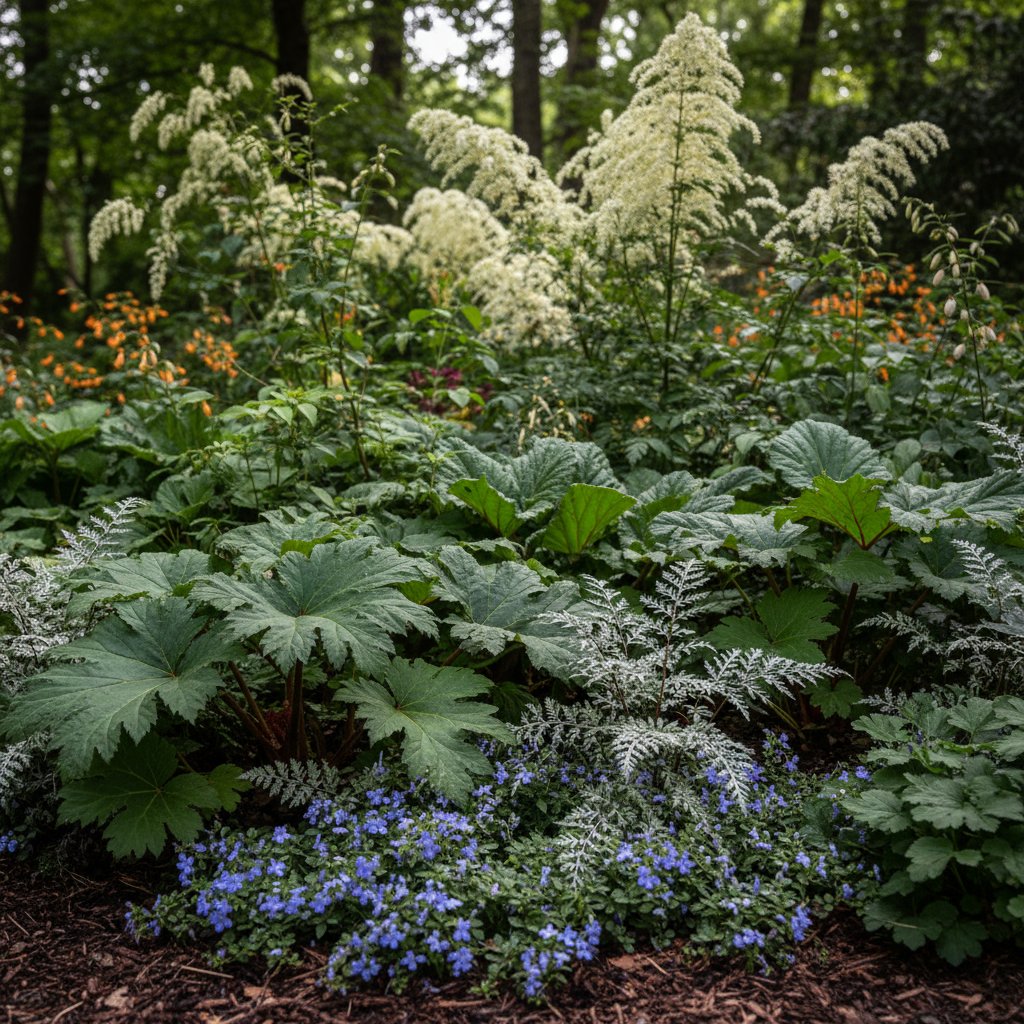
Front yards differ in dimensions and light exposure, yet most accommodate edibles through careful assessment. Start by tracking sun patterns. Fruiting varieties like tomatoes and peppers require full sunlight for optimal growth, whereas greens and herbs manage in partial shade. Adapt the plan to existing site conditions instead of imposing a uniform scheme.
Implement these arrangement techniques:
- Edible edging. Substitute decorative borders with herbs or compact vegetables. Chives, thyme, and loose-leaf lettuce create orderly, vibrant strips beside paths.
- Tiered plantings. Position tall options like okra or sunflowers at the rear, followed by medium-height crops and cascading covers upfront.
- Pots and elevated beds. These suit suboptimal soil or structured aesthetics, simplifying upkeep.
- Upright elements. Employ trellises, barriers, or arches for vining beans, peas, or cucumbers to delineate areas.
Aim for dimension and flow over linear planting. Align the garden with the home's style and adjacent greenery for enduring appeal and year-round intrigue.
Fostering Community Through Food
Edible gardens inherently unite individuals. Front yard placements amplify this by inviting public notice. Neighbors pause to view maturing fruits or inquire about tomato cultivars. Some place collection baskets by paths for passersby to harvest as desired. Such acts convert personal plots into venues of sharing.
Visible food growth anchors daily awareness. Children observe it closely, guests remark upon it, and it underscores local sourcing. Even modest herb or berry patches highlight this link. In various locales, these gardens initiate gardener exchanges, swapping advice and plant starts to build neighborhood bonds.
Harmonizing Maintenance and Visual Appeal
Enthusiasm drives edible landscapes, but equilibrium ensures longevity. Visible spaces demand ongoing care to avoid disarray. Strategic repetition unifies the design; cluster basil repeatedly or align lettuce rows in matching tones for cohesion.
Address upkeep essentials:
- Select varieties compatible with regional weather and ground composition.
- Prioritize consumable crops that align with preferences.
- Apply mulch to retain moisture and suppress weeds.
- Maintain broad access routes for convenience and neatness.
These practices sustain productivity and polish across seasons.
Prioritizing Environmental Benefits
Edible front yards align with sustainable practices. Swapping grass for food plants cuts water consumption and synthetic applications. Install low-flow irrigation or collection systems to recycle rainwater effectively. Compost organic waste to enrich soil cycles.
Diversity bolsters ecosystems. Blends of blooms, produce, and fruit bearers aid bees, butterflies, and vital pollinators. Shift from fixed displays to dynamic habitats that adapt to nurturing.
Tailoring Styles to Home and Locale
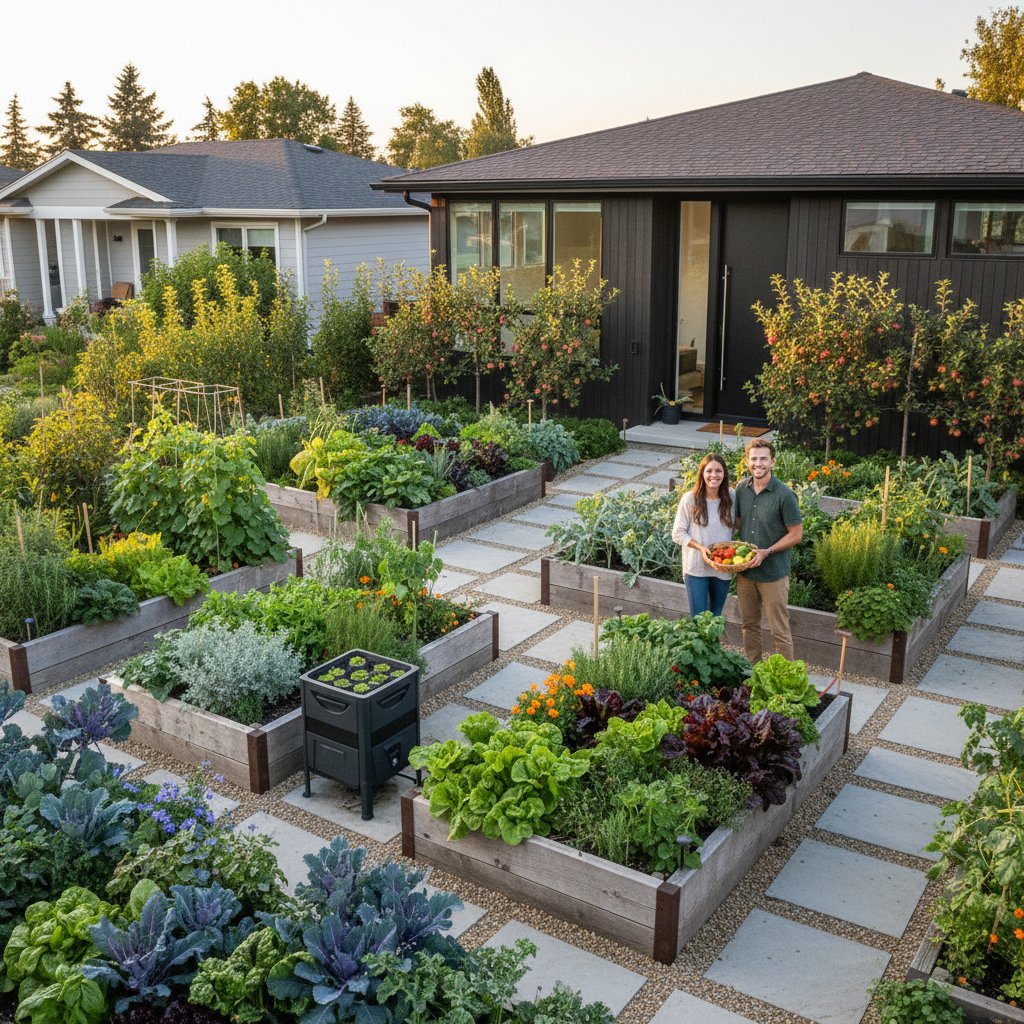
Adapt edible designs to architectural and community aesthetics. Traditional homes benefit from informal arrays of herbs, blooms, and climbers. Contemporary structures favor precise beds, angular containers, and balanced dwarf trees.
Opt for seamless blending, where edibles mingle with non-food plants discreetly, or bold profusion with cascading tomatoes and expansive squashes. Choose approaches that suit daily management. Consider seasonal progression and post-harvest views. Enduring features like supports, rock outlines, or persistent herbs maintain form in dormant periods.
Addressing Typical Hesitations
Concerns about conventions or untidiness deter some from front yard edibles. Define borders and clear routes to demonstrate purpose. Interweave food and decorative elements for integration. Elevated or ornamental holders convey order over utility.
Pests pose another issue. Favor proactive measures: plant pollinator blooms to attract allies, pair species to repel threats, and alternate plantings annually. Robust soil and varied selections minimize issues organically.
Launching Your Edible Front Yard
Begin modestly for newcomers. Select a porch-adjacent spot and trial simple edibles. Rosemary, basil, or oregano offer straightforward starts with visual and olfactory appeal. Strawberries or container lettuces adapt readily.
Observe site dynamics: light variations, drainage, and plant responses. This methodical expansion cultivates expertise and enjoyment, evolving plans through direct involvement.
Embracing the Daily Harvest Rhythm
Edible front yards reward beyond yields with integrated routines. Gather dinner herbs en route outside, snip greens heading to the post, or track insect activity amid flowers. These practices link inhabitants to their surroundings. Beauty and utility converge in shared earth.
This rising practice fulfills aspirations for linkage, independence, and purpose outdoors. Food-filled front yards nourish homes while sparking inquiry, collaboration, and stewardship of proximate land.