Front Yard Foodscapes: The Premier Landscaping Trend for 2025
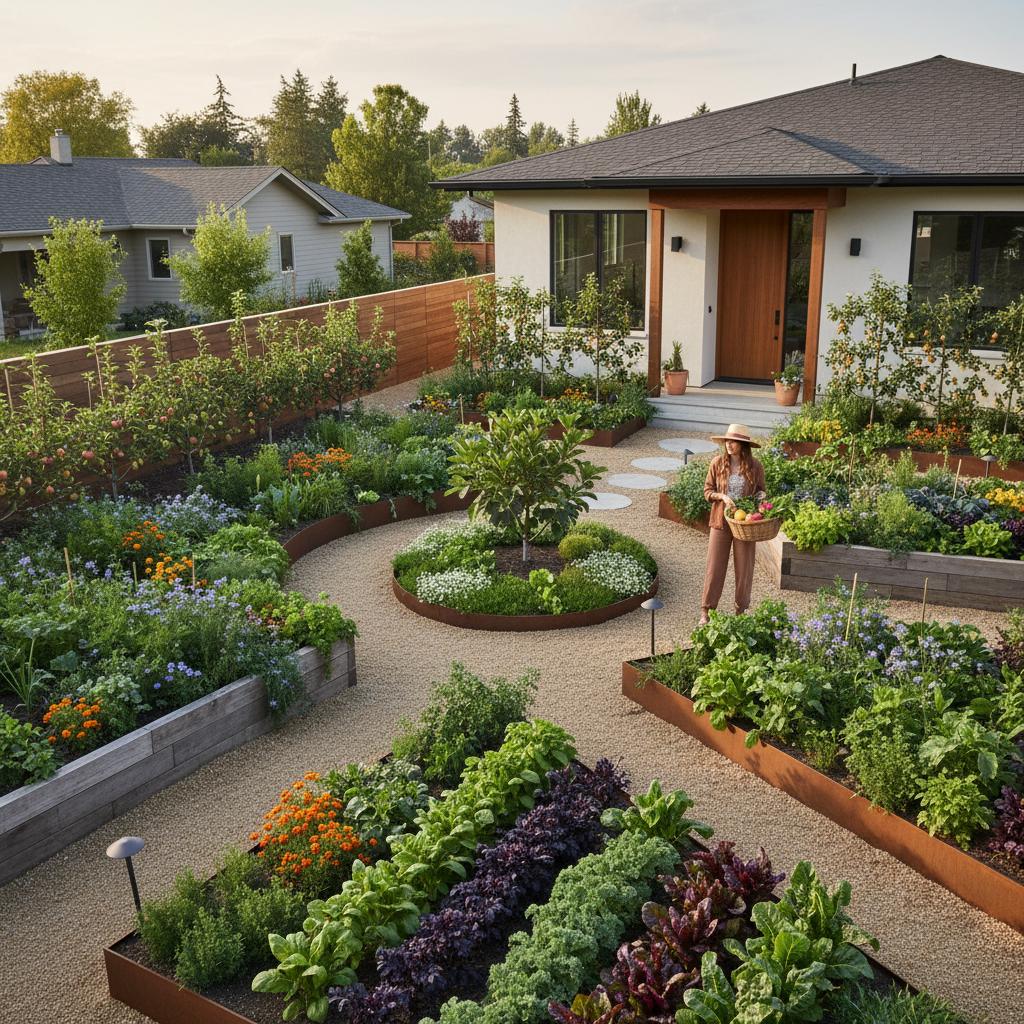
Many homeowners gaze at their front yards and sense untapped potential. The lawn may appear lackluster, or flower beds might fail to inspire as before. Front yard foodscaping addresses this by merging practicality with visual allure, converting standard lawns into vibrant gardens rich in color, aroma, and taste. This method enhances curb appeal while delivering fresh produce directly from the doorstep.
Foodscaping avoids the appearance of a utilitarian farm. Instead, it emphasizes equilibrium, cohesion, and ingenuity. Integrating edible and ornamental plants yields a space that nourishes the body and uplifts the spirit simultaneously.
The Appeal of Edible Landscape Design
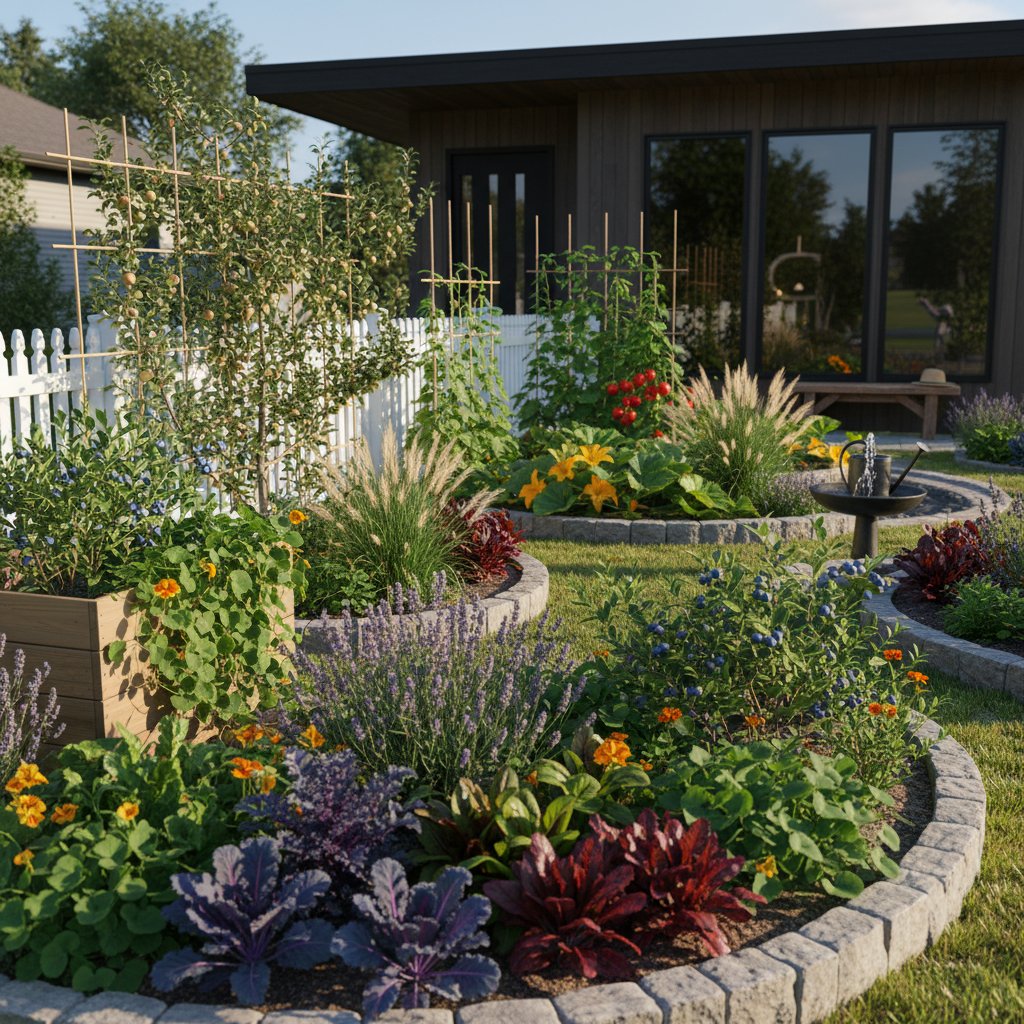
Foodscaping incorporates edible plants seamlessly into landscape architecture. Rather than isolating vegetable areas from floral displays, this technique unites them. For instance, a lavender border can frame a pathway alongside vibrant leafy greens, while blueberry shrubs substitute for conventional hedges and herbs occupy planters formerly reserved for ornamental varieties. The outcome is a multifaceted garden that combines elegance with utility.
This trend attracts individuals for diverse motivations. Some seek to lower expenses on store-bought items or prioritize locally sourced nutrition. Others desire a more dynamic outdoor environment. Regardless of the impetus, foodscaping fosters a profound bond with the natural surroundings. Observing seasonal transformations shifts gardening from routine upkeep to a rewarding cycle of sustenance.
Evaluating Your Yard and Objectives
Prior to planting, conduct a thorough examination of the yard. Track sunlight patterns throughout the day to identify full-sun and partial-shade zones. Note soil moisture levels, distinguishing quick-draining spots from persistently wet areas. Consider foot traffic and gathering points to preserve usability in the design.
Define clear goals for the foodscape. Envision whether the focus lies on salad greens, culinary herbs, or shade-providing fruit trees. These preferences guide the overall layout. If the project seems daunting, initiate with modest changes, such as substituting a lawn segment with edibles to build confidence without excessive initial labor.
Essential Assessment Steps
- Sunlight Analysis: Edible plants typically require a minimum of six hours of direct sunlight daily; map shaded regions accordingly.
- Soil Preparation: Amend soil with compost to enhance texture, drainage, and nutrient content for robust root development.
- Drainage Evaluation: Steer clear of low-lying areas prone to puddling after rainfall to prevent root rot.
- Accessibility Planning: Maintain unobstructed pathways and allocate sufficient space for routine harvesting activities.
These evaluations establish a solid base for a garden that balances aesthetics and yield.
Designing for Year-Round Harmony
Strategic planning ensures the foodscape remains attractive across seasons. Layer textures, hues, and plant elevations to generate visual interest. Position tall elements like cornstalks or okra to border compact herbs and greens, while allow strawberries to cascade over retaining walls for a softening effect on rigid lines.
Select species suited to regional conditions. Opt for native or drought-resistant options to minimize upkeep and support pollinator populations. Pair perennials such as asparagus or rhubarb with annuals like tomatoes and lettuce to sustain productivity throughout the year.
Strategies for Integrating Form and Utility
- Edging Pathways: Substitute ornamental borders with compact herbs including thyme or oregano for subtle fragrance and texture.
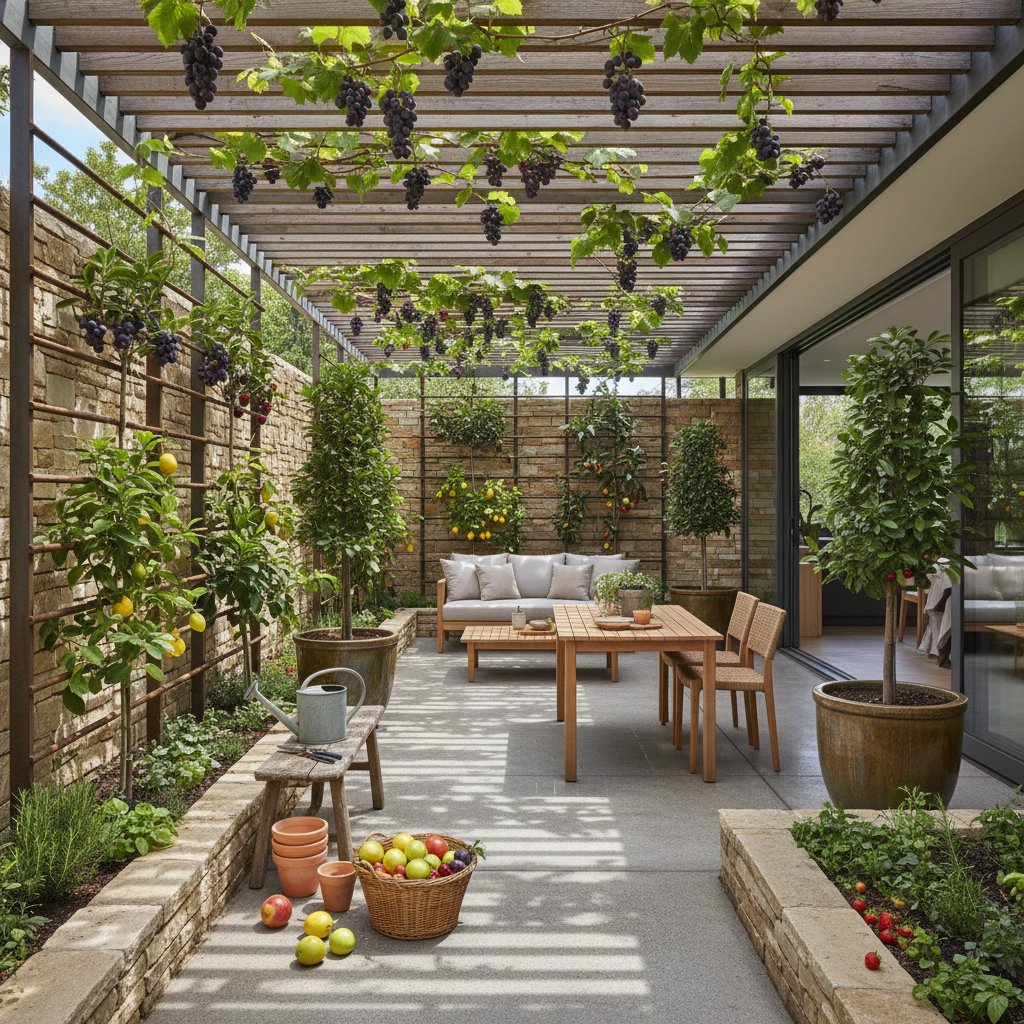
- Container Gardening: Position oversized pots by entrances to cultivate peppers, basil, or compact citrus varieties.
- Central Features: Establish fruit trees or berry shrubs as prominent anchors to draw the eye.
- Ground Cover Alternatives: Employ trailing strawberries or sweet potatoes in sunlit areas to replace turf grass effectively.
Such designs spark intrigue. Neighbors may inquire about the plant selections, and guests often remark on the pervasive herbal scents.
Implementation: Planting and Initial Care
With a solid plan in place, proceed to planting. Source robust seedlings or quality seeds from reliable suppliers. Arrange plantings with adequate spacing to avert overcrowding, which fosters pest issues and illnesses. Apply mulch layers around bases to retain moisture and inhibit weed growth.
Establish a watering regimen that promotes deep root systems. Deliver thorough soaks less frequently rather than shallow daily applications. Schedule irrigation for early mornings to maximize absorption before evaporation from midday warmth. In regions with usage limits, install drip systems to target roots efficiently and conserve resources.
Monitor the garden weekly for emerging challenges. Prompt intervention for pests or deficiencies prevents escalation. Employ organic remedies where possible: introduce ladybugs to manage aphid populations, or scatter crushed eggshells to repel slugs. Incorporate compost from household organics to provide consistent, chemical-free soil enrichment.
Sustaining Seasonal Vitality
Maintenance in a foodscape prioritizes attentive monitoring over flawless execution. Plants occasionally exhibit stress through wilting or leaf drop, which constitutes normal variation. Perform routine pruning, weeding, and harvesting to uphold equilibrium. Trim mature herbs and greens to stimulate regrowth, and deadhead spent blooms to redirect energy toward fruiting.
Implement crop rotation to preserve soil integrity. Follow heavy feeders like tomatoes with nitrogen-fixing legumes such as beans to restore essential elements. This practice mitigates depletion and enhances long-term fertility.
Practical Maintenance Practices
- Mulch Application: Refresh mulch layers periodically as decomposition occurs to shield soil from erosion.
- Nutrient Supplementation: Apply compost or balanced organic fertilizers based on soil tests to sustain vigor.
- Pest Surveillance: Conduct regular inspections to detect infestations at their onset.
- Harvest Scheduling: Collect ripe produce consistently to promote ongoing yields and plant health.
These routines cultivate a garden that evolves naturally with environmental shifts.
Infusing Personal Style into the Design
The front yard foodscape can mirror interior aesthetics through deliberate choices in color, aroma, and form. Incorporate vivid marigolds to delineate kale beds, or erect sunflowers at entry points for uplifting height. For culinary enthusiasts, dedicate a reachable zone to preferred herbs like rosemary or mint.
Subtle enhancements amplify invitation. Place a modest bench adjacent to beds for moments of repose. Install low-voltage pathway lighting to accentuate foliage after dusk, underscoring the garden's nocturnal presence.
Observing Progressive Development
Foodscaping rewards patience as plants mature and adapt. The yard evolves, prompting frequent outdoor visits to witness budding flowers or swelling fruits. This interplay between stewardship and output fosters appreciation for incremental progress.
The experience instills lessons in resilience and thankfulness. Discoveries range from optimal crop performers to refined soil management techniques. Each cycle refines expertise and deepens satisfaction.
Strategies for Sustained Engagement
- Record Keeping: Document successes and adjustments in a journal for future reference.
- Community Sharing: Distribute surplus herbs or vegetables to build local connections.
- Milestone Recognition: Capture progress through photographs or commemorate key harvests.
- Innovation Cycles: Experiment with novel combinations or configurations in subsequent seasons.
This approach encourages ongoing creativity, transforming the space into a personalized expression of stewardship.
Realizing the Rewards of an Edible Haven
Eventually, the front yard foodscape integrates into daily life and enhances home identity. The fusion of visual elements, scents, and textures provides solace and accomplishment. Gardening transcends chores to become a collaborative bond with nature.
Continue nurturing with inquisitive observation. Track responses to care practices like pruning or irrigation. Embrace these interactions as affirmations of the investment's value. A flourishing foodscape delivers enduring beauty, sustenance, and harmony right at the threshold.