Finding Calm Underfoot: The Rise of Low-Maintenance Decomposed Granite Paths
Many homeowners experience a mix of fondness and exhaustion when surveying their gardens. The charm exists, yet the demands of upkeep often overshadow it. Persistent weeds, fractured pavers, and persistent mud challenge even the most dedicated. This common frustration drives a shift toward simpler solutions, such as decomposed granite paths, which provide a natural foundation for effortless beauty.
Decomposed granite, or DG, emerges as a subtle yet powerful choice. It delivers an earthy texture, enduring strength, and straightforward integration into any landscape. Ideal for revitalizing worn walkways or crafting new routes, DG harmonizes practicality with aesthetic appeal in contemporary outdoor environments.
Why Homeowners Select Decomposed Granite Paths
The appeal of decomposed granite paths extends beyond fleeting fashion. It addresses the need for landscapes that blend visual allure with minimal demands. Homeowners value DG for its resilience and capacity to mature elegantly over time.
Natural Aesthetic
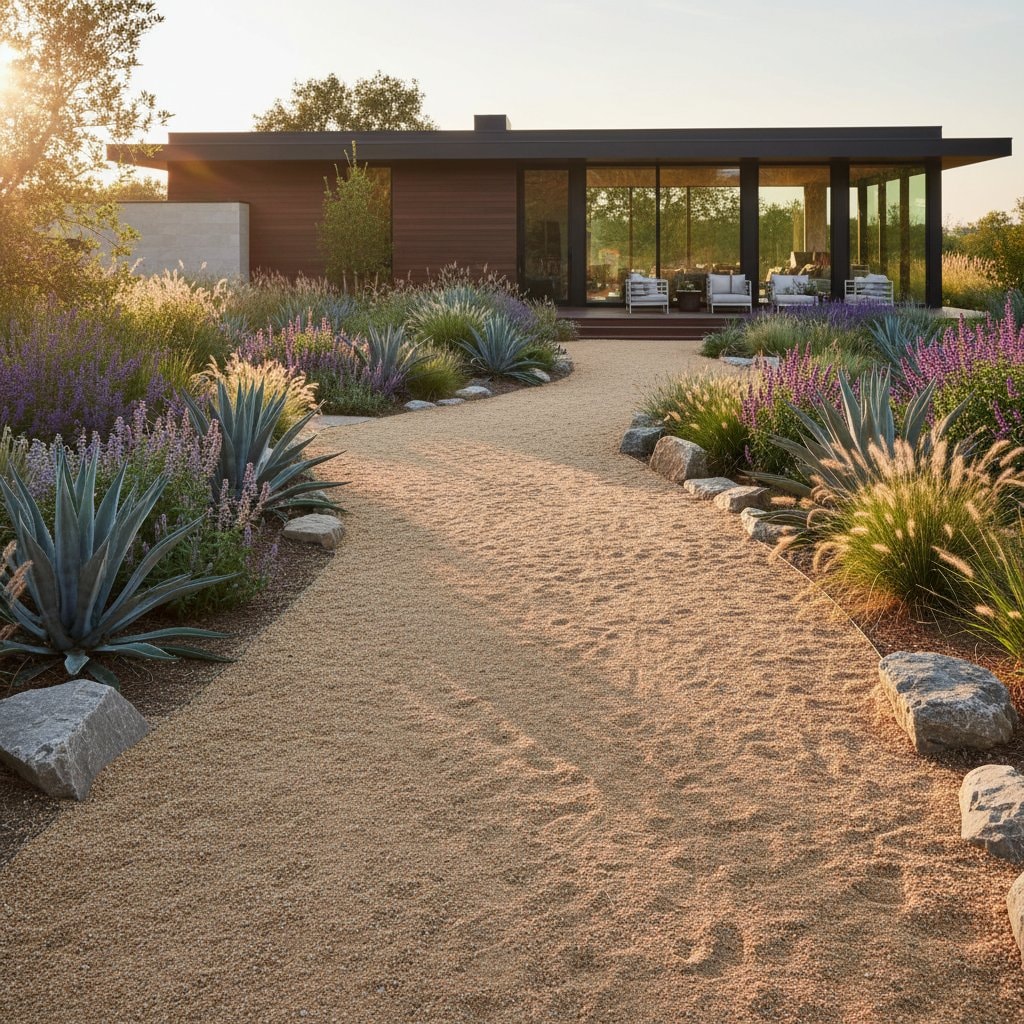
Decomposed granite enhances diverse garden motifs. Available in subdued shades ranging from golden hues to slate grays, it integrates smoothly with arid xeriscapes or verdant oases. The granular surface imparts an authentic, unprocessed quality that fosters a sense of connection and invitation in outdoor settings.
Permeable and Water-Efficient Design
Decomposed granite permits water infiltration, preventing surface pooling and promoting soil vitality below. This permeability proves advantageous in regions prioritizing conservation, as it minimizes runoff and supports groundwater recharge. Installers often recommend a base layer of crushed stone to optimize drainage and longevity.
Minimal Upkeep Requirements
After proper installation, decomposed granite paths demand infrequent intervention. Periodic raking restores evenness, and replenishment occurs every three to five years depending on foot traffic. This contrasts sharply with the ongoing repairs needed for concrete slabs or brick layouts.
Comfortable Surface for Daily Use
The compacted form of DG yields a solid yet yielding walkway, suitable for bare feet or strollers. It reflects less sunlight and retains minimal heat compared to impervious materials, ensuring usability from dawn to dusk. For added stability, consider stabilized variants that bind particles without sacrificing natural feel.
Designing Your Decomposed Granite Path
Effective path design begins with a site assessment. Map routes that facilitate movement while encouraging exploration. Consider sightlines, plant placements, and how the path enhances overall garden harmony.
Determine Width and Layout
Opt for paths 24 to 36 inches wide for secondary routes, allowing comfortable passage for one or two people. Main thoroughfares benefit from 48-inch widths to accommodate groups or garden carts. Incorporate gentle curves to mimic natural contours, softening the landscape in cottage or woodland gardens, while straight segments suit formal layouts.
Choose Appropriate Color and Texture
Source decomposed granite from local quarries to match regional geology. Warm amber tones suit sun-drenched southwestern yards, evoking desert serenity. Cooler blue-grays harmonize with Pacific Northwest moisture. Test samples under varying light conditions—morning sun, midday shade, and evening dusk—to confirm compatibility. Finer textures compact more densely for high-traffic areas, while coarser grades add visual interest in low-use zones.
Establish Clear Boundaries
Secure edges with 4-inch metal edging for crisp, contemporary lines that resist shifting. Natural stone borders integrate seamlessly in rustic designs, providing subtle contrast. Timber logs or recycled composite offer an eco-friendly option, especially in sloped terrains where they aid erosion control. Bury edges 2 to 3 inches deep to prevent lateral spread of surrounding soil or mulch.
Maintaining Decomposed Granite Paths
Decomposed granite rewards basic care with sustained performance. Establish routines that preserve its integrity without excessive effort.
- Rake the surface weekly in high-use seasons to level depressions and disperse granules evenly.
- Apply a 1/2-inch layer of fresh DG annually in trafficked sections, compacting it with a plate tamper for firmness.
- Inspect edges monthly and remove emerging weeds by hand, applying landscape fabric beneath during installation to deter regrowth.
- After storms, assess for erosion; redirect water with subtle grading if pooling occurs, ensuring slopes do not exceed 2 percent.
Stabilized decomposed granite, treated with organic binders, simplifies care further. Sweep debris quarterly and hose down as needed; avoid pressure washing to maintain binder integrity.
Incorporating Paths into Broader Landscapes
Decomposed granite paths elevate gardens when viewed as integral elements. They direct flow, delineate zones, and unify diverse features.
Complementary Planting Strategies
Select drought-tolerant perennials like catmint or yarrow to frame paths, their foliage softening edges without encroaching. Low-growing herbs such as creeping thyme release fragrance underfoot, enhancing sensory appeal. Position taller specimens, including fountain grass, at path endpoints to create focal points that draw the eye forward.
Harmonizing with Hardscapes
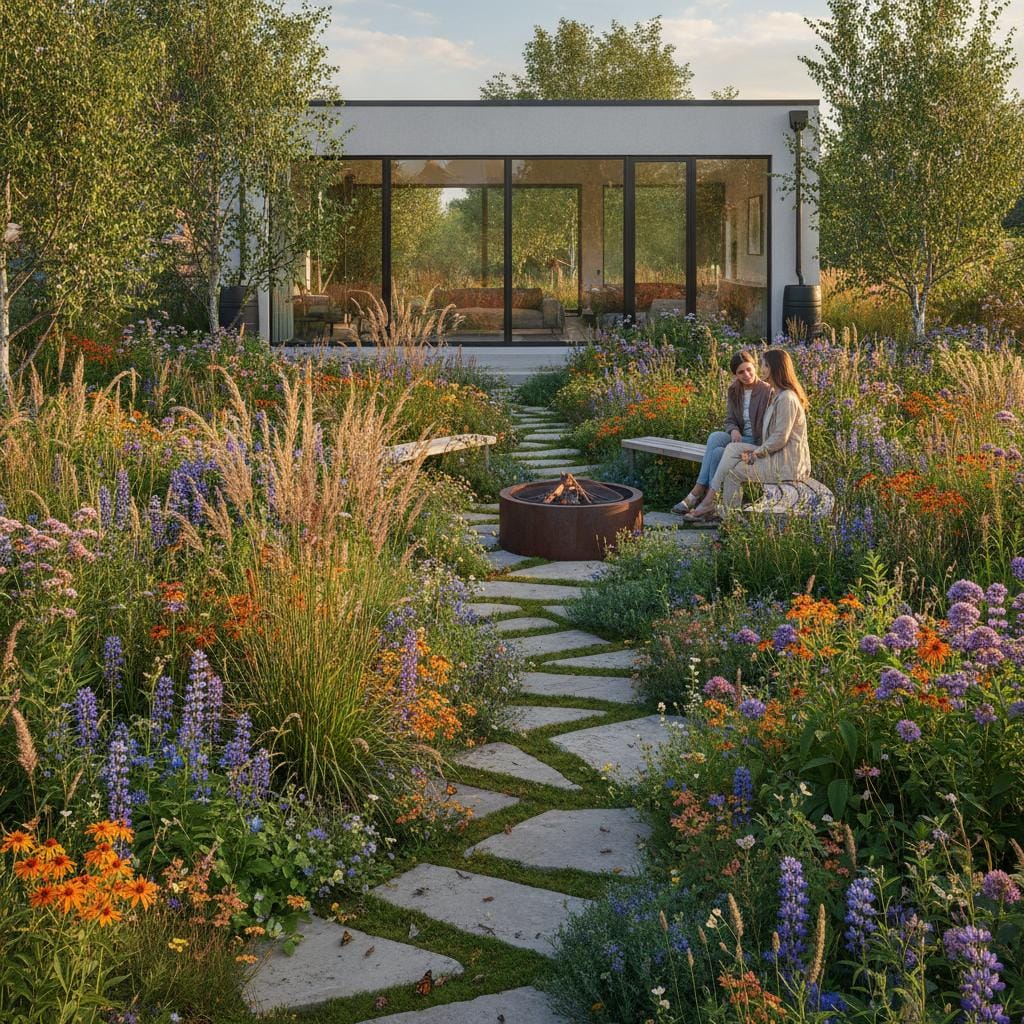
Combine DG with modular elements for textured variety. Embed irregular flagstones at intervals for a stepping-stone effect, spacing them 12 to 18 inches apart. Use it to infill around gravel patios or timber benches, bridging materials fluidly. In mixed installations, ensure consistent base preparation to prevent settling differences.
Enhancing with Illumination
Install path lights at 5- to 10-foot intervals, embedding low-voltage LEDs flush with the surface for subtle guidance. Bollards or recessed fixtures highlight curves without casting harsh shadows. Integrate motion sensors for energy efficiency, illuminating only when movement detects evening strolls.
Aligning with Contemporary Outdoor Lifestyles
Decomposed granite paths resonate with current preferences for low-effort, high-impact exteriors. They embody intentional simplicity, allowing gardens to evolve organically. This material supports active living by providing reliable access amid plantings and features.
Imperfections enhance its narrative: a light dusting of pollen or faint imprints from play add lived-in authenticity. Unlike rigid alternatives, DG adapts to seasonal changes, its permeability aiding plant health during rains. Homeowners report greater time outdoors, as paths encourage unhurried exploration.
Sustaining and Enhancing Your Path Over Time
With your decomposed granite path established, observe its role in daily routines. It stabilizes soggy areas, clarifies boundaries, and provides visual continuity. Regular engagement reveals subtle needs, fostering a responsive landscape.
Maintain through seasonal checks: refresh in spring, monitor summer wear, and repair autumn settling. As the path matures, its patina deepens, integrating more profoundly with surrounding growth. This enduring feature underscores the value of thoughtful selection and ongoing stewardship in creating resilient outdoor havens.