Essential Fall Bulb Planting Guide for Vibrant Spring 2025 Blooms
Visualize your garden filled with the vibrant colors of tulips, daffodils, and hyacinths. The preparation for this display occurs in the fall, well before spring arrives. Fall bulb planting offers a straightforward method to ensure reliable blooms. Focus on precise timing, thorough soil preparation, and suitable bulb selection to achieve this outcome.
The Importance of Fall Planting for Spring Bulbs
Spring-flowering bulbs require a period of cold exposure to establish robust roots and produce healthy flowers. This chilling phase simulates natural winter conditions. By planting in fall, bulbs gain several months underground to develop before the active growing season begins. The soil remains workable during this time, while cooler temperatures prevent premature rot.
Decisions made in fall shape the garden's appearance in spring. Invest a few hours in cooler weather now to enjoy extended periods of color and scent as temperatures rise and snow recedes.
Selecting High-Quality Bulbs
Start with bulbs in excellent condition to build a strong foundation for spring displays. Choose firm bulbs that feel heavy relative to their size, without any soft areas or signs of mold. Opt for larger bulbs to obtain bigger flowers, or select smaller ones if you prefer faster natural multiplication over time.
Consider these favored spring-flowering options:
- Tulips: Offered in numerous varieties, with heights from 6 to 24 inches. They thrive in full sun and soil with excellent drainage.
- Daffodils: Tough and dependable, these return annually with minimal care.
- Hyacinths: Prized for their intense fragrance, they suit borders or pots effectively.
- Crocuses: Early bloomers that naturalize readily in lawns or rock gardens.
- Alliums: Dramatic with tall, spherical flowers that draw in pollinators.
To extend the bloom season from early to late spring, combine varieties with staggered flowering periods. Begin with early types like crocuses and snowdrops, progress to mid-season tulips and daffodils, and conclude with late bloomers such as alliums and fritillaries.
Bulb Sizes, Grades, and Cost Considerations
Bulbs come graded by size, which influences both expense and bloom performance. Top-grade bulbs command higher prices yet yield sturdier stems and fuller flowers. More affordable options still succeed, though they might yield slimmer results in the initial year.
Budget approximately fifty cents to two dollars per bulb for standard types. Rare varieties, including parrot tulips or oversized alliums, incur greater costs. Purchasing in larger quantities typically lowers the unit price, particularly for expansive planting zones.
Ideal Site Selection
Choose locations carefully for optimal results. Most bulbs demand six or more hours of daily sunlight, although snowdrops and scillas manage in partial shade. Prioritize drainage above all; excess moisture leads to bulb decay before emergence.
Address water retention in your yard by using raised beds or pots. Enhance soil permeability by incorporating coarse sand or fine gravel prior to planting. Bulbs favor soil with a pH of 6 to 7, mildly acidic to neutral.
Soil Preparation Techniques
Well-prepared soil provides bulbs with essential support. Clear the area of weeds, stones, and residual roots first. Till the soil to 10 or 12 inches deep to facilitate root expansion. Incorporate compost or aged manure to boost texture and fertility.
Steer clear of high-nitrogen fertilizers during planting, as they promote foliage over flowers. Select a balanced bulb formula or bone meal instead. Apply a modest quantity directly into each planting hole.
Precise Depth and Spacing Guidelines
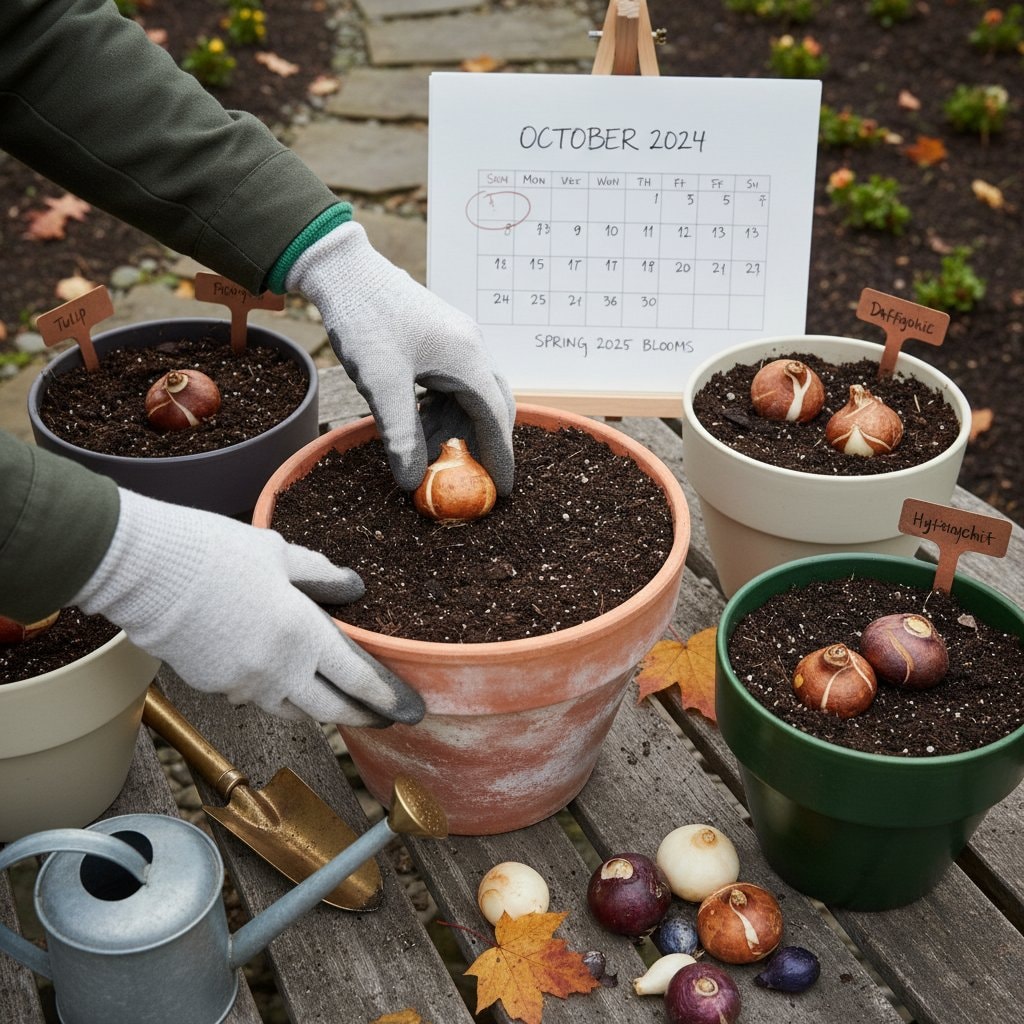
Depth plays a critical role in bulb success. Plant each bulb at a depth two to three times its height; for a two-inch bulb, aim for a four- to six-inch hole. This depth shields against frost and supports upright growth during flowering.
Adjust spacing based on bulb type and desired effect:
- Tulips and daffodils: Space 4 to 6 inches apart
- Hyacinths: Position 5 to 8 inches apart
- Crocuses and snowdrops: Set 2 to 3 inches apart
- Alliums: Arrange 6 to 10 inches apart
Create natural clusters by scattering bulbs irregularly or grouping them in sets of five to seven. This approach yields a casual, integrated garden aesthetic.
Post-Planting Care: Watering and Mulching
Water deeply after planting to compact the soil and initiate rooting. Bulbs require minimal water through winter, but prevent complete dryness. Provide occasional light watering if precipitation falls short, continuing until the soil freezes solid.
Apply a two-inch mulch layer to stabilize temperatures and suppress weeds. Suitable materials include shredded leaves, straw, or pine needles. This covering insulates against harsh cold; pull it back in early spring to allow shoot emergence.
Pest Protection Strategies
Rodents like squirrels and chipmunks often target new plantings. Secure the site with chicken wire beneath the mulch layer; bulbs grow through the mesh while deterring digs. Favor less appealing bulbs such as daffodils or alliums, which contain natural repellents.
In deer-prone areas, select resistant varieties including daffodils, snowdrops, hyacinths, and fritillaries. Reserve tulips for protected spots near structures or within enclosures.
Designing for Color Harmony and Succession
Plan colors thoughtfully to achieve a cohesive spring landscape. Pair hues like purple tulips with yellow daffodils for contrast, or unify with a monochromatic scheme. Vary heights for depth: position shorter bulbs forward and taller ones as rear accents.
Experiment with layered planting in shared spaces. In the lasagna technique, situate large bulbs like daffodils deepest, add soil cover, then layer smaller ones such as crocuses or grape hyacinths above. This sequence prolongs the visual interest across weeks.
Optimal Planting Schedule
Time planting for post-cooling but pre-freeze conditions. Soil at around 50 degrees Fahrenheit allows rooting without premature sprouting. Early planting risks frost-vulnerable shoots; delayed planting hinders root establishment.
Gauge readiness when nights cool consistently and soil chills to the touch. In typical climates, this window spans late fall through early winter onset.
Spring Maintenance for Bulbs
As flowers emerge in spring, admire them fully. Allow foliage to remain after blooms fade, as it gathers energy for future seasons. Trim only when leaves turn yellow naturally.
Remove faded flowers to redirect resources toward bulb health rather than seeds. Follow with a light application of bulb fertilizer to bolster subsequent growth.
Options for Bulb Storage or Naturalization
Tulips may weaken over years, unlike self-multiplying daffodils and crocuses. For storage, lift bulbs post-foliage dieback, clean gently, dry thoroughly, and keep in a cool, dry spot until the next fall.
Leave bulbs in place for a wilder effect; they expand into colorful patches over time. This suits lawns, tree understories, and path edges. Delay mowing until foliage withers completely to support recharging.
Pitfalls to Sidestep in Bulb Planting
Gardeners encounter these frequent challenges:
- Insufficient depth, leading to frost damage or toppling.
- Neglecting drainage, resulting in rot.
- Pairing mismatched bulb types with conflicting needs.
- Premature foliage removal, diminishing future blooms.
- Failing to mark planting locations, complicating later care.
Steps to Achieve Lasting Spring Success
Build your 2025 spring garden through fall actions. Source quality bulbs, amend soil properly, and adhere to depth specifications. These targeted efforts ensure enduring vibrancy without ongoing intervention.