Eliminate Backyard Light Pollution Through Dark Sky Design
Many homeowners experience a paradox in their outdoor spaces at night: artificial lights provide a sense of security, yet they obscure the celestial display overhead and disrupt the tranquility of the environment. This overillumination not only diminishes visibility of stars and constellations but also interferes with the circadian rhythms of both wildlife and human inhabitants. Fortunately, adopting dark sky design principles allows for targeted adjustments that maintain essential illumination while restoring the night's natural serenity.
Identifying Sources of Light Pollution
Light pollution arises from excessive or misdirected artificial lighting that extends beyond its intended area. Common culprits include unshielded porch lamps that cast beams into adjacent properties, high-intensity floodlights that create stark contrasts across lawns, and pathway illuminations left burning unnecessarily through the night. Such excesses prevent the full darkness required for nocturnal plants to photosynthesize efficiently and for animals to forage or migrate without confusion.
Observe your yard during evening hours to pinpoint these issues. Note how certain fixtures contribute to skyglow, the hazy veil that blocks starlight, or glare, the uncomfortable brightness that hinders clear vision. Recognizing these patterns empowers you to address them systematically, transforming potential nuisances into opportunities for improvement.
Developing a Dark Sky Lighting Strategy
Dark sky design emphasizes precision in light application, ensuring that illumination serves specific functions without spillover. Begin by mapping your yard's layout after sunset, evaluating each light source for necessity. Determine if a fixture enhances safe navigation along walkways or merely illuminates empty spaces out of routine.
Homeowners often discover that reducing overall light output by 50 percent preserves functionality while minimizing environmental impact. Opt for fully shielded fixtures that contain light within the downward cone, preventing upward escape that contributes to atmospheric pollution. Seek products certified as dark sky compliant, which incorporate cut-off designs to eliminate stray beams and reduce energy consumption.
Incorporate automation into your plan for optimal results. Install programmable timers that activate lights only during peak activity hours, such as dusk to midnight, and deactivate them afterward. Motion sensors provide an additional layer of efficiency, triggering illumination solely upon detecting presence and thereby allowing periods of true darkness to prevail.
Implementing Practical Adjustments
Achieve noticeable reductions through targeted modifications that require minimal investment. Consider the following steps to refine your backyard lighting:
- Select bulbs with warm color temperatures, ideally between 2200K and 2700K, to mimic natural sunset hues and lessen disruption to nocturnal species.
- Install hoods or baffles on existing fixtures to redirect beams toward surfaces like paths or seating areas, avoiding skyward projection.
- Integrate motion-activated switches on security lights, setting sensitivity to activate only for substantial movement and timing out after 30 to 60 seconds.
- Adjust lumen output to the lowest effective level; for example, use 300- to 600-lumen bulbs for general pathways instead of 1000-lumen equivalents.
- Eliminate redundant sources by consolidating multiple small lights into fewer, more efficient ones, and ensure all are positioned at least three feet above ground to focus light horizontally.
- Pair these changes with reflective surfaces, such as light-colored mulch or stone, to amplify ambient glow without added fixtures.
These measures not only curb light trespass but also lower electricity bills and extend bulb lifespans.
Fostering a Restorative Outdoor Atmosphere
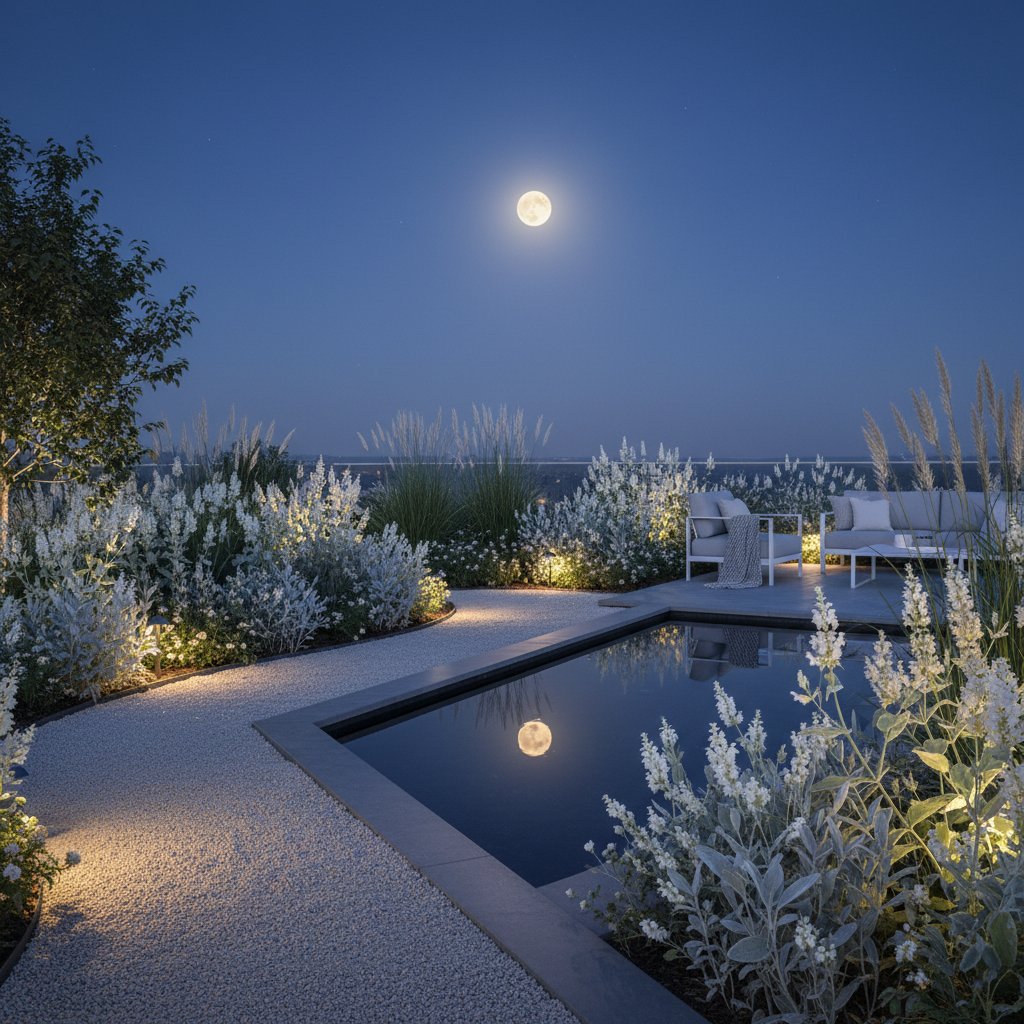
With reduced artificial glow, your backyard reveals subtler elements of the night. The chorus of insects grows audible, gentle breezes through foliage become more perceptible, and moonlight casts soft shadows that enhance rather than compete with your design. This harmony between lighting and darkness cultivates an environment conducive to relaxation and mindfulness.
Residents report improved sleep quality after dimming outdoor lights, as the absence of blue-spectrum interference aligns better with human biology. Neighbors appreciate the courtesy of contained illumination, fostering goodwill within the community.
Supporting Ecosystem Health in Your Landscape
Beyond aesthetic and personal benefits, dark sky practices bolster the vitality of your garden. Nocturnal pollinators, such as moths and bats, navigate more effectively without disorienting brightness, ensuring continued plant reproduction. Vegetation benefits from uninterrupted rest periods, leading to stronger growth and resilience against stressors like drought.
Birds and amphibians, which rely on dark cues for breeding and feeding, thrive in these conditions, increasing biodiversity. Over time, your yard evolves into a microhabitat that sustains local flora and fauna, contributing to broader conservation efforts.
Reconnect with the Cosmos from Home
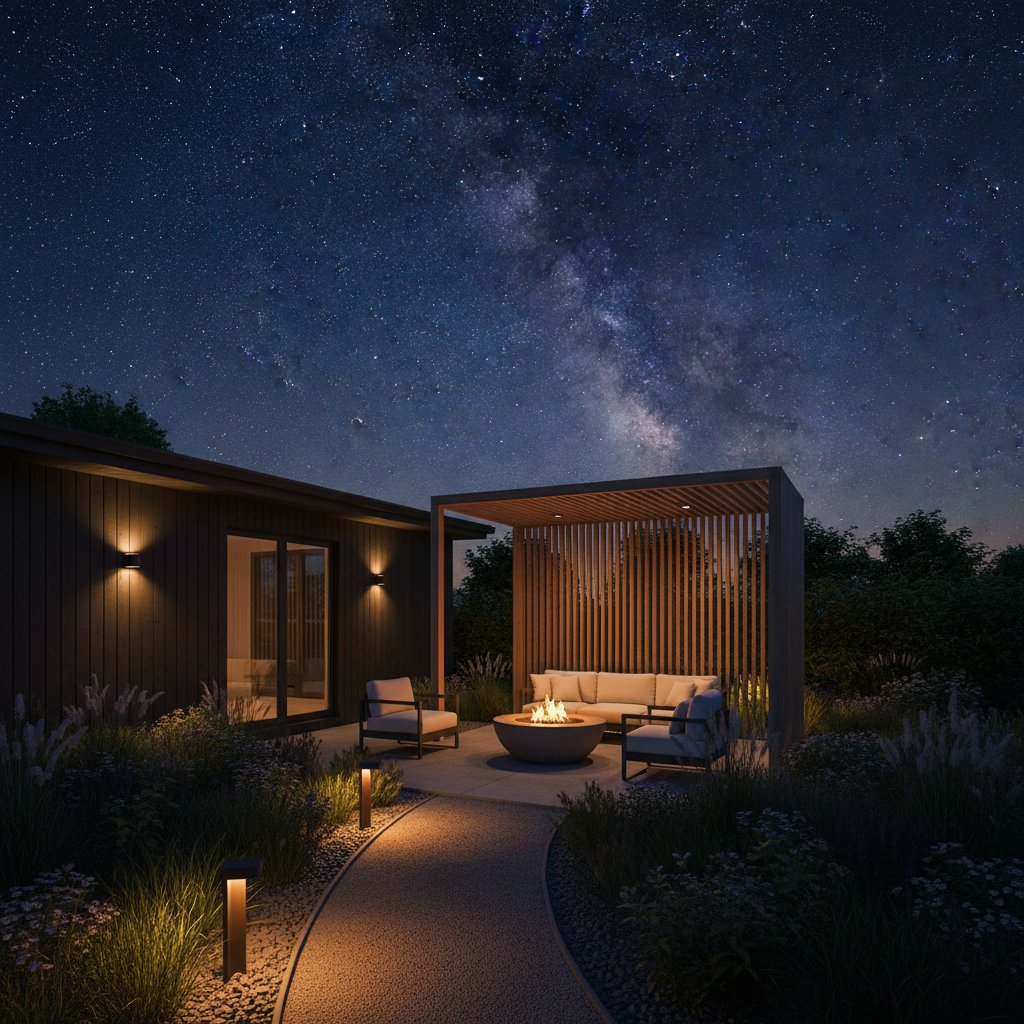
Embrace these principles to secure a backyard that balances utility with wonder. Safe pathways guide evening strolls, subtle accents highlight architectural features, and the overarching sky reclaims its prominence. Each adjustment invites a deeper appreciation for the universe, turning your outdoor space into a gateway for stargazing and reflection. As darkness envelops your property, the first stars emerge, signaling the success of your efforts.