Grow Edible Hedges for Privacy and Produce
A hedge provides a gentle boundary that softens property edges and fosters a sense of enclosed privacy. When this hedge yields food, it elevates the garden into a multifunctional space where beauty meets utility. Edible hedges integrate form and function, delivering both seclusion and sustenance through careful plant selection and maintenance.
The Appeal of an Edible Hedge
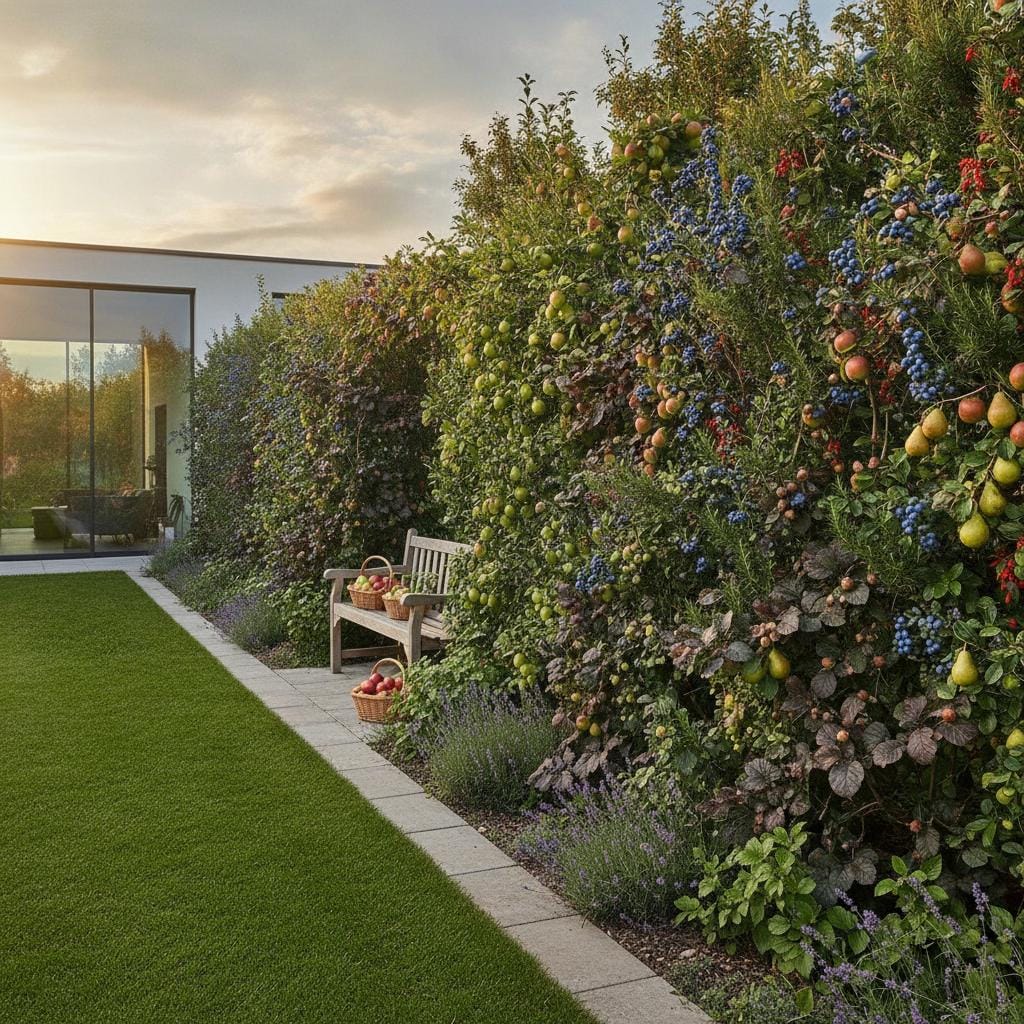
Edible hedges merge privacy screening with the joy of homegrown harvests, such as fruits, herbs, or nuts, directly from the garden perimeter. These living barriers delineate property lines, protect outdoor lounging spots, or border vegetable plots. Beyond screening, they engage the senses: foliage sways in breezes, flowers draw pollinators, and maturing produce signals seasonal abundance.
Traditional privacy plants prioritize rapid growth and density alone. Edible options, however, cultivate a deeper connection. Pruning focuses on enhancing yields rather than mere containment. Gardeners attune to cycles of bloom, fruit set, and dormancy. This shift transforms the hedge from a barrier into a collaborative element between cultivation and nature.
Choosing the Right Plants
Select edible hedge plants based on local climate, soil conditions, and available sunlight. Certain categories adapt well across diverse regions, offering reliable performance.
Fruit-bearing shrubs stand out for their versatility and appeal:
- Blueberries deliver a refined texture, delicate spring blooms, and vivid autumn foliage. They thrive in acidic soil with a pH of 4.5 to 5.5 and produce abundant, antioxidant-rich berries after two to three years.
- Blackcurrants and gooseberries introduce a rugged aesthetic with thorny stems that deter intruders. Plant them 3 to 4 feet apart; their tart fruits excel in jams, pies, and sauces.
- Serviceberries reach 15 to 25 feet, providing multi-season interest through star-shaped white flowers, purple berries, and orange fall leaves. Space them 6 to 8 feet for a natural, flowing line.
Herbal or fragrant hedges fit compact areas and enhance culinary gardens:
- Rosemary forms upright, evergreen mounds in zones 8 to 10, tolerating drought once established. Trim tips regularly to promote bushiness and harvest needles for seasoning.
- Lavender offers silvery leaves and purple spikes in full sun; varieties like 'Hidcote' stay under 2 feet tall, ideal for edging paths.
- Bay laurel provides year-round structure in mild climates, with aromatic leaves ready for soups and stews; prune to maintain a 6- to 10-foot height.
Nut-producing shrubs build sturdy, long-term screens:
- Hazelnuts grow 10 to 15 feet tall, forming thickets that block views effectively. They prefer well-drained soil and full sun; expect nuts after 3 to 5 years, with catkins adding winter texture.
For cohesive designs, combine species thoughtfully. Alternate compatible plants, such as blueberries with serviceberries, to stagger harvests and create visual rhythm. Avoid overcrowding; test soil pH and amend as needed before planting.
Establishing a Healthy Hedge
Prepare the site thoroughly to support vigorous growth. Till the soil to 12 inches deep, eradicate perennial weeds, and incorporate 2 to 4 inches of compost or aged manure. Test for nutrients; add lime for alkaline-loving plants or sulfur for acidifiers.
Plant in early spring or fall, spacing according to mature size: 2 to 3 feet for currants, 4 to 6 feet for larger shrubs. Dig holes twice as wide as the root ball, positioning plants at the same depth as in their nursery pots. Water deeply immediately after planting, aiming for 1 inch per week during the establishment phase.
Apply 2 to 3 inches of mulch, such as bark chips or straw, around bases to suppress weeds and conserve moisture. Fertilize sparingly with a balanced, slow-release formula in spring. Monitor for pests like aphids; introduce ladybugs as natural controls.
Pruning sustains shape and productivity. In late winter, remove 20 to 30 percent of older stems on fruit shrubs to stimulate fresh shoots. For evergreens, shear lightly after flowering to encourage density without reducing harvests. Annual maintenance prevents overcrowding and ensures even light penetration.
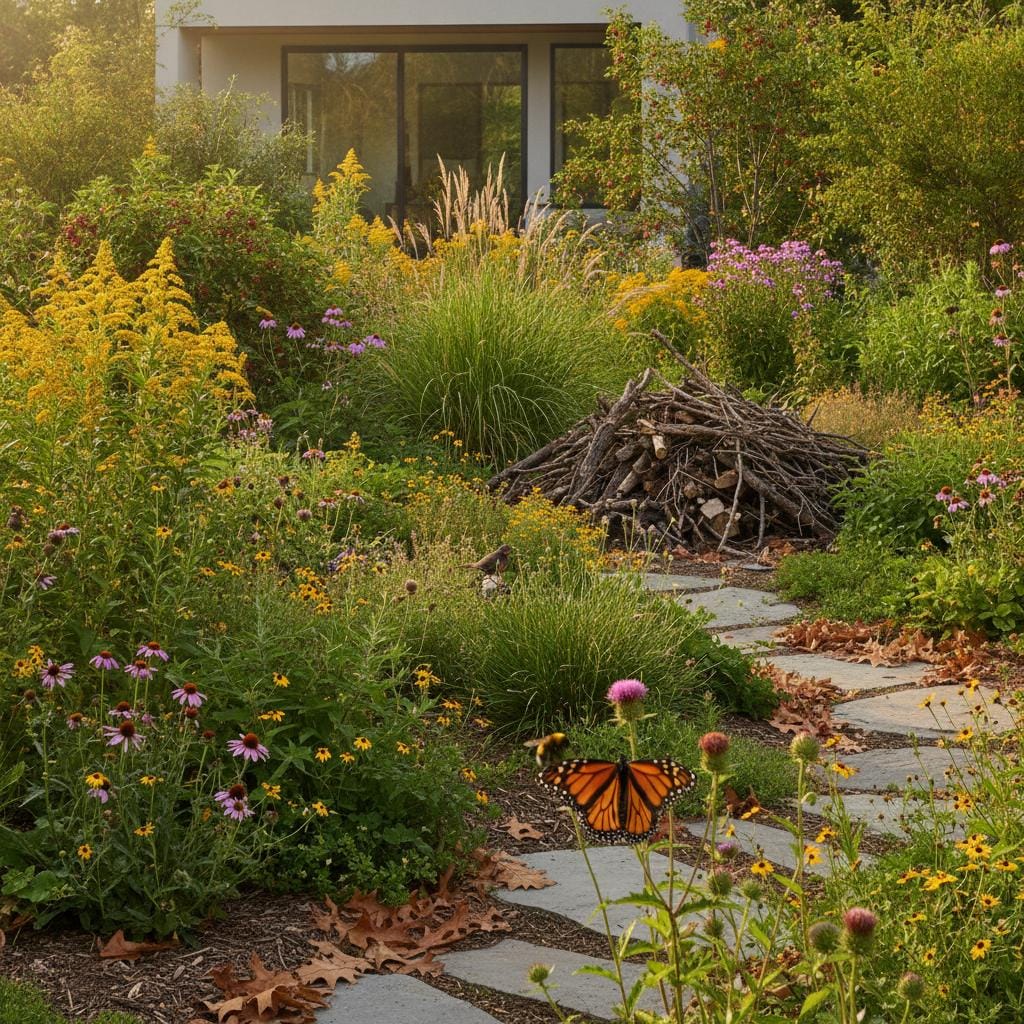
Opt for informal styles in naturalistic gardens. Let shrubs mound gently, supporting biodiversity. This approach attracts birds for pest control and enriches the ecosystem.
Balancing Privacy and Productivity
Achieve optimal density without compromising yields by selecting appropriate varieties and pruning techniques. Dense hedges may limit fruit exposure to sunlight, reducing output; sparser ones offer less seclusion. Assess the site's role: prioritize height over 6 feet for street-facing boundaries, or focus on mid-level screening near patios.
Incorporate a blend of evergreens and deciduous plants for year-round coverage. Pair rosemary's persistent foliage with blueberry's seasonal drama. This combination ensures privacy in winter while highlighting spring blooms and summer fruits.
Experiment with layering: taller nuts at the back, medium fruits in the middle, and low herbs upfront. This vertical strategy maximizes space, enhances privacy, and diversifies harvests. Adjust based on observation; thin as needed to promote air circulation and prevent disease.
Living with an Edible Hedge
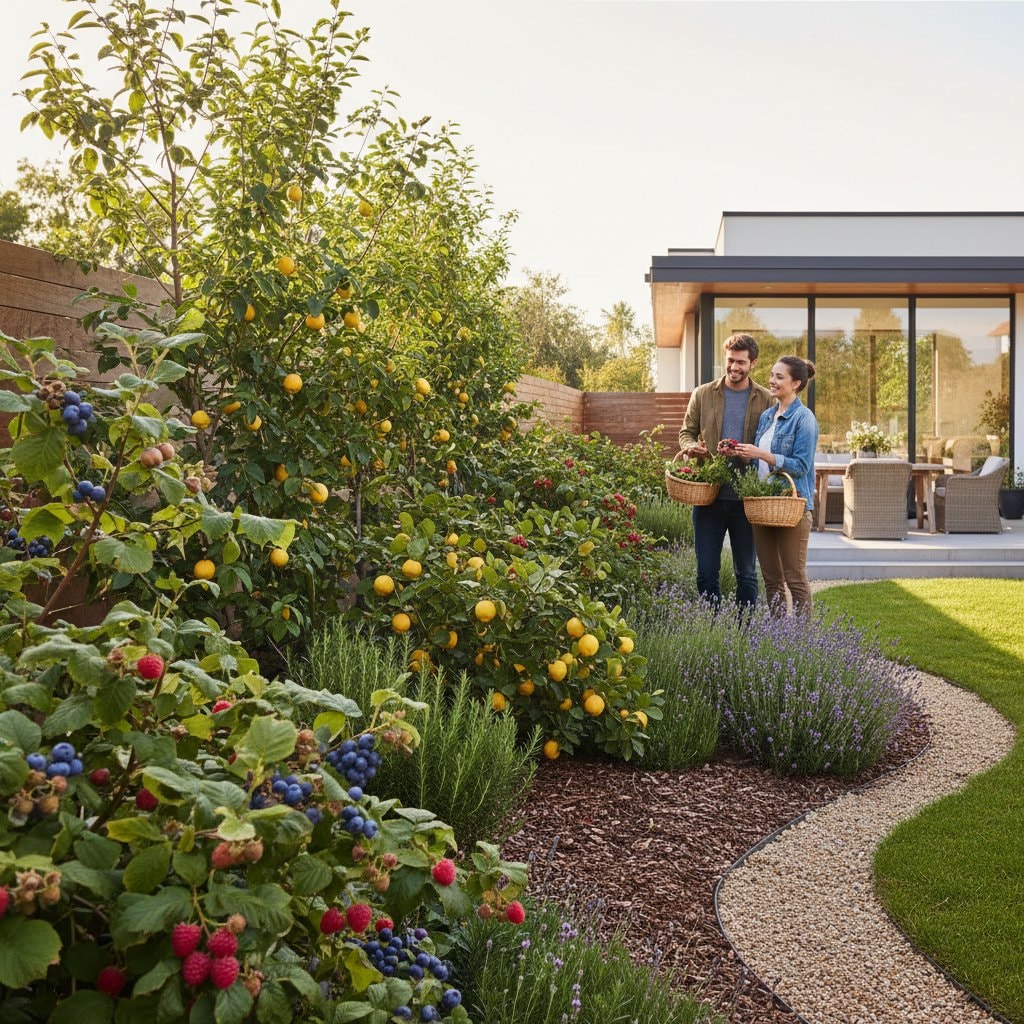
An edible hedge integrates into daily life, evolving from a novice planting to a cherished feature. Family members gather berries during walks, snip herbs for meals, and share in seasonal tasks. These interactions build appreciation for the garden's cycles.
Over years, the hedge matures, filling gaps and increasing yields. It withstands weather, adapts to care, and rewards patience with abundance. This living element fosters sustainability, reducing reliance on store-bought produce.
Extending Your Edible Hedge
Begin with a manageable section, such as 10 to 20 feet along a path. Track growth rates, pest issues, and harvest times in a journal. Refine techniques based on results, such as adjusting mulch thickness for moisture retention.
Scale up by replicating proven segments. Stick to 2 to 4 species for simplicity and harmony. This methodical expansion creates a unified landscape that enhances privacy, provides food, and inspires ongoing garden stewardship.