Cultivate Privacy with Productive Edible Hedges
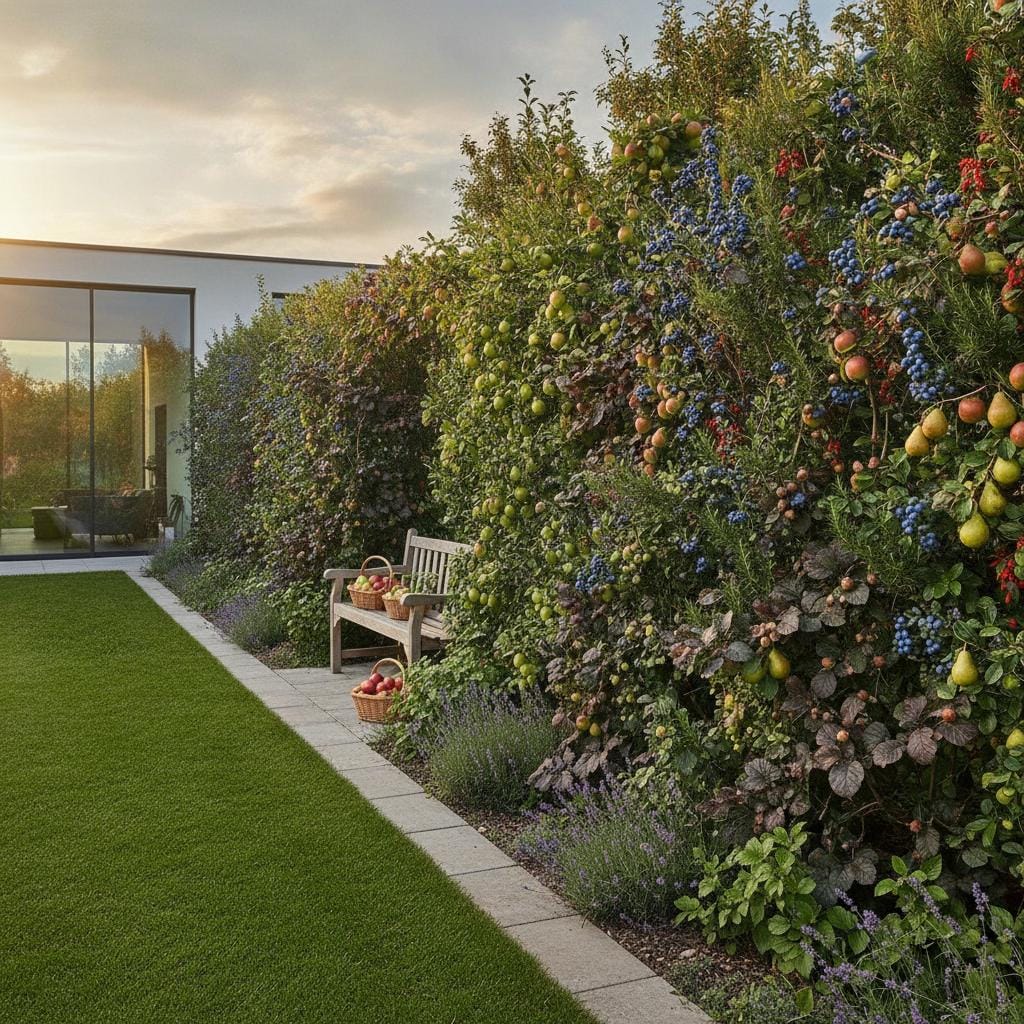
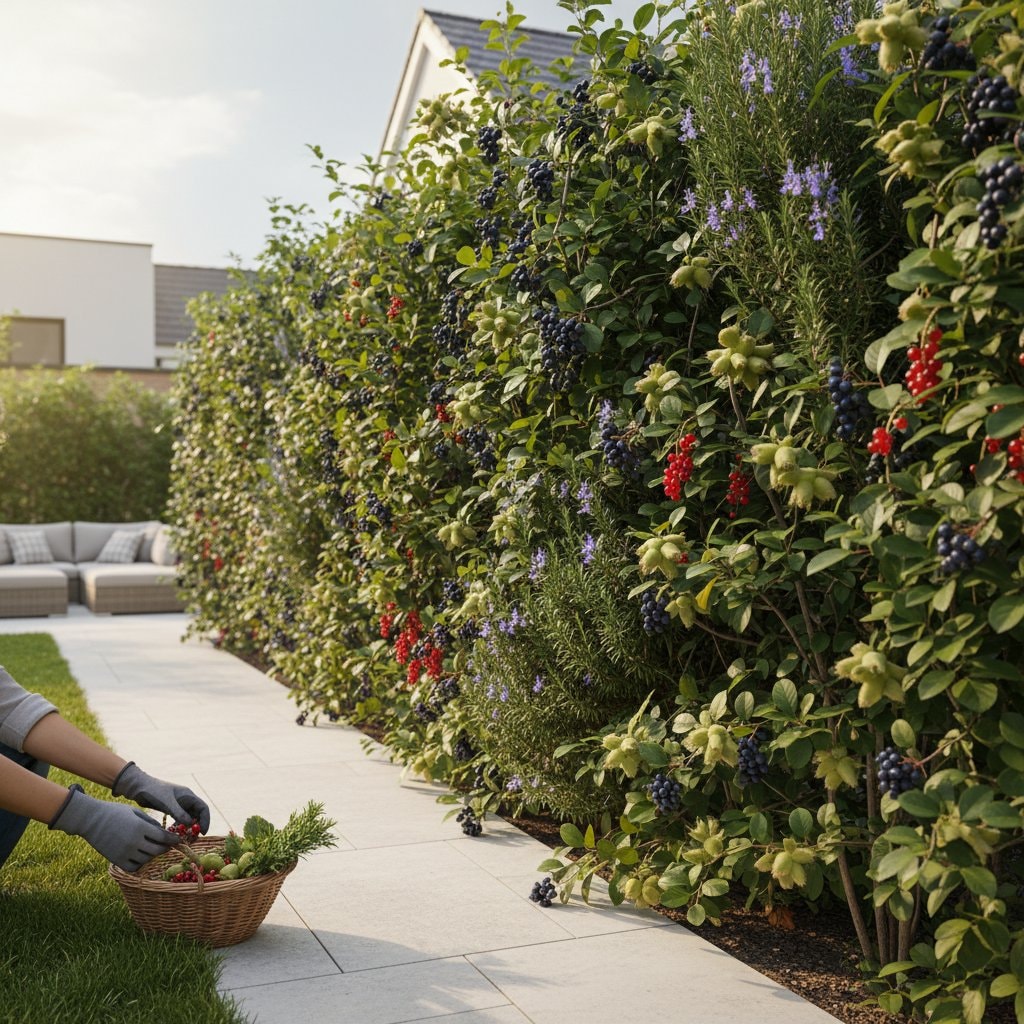
Privacy in outdoor spaces often relies on fences or dense evergreens, yet these options lack additional benefits. Edible hedges provide an innovative alternative by combining visual screening with the production of fresh produce. These living barriers enhance landscapes through aesthetic appeal and yield fruits, nuts, and herbs, turning functional plantings into sources of nourishment.
Homeowners benefit from hedges that require thoughtful selection and care but deliver ongoing rewards. Such plantings integrate seamlessly into gardens, supporting biodiversity while maximizing space efficiency. By choosing appropriate species, individuals create multifunctional features that evolve with the seasons.
Benefits of Edible Hedges Over Traditional Barriers
Edible hedges fulfill multiple roles in landscape design. They obscure views from neighbors or streets, absorb external noises, and delineate property boundaries with natural elegance. Beyond utility, these plantings introduce vibrant colors from flowers and foliage, pleasant aromas from blooms, and harvests that supply kitchen ingredients throughout the year.
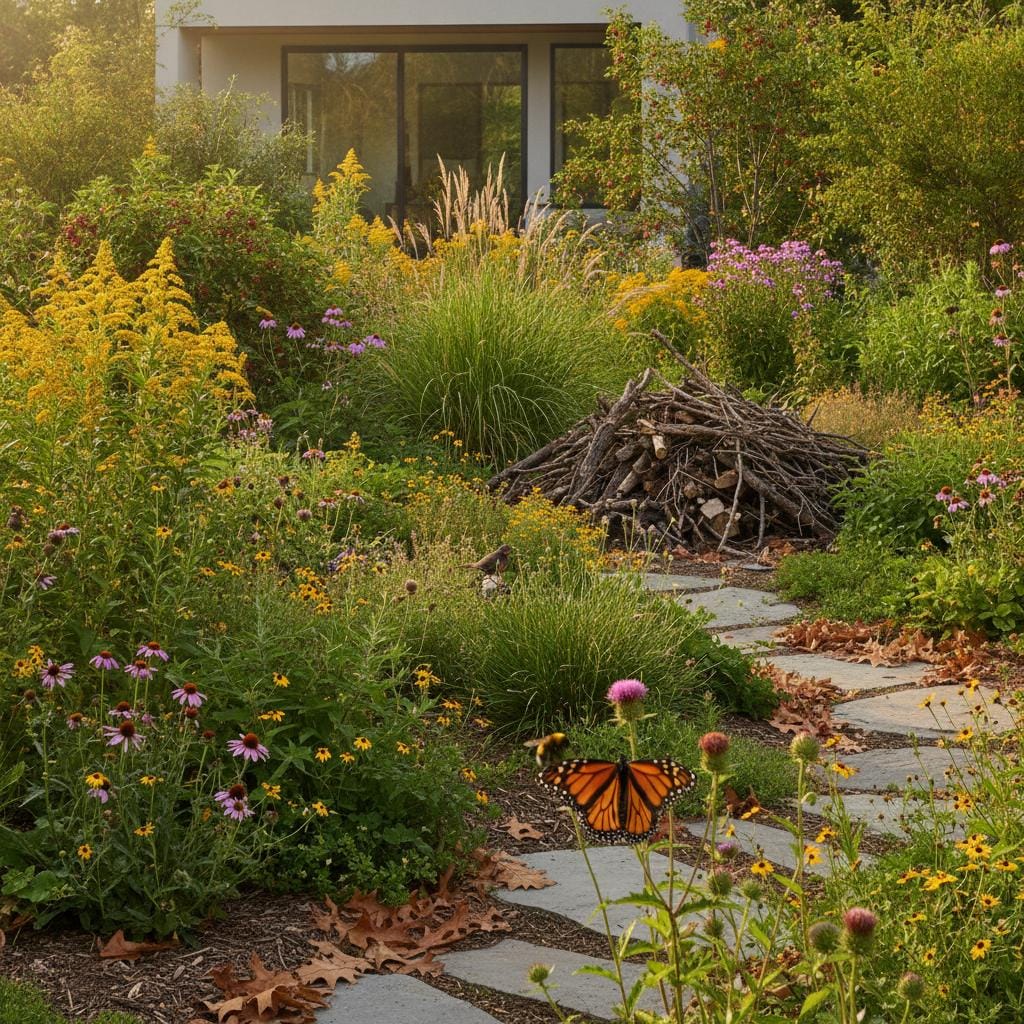
These hedges foster ecological advantages by providing habitat and nectar for pollinators, birds, and beneficial insects. They promote sustainable practices by utilizing vertical space productively, reducing reliance on store-bought produce and minimizing food miles. In contrast, conventional fences demand minimal upkeep yet offer no tangible returns, whereas edible options, though needing regular attention, generate value through both visual and edible outputs.
Property values may increase with such features, as they demonstrate intentional, eco-friendly design. Gardeners report satisfaction from the dual purpose, where maintenance efforts yield immediate, tangible results in the form of homegrown foods.
Selecting Optimal Plants for Edible Privacy
Plant selection hinges on local climate zones, soil conditions, and desired aesthetic outcomes. Gardeners should prioritize species with varying maturation periods to ensure continuous harvests from spring through fall. Consider hardiness ratings from the USDA zones; most recommendations suit zones 4 through 8, but verify specifics for your region.
Incorporate a mix of evergreen and deciduous types for year-round interest, with evergreens maintaining structure in winter. Below are proven choices, each noted for growth habits, yields, and care essentials:
-
Blueberries (Vaccinium spp.): These acid-loving shrubs excel in zones 3 to 7 and reach heights of 3 to 6 feet, forming compact, upright barriers. They produce clusters of sweet-tart berries in summer, rich in antioxidants. Plant in soil with pH 4.5 to 5.5; amend with peat moss if needed. Prune annually in late winter to remove old canes and stimulate fruiting.
-
Aronia Berries (Aronia melanocarpa): Known as chokeberries, these resilient plants thrive in zones 3 to 8 and tolerate clay or sandy soils with pH 5.0 to 7.0. Growing 6 to 8 feet tall, they offer dark purple berries in late summer, valued for their astringent flavor in juices and baked goods. Their white spring flowers and red fall foliage add ornamental value; minimal pruning suffices for shape control.
-
Currants and Gooseberries (Ribes spp.): Suited to zones 3 to 7, these options perform well in partial shade and confined areas, reaching 3 to 5 feet. Currants yield red or black fruits, while gooseberries provide green or red varieties, both ideal for preserves due to their tart profile. Space plants 3 feet apart; prune post-harvest to thin crowded branches and enhance airflow, preventing mildew.
-
Raspberries and Blackberries (Rubus spp.): Vigorous in zones 4 to 8, these canes grow 4 to 6 feet and create impenetrable thickets with thorny stems. Raspberries offer red or golden fruits, blackberries larger black ones, both ripening in midsummer. Install trellises for support; tip-prune new growth in summer to encourage lateral branching and higher yields.
-
Hazelnuts (Corylus spp.): These nut producers suit zones 4 to 9 and form screens up to 10 feet tall in well-drained loams. Filberts or American varieties yield edible nuts in fall after 3 to 5 years. Their catkins provide early-season interest; coppice every few years to maintain density and vigor.
-
Rugosa Roses (Rosa rugosa): Hardy in zones 2 to 7, these reach 4 to 6 feet with fragrant pink flowers and tomato-like hips in autumn, packed with vitamin C for teas or syrups. Thorny canes deter wildlife; deadhead spent blooms to promote reblooming and hip production.
Designing and Installing Your Hedge
Begin the project by evaluating the site for sunlight exposure, typically requiring full sun to partial shade for optimal fruiting. Measure the boundary length and width to determine plant quantities; allocate 3 to 5 feet between shrubs for mature spread. Sketch a layout on graph paper, factoring in curves or angles for natural flow.
Soil preparation proves crucial for establishment. Test pH and nutrient levels; incorporate organic matter like aged compost to improve fertility and structure. Eliminate perennial weeds with mulch or solarization before planting. For each shrub, excavate holes twice the root ball's width and matching depth, ensuring roots spread horizontally.
Position plants at the same depth as in their nursery pots, backfill with native soil mixed with compost, and firm gently to eliminate air pockets. Water deeply immediately after planting, aiming for 1 inch per week during the first season. Apply a 2- to 3-inch layer of organic mulch, keeping it away from stems to prevent rot.
For accelerated privacy, employ a double-row stagger: plant alternating rows offset by half the spacing distance. This technique fills gaps quicker and strengthens the barrier against wind. Integrate drip irrigation lines beneath the mulch for efficient, targeted watering that conserves resources and reduces disease risk.
Sustaining Health and Maximizing Yields
Ongoing maintenance ensures longevity and productivity. Monitor for pests like aphids or Japanese beetles; use insecticidal soaps or hand-picking as first-line defenses. Fertilize sparingly with a slow-release formula in early spring, tailored to each plant's needs, such as sulfur for blueberries to maintain acidity.
Pruning schedules vary by species but generally occur in dormant seasons. For berries, remove 20 to 30 percent of older wood annually to invigorate the plant. Thin hazelnuts and roses to open the canopy, improving light penetration and fruit quality. After pruning, dispose of clippings to avoid disease spread.
Harvesting timing depends on ripeness indicators: berries soften and color fully, nuts drop from husks, hips turn orange-red. Expect initial yields in 1 to 3 years, increasing with maturity. Protect crops with bird netting installed 2 weeks before peak ripeness, or hang aluminum pie tins to deter avian visitors through motion and reflection.
Winter protection involves mulching roots in cold climates and wrapping young plants if extreme freezes threaten. Annual soil tests guide amendments, sustaining nutrient balance over time.
Establishing a Thriving Edible Barrier
Developing an edible hedge demands initial investment in time and plants, yet yields compound as the structure matures. Seasonal shifts bring dynamic changes: spring blossoms, summer fruits, autumn colors, and winter architecture. This evolution creates a serene, self-sustaining feature that integrates privacy with productivity.
Start small with 5 to 10 plants suited to your conditions, monitoring growth and adjusting as necessary. Consult local extension services for region-specific advice on varieties and challenges. As the hedge establishes, it transforms boundaries into bountiful assets, supplying fresh ingredients while enhancing outdoor living spaces.
Ultimately, these plantings replace static barriers with vibrant, functional elements. Through deliberate planning and care, gardeners cultivate not only seclusion but also a continuous source of homegrown delights, enriching both the landscape and daily life.