Boxwoods Fade: Edible Fruit Hedges Emerge in 2026
Boxwoods have long served as the standard for formal hedges, providing crisp lines and reliable privacy in gardens. These evergreen shrubs deliver a structured appearance that suits diverse landscape designs. However, a growing number of homeowners seek hedges that offer more than visual appeal. Edible fruit hedges present a compelling alternative, merging ornamental value with practical benefits such as fresh produce and ecological support.
Challenges with Traditional Boxwoods
Boxwoods maintain popularity for their versatility, yet they present notable drawbacks. Their gradual growth rate requires years to establish a full hedge, demanding patience from planters. Frequent pruning preserves their form, but susceptibility to boxwood blight and leafminer infestations often results in sparse foliage and uneven textures.
Beyond maintenance issues, boxwoods provide limited environmental contributions. They fail to draw pollinators or generate edible yields, which diminishes their appeal in eco-conscious gardens. Homeowners increasingly favor replacements that enhance both aesthetics and functionality, turning hedges into productive assets.
Advantages of Edible Fruit Hedges
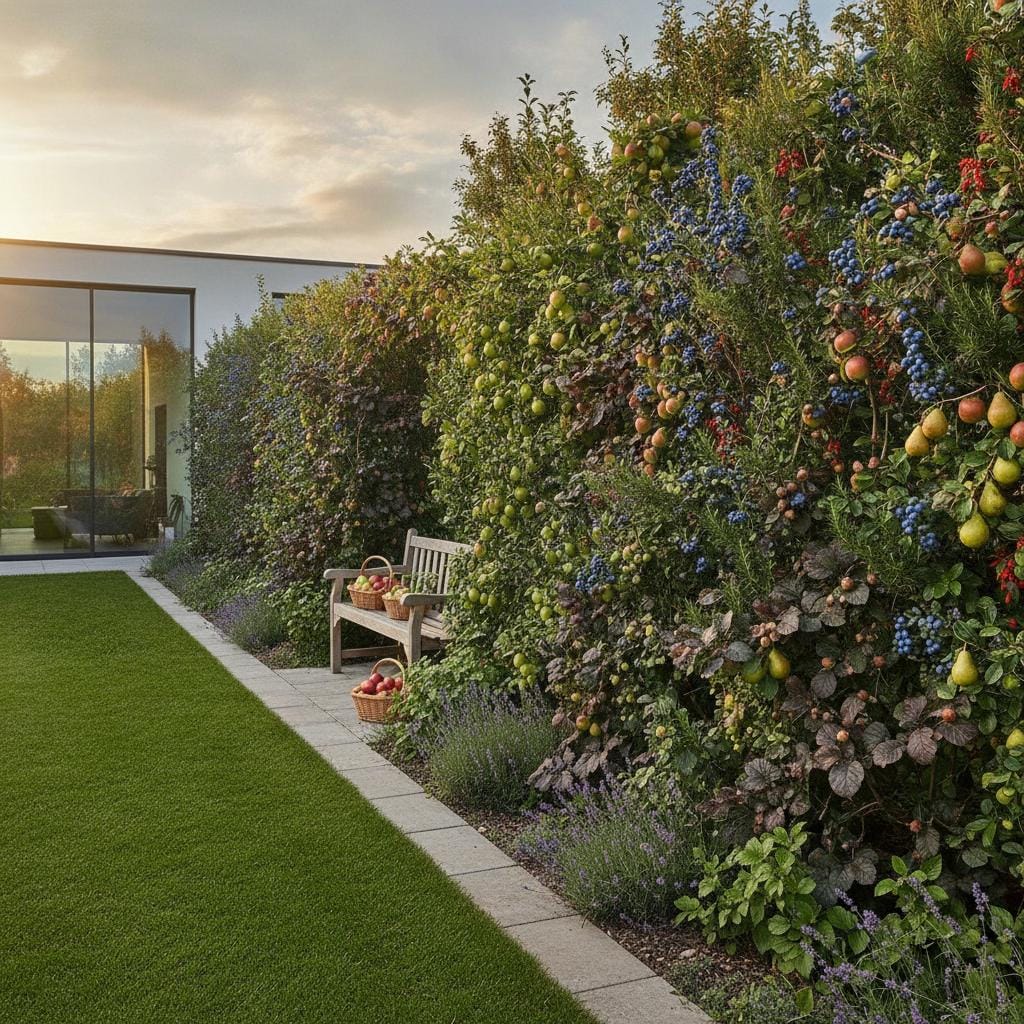
Edible fruit hedges integrate beauty, utility, and ecological benefits into one planting. These borders screen views, block wind, and supply seasonal fruits for consumption or preservation. Gardeners can adapt them to various spaces, from structured alignments to informal groupings.
Several factors drive their adoption:
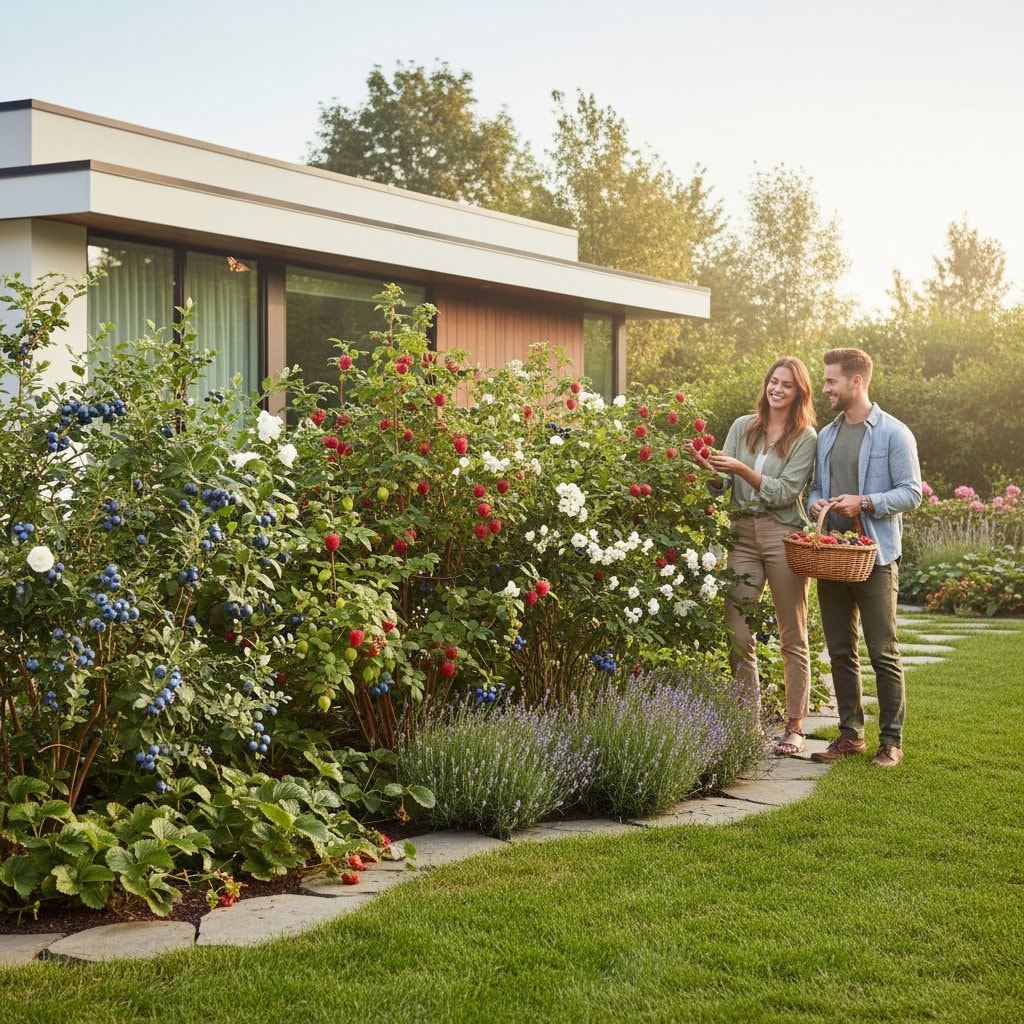
- Harvest Potential: Expect yields of berries, currants, or dwarf fruits annually from mature plants.
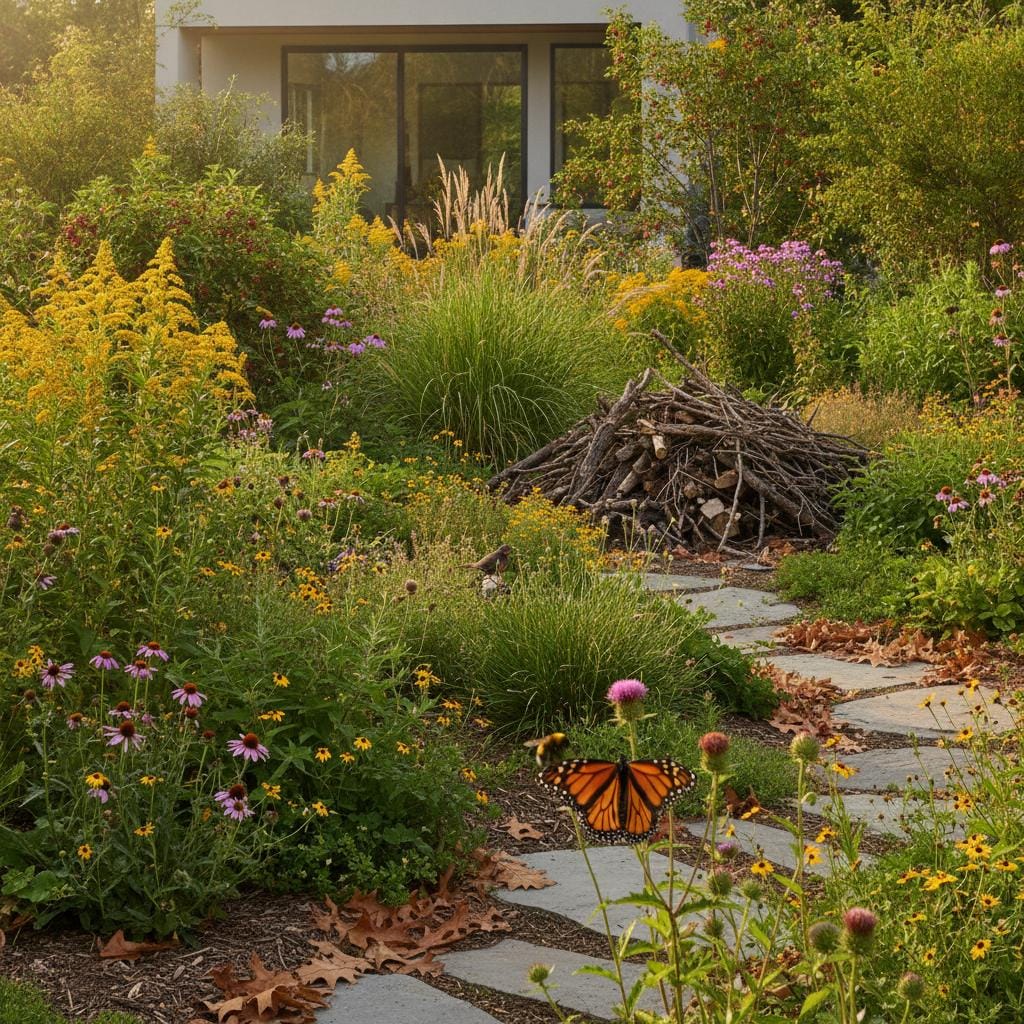
- Wildlife Support: Blossoms and fruits invite bees, butterflies, birds, and predatory insects that aid pest control.
- Adaptability: Select varieties withstand local weather extremes and show greater pest resistance than boxwoods.
- Visual Interest: Cycles of flowers, changing leaves, and colorful fruits ensure appeal across seasons.
- Eco-Friendly Practices: Minimize pesticide use while supplying homegrown food, promoting self-sufficiency.
Proper selection and upkeep allow these hedges to rival the polish of traditional ornamentals.
Selecting Plants for Your Edible Hedge
Plant choices hinge on regional climate, soil conditions, and available light. Fruiting shrubs generally require full sun exposure and soil with excellent drainage. Evaluate each option's expansion speed, ultimate size, and trimming requirements to match your goals.
Recommended Fruiting Shrubs
Blueberries
Blueberry bushes stand out for their ornamental qualities and reliable output. Spring brings delicate white blooms amid lustrous foliage, followed by autumn hues of orange and red. Plantings reach 4 to 6 feet in height, forming effective screens. Cross-pollination from multiple cultivars boosts berry production; maintain soil pH between 4.5 and 5.5 through amendments like peat moss or sulfur.
Currants and Gooseberries
These resilient options perform in partial shade and colder zones, yielding tart berries ideal for pies, jellies, or direct eating. Plants mature at 3 to 5 feet, developing a graceful, compact form suitable for borders. Space them 3 feet apart to encourage bushy growth without overcrowding.
Aronia Berries
Aronia offers toughness and visual charm, with clusters of white flowers in spring and antioxidant-rich purple berries by late summer. Suitable for juices, syrups, or baked goods, the fruits hang in dense bunches. Shrubs grow to 6 feet, providing upright density; they tolerate wetter soils than many competitors.
Serviceberries
Known as juneberries, these multi-stemmed plants deliver early-season purple berries with a mild, almond-like flavor. White flowers appear before leaves emerge, and fall displays vivid reds and golds. Unpruned, they extend to 10 feet; train lower branches for hedge use and harvest fruits as they ripen over weeks.
Raspberries and Blackberries
Brambles like these create thorny or thornless barriers when supported on wires or fences. Varieties such as 'Heritage' raspberries produce twice yearly in mild climates. They expand vigorously, so install barriers to contain roots; annual pruning removes spent canes to sustain vigor and limit spread.
Steps for Planning and Installation
Define the hedge's primary role, whether for seclusion, demarcation, or focal enhancement, to guide species selection and layout. Measure the site to determine plant quantities and positions.
- Plant Spacing: Allocate 2 to 4 feet between shrubs; tighter intervals promote thickness but demand vigilant airflow monitoring.
- Site Preparation: Till soil to 12 inches deep and incorporate 2 to 3 inches of compost for nutrient enrichment.
- Initial Watering: Supply 1 inch of water weekly for the establishment phase; install soaker hoses for uniform distribution.
- Mulch Application: Spread 2 to 3 inches of bark or wood chips around bases, keeping material away from stems to prevent rot.
Set plants at nursery depth, firm soil around roots, and water deeply immediately after placement.
Ongoing Maintenance Strategies
Edible hedges demand routine care to maximize health and output, though efforts align closely with those for other shrubs.
Pruning Techniques
Schedule major cuts in dormant season, targeting damaged or inward-growing stems to enhance circulation. For brambles, remove fruiting canes at ground level post-harvest; shape others annually to uniform height.
Fertilization Schedule
Distribute granular, balanced fertilizer in early spring, following package rates based on soil tests. Acid-loving blueberries respond to rhododendron formulas; others benefit from organic options like fish emulsion.
Irrigation Practices
Aim for consistent moisture without saturation, applying 1 to 2 inches weekly during growth periods. Mulch conserves water and stabilizes temperatures.
Managing Pests and Diseases
Encourage natural predators by planting companion flowers like dill or yarrow. For aphids, apply neem oil sprays; protect ripening fruit with bird netting stretched over frames. Inspect weekly to catch issues early.
Creative Design Approaches
Integrate edible hedges seamlessly into landscapes through strategic combinations.
- Diverse Plantings: Alternate species for staggered blooming and fruiting, extending garden interest.
- Tiered Arrangements: Position taller serviceberries behind compact currants for depth and layered privacy.
- Shaped Formations: Employ shears for geometric outlines, clipping after fruit set to avoid damage.
- Extended Appeal: Select everbearing types for continuous harvests; underplant with mint or lavender for ground-level color.
These methods ensure hedges enhance rather than dominate the overall design.
Investment and Time Factors
Initial costs range from $10 to $30 per shrub, varying by type and container size. A 50-foot hedge might require 15 to 25 plants, plus soil amendments. Long-term savings arise from homegrown produce offsetting grocery expenses.
Plants establish roots in year one, with light fruiting by year two. Full productivity arrives by year three, yielding 5 to 10 pounds per mature shrub. Dedicate 1 to 2 hours monthly for upkeep, focusing on seasonal tasks.
Sustaining Productivity Over Seasons
Mature hedges gain strength, requiring less intervention while delivering abundant returns. Annual soil tests guide amendments; rotate pruning focus to rejuvenate older sections.
During fruit development, thin clusters if overloaded to improve size and quality. Post-harvest, clear debris to deter overwintering pests. Winter mulching insulates roots, preparing for robust spring growth.
Harvesting Rewards from Your Living Border
Edible fruit hedges elevate standard landscaping into dynamic, yielding features. Privacy and form persist alongside tangible gains in nutrition and biodiversity. Thoughtful implementation yields a garden that nourishes body and environment alike, fostering enduring satisfaction through each cycle.