Decomposed Granite: The Leading Low-Maintenance Option for 2026 Paths
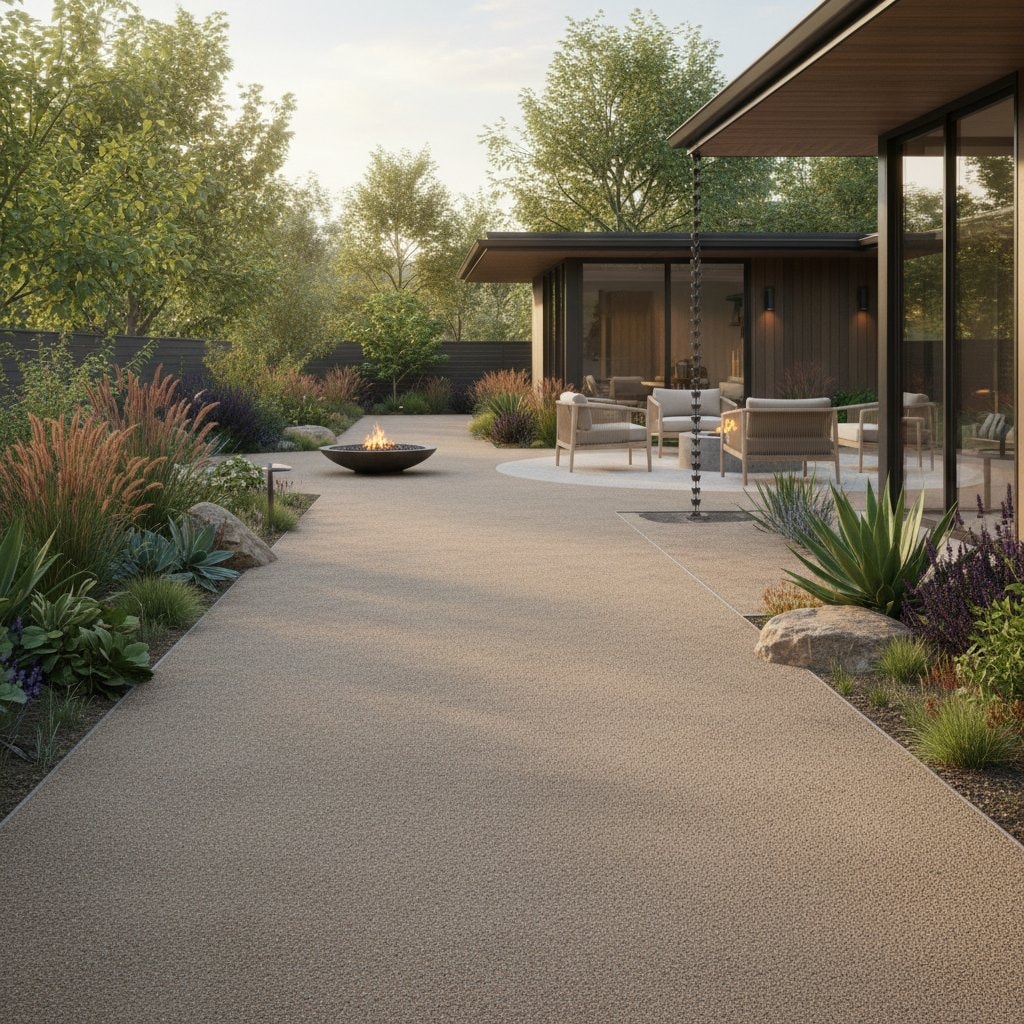
Homeowners seeking pathways that integrate seamlessly with natural surroundings should consider decomposed granite. This material, derived from weathered granite, delivers an organic aesthetic while requiring minimal ongoing care. It serves as an economical alternative to concrete or pavers, particularly in arid regions where it pairs effectively with drought-resistant vegetation.
Decomposed granite, commonly abbreviated as DG, consists of granite rock eroded into fine, gravel-sized fragments. Upon compaction, these particles form a solid yet porous surface that supports weight while permitting water infiltration. This combination of firmness and drainage positions DG as a versatile solution for walkways, patios, and light-duty driveways.
Key Characteristics of Decomposed Granite
Decomposed granite distinguishes itself from options like pea gravel or standard crushed stone through its ability to bind firmly after compaction. The angular particles mesh together, yielding a stable, even base resistant to shifting under regular use. For enhanced performance, apply a stabilizer, typically a polymer-based liquid, which binds the granules and minimizes erosion.
Select loose DG for a relaxed, textured finish suitable for casual trails winding through gardens. Opt for stabilized DG in areas expecting frequent traffic, such as entryways or seating zones, where a refined, pavement-like quality proves beneficial. Resin-bound variants offer the utmost durability, locking particles in place with a clear resin coat for nearly seamless results.
Pricing and Essential Installation Steps
Material costs for decomposed granite vary by form and regional availability. Loose DG typically ranges from one to three dollars per square foot, while stabilized versions fall between three and six dollars per square foot. Professional installation adds two to four dollars per square foot in labor, positioning DG as a budget-friendly choice compared to interlocking pavers or cast concrete, which often exceed ten dollars per square foot.
Proper installation ensures longevity and performance. Begin with excavation, clearing vegetation and soil to a depth of four inches to accommodate the base and DG layers. Next, install a two-inch layer of coarse crushed rock, compacted thoroughly to facilitate drainage and prevent settling.
Spread the DG to a uniform two-inch thickness, then compact it in layers using a vibrating plate compactor for optimal density. For stabilized applications, mix in the binding agent before spreading and compacting, followed by a light water mist to activate the stabilizer. A typical 200-square-foot path requires one weekend of effort with rented equipment and basic hand tools like shovels and rakes.
Advantages and Potential Limitations
Decomposed granite offers compelling benefits for landscape projects. It demands little maintenance, with raking sufficient a few times annually to restore evenness. The material's neutral earth tones harmonize with foliage, rocks, and timber elements, fostering a unified outdoor environment.
Its permeable nature allows rainfall to percolate through, mitigating flooding and supporting groundwater recharge in sustainable designs. Affordability further enhances its appeal, as initial investments remain lower than those for rigid surfacing options.
Potential challenges include dust generation from loose DG during dry spells, which can adhere to shoes or vehicles. Heavy downpours or intense foot traffic might displace granules without stabilization, necessitating periodic replenishment. Weeds may emerge absent a geotextile fabric barrier beneath the base layer.
Accessibility concerns arise with unstabilized surfaces, as unevenness can impede wheeled mobility aids. Evaluate these factors to select the appropriate DG type, ensuring the installation aligns with intended use and site conditions.
Integrating Decomposed Granite into Landscape Designs
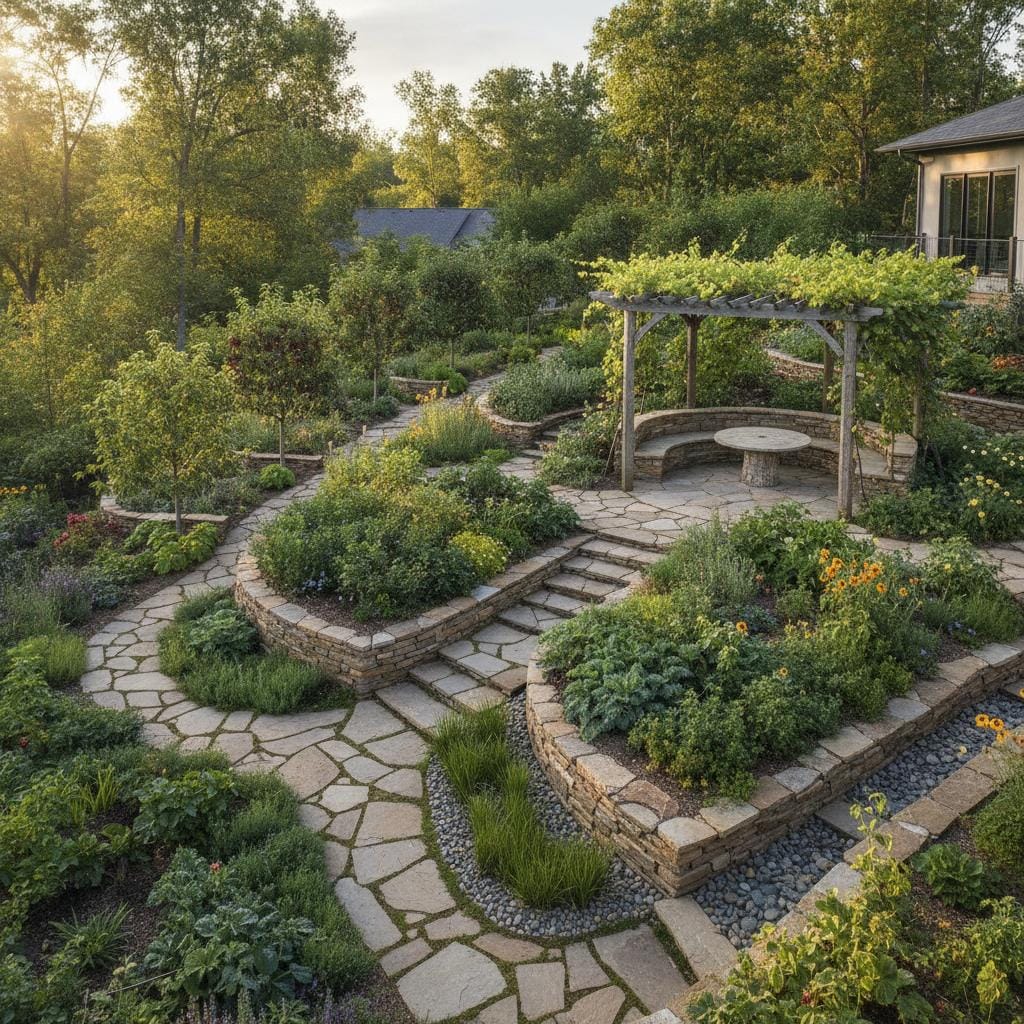
Decomposed granite adapts to diverse architectural styles, from modern minimalism to rustic retreats. Employ it to outline meandering paths amid perennial borders, guiding visitors through blooming displays. In larger settings, it forms expansive patios that link dining areas to fire pits, providing a warm, inviting expanse.
Combine DG with contrasting elements for visual interest, such as inlaying it between flagstone steps or surrounding it with low-growing groundcovers. Edging materials like corten steel, recycled brick, or boulders maintain crisp boundaries, preventing spillover into adjacent turf or beds.
Available hues span warm golds and rust reds to cool grays and beiges, sourced from nearby quarries. Match the shade to your residence's siding or regional geology for a harmonious effect that elevates the overall property aesthetic.
Sustaining Decomposed Granite Over Time
With proper setup, decomposed granite endures for decades under moderate conditions. Conduct seasonal inspections in spring and fall to identify low spots or erosion. Gently rake the surface to redistribute material, and apply a quarter-inch refresh layer annually if wear appears.
Stabilized installations require less frequent intervention, often just a biennial top-up. In rainy climates, ensure edging integrity to contain the material during storms. Avoid power washing, as it can loosen bonds; instead, use a stiff broom for debris removal.
Selecting and Implementing Your Decomposed Granite Project
Decomposed granite provides a resilient, earth-toned pathway that enhances landscape authenticity without demanding extensive care. Assess your site's traffic levels, climate, and design vision to choose between loose, stabilized, or resin-bound forms. Consult local suppliers like Dickinson's Garden Center for samples and expert guidance to achieve a flawless, enduring result.